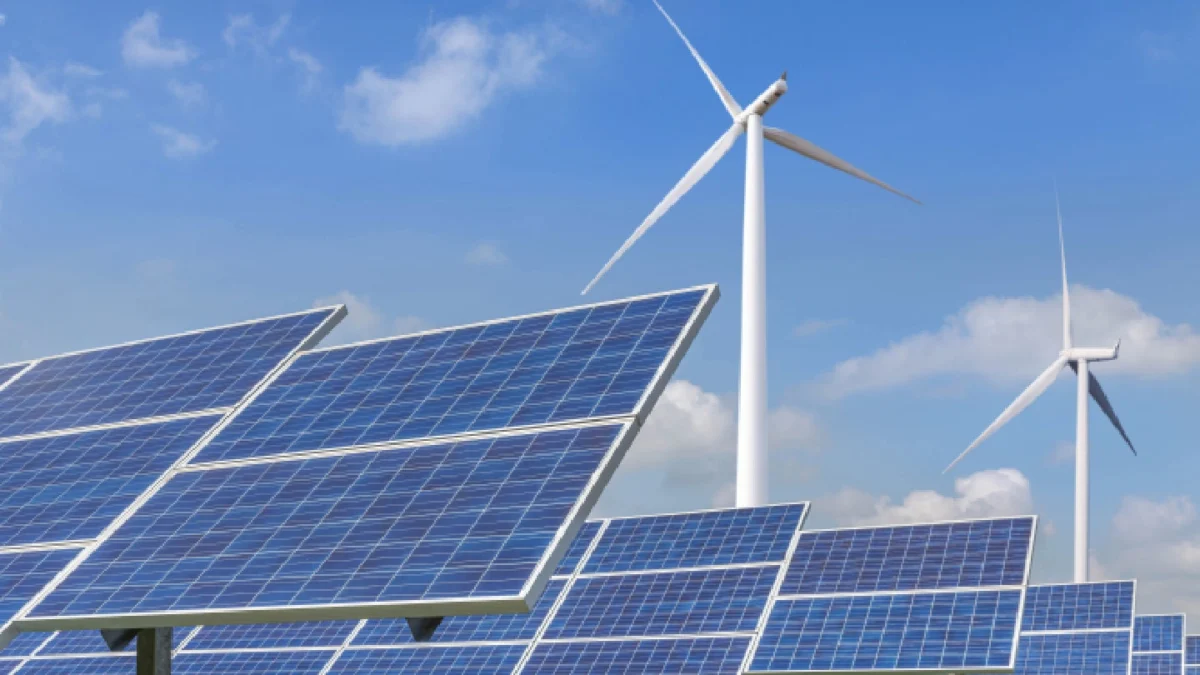
Investment giant Actis has officially unveiled its latest venture into the Mexican energy landscape: Yeltica Energy. This new renewable energy platform is positioned to become a cornerstone of Mexico’s evolving power infrastructure, with an ambitious mandate to develop more than 2GW of solar, wind, and battery energy storage system (BESS) capacity.
The launch of Yeltica comes at a pivotal juncture for Mexico, as the nation pivots toward a more sustainable energy matrix under the framework of the government’s ambitious Power Sector Development Plan (PLADESE) 2025–2039. With deep-rooted experience in the region, Actis is leveraging its historical successes to build a platform capable of navigating the complex regulatory and operational requirements of the Mexican market.
The Anchor Projects: A Foundation of Stability
Yeltica Energy arrives with significant momentum, having already secured three inaugural solar-plus-storage projects through Mexico’s first "Mixed Investment Tender," organized by the state-owned utility Comisión Federal de Electricidad (CFE).
These anchor projects are substantial in scope, comprising approximately 330MW-peak of solar photovoltaic (PV) capacity paired with 255MWh of battery storage. The financial architecture of these projects is designed to provide long-term predictability, underpinned by 25-year power purchase agreements (PPAs). Crucially, these contracts are denominated in US dollars and are inflation-indexed, providing a robust hedge against currency volatility and macroeconomic fluctuations—a key requirement for institutional investors in emerging markets.
The involvement of CFE as the primary offtaker underscores the collaborative nature of the Mexican government’s recent energy reforms. By integrating private investment with state-led infrastructure goals, the tender marks a shift in how Mexico plans to modernize its grid, moving away from purely centralized control toward a more dynamic, mixed-investment model.
A Legacy of Institutional Investment
The formation of Yeltica Energy is not an isolated experiment for Actis, but rather the latest chapter in a long history of energy infrastructure development in Mexico. Since its initial entry into the market, Actis has been responsible for approximately 7.3GW of total generation capacity, establishing itself as one of the most significant foreign institutional investors in the region.
The firm’s track record in Mexico includes pivotal roles in the development and divestment of major energy players, such as:
- Saavi Energia: A key player in the gas-fired power generation sector.
- Zuma Energia: A highly successful renewable energy platform that saw extensive growth during Actis’s tenure.
- Atlas Renewable Energy: A regional leader in the solar space.
Currently, Actis maintains ownership of Valia Energia, a 3.2GW gas platform. This existing footprint provides Yeltica with a distinct advantage: a deep understanding of the local supply chain, existing regulatory relationships, and an established reputation for operational excellence.
Leadership and Vision
Yeltica Energy will be spearheaded by CEO José Luis García, a veteran of the Latin American energy sector whose career trajectory is closely aligned with the growth of renewables in the region. García previously served as the CEO of Zelestra LATAM, where he oversaw the complex creation and subsequent divestment of renewable platforms across Chile, Peru, and Colombia.
Importantly, García is a familiar face to the Actis leadership team. He previously led Zuma Energia, where he was instrumental in the development of more than 800MW of wind and solar capacity in Mexico. His return to the Actis ecosystem is viewed by industry analysts as a signal of continuity and strategic alignment.
"It is an exciting moment for Mexican energy and there is positive momentum," García stated following the announcement. "I have built in this market before, alongside Actis at Zuma, and returning to that partnership was an easy decision. The firm takes a long-term view, backs the team, and is interested in construction and operations, beyond mere capital deployment. Yeltica Energy begins with an anchor portfolio and a strong pipeline—a great start to meet our ambitions."
The Regulatory Horizon: PLADESE 2025–2039
The launch of Yeltica coincides with the release of the Power Sector Development Plan (PLADESE) 2025–2039, a blueprint that outlines the government’s intent to revitalize the power sector. The plan calls for a massive expansion of the national grid, requiring approximately 75GW of new generation capacity to meet rising industrial and domestic demand.
A critical aspect of this plan is the target of 80% of new generation coming from clean energy sources. By 2030, the government aims for a renewable electricity share of 38%, necessitating the addition of 32GW of new capacity, with 22GW specifically earmarked for renewable technologies.
Yeltica’s strategy—to participate in future government tenders while exploring opportunities with private industrial offtakers—positions it as a direct contributor to these national goals. As Mexico moves to decentralize and decarbonize its energy mix, platforms like Yeltica are expected to fill the gap between state-led generation and the massive requirements of the private sector, which is increasingly seeking clean energy to satisfy global ESG mandates.
Implications for the Mexican Energy Market
The emergence of Yeltica Energy carries several profound implications for the domestic market:
1. The Integration of Storage
The inclusion of 255MWh of battery storage in the initial projects signals a shift in the Mexican market toward firming renewable power. As solar and wind penetration increases, the grid requires more flexibility to handle intermittency. Actis’s decision to bake storage into the platform’s foundation from day one demonstrates a sophisticated approach to grid reliability that will likely become the industry standard for future tenders.
2. Private-Public Synergy
The Mixed Investment Tender model is a crucial development. By partnering with CFE through long-term, inflation-indexed contracts, Actis is demonstrating that international capital can be effectively deployed in Mexico despite past periods of regulatory uncertainty. This signals a return of confidence among global infrastructure funds.
3. Economic Multiplier Effects
Developing 2GW of capacity is a capital-intensive undertaking that will require significant local job creation, engineering expertise, and land-use negotiations. The ripple effect of such investment, particularly in regional areas where solar and wind resources are most abundant, is expected to support rural development and contribute to the modernization of local transmission infrastructure.
4. Competitive Dynamics
With Yeltica in the field, the competition for renewable assets in Mexico will likely intensify. Other developers, both local and international, will need to match the scale and the "long-term operational" focus that Actis has cultivated. This competitive environment is expected to drive down costs for the consumer and accelerate the pace of technological adoption, particularly regarding smart grid integration and advanced battery management.
Looking Forward: Challenges and Opportunities
While the outlook for Yeltica Energy is optimistic, the company will face the standard challenges inherent in large-scale infrastructure projects. Navigating the regulatory requirements for grid connection, land acquisition in diverse Mexican territories, and ensuring local community support remain complex tasks.
However, the "Actis approach"—characterized by active management rather than passive ownership—suggests that Yeltica will be well-prepared to handle these obstacles. The company has explicitly stated that it is interested in "construction and operations," indicating a hands-on approach to project delivery that minimizes execution risk.
As the 2025–2039 period progresses, Yeltica Energy is well-positioned to serve as a bellwether for the success of Mexico’s energy transition. If the platform succeeds in meeting its 2GW target, it will not only solidify Actis’s standing as a premier investor in the region but will also provide a blueprint for how private capital can play a constructive, collaborative role in helping a nation achieve its climate commitments while ensuring grid stability.
In summary, the launch of Yeltica Energy is more than just a business announcement; it is a strategic alignment between global institutional capital and the urgent national requirements of the Mexican power sector. With a seasoned leadership team, a clear regulatory roadmap, and a proven history of operational success, Yeltica is poised to be a dominant force in the coming era of Mexican energy.