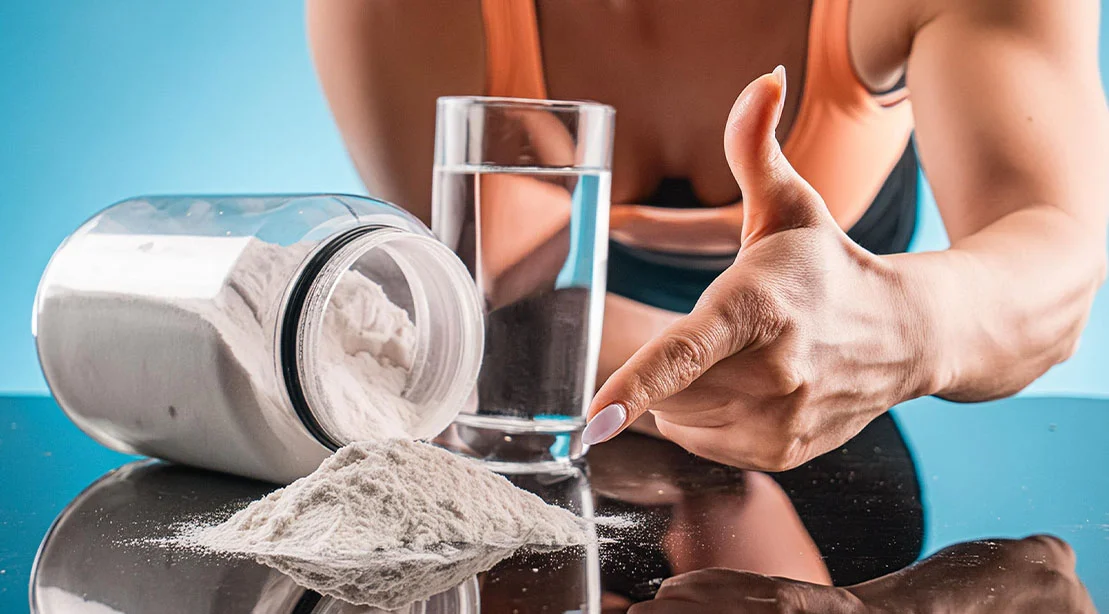
For over three decades, creatine monohydrate has occupied the most unassuming, utilitarian shelf in the supplement aisle. While flashy, neon-labeled canisters promising "anabolic windows" and "hyper-growth matrices" have come and gone, discarded into the dustbin of fitness fads, creatine has remained. It is a simple, chalky white powder—cheap, tasteless, and entirely devoid of the aggressive marketing that characterizes the modern sports nutrition industry.
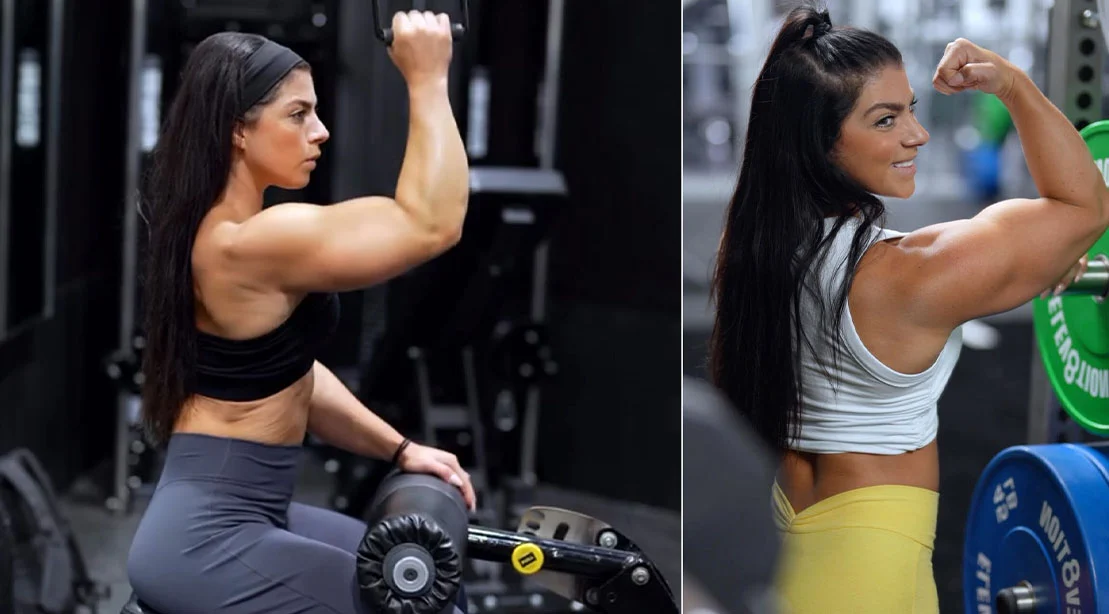
Yet, despite its longevity, creatine has suffered from a persistent branding problem, particularly among women. For years, the supplement was viewed as the exclusive domain of bodybuilders and powerlifters. Today, that narrative is finally shifting as a surge of rigorous, female-specific research begins to dismantle the myths that have kept women from utilizing one of the most effective ergogenic aids in history.
The Main Facts: What Does the Data Actually Say?
The fundamental appeal of creatine lies in its mechanism. It is not a hormone, nor is it a stimulant. It is a naturally occurring compound that facilitates the regeneration of adenosine triphosphate (ATP), the primary energy currency of the cell. During brief, high-intensity bouts of exercise—such as a heavy set of squats, a sprint, or a series of explosive movements—the body relies on stored phosphocreatine to rapidly replenish ATP.
By supplementing with creatine, athletes increase their intramuscular stores of phosphocreatine. The result is a slightly higher capacity for work. It allows an athlete to squeeze out one extra repetition, sustain a higher power output for a few seconds longer, or recover slightly faster between intervals. It is not a magic pill that triggers muscle growth in a vacuum; it is a force multiplier for the work you are already doing in the gym.
A Chronology of Research: The Long Road to Inclusion
For decades, the sports science community relied on studies conducted almost exclusively on men. This created a significant "gender data gap" in exercise physiology. When researchers did include women, they often did so in mixed-sex cohorts, frequently failing to control for hormonal fluctuations across the menstrual cycle, which further muddied the waters.
The turning point began in the early 2020s, as nutrition scientists pushed for more inclusive study designs. The culmination of this effort arrived on September 4, 2026, with the publication of a landmark systematic review and meta-analysis. This study screened over 13,000 academic records to identify 34 high-quality trials involving 692 female participants. By filtering out low-quality data and focusing exclusively on structured training in women, researchers were finally able to provide a clearer picture of efficacy.
The findings were not "earth-shattering"—and that is precisely why they are credible. The analysis identified a small but statistically significant benefit for both athletic performance and body composition. The performance effect size was calculated at 0.30 standardized units, while the body composition benefit sat at 0.24. In the world of sports science, these numbers represent a genuine, reproducible advantage.
Supporting Data: Breaking Down the Performance Metrics
The 2026 meta-analysis covered a diverse range of female athletes, including soccer players, swimmers, volleyball players, and resistance-trained gym-goers. When looking at the data, the results were nuanced.
The Performance Spectrum
- Strength and Power: Participants engaged in resistance training saw improvements in one-rep maxes and overall force production.
- High-Intensity Output: Athletes involved in interval-based sports showed better maintenance of speed and power during repeated-sprint protocols.
- Lean Mass Accumulation: While not a muscle-building drug, creatine’s ability to allow for a higher training volume often leads to a gradual, positive shift in lean body mass over time.
However, the authors of the study were careful to issue a note of caution. They rated the certainty of the overall evidence as "low to moderate." This is not a knock on creatine, but rather a reflection of the heterogeneous nature of the studies. Because the trials varied significantly in dosage (ranging from 3g to 20g protocols), training age, and sport, it is difficult to make a universal, one-size-fits-all claim.
Postmenopausal Health: A New Frontier
Perhaps the most exciting development in recent years is the application of creatine for postmenopausal women. A separate 2026 meta-analysis focused on 608 postmenopausal participants found that creatine was particularly effective in this demographic.
As women age, they face the dual challenges of sarcopenia (muscle loss) and decreased bone density. The study found that when at least 5 grams of creatine daily were combined with a consistent resistance training program, there was a measurable increase in lean mass and improved leg-press strength. For this demographic, creatine is not just a performance aid; it is a viable tool for healthy aging and functional independence.
Debunking the "Bulking" Myth
The primary barrier to female adoption of creatine has historically been fear—specifically, the fear of "getting bulky" or experiencing excessive water weight gain. This fear is rooted in a misunderstanding of human physiology.
Creatine does encourage intracellular water retention—meaning it pulls water into the muscle cell, where it belongs. This is part of what makes the muscle appear fuller and aids in hydration. However, this is fundamentally different from the systemic, subcutaneous water retention or "bloating" that people often associate with processed foods or hormonal fluctuations.
The idea that a woman will accidentally become "enormous" from a daily dose of creatine is, to put it bluntly, fitness industry nonsense. Muscle hypertrophy is a result of progressive overload, hyper-caloric intake, and months or years of intense training. Creatine simply provides the fuel to perform that training more effectively. It will not override the laws of thermodynamics or biology.
Implications: The Role of the Informed Athlete
What does this mean for the everyday athlete? It means we must stop treating supplements as a shortcut and start treating them as an edge.
- Consistency Over Intensity: Creatine is a cumulative supplement. It is not a pre-workout stimulant that you feel 20 minutes after consumption. It requires saturation of the muscles, which takes weeks of daily, consistent usage.
- Training is Mandatory: The research consistently shows that creatine’s benefits are almost exclusively realized when combined with physical stress. Taking creatine while sedentary will yield negligible results.
- Manage Expectations: It is not a fat burner. It is not a hormone regulator. It is not a substitute for sleep, caloric management, or proper protein intake. It is an inexpensive, evidence-based tool that provides a slight, measurable advantage to those who are already putting in the work.
Conclusion: A Shift Toward Evidence-Based Practice
The fitness industry has spent decades trying to sell "miracles" in a bottle. We have seen everything from proprietary "anabolic matrices" to ingredients with names that sound like illicit laboratory experiments. Throughout it all, creatine monohydrate has remained the "boring" constant.
The latest research confirms what we have suspected for a long time: women do not need specialized, pink-labeled "female formulas." They need the same, simple, high-quality monohydrate that has been used for thirty years. As the data continues to mature, it is becoming clear that creatine is perhaps the only supplement that truly lives up to its own hype. It is not a miracle—it is just good, honest science. And for the athlete looking for a safe, reliable way to improve their training outcomes, that is more than enough.