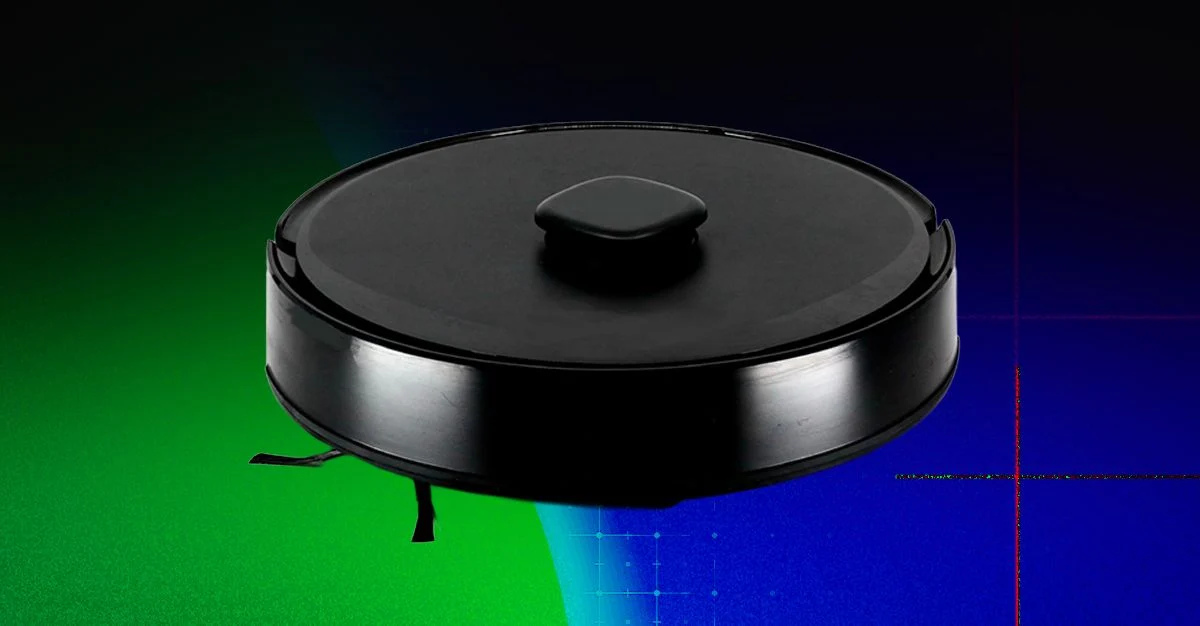
In the corridors of power within Detroit, Stuttgart, and Munich, a familiar, dismissive chuckle has echoed for years whenever the name "Xiaomi" is mentioned. It is the sound of legacy automotive executives—men and women who have spent decades perfecting the internal combustion engine—reminding themselves that their challenger is, fundamentally, a consumer electronics giant known for budget smartphones and robotic vacuums.
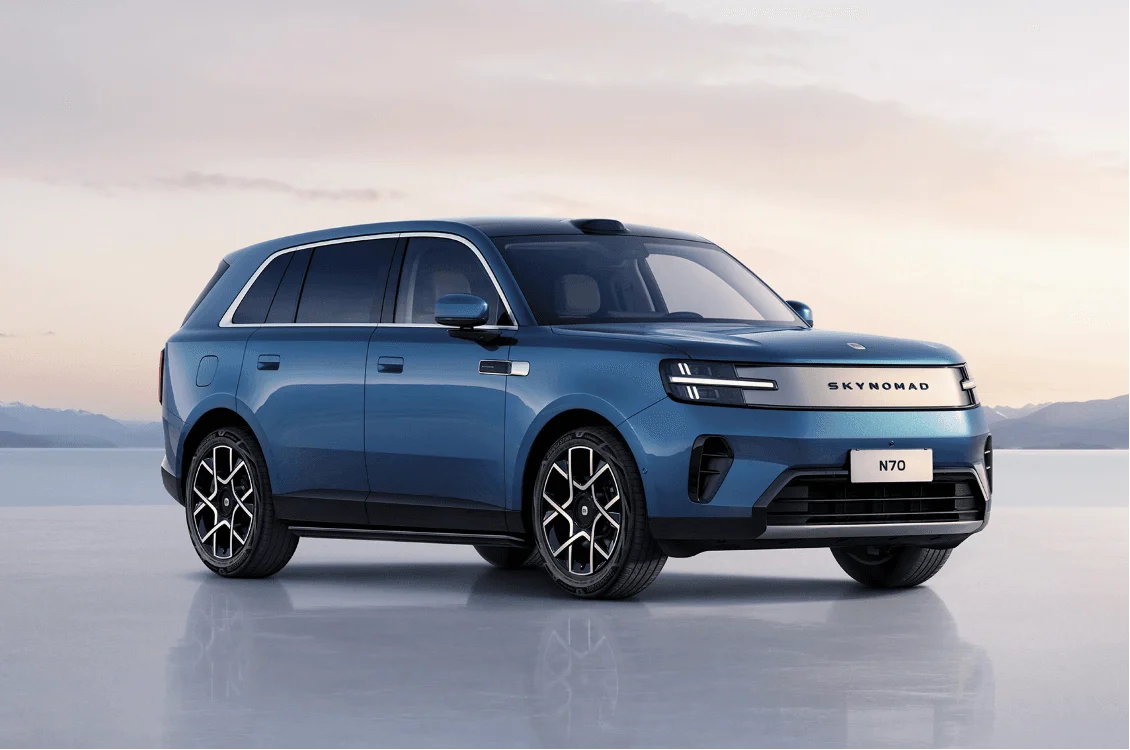
However, as the automotive world stands at the precipice of a total technological overhaul, that laughter is beginning to sound remarkably brittle. The global obsession with Sport Utility Vehicles (SUVs) has created a vacuum in the market, one that Xiaomi is now moving to fill with a level of agility and innovation that makes legacy manufacturers look not just outdated, but fundamentally disconnected from the modern consumer. With the reveal of the SkyNomad N70 and N90 in Beijing, the message is clear: the era of the "tech-enabled car" has arrived, and the tech company is winning.
The Global Pivot: The Death of the Sedan
To understand the significance of Xiaomi’s aggressive expansion, one must look at the shifting tectonic plates of global vehicle preferences. For decades, the SUV has served as the undisputed titan of the automotive industry. It is the segment that defines profitability and market share, accounting for nearly half of all new vehicle sales worldwide.
In the United States, the sedan is effectively a relic. Ford, a pioneer of the American automobile, has completely vacated the traditional sedan market to focus exclusively on trucks and SUVs. While China maintains a stronger affinity for the sedan—with roughly one-third of the market choosing the form—even there, the trajectory is moving toward the elevated, chunky aesthetic of the SUV.
This transition has not been lost on Chinese manufacturers. Companies like BYD, XPeng, and now Xiaomi have identified the Western appetite for oversized, high-riding vehicles and are weaponizing it. By focusing their engineering might on these segments, they are no longer just competing on price; they are competing on lifestyle, utility, and integrated digital ecosystems.
Chronology of a Disruption: From Phones to Fast-Lanes
The rise of Xiaomi Auto is nothing short of a modern industrial miracle. While traditional OEMs spend a decade developing a new platform, Xiaomi has moved with the velocity of a software startup.
- 2024: Xiaomi officially enters the automotive fray, launching its first electric vehicle. Within the same year, the SU7 Ultra captures the title of "World’s Fastest Sedan," a feat of engineering that stunned the industry and signaled that Xiaomi’s hardware was world-class.
- 2025: The "Jaecoo Phenomenon" takes hold in the UK. Often dubbed the "Temu Range Rover," the Jaecoo 7 goes from an unknown entity to a top-selling vehicle, proving that Western consumers are more than willing to embrace Chinese luxury if the value proposition is undeniable.
- Early 2026: Xiaomi reveals the technical specifications and pricing for the SkyNomad N70 and N90 in Beijing.
- 2027 (Projected): The official launch of the Xiaomi Auto ecosystem in European markets, setting the stage for a direct confrontation with the continent’s most storied luxury brands.
Supporting Data: The Anatomy of the SkyNomad
The SkyNomad is not merely a car; it is a mobile computing platform. Built on the proprietary Kunlun platform, the vehicle features a flat-floor design that redefines interior spatial efficiency.
The N90, the flagship seven-seater, features a "Max Studio" camper configuration. With a single touch, the second row transforms into a full-sized bed in 30 seconds. The interior modularity is unprecedented: seats move on floor-mounted rails, front seats rotate 180 degrees to facilitate a lounge-like environment, and the center console is motorized for maximum flexibility. For the "Max Studio" variant, the roof pops up to provide a sleeping loft with 1.8 meters of headroom, heated flooring, and an integrated 30-inch projector screen.

Technical Specifications at a Glance:
- Powertrain: Extended-range plug-in hybrid (1.5L turbo ICE generator + dual electric motors).
- Range: 300+ miles (electric-only); 1,000 miles (combined, CLTC cycle).
- Charging: 20% to 80% in 18 minutes.
- Compute: Nvidia Thor-U chip for Level 2+ autonomous driving.
- Connectivity: Cellular-network-based "unlimited range" walkie-talkie communication between vehicles.
- Sentry Mode: Optimized low-voltage power system allows for 24-hour continuous fridge operation with minimal battery drain.
The pricing is the most jarring component for Western competitors. The entry-level N70 Pro, equipped with lidar, a 14-speaker sound system, and "Italian sofa-grade" seating, is priced at approximately $31,000. For context, this puts a high-tech, luxury-adjacent SUV at the same price point as a mid-tier, internal-combustion-engine Hyundai Tucson.
Official Responses and the Arrogance of Legacy
The silence from the C-suite of major European and American luxury brands is telling. When asked about Xiaomi’s entry into the luxury space, one Western CEO offered only a dismissive laugh, noting, "They make vacuums, don’t they?"
This sentiment is dangerously reminiscent of the 2011 interview where Elon Musk was asked about BYD. Musk laughed at the notion that a Chinese battery-maker could ever threaten Tesla. Today, BYD is the largest seller of EVs in the world, and Musk is not laughing.
The reluctance of Western executives to treat Xiaomi as a legitimate threat stems from a deep-seated bias toward "heritage." They believe that brand equity and long-standing manufacturing traditions are shields against disruption. However, in an era where software-defined vehicles (SDVs) are replacing mechanical ones, these traditions are becoming millstones. Consumers are no longer asking for a 100-year history of engine refinement; they are asking for seamless connectivity, modular living spaces, and rapid-charging performance at a fraction of the cost.
The Implications: A Reckoning for the Global Market
The arrival of the SkyNomad represents a fundamental existential crisis for the global automotive industry. Western brands currently prioritize incremental updates—scent sprays, minor massage seat functions, and slightly refined console sliders—while their Chinese counterparts are effectively turning cars into rolling smart homes.
The implications for the European and US markets are severe:
- The "Lazy" Gap: If a $31,000 SUV offers more interior innovation than a $100,000 luxury flagship, the market will eventually correct itself. Western brands must pivot toward radical interior innovation or risk obsolescence.
- The Infrastructure Challenge: Xiaomi’s focus on cellular-based communication and energy-efficient "sentry modes" highlights that they are building for a future of connected, always-on infrastructure. Western OEMs are still struggling to integrate basic software updates.
- The Pricing Floor: Xiaomi’s aggressive pricing strategy creates a "price floor" that will be nearly impossible for companies with high overheads and legacy labor costs to match. The result will likely be a series of strategic failures and, potentially, the consolidation of the Western auto industry through mergers and desperate partnerships.
Conclusion: The Clean-Up
Xiaomi is not merely attempting to sell cars; they are attempting to define the "third living space." By treating the vehicle as a digital appliance, they have stripped away the pretension of the traditional luxury market and replaced it with tangible, consumer-focused utility.
The Western automotive industry is at a crossroads. They can continue to hide behind the myth of their own superiority and the assumption that the "vacuum cleaner company" lacks the engineering pedigree to build a car. Or, they can look at the SkyNomad, analyze its features, and realize that the ground has shifted beneath them. Xiaomi is coming to clean up the market, and if the early sales figures and technological leaps are any indication, they are well-equipped for the task. The question is no longer whether they will succeed, but how many legacy brands will remain standing when the dust settles.