Introduction: A Global Commitment to River Safety
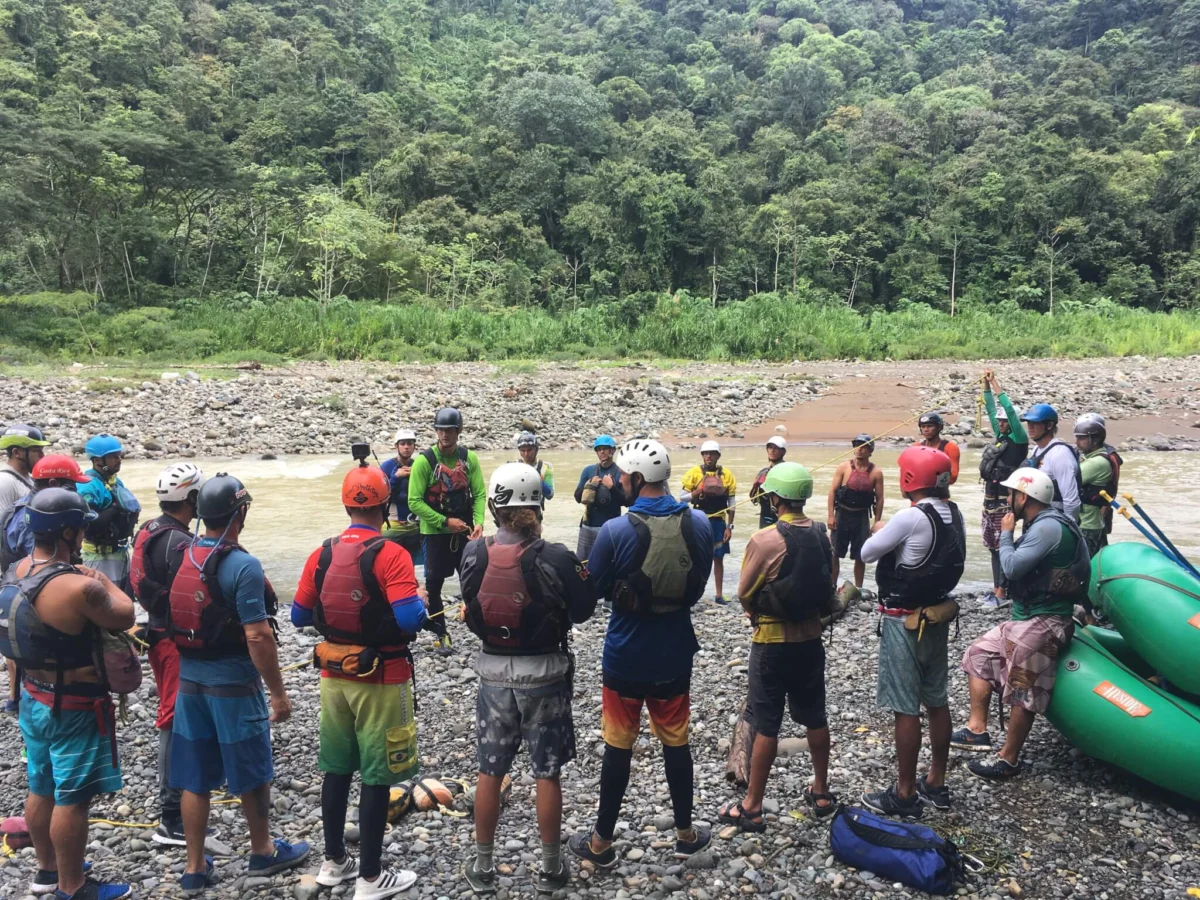
The world of professional whitewater rafting is often perceived as a leisure pursuit, but for those behind the oars, it is a high-stakes environment demanding constant vigilance, elite physical conditioning, and an intricate understanding of fluid dynamics. Recently, Whitewater Rescue Institute (WRI) instructor Paul Heffernan and I concluded an intensive five-day swiftwater rescue training program in Costa Rica, working alongside 50 of the nation’s most dedicated river guides.
This collaboration was not merely a classroom exercise; it was a deep dive into the logistical, communicative, and physical realities of managing emergencies in remote, rugged, and often inaccessible tropical environments. By blending international safety standards with the local expertise of Costa Rican professionals, the program underscored a fundamental truth: the best way to manage a river rescue is to be so well-prepared that the rescue itself is executed with precision, speed, and safety.
The Core Objectives: Bridging the Gap
The training initiative was designed to address the unique challenges faced by Costa Rican rafting operators. In many regions of the country, the beauty of the rivers—such as the pristine Rio Sevegre—is matched by the isolation of the surrounding terrain. Emergency response in these areas is frequently hampered by limited cellular connectivity, a lack of specialized medical resources in the immediate vicinity, and the logistical nightmare of navigating dense, tropical geography.
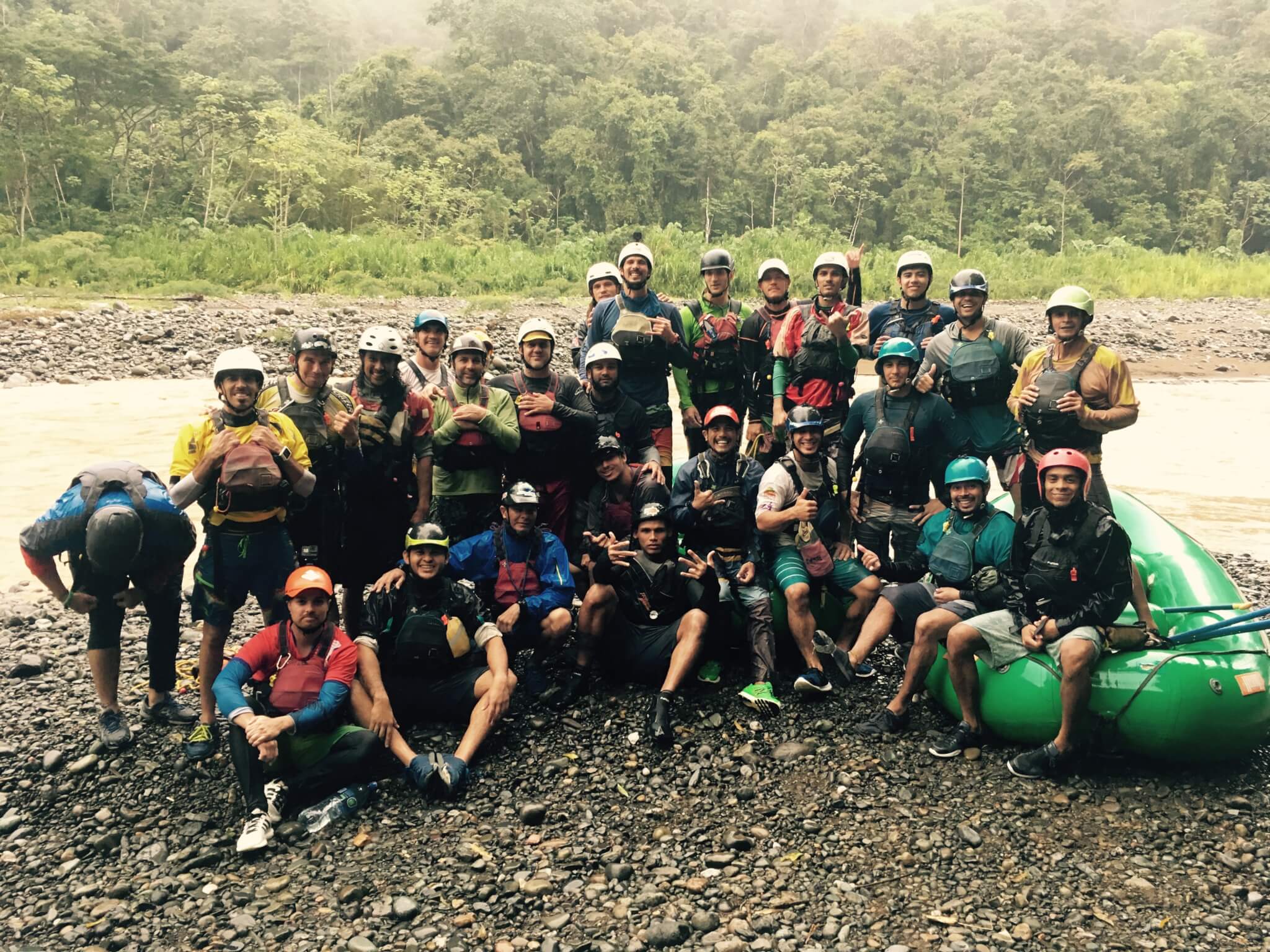
Our primary mission was to standardize the approach to river rescue, focusing on five critical pillars:
- Hydrology and Risk Management: Understanding how water interacts with obstacles.
- Technical Equipment Proficiency: Mastering the tools of the trade, from throw bags to mechanical advantage systems.
- Rescue Organization: Implementing the Incident Command System (ICS) in a river environment.
- Emergency Planning: Developing standardized protocols for commercial operations.
- Medical Stabilization: Ensuring that guides, many of whom are certified EMTs or Wilderness First Responders (WFR), can bridge the gap until professional medical services arrive.
Chronology of the Training: From Theory to Reality
Days 1-2: Foundation and Framework
The program commenced in Quepos, where the focus was on the "mental" side of rescue. We engaged in extensive dialogue regarding the principles of river safety. For the 50 guides present, this was a moment to deconstruct their daily routines and re-examine them through the lens of risk mitigation. We established protocols for signal communication—specifically hand and whistle signals—to overcome the noise of the river and the limitations of digital communication.
Days 3-5: The Rio Sevegre Intensive
The subsequent four days were held on the Rio Sevegre, a river of exceptional beauty but one that presents complex hydraulic challenges. Here, the theory met the current. The guides began with "defensive and aggressive" swimming techniques, mastering the art of self-rescue before moving to the rescue of others.

We utilized the LAST framework (Locate, Access, Stabilize, and Transport) as the backbone of our training. By rotating roles—switching between rescuer, victim, and safety monitor—the participants gained a holistic understanding of how a scene develops and, more importantly, how quickly it can deteriorate if command and control are not established early.
Supporting Data: The Progression of Risk
A significant portion of our training was dedicated to the "Progression of Risk" model: Hello, Reach, Throw, Row, Tow, and Go.
This hierarchy is essential for maintaining the safety of the rescuer. By reinforcing this progression, we ensure that guides do not leap into a "Go" scenario—which involves entering the water to perform a contact rescue—without first exhausting lower-risk options. In the high-stakes environment of a commercial rafting trip, the impulse to save a guest can sometimes lead to a secondary tragedy. Our training emphasized that a rescuer who becomes a victim doubles the burden on the remaining team.

Technical Skill Sets
The curriculum moved into the technical realm, covering:
- Mechanical Advantage: Implementing Z-drags and other pulley systems to unpin boats or move heavy debris.
- Anchoring Systems: Selecting and building secure points for rope systems.
- Shallow Water Crossings: Navigating turbulent shallows where a slip could result in a foot entrapment.
Official Perspectives and Professional Insights
The caliber of the guides participating in the course was world-class. Many of these professionals spend nearly 300 days a year on the river, developing an intuitive sense of hydrology that is difficult to replicate in a laboratory setting.
"The integration of professional, standardized rescue training with the intuitive, local knowledge of the Costa Rican guides created a unique synergy," noted Paul Heffernan during one of our post-scenario debriefs.

During these debriefs, which followed each mock scenario, we utilized the Incident Command System (ICS). We discovered that the most common failure point during an emergency wasn’t a lack of technical skill, but a lack of a designated leader. By training the guides to immediately appoint a team leader at the onset of an incident, we significantly improved the efficiency of the rescue, the clarity of communication, and the speed of patient stabilization.
Implications for Commercial Rafting Operations
The lessons learned on the Rio Sevegre have direct, life-saving applications for the commercial rafting industry in Central America and beyond. The most vital takeaway was the necessity of Pre-Trip Briefings.
A robust pre-trip briefing must go beyond the standard "how to paddle" instructions. It must now include:

- Conditions Update: Assessing the current flow and identifying new hazards (e.g., recent wood fall).
- Resource Inventory: Verifying the placement of first aid kits and rescue gear within the flotilla.
- Communication Protocol: Establishing a primary and secondary evacuation plan.
- Spacing and Formation: Identifying lead and sweep boats to ensure the group remains a cohesive unit.
By treating every commercial trip as a potential rescue mission, companies can transition from a reactive posture to a proactive, preventative one.
Conclusion: A Culture of Safety
The training concluded with a profound sense of mutual respect. The Costa Rican guides, representing organizations such as Amigos del Rio, Pro Rafting, Unique Tours, and H2O Adventures, demonstrated an extraordinary commitment to the safety of their guests and their peers.
The "Pura Vida" spirit of Costa Rica is often associated with relaxation, but on the river, it is clearly defined by a commitment to life, community, and professionalism. By preparing for the "worst-case scenario," these guides are not living in fear of the river; rather, they are mastering it. This heightened level of situational awareness is the hallmark of a true river professional.

We would like to extend our deepest gratitude to the team at Rafiki Safari Lodge—specifically Loki, Randall, Kenneth, and Allan—for their logistical mastery, which made this training not only possible but highly effective. As we look to the future of swiftwater rescue, it is clear that the international exchange of knowledge is the most effective tool we have to ensure that the thrill of whitewater rafting remains a safe and sustainable experience for everyone involved.
Pura Vida!