As the summer of 2026 reaches its zenith, the night sky is set to host an astronomical spectacle of historic proportions. The annual Perseid meteor shower, long considered the crown jewel of the celestial calendar, is approaching its peak. This year, however, the event carries extra weight, as it aligns with a rare total solar eclipse on August 12, creating a 48-hour window of unprecedented astronomical activity. With the moon phase perfectly timed to provide a pitch-black canvas, observers worldwide are preparing for one of the most significant stargazing opportunities of the 21st century.
Main Facts: A Convergence of Cosmic Proportions
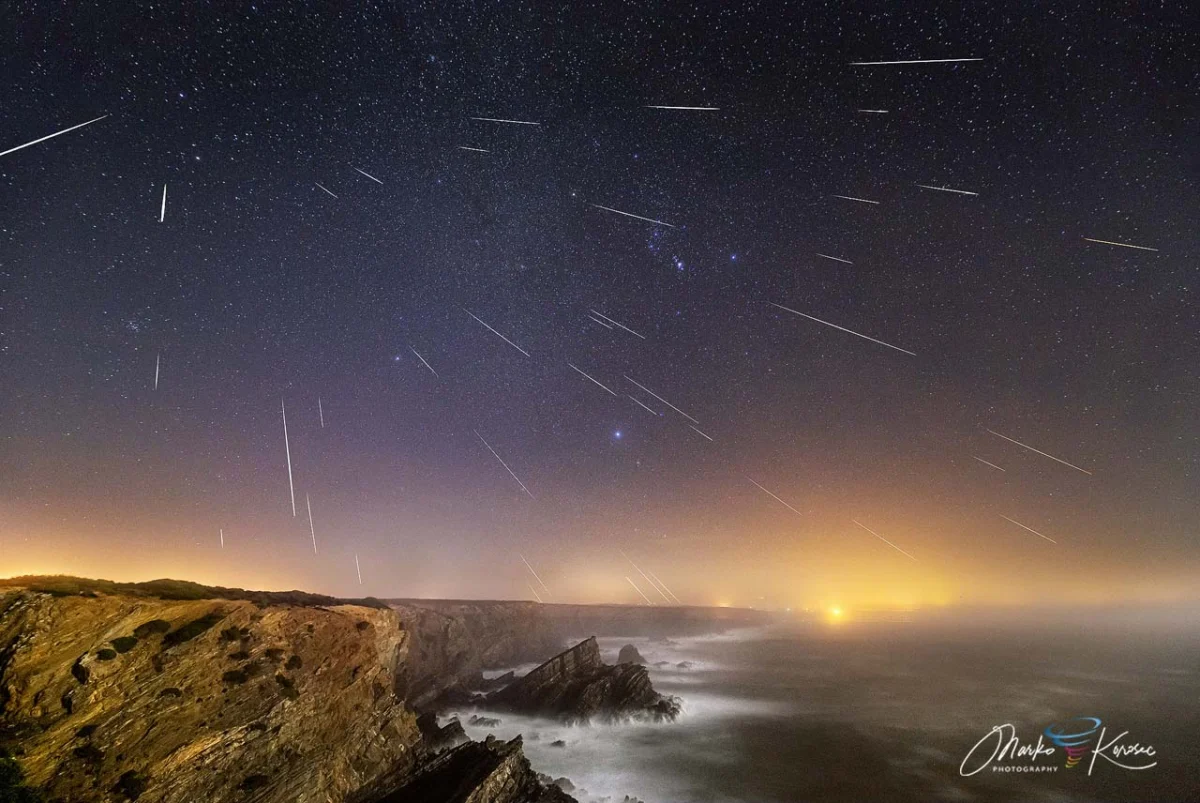
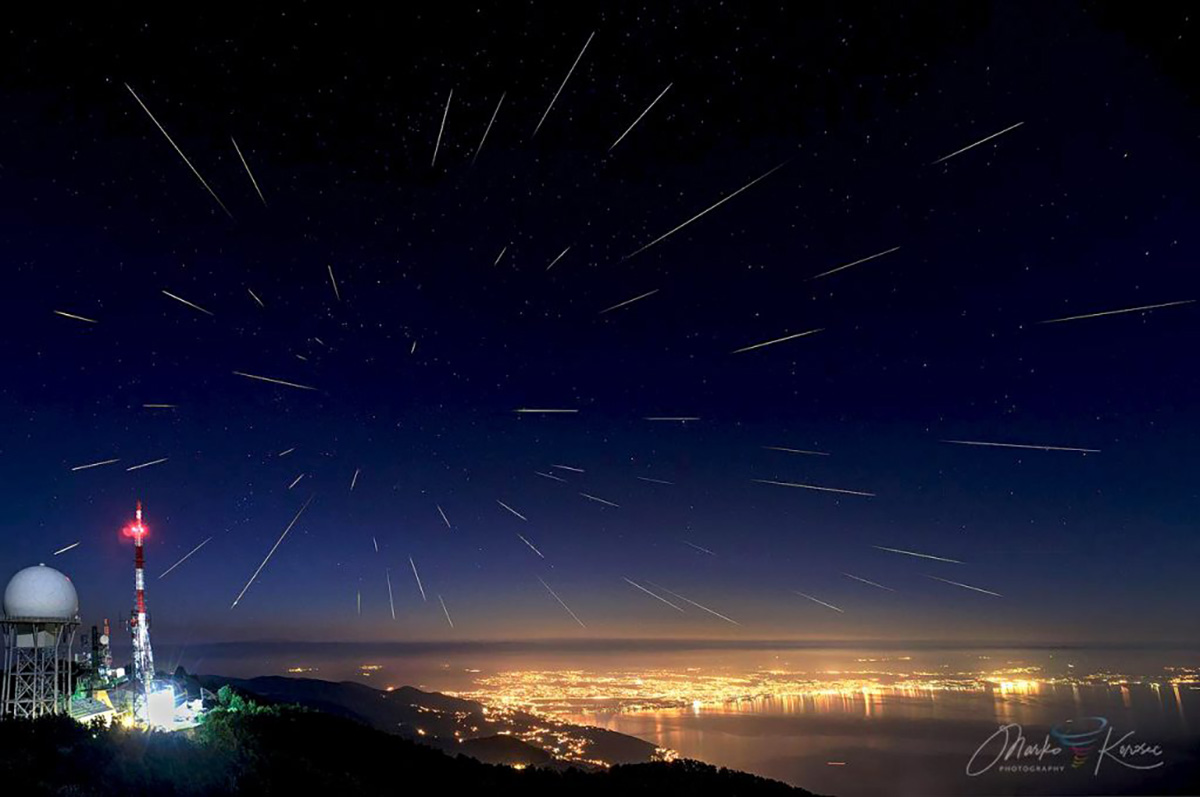
The Perseid meteor shower is the result of the Earth passing through the debris trail of the periodic comet 109P/Swift-Tuttle. As our planet plunges into this cloud of ancient ice and dust, these particles—often no larger than a grain of sand—strike our atmosphere at velocities exceeding 59 kilometers per second. Upon entry, the friction of the atmosphere causes them to incinerate, creating the brilliant streaks of light we identify as "shooting stars."

This year, the Perseids are expected to peak between the night of August 12 and the early morning of August 13. Astronomers project a Zenithal Hourly Rate (ZHR) of up to 100 to 120 meteors per hour under ideal, dark-sky conditions. What makes the 2026 display truly extraordinary is the near-total absence of moonlight. Because the peak coincides with the New Moon, there will be zero lunar interference to wash out the fainter, more ethereal streaks.
Simultaneously, the solar system offers a daytime companion to this nighttime show. On August 12, a total solar eclipse will track across the Northern Hemisphere, crossing Greenland, Iceland, and Spain. This alignment of a total solar eclipse and the peak of a major meteor shower is a statistical rarity that has captured the attention of both the amateur astronomy community and professional researchers.
Chronology of the 2026 Peak
The Perseids are a long-duration event, with activity beginning in mid-July and extending through late August. However, the crescendo occurs in a narrow temporal window.
- August 10–11: The "ramp-up" phase. Earth begins to enter the denser regions of the Swift-Tuttle debris field. Observers can expect a noticeable increase in sporadic meteors, with the radiant point—the constellation Perseus—becoming more prominent in the northeastern sky.
- August 12 (Daytime): The path of totality for the solar eclipse sweeps across the North Atlantic and Europe. While the eclipse is a daytime phenomenon, it provides a unique opportunity for scientific observation of the corona and atmospheric cooling.
- August 12 (Evening): As dusk falls, the radiant point in the constellation Perseus begins its ascent. The absence of a moon ensures that even the earliest meteors will be visible.
- August 13 (02:00 UTC): The official predicted peak of the meteor shower. For European observers, this is the "golden hour," where the radiant is high in the sky, maximizing the number of visible meteors.
- August 13 (Pre-dawn): The final window for optimal viewing. As the Earth rotates into the "front" of its orbital path, the frequency of meteor impacts typically increases, offering one last surge of activity before the sun rises.
Supporting Data and The Science of "Tears of St. Lawrence"
Historically dubbed the "Tears of St. Lawrence," the Perseids have been documented for centuries. The science behind the shower is a testament to the persistent nature of orbital debris. The parent body, 109P/Swift-Tuttle, is a large comet with a nucleus about 26 kilometers in diameter. It orbits the Sun once every 133 years. Every time it nears the Sun, it sheds a significant amount of material, which remains in a stable orbital stream.
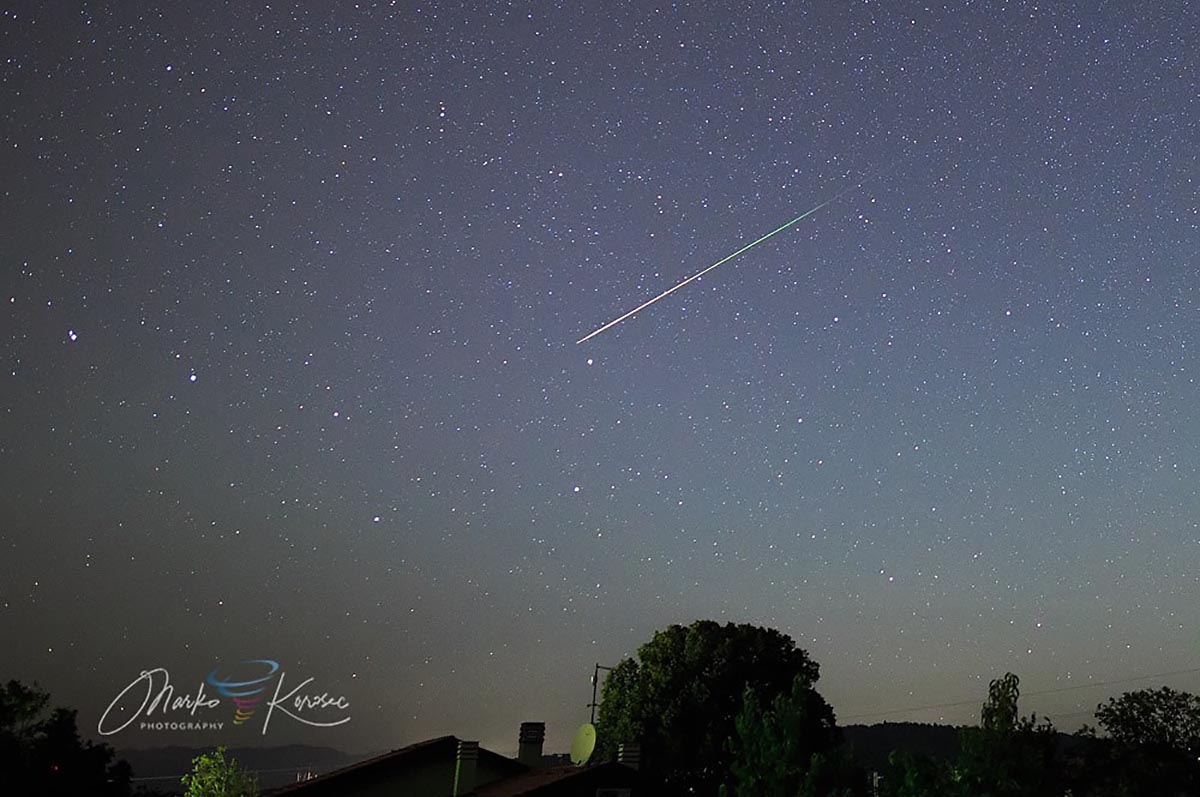
The intensity of a meteor shower is measured by the Zenithal Hourly Rate (ZHR). It is crucial to understand that ZHR is a theoretical value; it assumes the observer is under a sky with a limiting magnitude of 6.5 (meaning the faintest stars are visible) and the radiant is directly overhead. In practice, the number of meteors seen by an individual depends on light pollution, atmospheric clarity, and the elevation of the radiant.
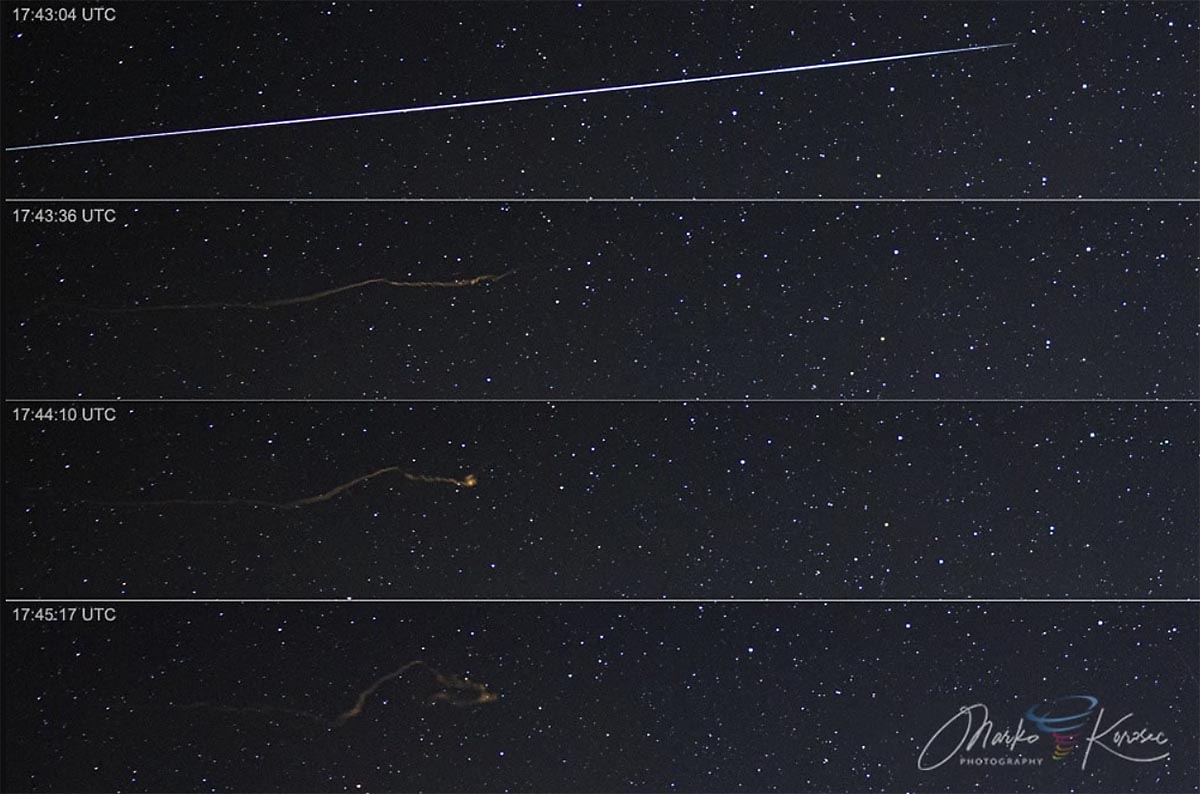
The Perseids are particularly famous for their "fireballs"—meteors that are brighter than Venus. These are caused by larger particles, sometimes the size of a pebble, that produce long-lasting, luminous trails. These trails are essentially ionized gas that persists in the upper atmosphere, sometimes contorting and twisting due to high-altitude winds for several seconds after the meteor itself has vanished.
Photography: Capturing the Fireballs
For those wishing to document the event, the 2026 conditions are near-perfect. However, meteor photography is a game of patience and preparation. To capture the best images, professional photographers recommend the following:
- The "Wide-Angle" Advantage: Use a fast, wide-angle lens (f/2.8 or lower). A wider field of view increases your chances of catching a meteor as it streaks across the frame.
- Stability is Paramount: A sturdy tripod is non-negotiable. Even the slightest vibration will ruin a long-exposure shot.
- The Intervalometer Technique: Do not try to catch the meteor by hand. Set your camera to take continuous, 15- to 30-second exposures. By automating this, you can let the camera run for hours, essentially "fishing" for meteors while you enjoy the show with your own eyes.
- ISO and Aperture: Start with an ISO of 1600–3200, depending on your camera’s noise performance, and keep the aperture as wide as possible.
- Location Scouting: Light pollution is the enemy. Move at least 50 kilometers away from urban centers. Elevated locations, such as mountain ridges or hills, are preferred as they put you above some of the lower-altitude haze and humidity.
Implications and Professional Observations
The dual nature of the 2026 event—the solar eclipse and the Perseid peak—provides a rare "all-day" scientific focus. Professional meteor networks, such as the International Meteor Organization (IMO), use this time to map the density of the Swift-Tuttle stream. By comparing data from observers across different continents, researchers can refine their models of how planetary gravity affects the distribution of cometary dust over time.
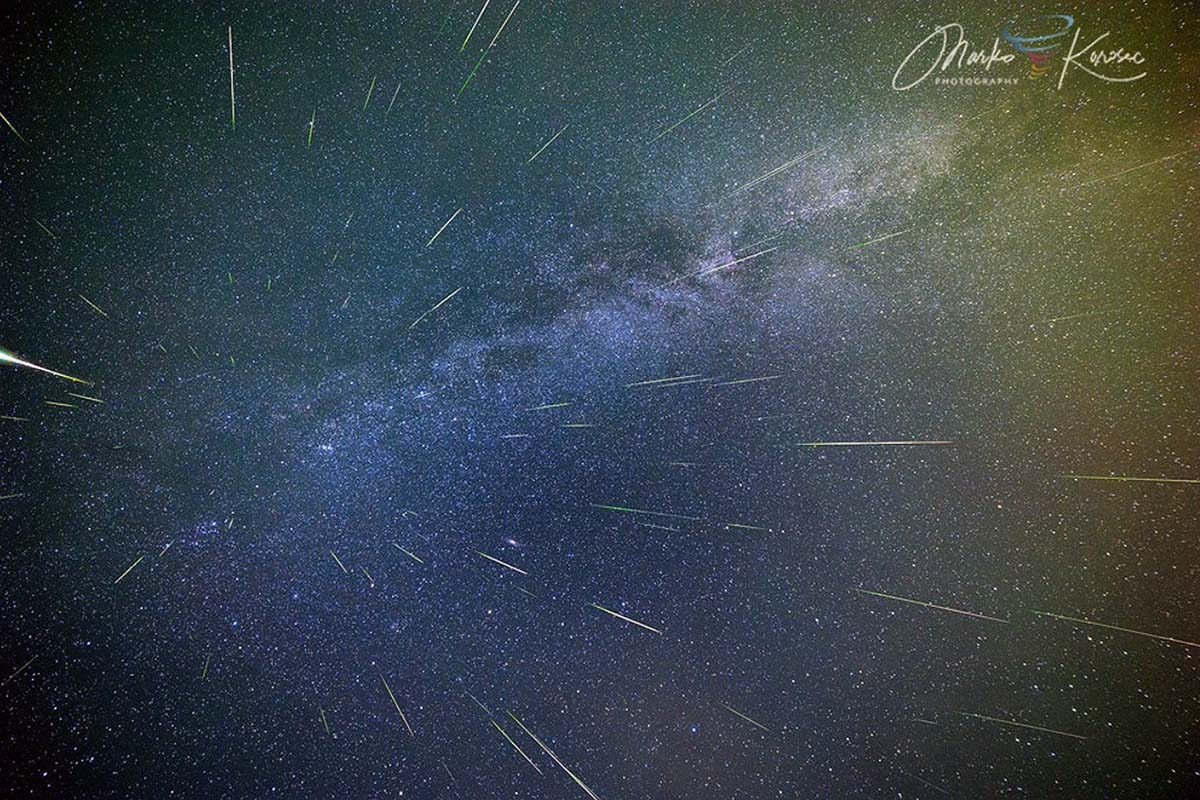
Furthermore, the lack of moonlight provides an excellent opportunity for "citizen science." Amateur astronomers are encouraged to report their hourly counts to global databases. These reports help verify if the debris stream is "clumpy" or uniform, which in turn informs our understanding of the history of the Swift-Tuttle comet itself.
Expert Guidance: Preparing for the Night
For observers in North America, the peak occurs earlier in the day, meaning the best viewing will be in the hours after midnight on the night of the 12th into the 13th, as the constellation Perseus rises. For those in Europe, the timing is near-optimal, with the peak occurring in the middle of the night.
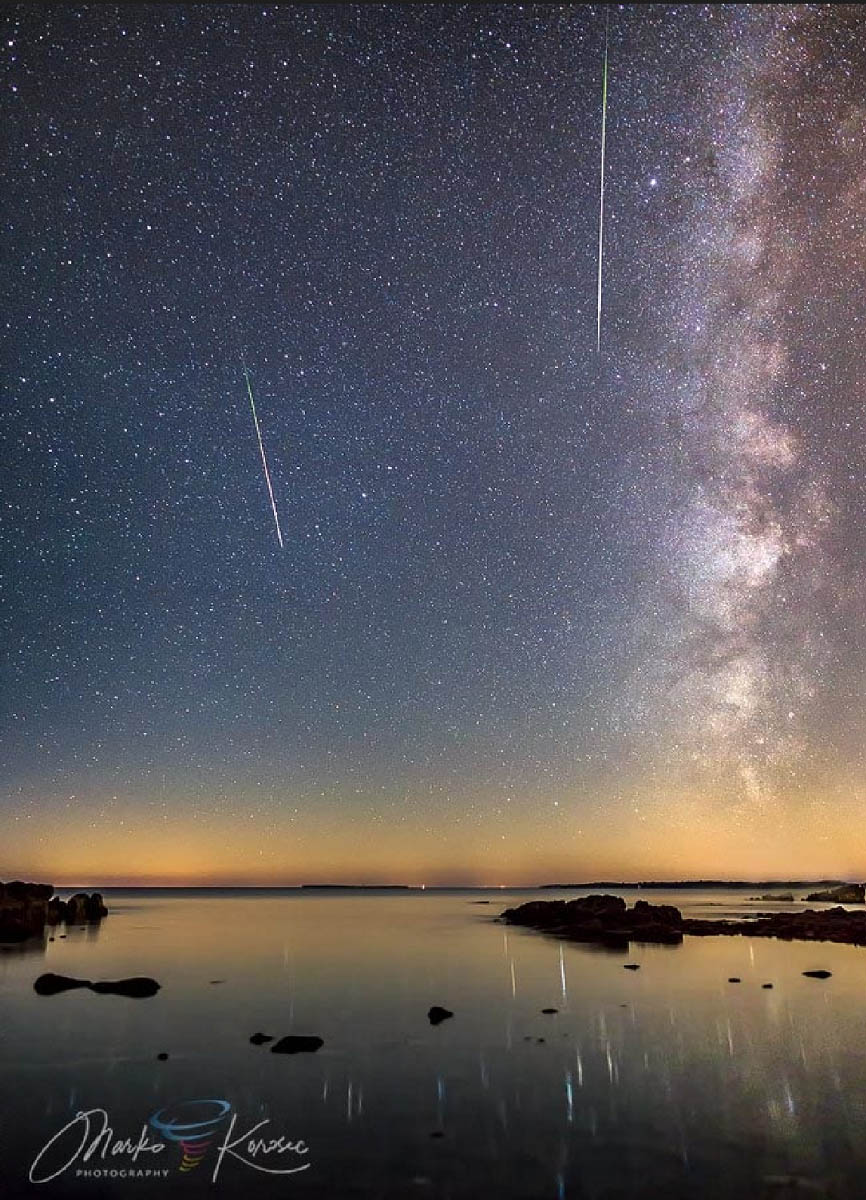
Regardless of your location, the advice from the global astronomical community remains the same:
- Dress Warmly: Even in August, mountain temperatures can plummet at night.
- Give Your Eyes Time: It takes approximately 20 to 30 minutes for human eyes to fully adapt to the dark. Avoid looking at your phone or any artificial light during this time.
- Find a Dark Horizon: You do not need to look directly at the constellation Perseus. Meteors can appear anywhere in the sky. Simply lay back in a reclining chair and take in as much of the sky as possible.
As we look toward August 2026, the convergence of these events serves as a humbling reminder of our place in the cosmos. Whether you are a seasoned astrophotographer or a curious family looking to the stars for the first time, the 2026 Perseids promise a display of natural fireworks that, once witnessed, are never forgotten. As the old saying in astronomy goes: "Clear skies are the only variable we cannot control, but they are the only one that truly matters." Prepare your gear, find a dark horizon, and witness the majesty of the Perseids.