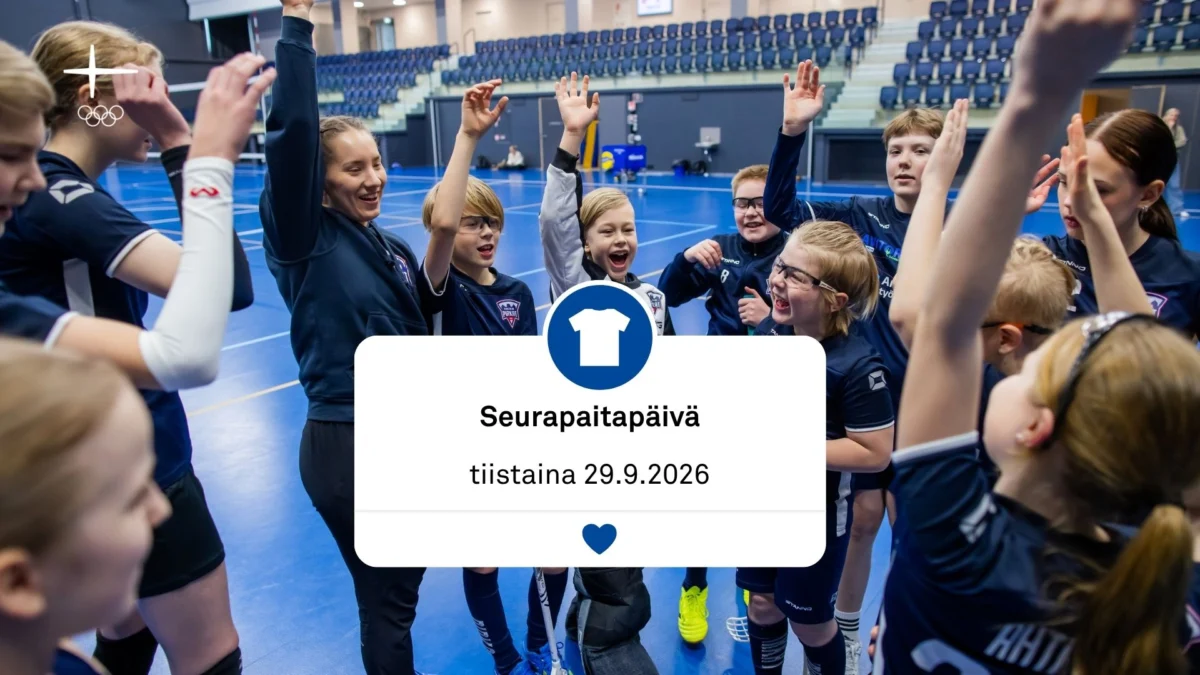
On Tuesday, September 29, Finland will once again transform into a vibrant tapestry of colors, logos, and emblems as the nation celebrates Seurapaitapäivä (Club Shirt Day). This annual event, championed by the Finnish Olympic Committee, serves as a poignant reminder of the vital role that local sports clubs play in the fabric of Finnish society. From the smallest rural village to the bustling center of Helsinki, thousands of citizens will trade their professional attire or school uniforms for the colors of the teams that have shaped their lives.
The Essence of the Movement: Why We Celebrate
Seurapaitapäivä is more than a social media trend or a casual dress day. It is a national expression of gratitude toward the "third sector" of Finnish sports—the grassroots volunteer-driven organizations that provide a home for athletes of all ages.
The initiative seeks to make visible the immense, often invisible, labor of coaches, team managers, parents, and volunteers who ensure that sports remain accessible, community-oriented, and inclusive. By wearing a club shirt, participants signal their belonging to a community that fosters physical health, social connection, and the pursuit of excellence.
Chronology: From Local Initiative to National Phenomenon
The origins of Seurapaitapäivä lie in the desire to strengthen the bond between the individual and their athletic "home." In its early iterations, the movement was a modest call-to-action within the Olympic Committee’s networks to boost team spirit. However, the event’s resonance was immediate.
- The Early Years: Initial campaigns were limited to social media threads where club members would post group photos on training days.
- The Institutionalization: Recognizing the potential for a broader cultural impact, the Finnish Olympic Committee adopted the day as a permanent fixture on the national calendar.
- The Pandemic Shift: During the COVID-19 pandemic, when physical gatherings were restricted, the day took on a new meaning. It became a digital beacon, proving that the sense of "club spirit" could survive even when physical training sessions were suspended.
- Present Day: The event has now expanded beyond the sports field, finding its way into corporate offices, classrooms, and government buildings, effectively bridging the gap between professional life and personal passions.
Supporting Data: The Vitality of Finnish Sports Clubs
To understand the significance of this day, one must look at the numbers. Finland boasts one of the most robust sports club systems in the world. According to the latest data from the Finnish Olympic Committee:
- Scope of Participation: Nearly 1.5 million Finns are members of a sports club.
- Economic Impact: Grassroots sports generate significant health-care savings by promoting active lifestyles from a young age.
- Volunteer Force: Over 500,000 volunteers contribute their time annually, making Finnish sports clubs the largest hobbyist movement in the country.
- Community Density: There are over 10,000 registered sports clubs in Finland, meaning that regardless of geography, there is a "home" for almost every citizen.
These statistics underscore the gravity of Seurapaitapäivä. When a citizen dons their shirt, they are not just wearing a piece of polyester; they are representing a massive, nationwide network that supports the physical and mental well-being of the population.
Official Responses: The Voice of Leadership
The Finnish Olympic Committee views the day as a strategic opportunity to remind policymakers and the public of the necessity of continued support for the voluntary sector.
"The club shirt is a symbol of our shared values," says an Olympic Committee spokesperson. "It represents the hours spent on the pitch, the lessons learned in defeat, the joy of victory, and the lifelong friendships forged in the locker room. When we see the country wearing these shirts on September 29, we see the true strength of Finland."
Leaders in various municipalities have also thrown their support behind the event. Mayors and local councilors are encouraged to participate, reinforcing the message that local government and local sports clubs are partners in creating a livable, active, and healthy society. By fostering an environment where sports clubs can thrive, these local governments ensure that the next generation of athletes has the infrastructure needed to succeed.
Implications: The Long-term Social Impact
The impact of Seurapaitapäivä extends far beyond the 24 hours of the celebration. Its implications are felt throughout the year in several key areas:
1. The Fight Against Loneliness
In an increasingly digital and isolated world, the sports club remains one of the few physical spaces where multi-generational interaction occurs. The event highlights this, reminding people that they are part of a support system. If a person feels isolated, the club shirt serves as a conversation starter—a way to connect with others who share a similar passion.
2. Encouraging Inclusivity
The movement has made a conscious effort to include non-traditional sports and hobbyist clubs. It is not limited to elite hockey or football clubs. Dance groups, gymnastics clubs, martial arts dojos, and even gaming leagues are encouraged to participate. This broadens the definition of "athlete" and ensures that everyone, regardless of their preferred activity, feels validated and seen.
3. Sustainability and Second-hand Culture
As part of the modern celebration, organizers have begun promoting the "circularity" of club shirts. Rather than buying new, participants are encouraged to wear jerseys that have been handed down through families or purchased from club-run second-hand shops. This aligns with Finland’s broader sustainability goals, teaching younger generations that their club identity is rooted in the history of the shirt, not its brand-new condition.
How to Participate: A Guide for the Community
Participation is designed to be accessible to everyone, regardless of their current athletic status.
- Dress the Part: Whether it is a professional jersey, a simple practice t-shirt, or even a hoodie with your club’s logo, the goal is visibility.
- Take it to Work/School: Don’t just wear it to the gym. Wear it to the office or the classroom. This prompts discussions about the importance of hobbies and work-life balance.
- The Digital Wave: Use the official hashtags and share your story. Why does your club matter to you? Was it the coach who mentored you during a hard time? Was it the team that welcomed you when you moved to a new city? These stories are the heart of the campaign.
- The Challenge: Challenge your network. Tag your family, your coworkers, and your former teammates. The goal is a "domino effect" of club pride that stretches across the digital landscape.
Conclusion: A Celebration of Shared Identity
As September 29 approaches, the message is clear: the sports club is the bedrock of Finnish community life. Seurapaitapäivä serves as a symbolic bridge between the past, present, and future of the Finnish sports movement. It celebrates the legacy of the volunteers who built these clubs, the current participants who keep them alive, and the future generations who will find their path through these organizations.
Whether you are a seasoned veteran of your club or a casual fan who visits the rink once a month, wearing your shirt on this day is a powerful gesture. It says that you are part of something larger than yourself. It says that you value the communal, the local, and the human connection that only sports can provide.
So, on September 29, check your closet, find that shirt, and wear it with pride. By doing so, you are participating in a nationwide movement that affirms the importance of being active, being together, and being part of the team. Join the movement—wear your heart on your sleeve, and show the world which club makes your heart beat faster.