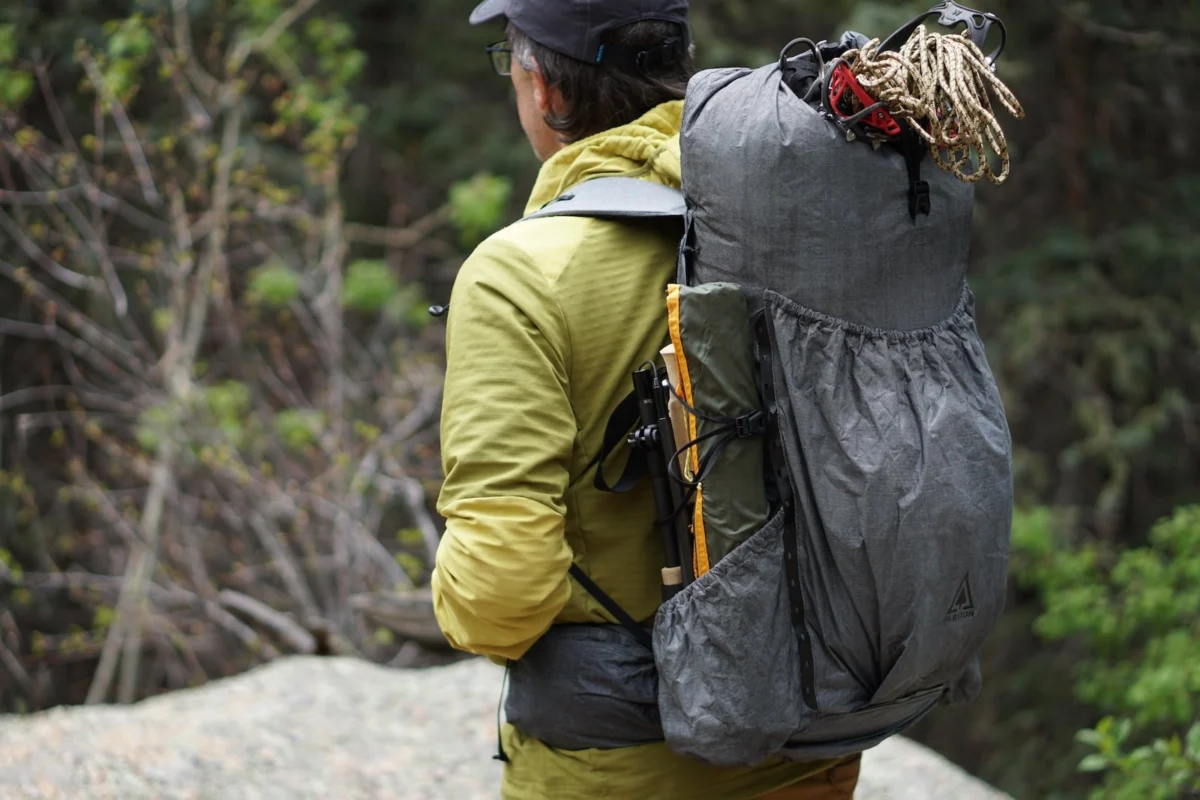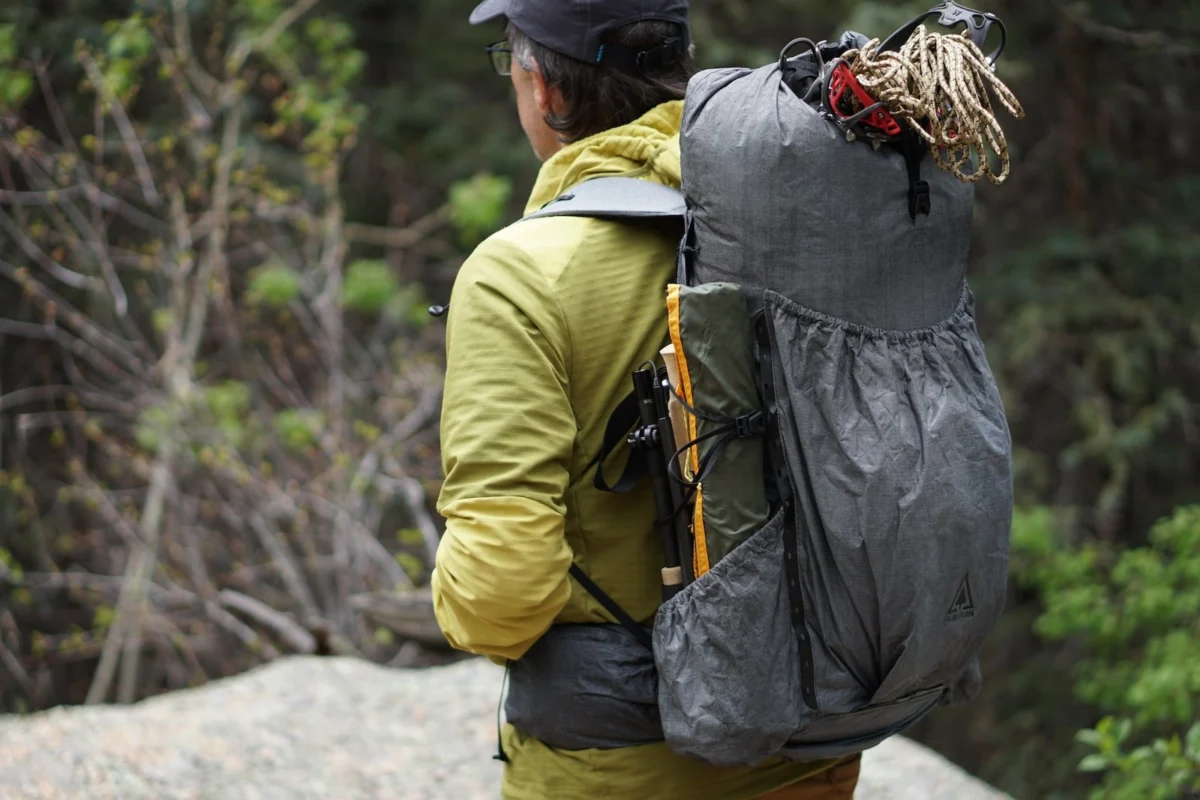
In the rarefied air of the ultralight (UL) backpacking community, the Durston Wapta 30 arrives not merely as another piece of gear, but as a challenge to the established orthodoxy of the frameless pack. Weighing in at approximately 14 ounces and utilizing the cutting-edge Aluula Graflyte fabric, the Wapta 30 occupies a curious niche: it offers the weight profile of a minimalist summit pack while promising the "refinement" and "comfort" typically reserved for heavy-duty, framed trekking gear.
But does this refinement translate to mechanical reality? For the discerning hiker, the question is not whether the pack is comfortable, but whether its structural design—or lack thereof—actually achieves the holy grail of load transfer from the shoulders to the hips.
Main Facts: An Anomaly in Ultralight Design
The Durston Wapta 30 is defined by its hybrid identity. By incorporating a padded hip belt, an articulated back panel, and a sophisticated multi-pocket layout, it attempts to bridge the gap between "fast-and-light" minimalism and traditional backpacking ergonomics.
Key Specifications:
- Weight: ~14 oz (400g)
- Volume: 30 Liters (Internal)
- Material: Aluula Graflyte (A high-modulus, ultra-durable composite)
- Carry Capacity: Rated for 25 lbs (11 kg)
- Suspension: Frameless, featuring dual vertical foam pads and an ergonomic harness.
The central narrative surrounding the Wapta 30—promoted by manufacturer copy and echoed in early enthusiast reviews—focuses heavily on the pack’s "suspension" capabilities. However, a rigorous analysis suggests that the pack’s success lies more in its stability and harness geometry than in the mechanical load-transfer properties associated with internal-frame backpacks.
Chronology of Development and Market Positioning
The evolution of the Wapta 30 is a microcosm of the broader shifts in ultralight manufacturing over the last five years. Following the industry’s pivot toward high-modulus fabrics like Dyneema Composite Fabric (DCF) and now Aluula, Dan Durston’s design philosophy has consistently prioritized the integration of user feedback into "refined" iterations of classic concepts.
- Phase 1: Conceptualization: Durston identified a "suspension gap" in the 25–30 liter market. Most frameless packs in this weight class prioritize simple, bag-like structures that lack intentional harness-to-hip coupling.
- Phase 2: Prototyping: The shift toward Aluula Graflyte allowed for a higher strength-to-weight ratio, enabling more complex pocket configurations (such as the dual shoulder pockets) without the typical weight penalty.
- Phase 3: Beta Testing: Extensive field testing, including mountain kits comprising 3-season insulation, solo tents, and snow-scrambling equipment, confirmed that the pack could comfortably handle loads in the 22–29 pound range.
- Phase 4: Commercial Release: The pack entered the market with a promise to solve the "bouncing" and "digging" issues inherent in traditional frameless packs.
Supporting Data: Comparative Analysis of Suspension Architectures
To understand where the Wapta 30 sits in the pantheon of UL gear, we must compare it against established archetypes. The following data highlights the structural differences between the Wapta and its contemporaries.
| Pack | Structure | Load Transfer Mechanism | Primary Emphasis |
|---|---|---|---|
| Durston Wapta 30 | Frameless | Harness/Torso Coupling | Stability & Ergonomic Fit |
| Gossamer Gear Mirage 40 | Carbon X-Frame | Direct Frame-to-Hip Transfer | Structural Load Management |
| Arc’teryx Alpha SL 30 | Bonded Framesheet | Semi-Structural Alpine | Vertical Stability |
| Nashville Cutaway | Frameless | Vest-Style Torso Wrap | Dynamic Movement |
The "Load Transfer" Misconception
A critical distinction often missed in contemporary reviews is the difference between shoulder strap comfort and mechanical load transfer. Many reviewers characterize a pack as having "good suspension" simply because the shoulder straps do not chafe. However, in a truly frameless pack, the weight is carried almost entirely by the shoulders. Unless the pack possesses a rigid structure (stays or a framesheet) that connects the hip belt to the upper bag, the belt serves only to stabilize the pack against the torso, not to carry the weight of the load.
The Wapta 30 succeeds in the former—the harness is exceptionally comfortable—but it does not fundamentally alter the physics of a frameless pack. It is a highly refined soft-pack, not a load-hauling suspension system.
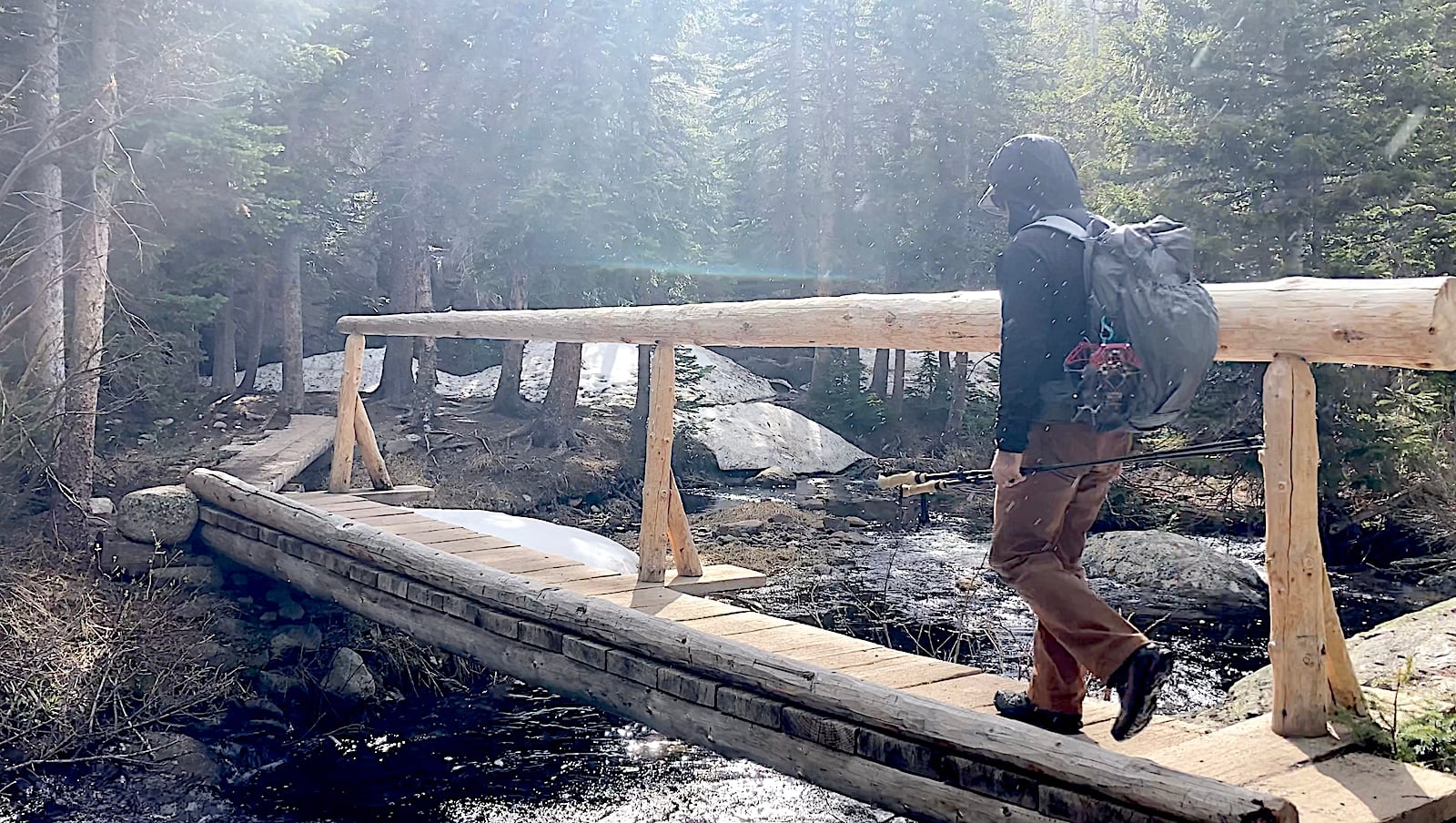
Official Responses and Manufacturer Intent
Durston’s marketing emphasizes "refinement." When questioned on the lack of a traditional frame, the design intent becomes clear: the goal was never to replicate the heavy-hauling capability of a 50-liter framed pack, but to create a "zero-compromise" 30-liter carry experience for hikers who have already minimized their base weight.
The use of Aluula Graflyte is not merely aesthetic; it is structural. Because the fabric has negligible stretch compared to traditional nylons or standard DCF, the pack maintains its shape under load. This "structural integrity of the bag body" prevents the pack from sagging or barreling, which is the most common cause of instability in traditional frameless packs.
Implications for the Ultralight Hiker
What does this mean for the user? The Wapta 30 is a masterclass in the "less is more" philosophy. By focusing on the interaction between the body and the pack, rather than relying on heavy metal stays, Durston has created a pack that feels like an extension of the hiker’s body.
1. The Stability Factor
For hikers who engage in technical terrain—scrambling, climbing, or fast-hiking—the Wapta 30 provides a level of stability that rivals dedicated fastpacks. The dual foam back pads create a ventilation channel that also serves to keep the load close to the center of gravity, effectively eliminating the "sway" often felt with larger, less structured frameless packs.
2. The Comfort Ceiling
While the pack is rated for 25 pounds, users will find that the comfort "ceiling" is determined by their own threshold for shoulder pressure. Because there is no internal frame to redirect the weight, the load remains vertical. For those with a dialed-in sub-10 lb base weight, the Wapta 30 is likely the most comfortable frameless option on the market. For those approaching the 25 lb limit with heavy food carries or winter gear, the pack will eventually demand a shift in posture, regardless of how well-designed the straps are.
3. Material Longevity
The inclusion of Aluula suggests a move toward longevity that is often missing in ultralight gear. While the pack is ultra-light, the material’s abrasion resistance implies it can handle the rigors of off-trail travel better than traditional ultralight laminates.
Conclusion: A Refined Evolution
The Durston Wapta 30 is not a magic bullet for load carriage. It does not replace the need for a frame when carrying heavy, multi-day, or high-volume loads. However, it is a significant advancement in the refinement of the frameless pack.
By distinguishing between the pack’s structural stability and its mechanical load transfer, we can better appreciate what the Wapta 30 actually is: a highly engineered, exceptionally comfortable, and remarkably stable tool for the modern, weight-conscious hiker. It proves that while we may be bound by the laws of physics, thoughtful design can make the burden of our gear significantly easier to bear. Whether this "refinement" justifies the investment is a question of how much one values the marriage of material science and ergonomic comfort in their pursuit of the trail.