Introduction: A Journey of Currents and Culture
For many, the name "Ganges" evokes a singular image: a river of profound spiritual significance, winding through the heart of India. For professional rafters Mike and Cody, the river represented something more—a technical challenge, a cultural masterclass, and an immersion into one of the world’s most complex ecosystems. Recently returned from a journey through Northern India, the pair’s expedition went beyond the surface-level tourism often associated with the region. By training with the experts at the Hannibal Outdoor Center and navigating the massive, glacial-fed currents of the Ganges, they gained a rare, boots-on-the-ground perspective of a landscape that defies simple description.
This report explores their journey, the technical realities of Himalayan rafting, the paradox of a sacred river struggling with modern pollution, and the overwhelming tapestry of life in a nation that hosts one-fifth of the human population.
The Technical Expedition: Navigating the Himalayan Giant
The Challenge of Scale
To understand the magnitude of the Ganges, one must first look toward the Himalayas. The mountain range is not merely a geographic feature; it is an overwhelming force of nature. Mike and Cody noted that even at elevations of 8,000 to 12,000 feet—altitudes where one might expect to be in the heart of the peaks—they were still navigating the foothill towns and rural villages.
The rivers that tumble from these heights are fed by glacial melt, resulting in a volume of water that is difficult to comprehend for those accustomed to domestic river systems. During their descent, the team estimated the flow of the Ganges at a staggering 40,000 cubic feet per second (cfs). For context, this is a massive volume of water that requires precise navigation, high-level technical skill, and a deep understanding of fluid dynamics.
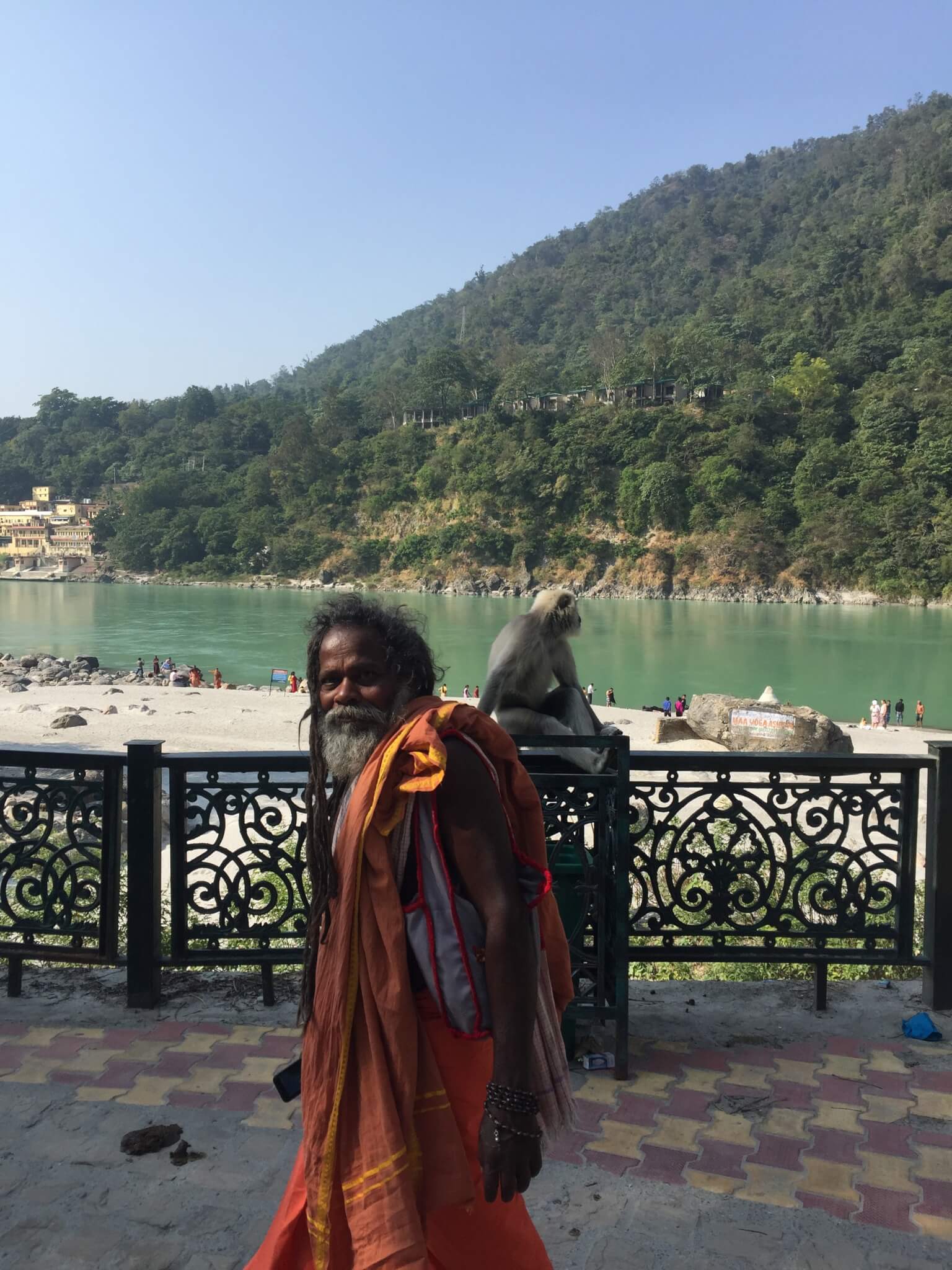
Training and Professional Exchange
The trip was not merely a recreational paddle. Mike and Cody spent their time collaborating with the instructors at the Hannibal Outdoor Center, a local authority on whitewater safety and navigation. The objective was two-fold: to learn the specific rafting standards practiced in India and to exchange rescue techniques. Engaging with local guides provided the duo with insights into how the industry manages the unique hazards of the Ganges, from its unpredictable flow to the logistical challenges of operating in remote, high-altitude terrain.
Chronology of the Expedition
The expedition followed a path that mirrored the transition from the bustling, chaotic urban centers to the raw, untamed corridors of the Himalayan foothills.
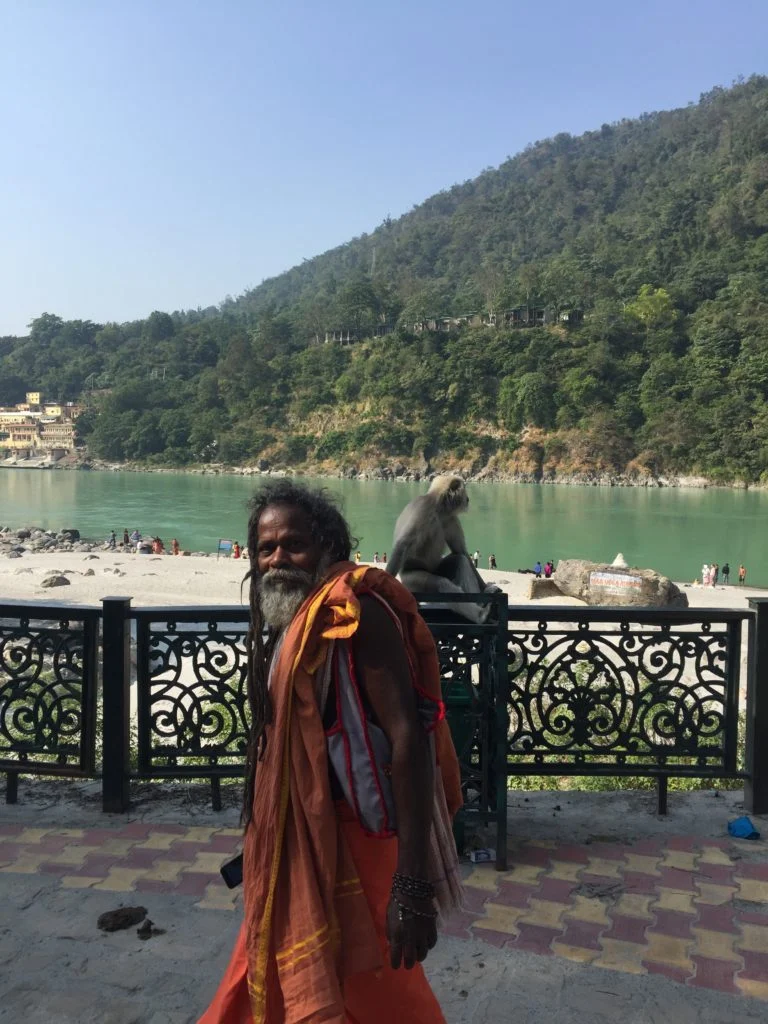
- Phase 1: Arrival and Immersion in Haridwar. The journey began in Haridwar, one of the seven holiest cities in Hinduism. Here, the team witnessed the daily religious ceremonies where thousands of pilgrims gather to cleanse themselves in the river. This period was dedicated to understanding the cultural significance of the Ganges.
- Phase 2: Technical Training. Collaborating with the Hannibal Outdoor Center, the team participated in intensive drills. This involved adapting to the specific safety protocols and equipment standards required for the high-volume, high-consequence water of the Himalayan region.
- Phase 3: The Descent. The core of the expedition involved the actual navigation of the Ganges. This phase tested their endurance and required constant vigilance against the sheer power of the river.
- Phase 4: Inland Transit. Recognizing that the river is only one part of the Indian experience, the team utilized the country’s vast railway network to transit between regions. This provided a panoramic view of the changing landscape, from agricultural subsistence plots to the stark reality of industrial-adjacent living.
Supporting Data and Observations
The Human Landscape
India is a country of superlatives. With a population that constitutes roughly 20% of the world’s inhabitants, the linguistic diversity alone is staggering—with roughly 3,000 languages and dialects spoken across the nation. The travelers observed that this diversity is reflected in every aspect of life, from the food and architecture to the varying socio-economic conditions.
Wildlife and Biodiversity
The region is not just a human hub; it is a hotspot for biodiversity. During their travels, the team encountered evidence of a wild ecosystem that sits in sharp contrast to the urban centers. From monkeys and cobras to reports of wild elephants and larger predators, the environment is untamed and largely unpredictable. This proximity to wildlife highlights the precarious balance India maintains between its expanding infrastructure and its natural heritage.

The Pollution Paradox
Perhaps the most striking aspect of the trip was the contrast between the reverence shown to the Ganges and the physical condition of the water. While it is worshipped as the "Mother of the River," it is also one of the most polluted waterways on the planet. The team observed the effects of untreated human waste and industrial runoff firsthand. This duality—a river that is spiritually pure but physically degraded—is a defining characteristic of modern India. It is a paradox that the team found difficult to reconcile, yet essential to witness.
Official Perspectives and Cultural Implications
The observations made by Mike and Cody align with growing concerns from environmentalists and government officials regarding the state of India’s water security.
Environmental Stewardship
The Ganges provides for millions, yet the industrialization of the region has outpaced the development of waste treatment facilities. Local environmental advocates have long campaigned for stricter regulations on industrial runoff. The sheer volume of people participating in daily ablutions—as captured in the team’s footage from Haridwar—adds a layer of complexity to sanitation efforts. Any attempt to manage the river’s health must account for the deep-seated religious traditions that bring millions of people to the banks every year.
The Role of Transportation
The team’s choice to travel by train—often hanging between cars to get a better view—offered a unique vantage point on the nation’s development. They witnessed a landscape defined by "beauty surrounded by landfills." This is the reality of rapid economic growth in a developing nation. It is a scene of heroic subsistence agriculture, where small-scale farmers work the land with grit and determination, set against a backdrop of waste that the current infrastructure is struggling to manage.

Implications: A Call for Perspective
For the outdoor community, this expedition serves as a reminder that the world is much larger and more complex than our local horizons.
- Safety and Education: The importance of cross-cultural training in the outdoor industry cannot be overstated. By sharing techniques with Indian guides, the team helped bridge a gap in safety standards that benefits both local operators and visiting enthusiasts.
- Environmental Awareness: The Ganges stands as a global case study for river management. The lessons learned here—about the conflict between development and sanctity—are universal.
- Human Resilience: Perhaps the most profound takeaway was the resilience of the Indian people. Despite the challenges of poverty, pollution, and the overwhelming scale of their surroundings, there is a vibrant, enduring culture that continues to thrive.
Conclusion: A Return to the River
In reflection, Mike and Cody described India as a place that is as humbling as it is beautiful. The trip was a masterclass in perspective; it forced them to look at their own industry—and the planet—through a wider lens. As they plan their return, the message is clear: India is not a place you visit once and understand. It is a place that demands repeated engagement, deep respect, and a willingness to accept the beauty alongside the struggle.
The Ganges remains a vital artery of life, and for those who choose to run its rapids, it offers a journey that is as much about the spirit as it is about the water. Whether through the lens of a camera or the perspective of a raft, the story of India is one that continues to unfold, challenging all who witness it to see the world with greater clarity and compassion.