In the modern economic landscape, every trip to the supermarket has become a source of anxiety for the average American. As inflation continues to impact the cost of living, the price of a standard grocery haul seems to be on a relentless upward trajectory. For those committed to a fitness-focused lifestyle, the challenge is twofold: they must manage the rising costs of essential nutrition while simultaneously maintaining the high caloric and protein intake required to fuel rigorous physical training.
The prevailing myth is that "eating clean" is a luxury reserved for the affluent, while the budget-conscious are relegated to a cycle of ultra-processed snacks and convenience foods. However, strategic planning and a shift in shopping philosophy can allow athletes and health enthusiasts to bypass the financial strain of the checkout counter without compromising their physique or performance.
The Economic Reality of Nutritional Inflation
The current economic climate has placed significant pressure on the household food budget. According to recent data from the Bureau of Labor Statistics, grocery prices have seen volatile shifts over the past 24 months, driven by global supply chain disruptions, energy costs, and climate-related agricultural impacts.
For the "gym-goer," this inflation is particularly punitive. Building and maintaining muscle mass requires a consistent supply of high-quality protein—typically the most expensive item in any grocery cart. When the price of chicken breast, lean beef, and fresh produce spikes, the immediate impulse is often to cut back on volume or quality. Yet, falling into the trap of "cheap calories"—like low-cost ramen or mystery meats—can lead to poor recovery, metabolic sluggishness, and a stall in progress.
The objective here is not to "starve" or survive on meager rations; it is about efficiency. By applying the same discipline to the grocery store that one applies to a squat rack, it is entirely possible to slash food costs by up to 30% while actually increasing the nutrient density of your daily meals.
Strategic Grocery Hacks: The "Champion’s" Playbook
To optimize your spending, one must look at the grocery store not as a collection of individual items, but as a system of resources. The following strategies represent the most effective ways to lower costs while maximizing nutritional return.
1. Re-evaluating the Canned Goods Aisle
Canned foods are arguably the most misunderstood tool in the athlete’s pantry. While fresh produce is aesthetically pleasing, canned fish (tuna, sardines, salmon) offers a shelf-stable, high-protein powerhouse that is often significantly cheaper than fresh fillets. Canned beans are an unparalleled source of plant-based fiber and protein, essential for gut health and satiety. Furthermore, canned tomatoes often provide better flavor and a higher concentration of lycopene than "fresh" tomatoes that have been ripened in transit.
2. The Return of the Mighty Egg
Following the volatile price spikes of 2025—which were largely driven by avian influenza—egg prices have largely stabilized. At roughly 25 to 40 cents per serving, eggs remain the gold standard for high-biological-value protein. They are the ultimate "anytime" food, providing a cost-effective solution for lunch or dinner, not just breakfast.
3. Carbohydrate Optimization: The Power of the Spud
For active individuals, carbohydrates are the fuel for high-intensity training. Instead of relying on expensive, packaged "health" snacks, turn to the potato. Whether white, sweet, or purple, potatoes are nutrient-dense, filling, and incredibly affordable, especially when purchased in bulk bags. They provide sustained energy and micronutrients that far exceed the value of processed grain snacks.
4. Choosing Neglected Cuts
Marketing has convinced the public that only chicken breast and beef tenderloin are worthy of a fitness diet. This is a fiscal error. "Less-loved" cuts—such as chicken thighs, pork loin, and round steak—are frequently priced much lower per pound. With proper cooking techniques, such as slow-cooking or braising, these cuts can be just as tender and flavorful as their "premium" counterparts.
5. Embracing the Subzero Section
Frozen fruits and vegetables are flash-frozen at the peak of their nutritional ripeness. They are often superior to "fresh" produce that has spent days in a shipping container. Buying bags of frozen blueberries, broccoli, or cherries eliminates the "waste factor"—if you don’t use all the produce in a bag, it stays frozen rather than rotting in your crisper drawer.
The Financial Implications of "Food Waste"
A major component of grocery inflation is the "hidden cost" of waste. When a consumer buys a bag of spinach or a bunch of cilantro and uses only 10% before it turns to sludge, they have essentially paid ten times the retail price for what they actually consumed.
The "Rule of Two"
A sound strategy for the budget-conscious athlete is the "Rule of Two": every ingredient purchased should earn its spot by being featured in at least two separate meal preps. Versatility is the ultimate hedge against food waste. If you buy a bag of onions, use half for a stir-fry and the other half for a slow-cooked stew.
Raid the Bulk Bins
Packaging and advertising carry a significant markup. Bulk bins allow you to purchase exact quantities of grains, legumes, oats, and spices. This not only reduces the unit price but also prevents you from paying for the fancy cardboard boxes and plastic wraps that end up in the trash.
The Store Brand Advantage
Store brands (private labels) are frequently produced in the same facilities as name-brand items. Transitioning to store brands for staples like canned beans, spices, and oats can shave 30% off your bill instantly. The nutritional profile remains identical; only the branding changes.
Cooking for Gains: Three High-Nutrition, Low-Cost Recipes
Eating like a champion does not require a private chef. These three meals demonstrate how to combine affordable, nutrient-dense ingredients into high-performance fuel.
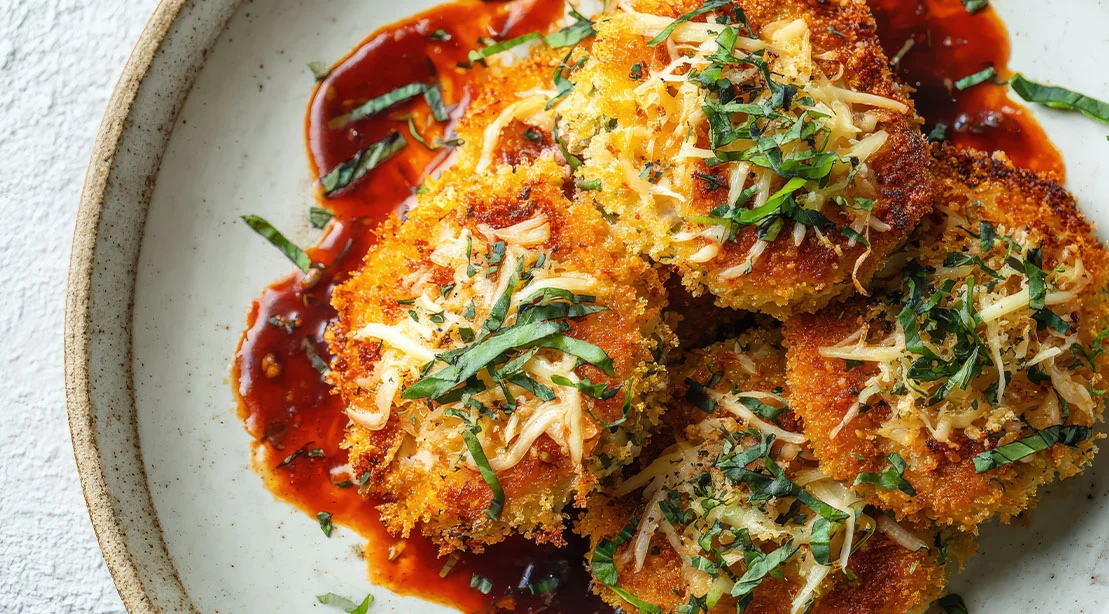
Recipe 1: Lemony Sweet Potato Fish Cakes
This meal combines the omega-3s of sardines with the complex carbs of sweet potatoes.
- Ingredients: 2 cans sardines, 1 large cooked/mashed sweet potato, 1 egg, bread crumbs, red onion, lemon juice/zest, Italian seasoning.
- Method: Combine all ingredients, shape into four patties, and pan-fry in a small amount of oil until golden. Serve with a quick sauce made from microwaved crushed tomatoes, garlic, and chili flakes.
Recipe 2: The "Everything" Egg and Bean Casserole
Perfect for meal prepping, this dish provides a massive protein boost.
- Ingredients: Bread cubes, black beans, sautéed onions, mushrooms, bell peppers, spinach, eggs, milk, and a sprinkle of cheese.
- Method: Combine the vegetable and bean mixture with whisked eggs, milk, and cheese. Pour over the bread cubes in a greased 9×13 dish. Let sit for 30 minutes, then bake at 375°F for 40 minutes.
Recipe 3: Pumpkin Butter Chicken
A protein-rich riff on a classic, utilizing chickpeas for added fiber.
- Ingredients: Chicken breast or thigh, canned pumpkin puree, chickpeas, coconut milk, tomato paste, ginger, garlic, and a heavy hand of spices (garam masala, turmeric, cumin).
- Method: Brown the chicken with aromatics and spices. Stir in the pumpkin, tomato paste, and coconut milk. Simmer until the sauce thickens. Serve garnished with cilantro and pumpkin seeds for texture.
Conclusion: The Mindset of the Frugal Athlete
The transition to a more budget-conscious diet is not a retreat from health; it is a shift toward mindfulness. By avoiding the "convenience tax"—shredding your own cheese, deboning your own chicken, and opting for raw, whole ingredients over pre-packaged, pre-chopped kits—you reclaim control over both your wallet and your nutritional intake.
In an era where the cost of living feels dictated by external forces, the kitchen remains one of the few places where individual agency can yield immediate, tangible results. By treating your food as an investment rather than an expense, you can ensure that your body remains in a state of growth, even when the economy is in a state of contraction.
The "Champion’s" diet is built on consistency, preparation, and the intelligence to choose value over vanity. With these strategies, you can continue to hit your macros, improve your performance, and keep your savings account intact.