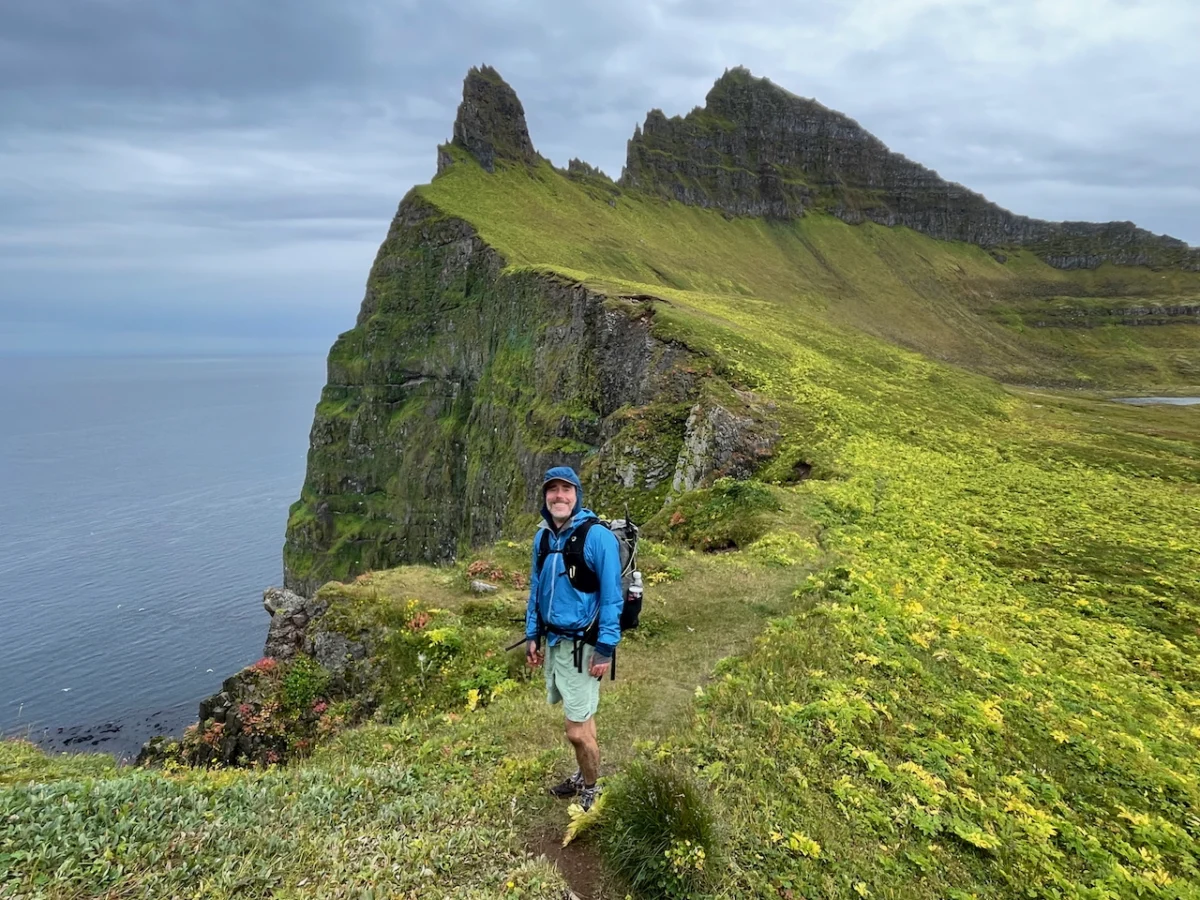
The Hornstrandir Peninsula is not merely a destination; it is a profound testament to the raw, unyielding power of the North Atlantic. Situated at the northernmost reaches of the rugged Westfjords, this nature reserve represents one of the final frontiers of European wilderness. Void of roads, permanent human inhabitants, and the frenetic pulse of modern life, Hornstrandir remains a sanctuary for those seeking a profound communion with nature. Accessible only by sea during the brief summer months, it is a landscape of precipitous sea cliffs, sweeping tundra, and an ecosystem that has thrived in isolation for over half a century.
The Geography of Solitude: Main Facts
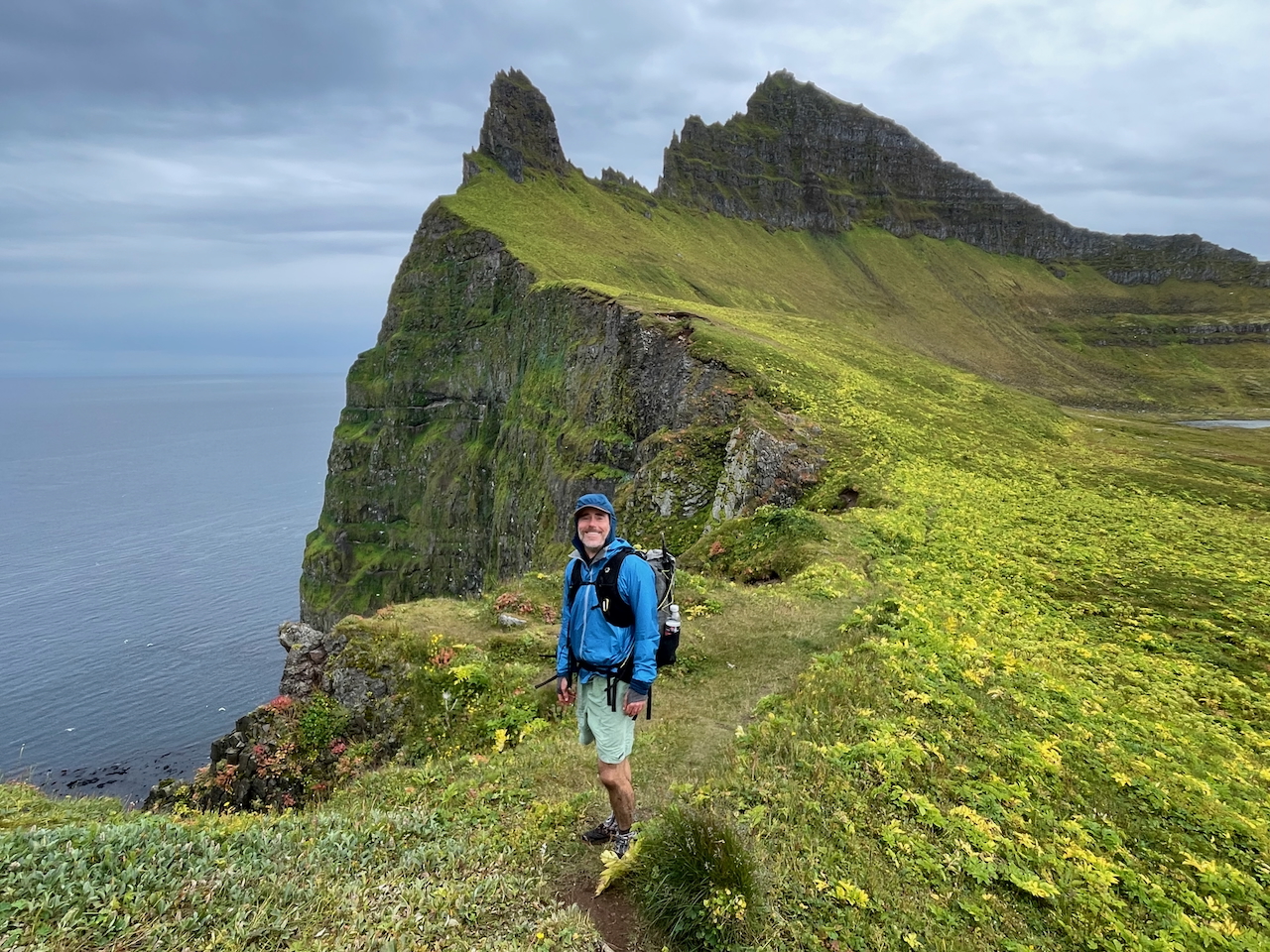
For the intrepid traveler, the Hornstrandir Peninsula offers a rare opportunity to disconnect from the grid. The region covers approximately 580 square kilometers of protected land, established as a nature reserve in 1975. The area is defined by its stark, dramatic contrasts: sheer basalt cliffs that plummet hundreds of meters into the churning ocean, verdant valleys carved by ancient glaciers, and a botanical diversity that flourishes in the absence of livestock grazing.
At a Glance: The Expedition Metrics
- Distance: Approximately 120 km (75 mi), including local exploratory detours.
- Duration: 6 days of intensive trekking.
- Difficulty Level: Moderate, requiring high self-sufficiency and navigational skills.
- Total Elevation Gain: 4,271 meters (14,012 ft).
- Starting and Finishing Point: Hesteyri.
The logistical challenge of reaching this region is the primary filter for its visitor demographic. Without roads, travel is entirely dependent on boat transport from nearby coastal towns like Ísafjörður. Once boots hit the ground at Hesteyri, visitors are essentially on their own, navigating a terrain that demands respect for its volatile, often sub-arctic weather patterns.
A Six-Day Odyssey: Chronology of the Trek
The journey across Hornstrandir is not just a walk; it is a chronological unfolding of geological and ecological wonders.
Days 1-2: Into the Abandoned Coast
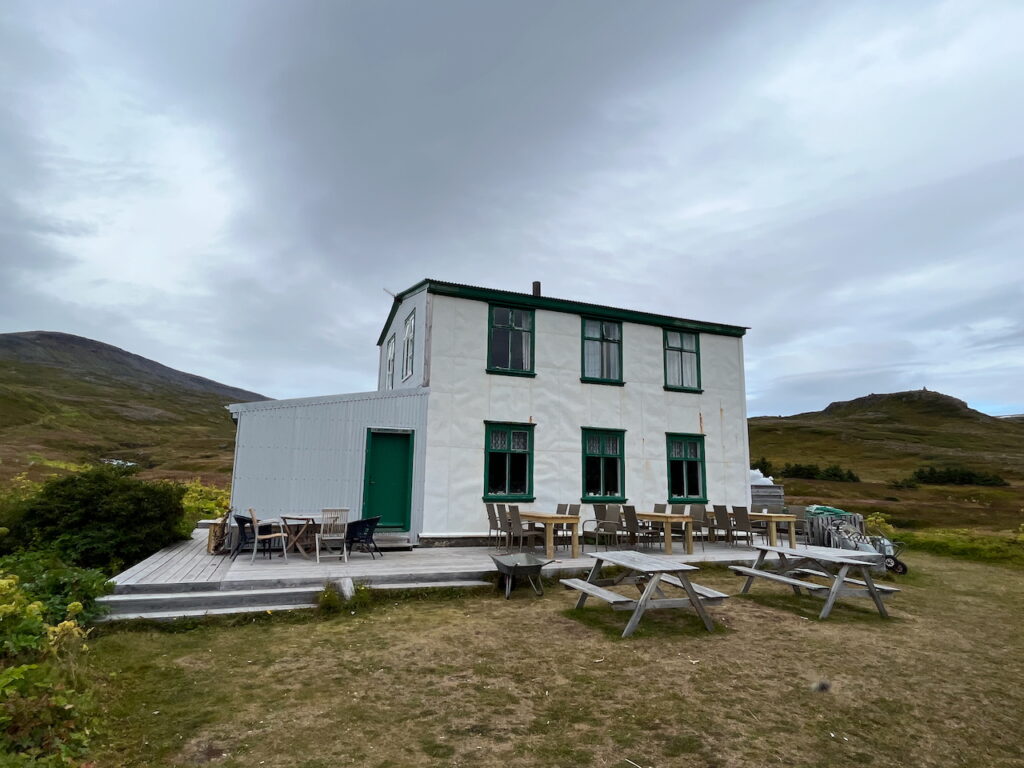
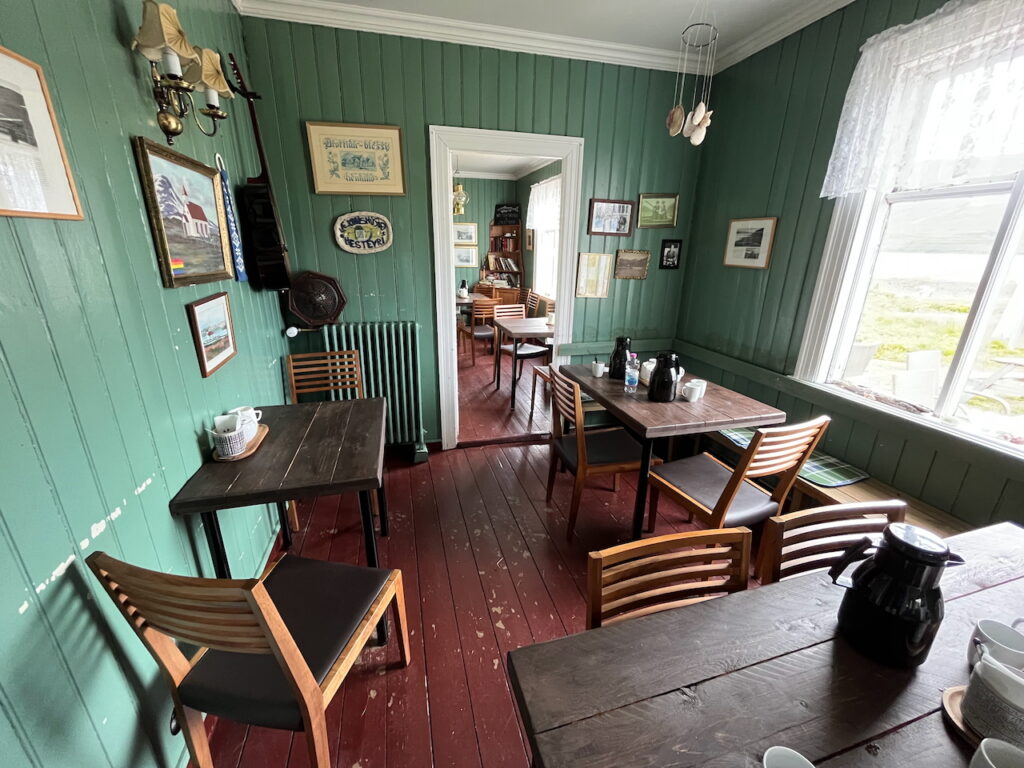
The trek begins at Hesteyri, a site of historical poignancy. Once a thriving whaling and herring station, the village was abandoned in the mid-20th century as the local economy shifted toward more accessible urban centers. Today, the "Old Doctor’s House" serves as a rare bastion of hospitality, offering a cozy, century-old refuge for hikers. Departing Hesteyri, the trail leads toward the remote Tjaldsvæði Látur area. The landscape is littered with the ghosts of the past—abandoned machinery and rusted remnants of forgotten industry—slowly being reclaimed by moss and time.
Days 3-4: The Empire of Seabirds and Foxes
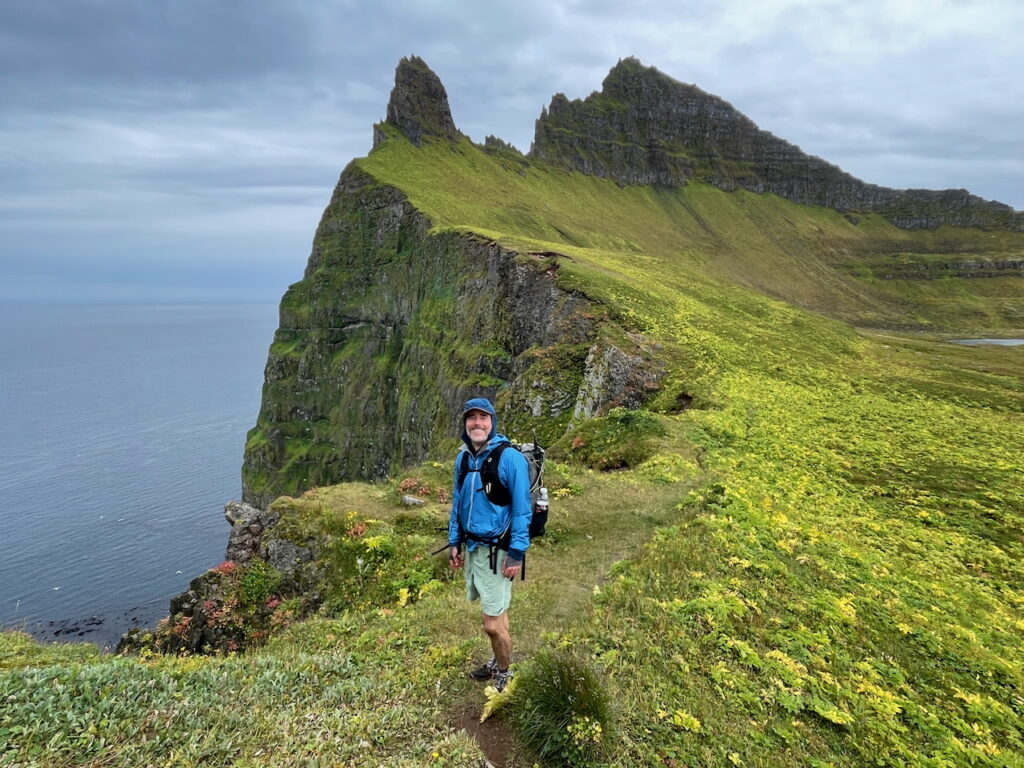
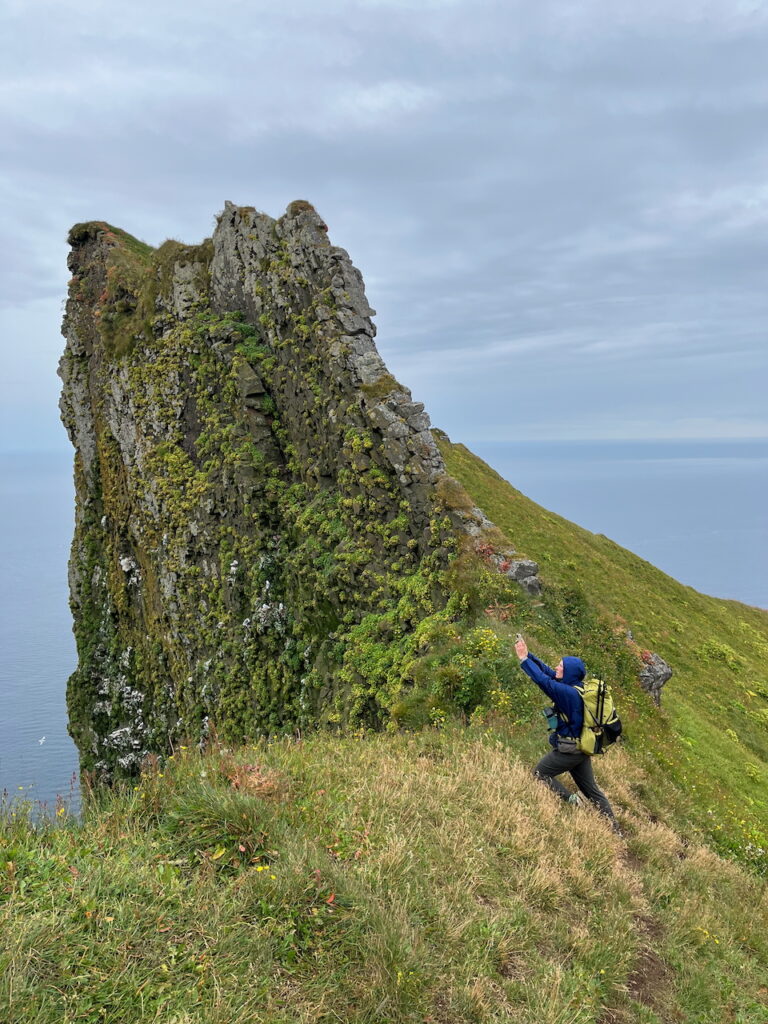
As the trail winds toward the northern coast, the scale of the landscape expands. The trek into Hornvík Bay offers the most dramatic vistas of the trip. Here, the sea cliffs reach heights of over 500 meters, serving as a massive, bustling metropolis for millions of seabirds. Guillemots, razorbills, kittiwakes, and fulmars cling to the vertical rock faces, creating an auditory experience of constant, frantic life.
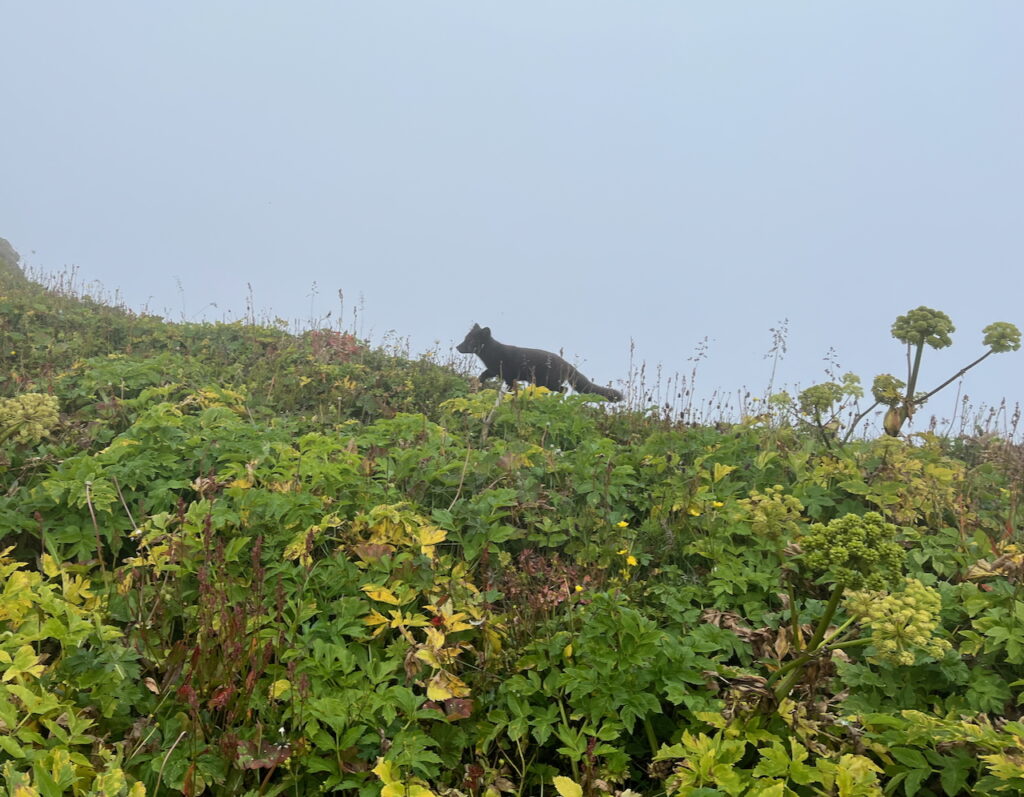
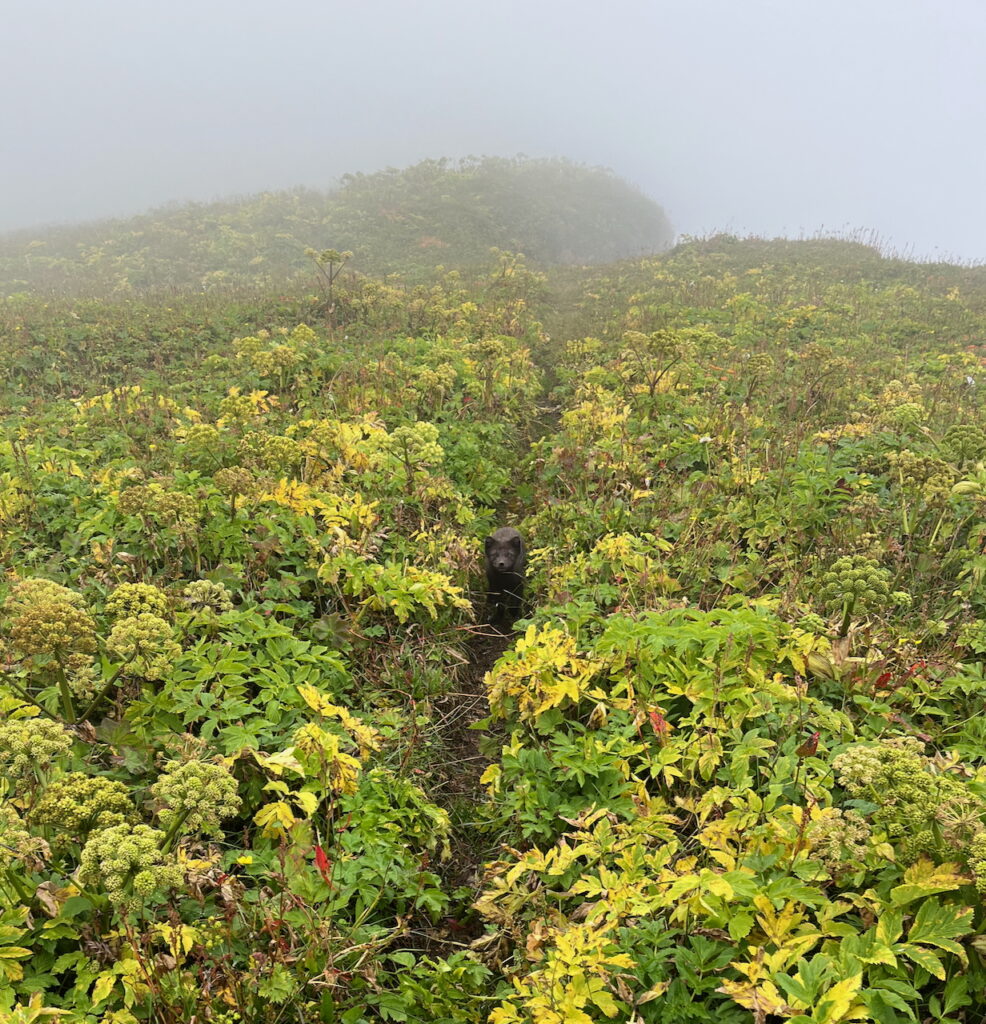
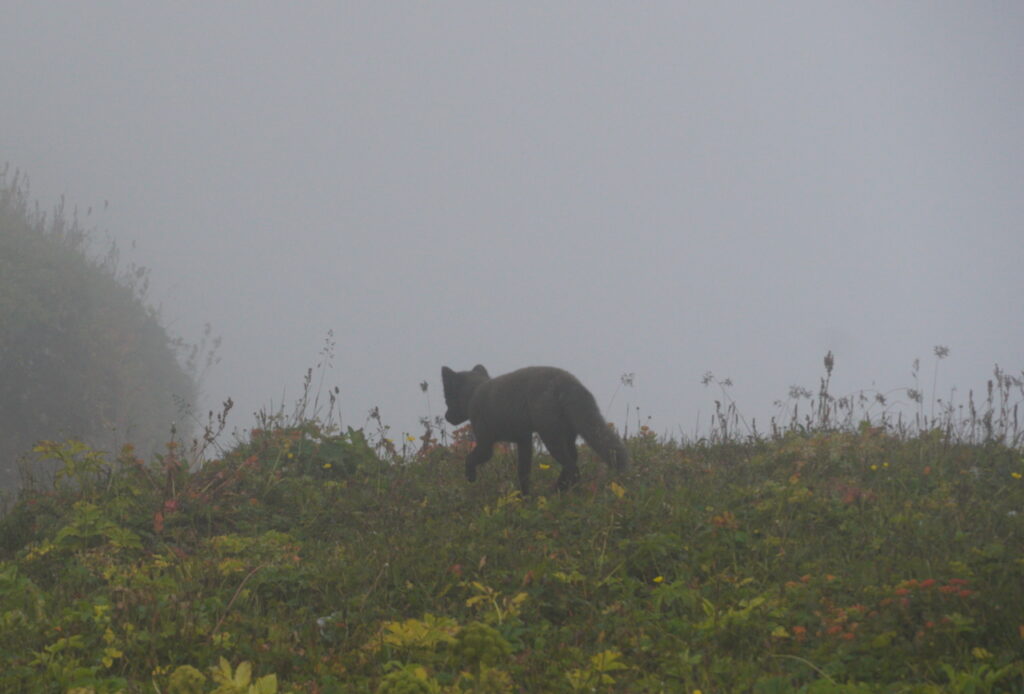
It is also in this sector that hikers are most likely to encounter the peninsula’s most charismatic resident: the Arctic fox. As Iceland’s only native land mammal, the fox has enjoyed total protection within the reserve since 1994, leading to a population that is famously unbothered by human presence. Watching a fox emerge from the morning mist near the Hornbjarg cliffs is an encounter that stays with a traveler long after they have returned to the mainland.
Days 5-6: The Final Push and the Return to Civilization
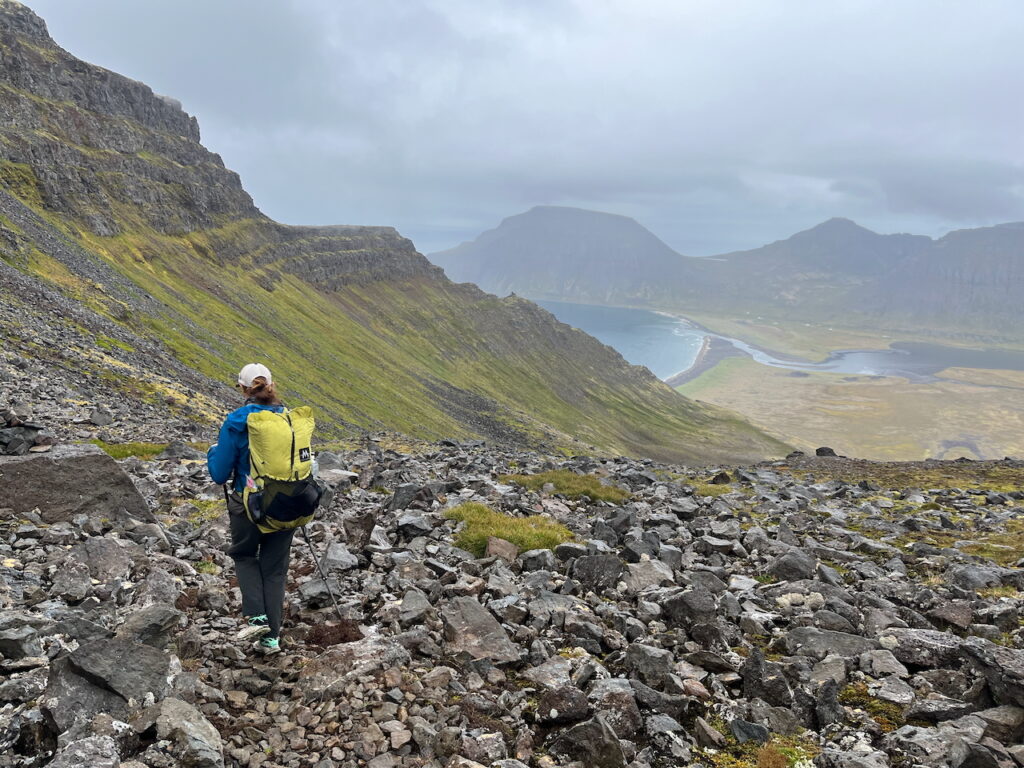
The descent from the higher mountain passes, such as Hafnarskarð, offers panoramic views of the North Atlantic. The final leg of the journey leads back toward the coast, navigating through fields of cottongrass and rocky terrain. The trek concludes back in Hesteyri, where the final reward is a warm meal and a boat ride back to the mainland. The return journey is often marked by sightings of humpback whales, a fitting conclusion to a trip defined by the wild grandeur of the ocean.
Ecological Integrity: The Flora and Fauna
The absence of human settlement and sheep grazing for over 50 years has transformed Hornstrandir into a botanical laboratory. More than 260 species of vascular plants have been recorded within the reserve. In the summer, the tundra is transformed into a tapestry of color, with Arctic lupine, angelica, and various berries creating a rich carpet of vegetation. This healthy primary production serves as the base of a food web that supports the robust fox populations and the massive seabird colonies that define the peninsula’s ecosystem.
Insights from the Field: The Human Element
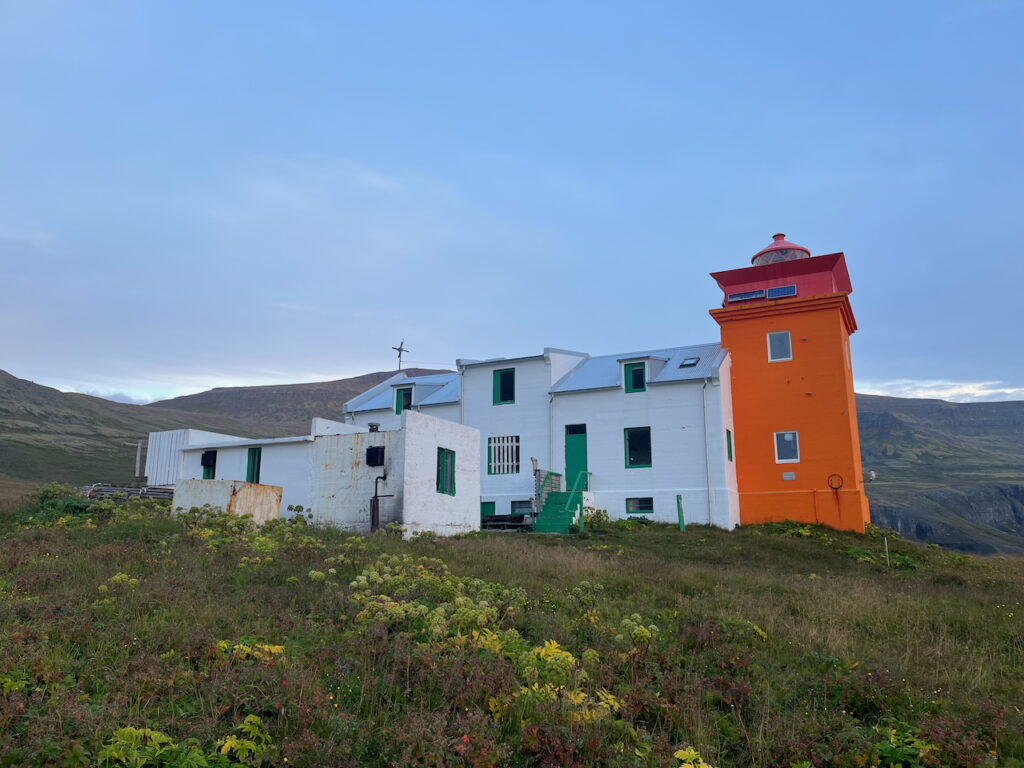
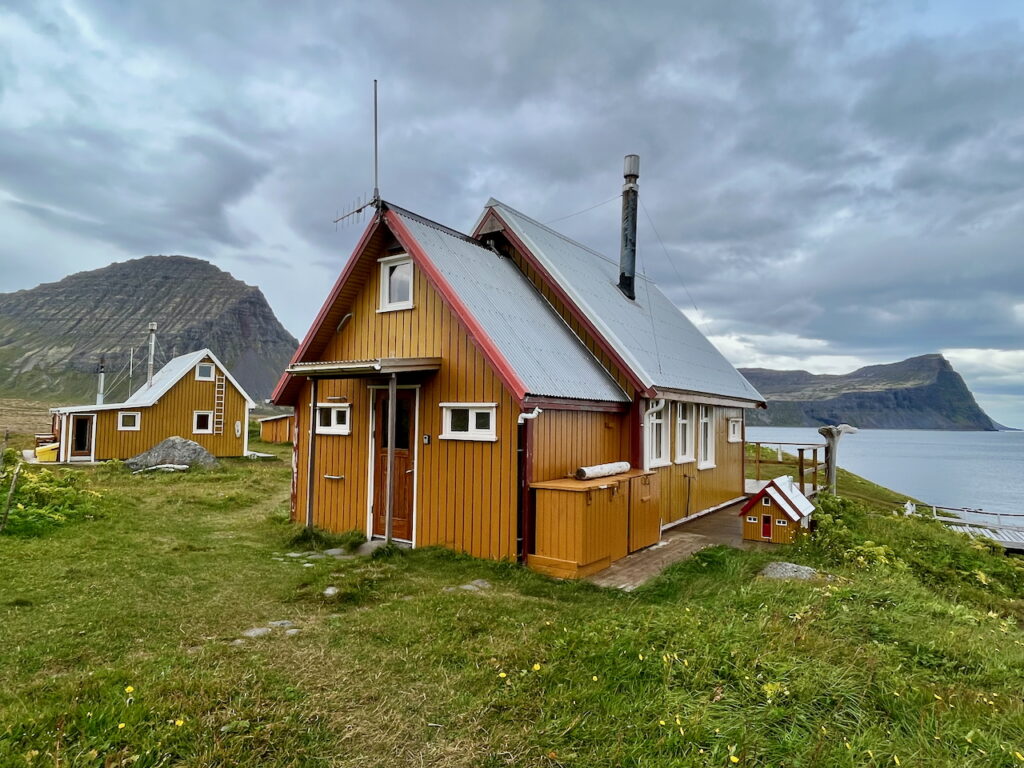
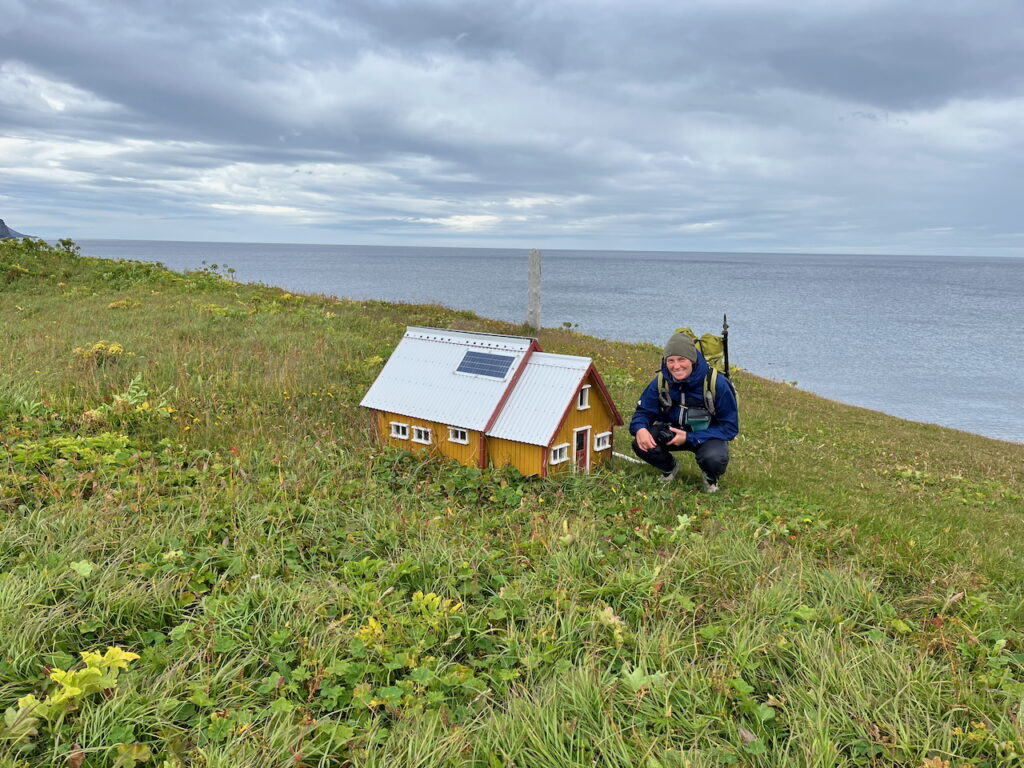
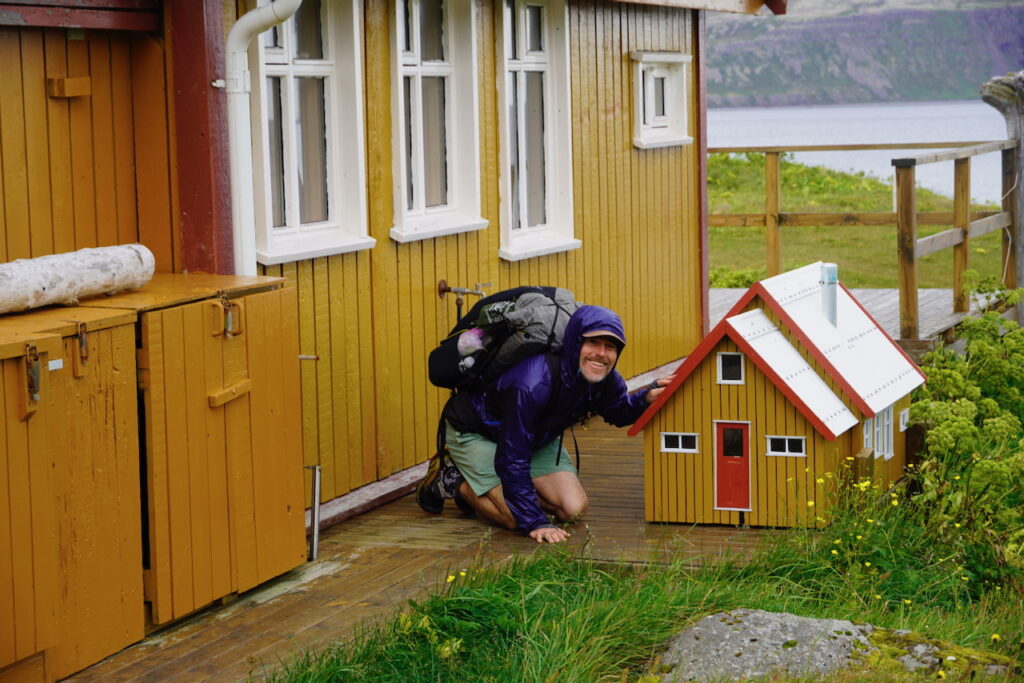
While Hornstrandir is a "wilderness," it is not entirely devoid of human narrative. The descendants of original settlers continue to maintain several small cottages, using them as seasonal summer homes. These colorful structures provide a stark, human-centric contrast to the overwhelming scale of the surrounding cliffs. Furthermore, the presence of the Huldufólk (hidden people) in local lore adds a layer of cultural depth to the landscape. Many cottages feature small, dedicated structures for these "little folk," a charming testament to Iceland’s enduring relationship with folklore.
Implications for Future Conservation
The popularity of Hornstrandir as a hiking destination has grown, yet it remains protected by its sheer inaccessibility. The implication for the future is clear: the environment is fragile. The shift from a working landscape to a nature reserve in 1975 was a pivotal moment in Icelandic environmental policy. It suggests a growing societal consensus that some places must remain untouched, providing a benchmark for what nature looks like when left to its own evolutionary trajectory.
For researchers and conservationists, the peninsula serves as a vital indicator of how Arctic ecosystems respond to climate change. The lack of direct human pressure allows scientists to study the natural fluctuations of biodiversity, providing essential data for wider regional conservation efforts.
Preparing for the Wild
For those planning to replicate this journey, preparation is non-negotiable. The weather in the Westfjords is notoriously unpredictable, with high winds and sudden fog capable of turning a moderate hike into a survival situation.
- Shelter: A sturdy, wind-resistant tent is essential. The author utilized a Tarptent Stratospire 2, noting that in this region, the quality of your shelter is your primary defense against the elements.
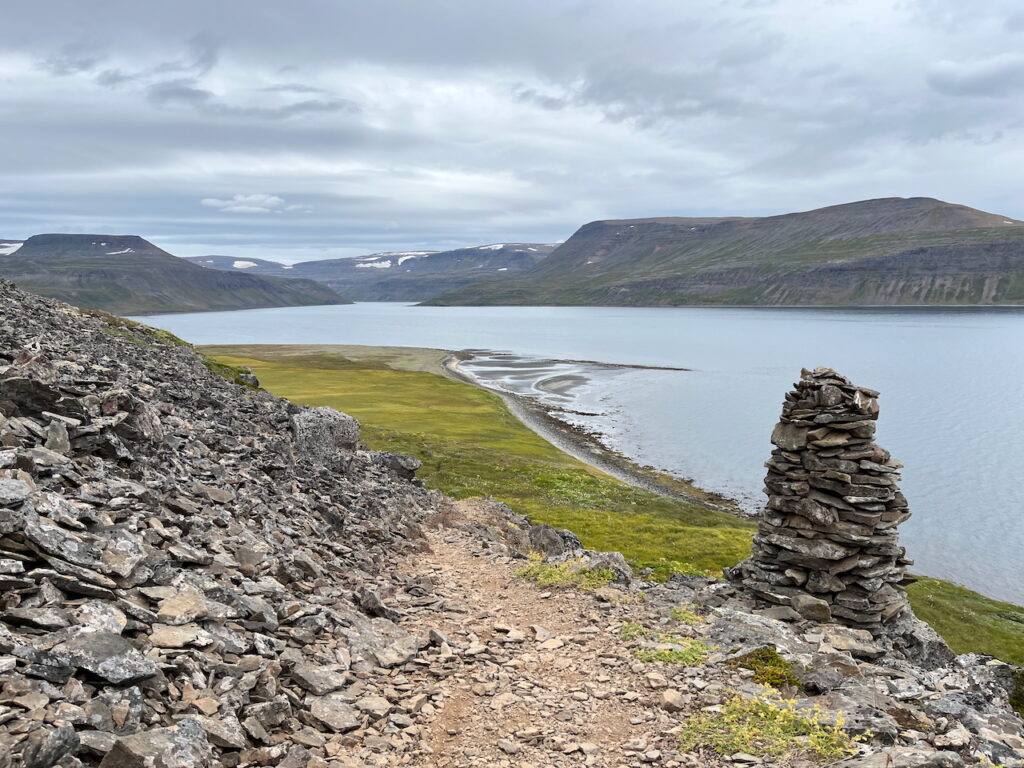
- Navigation: While trails are generally marked with cairns, heavy fog can render them invisible. Digital mapping and traditional paper maps are mandatory.
- Seasonality: The "window" for safe hiking is narrow, typically running from mid-June to the end of August. Attempting to visit outside these months without specialized winter expedition gear is strongly discouraged by local authorities.
Conclusion: The Lasting Impression
The Hornstrandir Peninsula stands as a reminder of the scale of the world. In an age of constant connectivity, the silence of the Westfjords is a radical experience. Whether it is the visual spectacle of a thousand nesting birds, the quiet curiosity of an Arctic fox, or the simple warmth of a crepe in a hundred-year-old café, the region offers a profound reset.
It is a place that demands much of the visitor—physical endurance, careful planning, and a deep respect for the environment—but it gives back in a way few other places on earth can. To traverse its paths is to witness the world as it was, and perhaps, as it should continue to be: wild, free, and utterly indifferent to the trivialities of the human world. As the boat pulls away from the Hesteyri dock, the lingering image of the mist-covered cliffs serves as a promise to return to the edge of the world.