Deep in the rugged heart of southwestern New Mexico, the Gila River carves a path through volcanic canyons and ancient forests, a serpentine lifeline that has defined the landscape for millennia. To those who have paddled its reaches, the Gila is more than just water; it is a profound respite from the pressures of the modern world. However, as the American Southwest faces an era of unprecedented climate volatility, this pristine waterway has become the center of a landmark legislative battle—one that seeks to preserve the largest remaining free-flowing headwaters system in the region.
The Essence of the Gila: A Natural Sanctuary
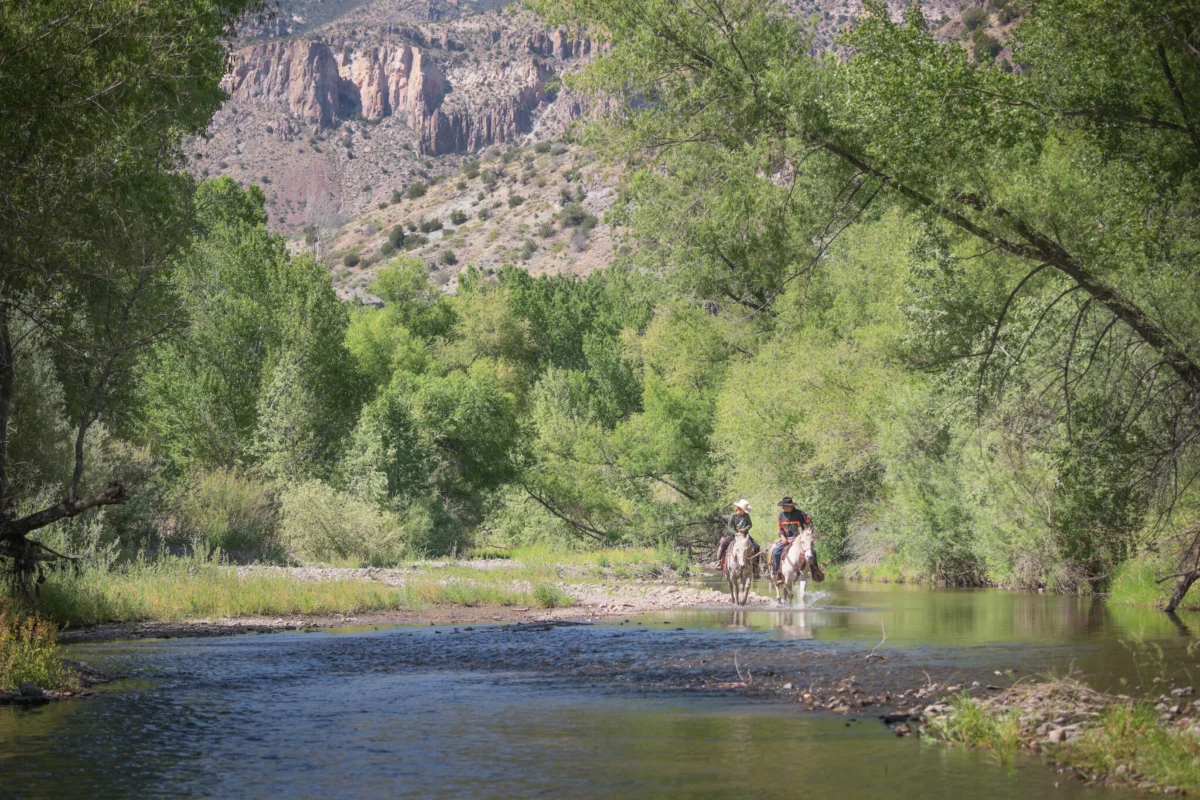
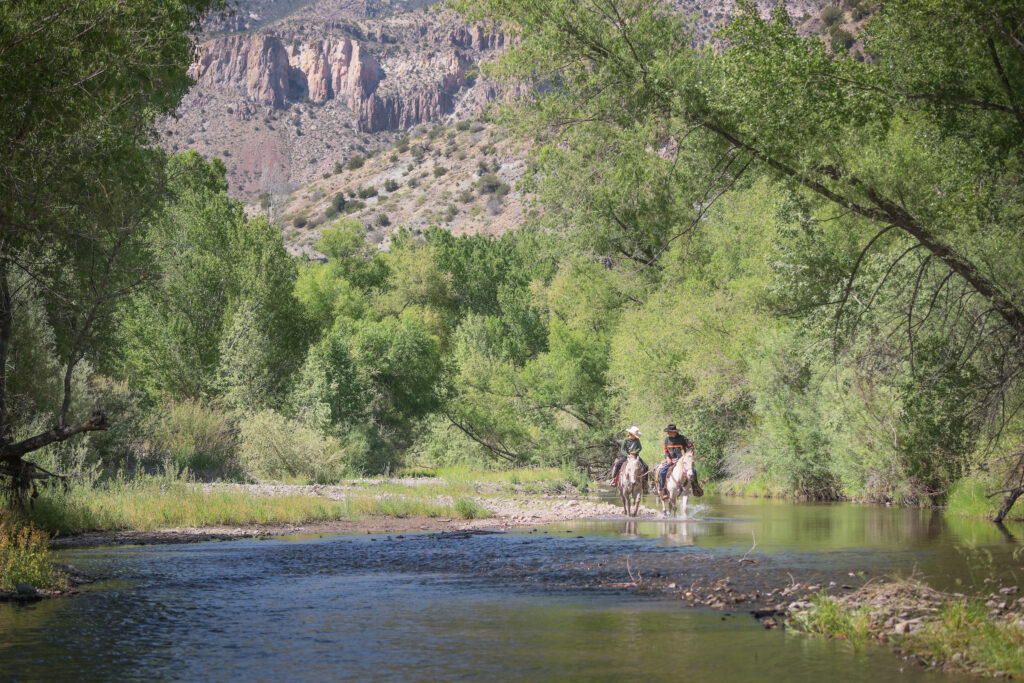
In 2020, amidst the isolating depths of the global pandemic, a journey down the Gila River headwaters served as a reminder of the restorative power of wild spaces. Navigating the river’s storied wilderness sections, travelers find themselves immersed in a landscape dominated by overhanging groves of old-growth sycamores and intimate, winding canyons.
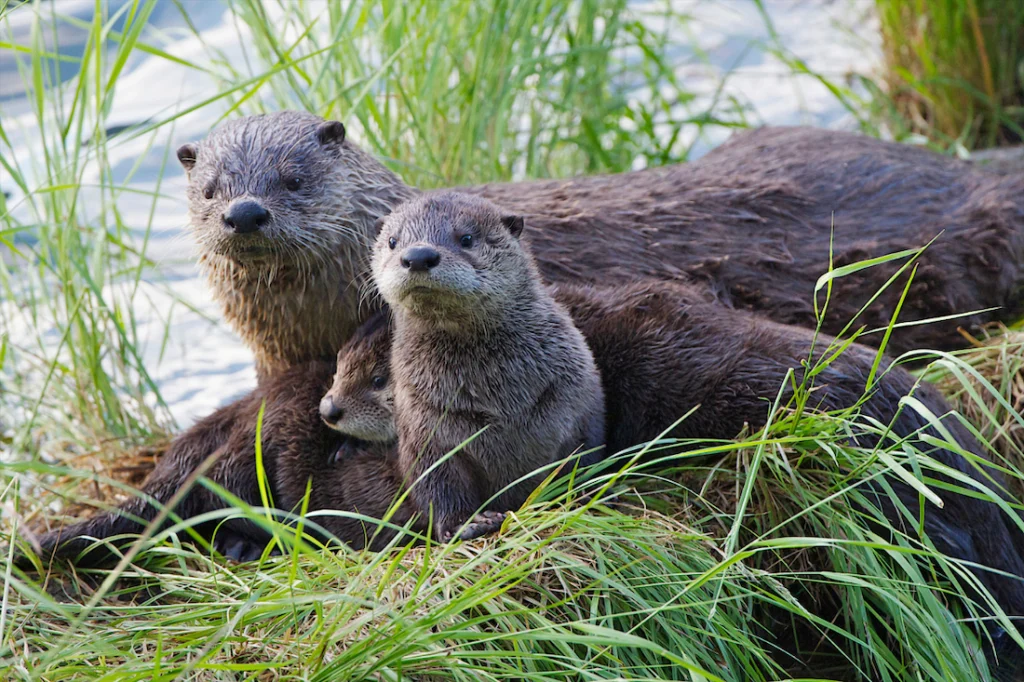
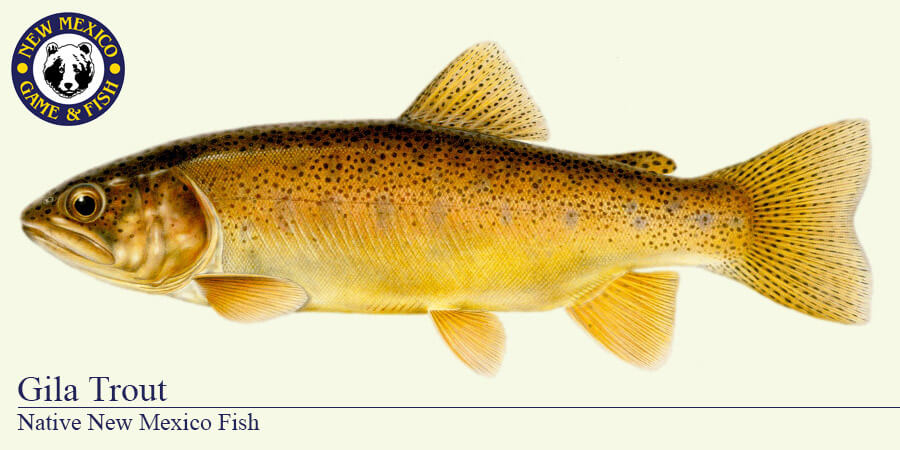
The Gila is not merely a scenic backdrop; it is a biological stronghold. Its cold, clear waters support diverse populations of Gila trout, while its surrounding forests provide habitat for elk, mule deer, black bears, and the elusive Mexican wolf. Overhead, the peregrine falcon soars, and the canyon wren’s lyrical song echoes against volcanic walls. This is a river that smells and sounds alive—a rarity in an era of industrial water management.
Chronology of a Campaign: From Stewardship to Legislation
The effort to secure permanent federal protection for the Gila did not emerge in a vacuum; it is the culmination of decades of advocacy.
- 1968: The passage of the Wild and Scenic Rivers Act establishes a federal framework for protecting rivers that possess "outstandingly remarkable" values.
- 2019: The movement loses a titan with the passing of Maynard Hubbard "Dutch" Salmon, a Silver City-based author and fierce conservationist who spent his life defending the river’s integrity.
- 2020-2022: As threats of potential damming and water diversion projects gain traction, a bipartisan coalition of local leaders, tribal nations, and conservation groups mobilizes to formalize protections.
- Congressional Action: With the support of Senator Martin Heinrich and Representative Gabe Vasquez, the M.H. Dutch Salmon Greater Gila Wild and Scenic River Act is introduced. The bill gains momentum through hearings across three consecutive sessions of Congress.
The bill, named in honor of Dutch Salmon, represents a rare moment of political alignment, seeking to protect 450 miles of 30 free-flowing headwaters rivers and 144,000 acres of riverside land.

The Gila Watershed: A Vital Economic and Ecological Engine
The Gila River is the southernmost major tributary of the Colorado River, acting as the backbone of a massive, 60,000-square-mile watershed. Its impact on the American Southwest is immeasurable.
Historical and Cultural Significance
Long before modern infrastructure, the Gila system sustained the complex agricultural civilizations of the Hohokam and Mogollon peoples. Today, that legacy continues. The river provides clean water for:
- Municipalities: Communities such as Silver City, New Mexico.
- Agriculture: The vital fields of the Gila River Indian Community and the massive produce industry in Yuma County, Arizona, which accounts for 180,000 acres of leafy greens.
The Cost of Extraction
While the headwaters remain largely untouched, the lower Gila tells a cautionary tale. As the river flows toward the Colorado, it is heavily diverted to support urban growth and large-scale industrial farming. In many stretches, the river runs dry, struggling to maintain its ecological character. This stark contrast between the pristine headwaters and the parched lower basin provides a compelling argument for the proactive preservation of the remaining free-flowing segments.
Supporting Data: Why "Wild and Scenic" Matters
The Wild and Scenic Rivers Act is the only federal designation that guarantees a river will remain free-flowing—prohibiting the construction of dams and other major industrial diversions. For the Gila, the stakes are not merely aesthetic.
- Climate Resilience: In a region grappling with extreme heat and aridity, intact headwaters act as "natural water towers." By maintaining healthy riparian corridors, these areas ensure groundwater recharge and regulate water quality, providing a buffer against the intensifying climate crisis.
- Economic Interdependence: Critics of conservation often frame it as a choice between economic development and environmental protection. However, the coalition supporting the Gila Act argues that the two are inextricably linked. Clean water, healthy watersheds, and outdoor recreation—which generates billions in revenue across the West—depend entirely on the preservation of the river’s natural state.
A Broad Coalition of Support
The push for the M.H. Dutch Salmon Greater Gila Wild and Scenic River Act is bolstered by an exceptionally diverse group of stakeholders, proving that the value of the river transcends political and social divides.
The current list of supporters includes:
- Governmental Bodies: The Grant County Board of Supervisors, the City of Bayard, the Town of Silver City, and the Town of Hurley.
- Tribal Nations: The Fort Sill Chiricahua Warm Springs Apache Nation and the All Pueblo Council of Governors.
- Community Interest Groups: Two faith-based organizations, two veterans’ organizations, four outdoor recreation groups, and seven sportsmen’s organizations.
- Private Sector: More than 150 local businesses that recognize the importance of the river to the local economy.
From backcountry horse packing to bird watching and family picnics, the people of New Mexico see their values mirrored in the flowing water of the Gila.
Implications: The Future of Western Conservation
The pending status of the M.H. Dutch Salmon Greater Gila Wild and Scenic River Act is a bellwether for the future of federal land management. As Congress weighs the bill, the outcome will signal whether the United States is prepared to prioritize long-term ecological stability over short-term resource extraction.
The "Act of Care"
Protecting the Gila is framed by its advocates not just as a land-use policy, but as an "act of care." This philosophy extends to the wildlife with whom we share the landscape and the future generations who will depend on the water we choose to protect today.
Beyond the Gila
The Gila is not the only river awaiting action. Currently, over a dozen Wild and Scenic River bills are languishing in the halls of Congress. Some, like the Gila, have been waiting for years. Proponents argue that the framework for success is already in place; all that is required is the legislative will to finalize these protections.
Conclusion: A Call for Foresight
In an era of deep political polarization, the bipartisan support for the Gila River stands out as a testament to the universal appeal of wild places. By safeguarding the headwaters, Congress has the opportunity to ensure that the "natural water towers" of the Southwest remain intact, providing a clean, reliable, and free-flowing resource for the cities and farms downstream.
The choice is clear: we can continue the pattern of over-extraction that has left much of the Southwest’s river systems depleted, or we can embrace the wisdom of the Wild and Scenic Rivers Act. Protecting the Gila is not merely about preserving the past; it is about securing a resilient future for the communities, the wildlife, and the collective spirit of the American West. The time for action is not in the distant future, but now, before the next drought or the next development project irreversibly alters the character of this iconic, life-giving river.