Main Facts: The Seasonal Shift in Missoula’s River Landscape
As the sweltering heat of a Montana summer settles over the Missoula valley, the local outdoor community has witnessed a definitive shift in river dynamics. Montana River Guides (MRG), the region’s premier outfitter, has officially transitioned from its intensive spring-season training curriculum—which focused heavily on professional swiftwater rescue certifications—to the peak of its recreational whitewater and scenic kayaking operations.
The Clark Fork River, specifically the world-renowned stretch known as the Alberton Gorge, is currently flowing at approximately 4,000 cubic feet per second (CFS). For both seasoned paddlers and families looking for a quintessential Montana experience, this flow rate represents the "goldilocks zone" of river conditions: robust enough to provide an exhilarating ride, yet tempered enough to ensure accessibility for a broad range of skill levels.
The gorge is currently characterized by its "warm and friendly" personality. While the high-volume runoff of spring has receded, the river remains lively. Iconic features such as Tumbleweed and Fang rapids continue to demand respect, occasionally resulting in the classic "swimmer" experience for those who miscalculate their lines, while the upper gorge has begun to reveal more rock features, adding a layer of technical complexity that keeps the experience engaging for repeat visitors.
Chronology: From Rescue Training to Recreational Zenith
The operational timeline for Montana River Guides serves as a barometer for the region’s hydrological health. The season began in early spring with an emphasis on risk management and technical education.
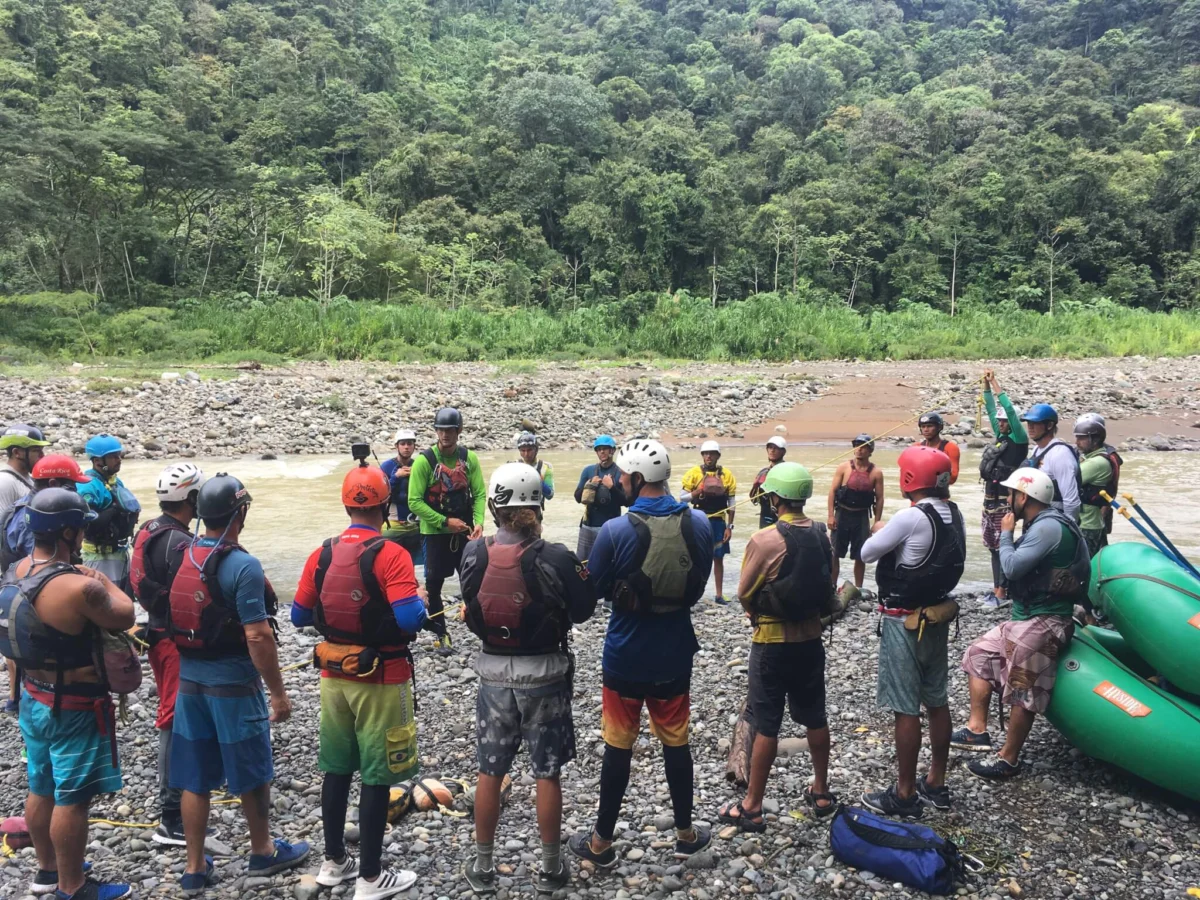
- Early Spring (April – May): The focus was predominantly on Swiftwater Rescue (SWR) training. During this period, the river’s volume is significantly higher, and water temperatures are dangerously cold. MRG’s instructors spent these months equipping professional first responders and seasoned paddlers with the skills necessary to handle high-stakes emergencies in moving water.
- Late June (The Transition): As the snowpack in the Bitterroot and Cabinet mountains began to taper off, the river levels shifted from "flood stage" dynamics to the predictable, user-friendly summer flows that define the current season.
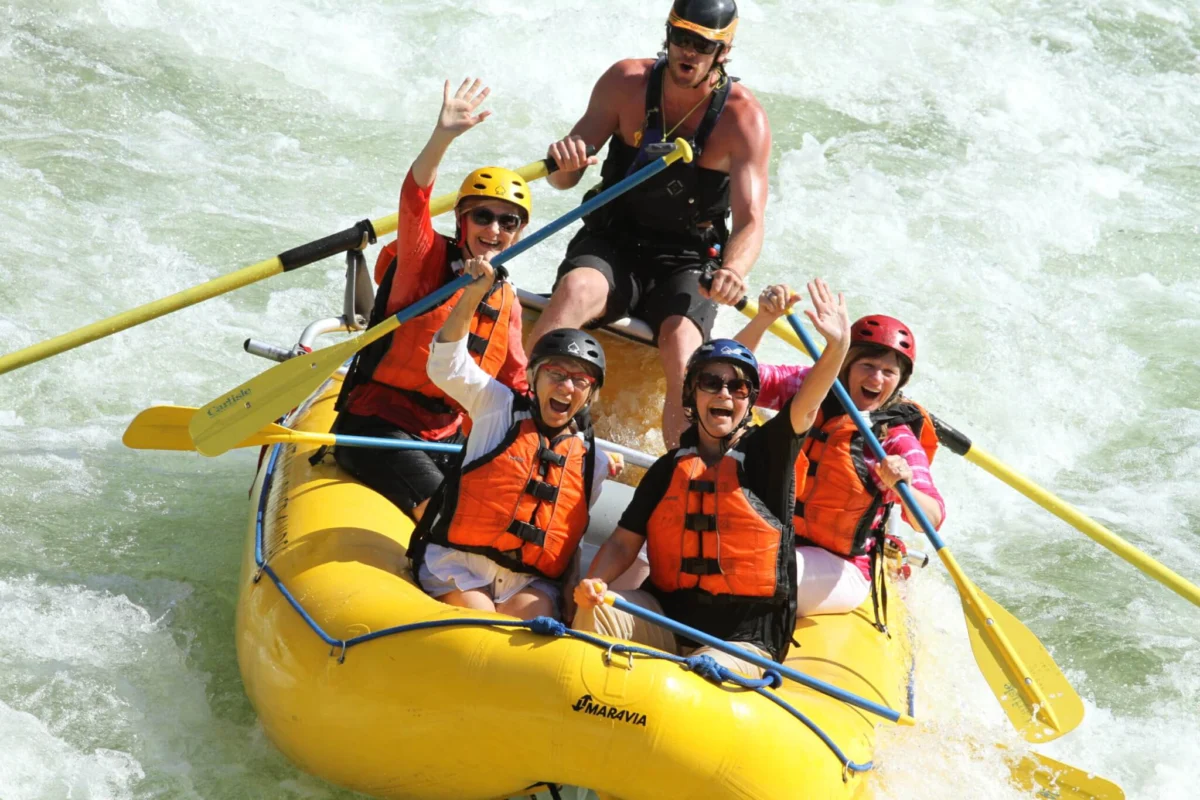
- Current Phase (July – August): The river has reached its stable summer peak. Daily whitewater rafting trips are now in full swing, complemented by scenic kayaking tours that allow for a more intimate engagement with the river’s ecosystem.
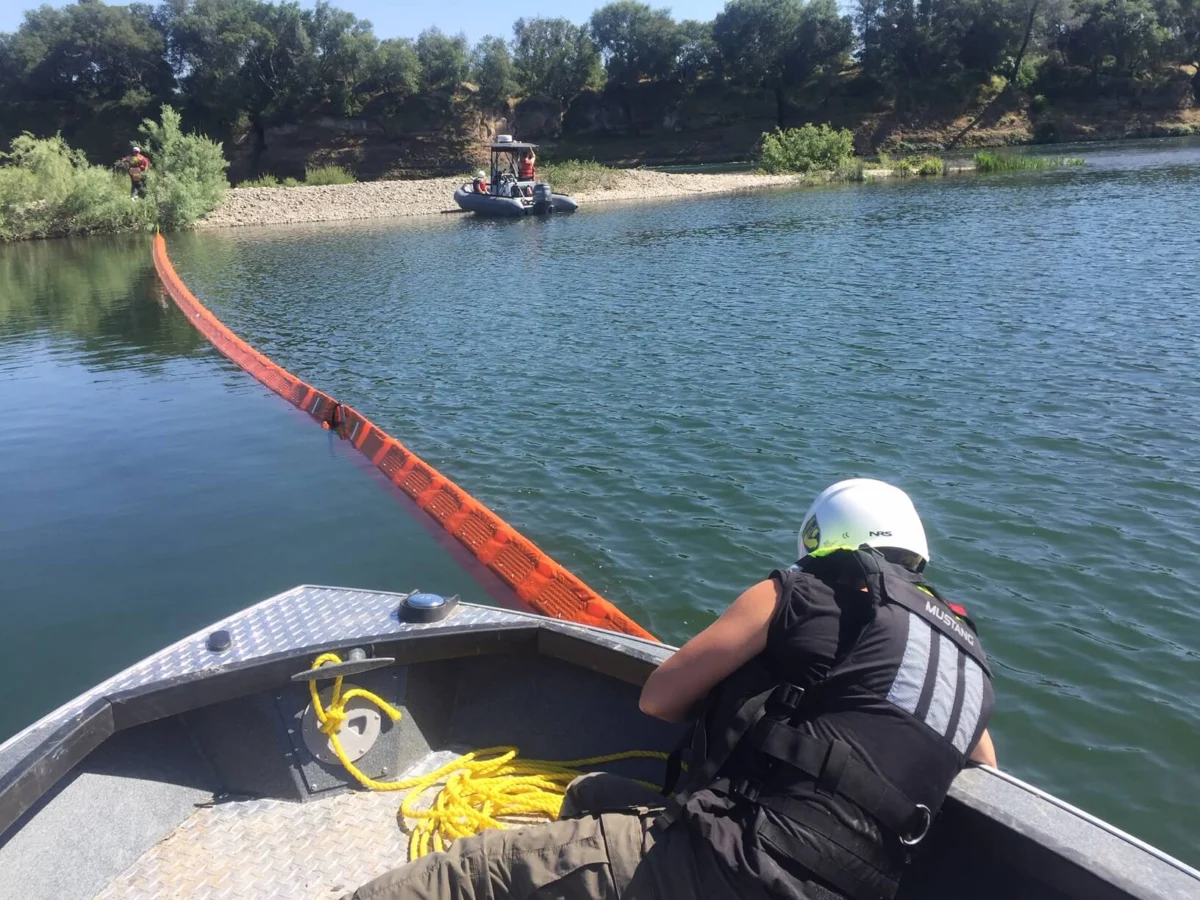
- Late Summer (August – September): The season will conclude with a pivot back to specialized technical education. MRG has scheduled a series of "Swiftwater Spill Response" classes, bridging the gap between recreational river use and industrial environmental protection.
Supporting Data: Understanding the Clark Fork’s Flow
To understand why the Alberton Gorge is currently considered the premier rafting destination in Western Montana, one must look at the specific data points of the Clark Fork.
The Mechanics of 4,000 CFS
A flow rate of 4,000 CFS on the Clark Fork is widely regarded by hydrologists and local guides as the "sweet spot." At this level, the river’s features are fully formed but not "washed out."
- Tumbleweed Rapid: At higher flows, this rapid can become a massive, daunting wave train. At 4,000 CFS, it provides a perfect balance of thrill and safety, allowing rafters to navigate through the heart of the hydraulics without the excessive risk associated with extreme high-water events.
- Upper Gorge Navigation: The emergence of rocks in the upper section of the gorge serves a dual purpose. For the guide, it requires a higher degree of precision and maneuvering. For the guest, it transforms a simple float into a lesson in river reading, as the raft must dodge obstacles that were hidden beneath several feet of water just a few weeks prior.
The Ecosystem of Safety
Montana River Guides emphasizes a culture of "intentional observation." Despite the friendly nature of the river, the inherent risks of moving water never dissipate. Data from local search and rescue teams suggest that the majority of river-related incidents in the Missoula area occur when individuals underestimate the river’s temperature or the mechanical advantage of moving water. MRG’s mandate for its clients—to always wear appropriate Personal Flotation Devices (PFDs) and to maintain constant visual contact with fellow group members—is not merely a suggestion, but a foundational pillar of their operational philosophy.
Official Responses and Professional Perspectives
The leadership at Montana River Guides emphasizes that their dual-track approach—balancing high-adrenaline rafting with high-level rescue education—is what sets their operation apart in a crowded tourism market.
"We aren’t just selling a boat ride; we are providing an education on how to interact with one of Montana’s most powerful resources," says a representative from the MRG team. "When you take a guided trip through the Gorge, you are getting the benefit of instructors who spent the last three months teaching the science of hydraulics. That level of professional oversight is invaluable for families who want to experience the thrill of the river without the anxiety of the unknown."
Regarding the upcoming Swiftwater Spill Response courses, the official stance from the firm is that river safety extends beyond human life and into the protection of the environment. By training professionals on how to safely deploy spill response equipment in wastewater and moving water environments, the company is positioning itself as a vital stakeholder in the regional effort to protect the Clark Fork watershed from industrial or accidental contamination.
Implications: The Future of River Stewardship
The shift in programming at Montana River Guides carries significant implications for the local community and the broader outdoor industry.
Economic Impact
As Missoula continues to grow as a destination for outdoor recreation, the economic footprint of the river guiding industry is substantial. By providing a safe, reliable, and educational experience, MRG helps ensure that the Clark Fork remains a sustainable revenue driver for local tourism. The accessibility of the Alberton Gorge at 4,000 CFS ensures that the business can cater to a wide demographic, from corporate retreats to multi-generational family vacations.
Environmental Stewardship
The transition to "Swiftwater Spill Response" training highlights an important reality: the Clark Fork is not just a playground; it is a critical artery of the state’s infrastructure. The ability to manage spills in moving water is a specialized skill that is in high demand, yet historically difficult to find instruction for. By integrating these classes into their late-summer schedule, MRG is providing a critical service to utility companies, environmental consultants, and local government agencies.
The "River-Ready" Mindset
Finally, the implications for the individual paddler are profound. The professionalization of river recreation in Missoula has fostered a "river-ready" culture. When locals and tourists alike see professional guides consistently practicing safety protocols, it sets a standard for the entire community. The emphasis on wearing the right gear and keeping a watchful eye on one’s companions is becoming the cultural norm on the Clark Fork, significantly reducing the burden on local emergency responders.
Conclusion: A Summer of Responsible Adventure
As the sun sets over the canyon walls of the Alberton Gorge, the reflection of the ripples on the Clark Fork serves as a reminder of the delicate balance between adventure and respect. Whether you are navigating the exciting hydraulics of Fang Rapid or observing the serene beauty of the river banks from a kayak, the message from the professionals at Montana River Guides is clear: enjoy the water, respect the river, and never stop learning.
With the current flow levels providing the ideal environment for both seasoned adventurers and those taking their first paddle, now is the time to engage with the river. For those seeking to sharpen their skills, the upcoming SWR courses offer a unique opportunity to gain the expertise required to act as a guardian of the waterway. For those simply seeking the thrill of the rapids, the Gorge remains the crown jewel of Missoula’s summer landscape.
As the season progresses, the synergy between recreation and education will continue to define the Clark Fork experience, ensuring that Montana remains a place where the wild, the fun, and the responsible coexist in perfect harmony.