By Elina Juva
September 10, 2026
On the first Saturday of September, a group of fifteen enthusiastic subscribers to Suomen Luonto gathered at the edge of the Bakunkärr nature trail in Sipoonkorpi National Park. This was no ordinary weekend hike; it marked the historic premiere of the Suomen Luonto Club, a new initiative designed to bring readers closer to the natural world through hands-on, expert-led field experiences. With the autumn mushroom season reaching its zenith, the day’s agenda was clear: to master the art of identification, understand the ecological role of fungi, and learn the safe, sustainable practices of foraging.
Leading the expedition was Anna Nyman, a seasoned biologist and certified wild-food advisor. Her mission was to transform a group of hobbyists into confident foragers, emphasizing not just the bounty of the forest, but the critical importance of safety and ecological stewardship.
Setting the Stage: The Mobile Exhibition
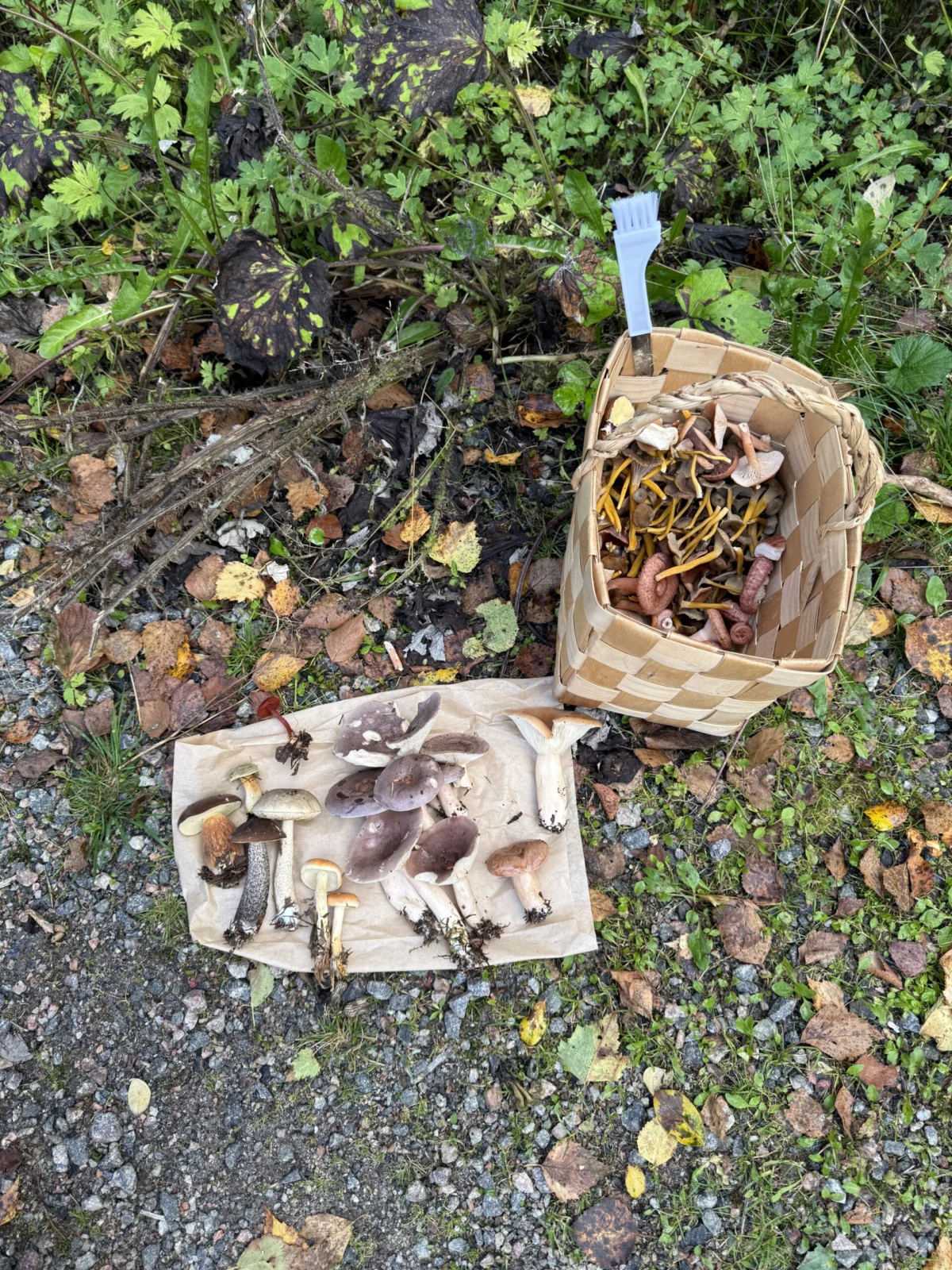
Before venturing into the thicket, Nyman set up a temporary "mushroom exhibition" on a folding table near the trailhead. For many, this served as the perfect introduction to the diversity of the Finnish fungal kingdom.
The display featured a curated selection of species gathered from the surrounding forest, ranging from familiar favorites like chanterelles to more nuanced species such as Lactarius (milk caps) and Russula (brittlegills). Nyman encouraged participants to engage all their senses: the texture of the caps, the specific scent profiles of different families, and the subtle color variations that distinguish edible species from their look-alikes.
"Identification is a skill that demands patience," Nyman noted, as she walked the group through the differences between the gills, pores, and ridges of various specimens. By utilizing labeled cards and side-by-side comparisons, participants were able to bridge the gap between textbook knowledge and real-world observation. This tactile, sensory-based learning proved essential for building the confidence needed to forage independently later in the day.
The Hunt: A Deep Dive into Sipoonkorpi
Once the exhibition concluded, the group moved into the forest. The atmosphere was electric, reminiscent of a treasure hunt. For the next two hours, the participants combed the forest floor, their eyes scanning the moss and decaying wood for the tell-tale signs of a successful harvest.
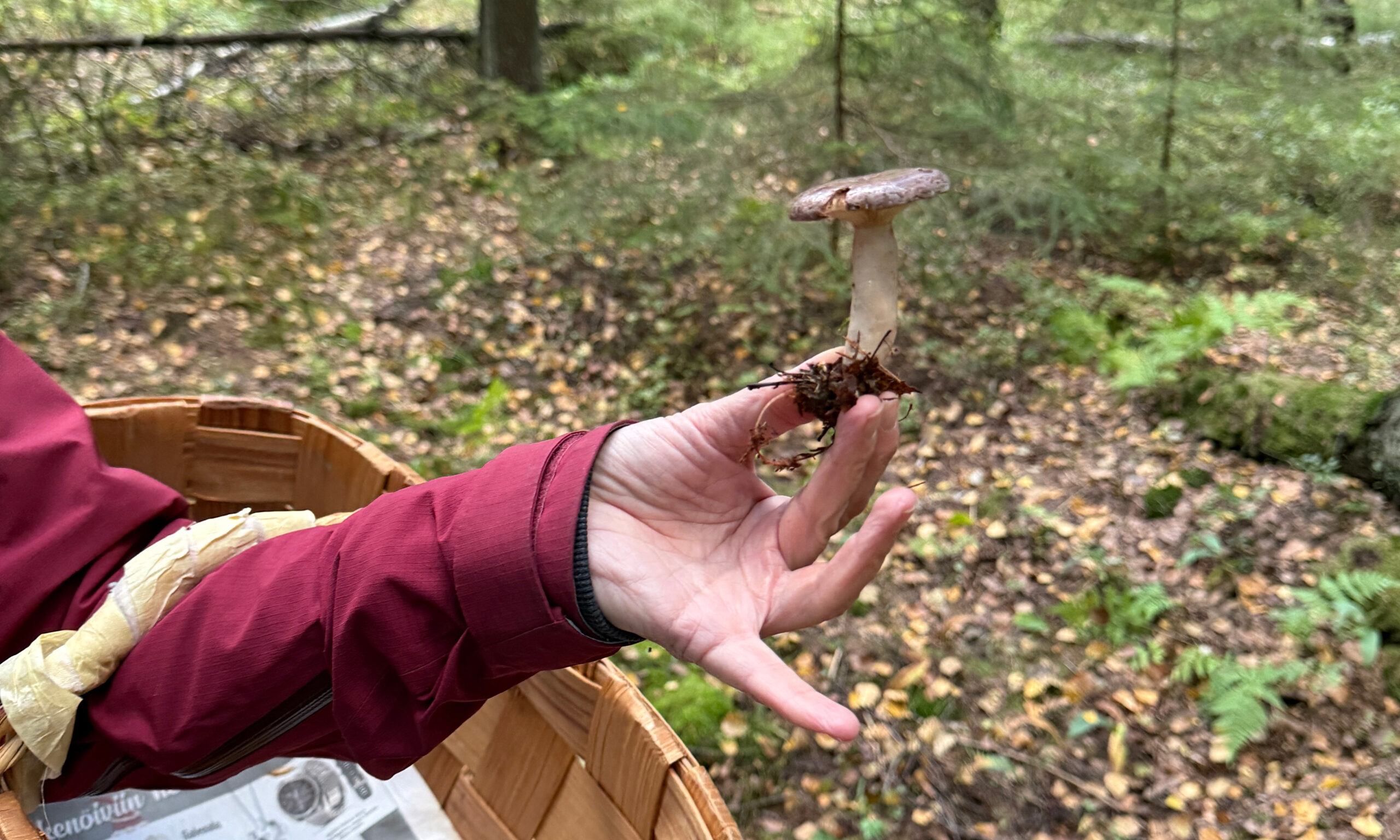
The interaction between the guide and the participants was constant. Every few minutes, a cry of discovery would ring out, followed by a flurry of activity as someone brought their find to Nyman for verification. "Is this a Lactarius rufus (rufous milk cap)?" one participant asked, holding up a specimen with cautious excitement. "And is it worth putting in the basket?"
Key Lessons from the Field
Throughout the three-hour excursion, the group covered several critical areas of mushroom biology and foraging ethics:
- Species Identification: Distinguishing between similar-looking edible and toxic species.
- Ecological Context: Understanding which trees and soil types favor specific fungi.
- Sustainable Harvesting: Learning how to clean mushrooms in the field and why it is important to return non-edible or damaged specimens to the forest floor to support the ecosystem.
- Toxicology Awareness: Learning to identify dangerous species like the Cortinarius rubellus (deadly webcap) or the Amanita virosa (destroying angel).
One particularly illustrative moment occurred when Nyman held up a Paxillus involutus (brown roll-rim). Once considered edible, it is now known to be dangerous, sometimes leading to fatal poisoning if consumed repeatedly over a long period. "It is a common mistake," she warned, "but it highlights why we must never rely on outdated knowledge. Always verify with current, scientific sources."

The Science of Safety
The most significant takeaway of the day was the fundamental rule of foraging: If you are not 100% certain of a mushroom’s identity, leave it in the ground.
As the group moved deeper into the forest, they encountered a variety of species that perfectly demonstrated the necessity of this rule. Participants found edible gems such as Craterellus tubaeformis (trumpet chanterelle) and Hydnum repandum (wood hedgehog), but they also found species that were notoriously difficult to identify without a guide.
Nyman emphasized the use of modern technology to aid in identification—using mobile applications as a starting point—but stressed that these tools are merely assistants, not final authorities. The group’s ability to successfully distinguish a trumpet chanterelle from the mildly toxic Omphalotus look-alikes was a testament to the effectiveness of the direct, expert-led training.
Final Inspection and Foraging Ethics
As the excursion neared its end, the group reconvened at the trailhead for a comprehensive inspection of their baskets. This final review was perhaps the most crucial step of the afternoon.
Nyman methodically checked every participant’s harvest. Specimens were separated into three categories: those ready for the frying pan, those requiring parboiling, and those that needed to be discarded. Any fragments of mushrooms that were identified as inedible or overly mature were scattered back into the forest, serving as compost and spore sources for future seasons.

"The goal is not to strip the forest bare," Nyman reminded the group. "It is to participate in the cycle of the forest responsibly."
Implications: The Future of the Suomen Luonto Club
The success of this first excursion highlights a growing desire among the public for structured, expert-led nature engagement. As urban populations become increasingly disconnected from the sources of their food, initiatives like the Suomen Luonto Club provide a vital service: fostering a deeper, more responsible relationship with the environment.
For the participants, the day was not just about the kilograms of mushrooms they brought home, but the shift in perspective. They walked into the forest seeing "green" and walked out seeing an intricate, edible, and fascinating ecosystem.
Moving Forward
The feedback from the inaugural event was overwhelmingly positive. Participants praised the blend of formal instruction and informal, guided exploration. The organizers have already confirmed that they intend to offer digital follow-up resources, including detailed notes and a curated list of "next-step" resources from the Suomen Luonto digital archives, such as the "Sieniekstra" (Mushroom Extra) guide.
For those interested in participating in future events, membership in the Suomen Luonto Club is now a core benefit of the magazine’s subscription. As the season progresses, the club aims to host events covering everything from bird migration patterns to winter tree identification.

Reflections of a Participant
Reflecting on the day, it became clear that the value of the trip extended far beyond the culinary rewards. While the prospect of preparing a creamy milk-cap dip using the freshly picked harvest was certainly a highlight, the real "catch" of the day was the acquisition of a new, lifelong skill.
"I’ve been picking mushrooms for years," one participant noted, "but I’ve always stuck to the three or four I learned from my grandmother. Today, I’ve gained the confidence to identify at least five new species. It changes how you walk through the woods."
The Suomen Luonto Club has officially set a high bar for its future outings. By combining professional expertise with the passion of its subscribers, the magazine is proving that environmental journalism is not just about reading the news—it is about experiencing it firsthand.
Are you ready for your next forage?
As the autumn season continues, don’t forget to consult the Suomen Luonto digital archives. Our "Sieniekstra" provides high-resolution images, habitat guides, and preparation tips for over fifty Finnish mushroom species.
Become a subscriber today to gain full access to our digital content and secure your spot in our upcoming seasonal events. Join a community of nature lovers dedicated to understanding and protecting our unique northern landscape.