HELSINKI, FINLAND – The Finnish Canoe and Rowing Federation (FCRF) is celebrating a highly successful inaugural year for its pioneering digital boathouse logbook, a transformative initiative designed to modernize club operations across the nation. Following a comprehensive pilot phase involving 17 paddling and rowing clubs and approximately 1,200 active users, a recent user survey has delivered an unequivocal mandate for continued development, underscoring the service’s vital role in the future of Finnish water sports.
The digital logbook, a forward-thinking replacement for traditional paper-based systems, has proven to be a pivotal step in enhancing efficiency, improving equipment management, and fostering greater member engagement within the FCRF’s extensive network of clubs. The overwhelmingly positive feedback from the pilot community provides a robust foundation for the system’s evolution, solidifying its position as a cornerstone of modern club administration.
The Genesis of Innovation: Modernizing Club Operations
For decades, Finnish paddling and rowing clubs, like countless sports organizations worldwide, have relied on manual, often paper-based, systems to manage their most critical assets: their fleet of canoes, kayaks, and rowing boats. These traditional methods, while familiar, often presented a myriad of challenges, including difficulties in tracking equipment usage, checking availability in real-time, compiling accurate statistics, and ensuring timely maintenance. The administrative burden on volunteers, who are the lifeblood of these clubs, was considerable.
Recognizing the imperative for modernization, the Finnish Canoe and Rowing Federation embarked on an ambitious project to develop a centralized digital boathouse logbook. The primary goal was to create an intuitive, accessible platform that would streamline equipment reservation, provide valuable usage insights, and enhance the overall operational efficiency of its member clubs. This initiative was not merely about digitizing a paper log; it was about empowering clubs with tools to manage their resources more effectively, engage members more dynamically, and ultimately, grow the sports of canoeing and rowing.
The pilot phase was strategically launched to gather authentic user experiences from a diverse range of clubs and user groups. This approach ensured that the development process would be grounded in real-world needs and practical applications, allowing for agile adjustments and the rapid integration of user-suggested improvements. The Federation understood that for such a system to succeed, it needed to be built with the users, not just for them.
User Feedback: A Resounding Mandate for Progress
A user survey conducted in late summer, with responses from 97 active participants, provided invaluable insights into the service’s performance and potential. The results unequivocally affirm the digital logbook’s value and the strong desire for its ongoing enhancement.
Key Survey Findings (on a 1-5 scale, where 5 is excellent):
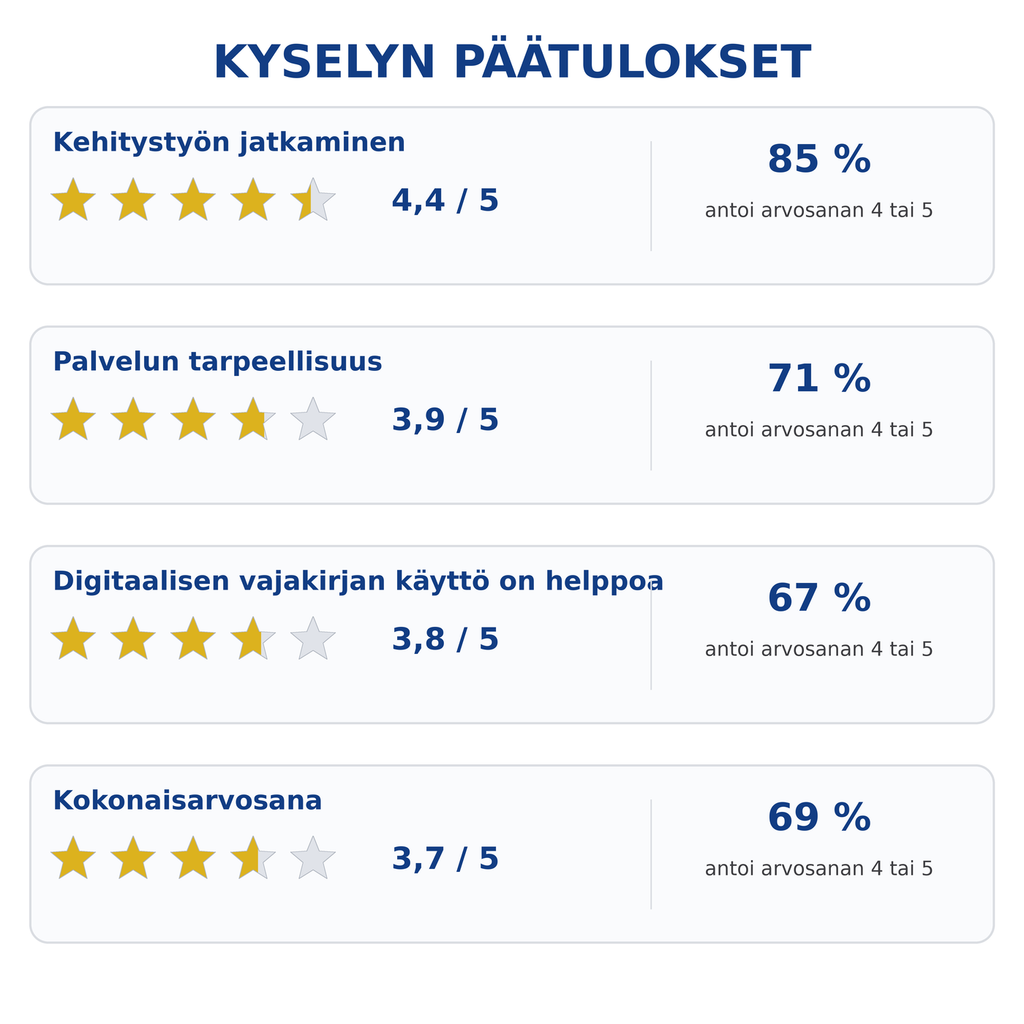
- Support for Continued Development: The most crucial finding was the resounding support for the digital logbook’s ongoing development, receiving an impressive average rating of 4.4. A significant 85% of respondents rated further development with a 4 or 5, indicating a strong belief in the platform’s future potential and a desire to see its capabilities expanded.
- Perceived Necessity: Users rated the necessity of a digital boathouse logbook at 3.9. A substantial 71% of respondents awarded its necessity a 4 or 5, confirming that the service addresses a genuine need within the clubs and is seen as a valuable asset.
- Overall Satisfaction: The digital logbook achieved an overall satisfaction rating of 3.7. Close to 70% (69%) of respondents gave the service an overall rating of 4 or 5, reflecting a generally positive user experience even in its pilot stage.
These robust figures underscore the immediate and tangible benefits users have experienced, while simultaneously highlighting a collective vision for a more comprehensive and feature-rich platform.
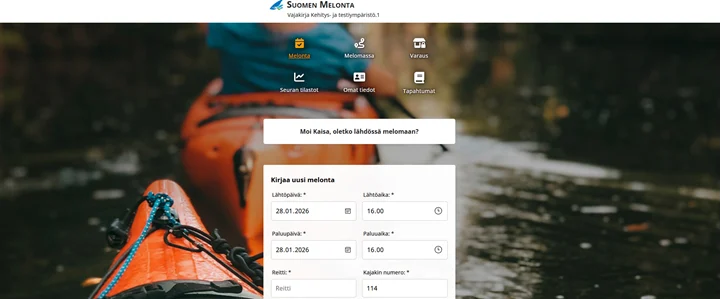
Users particularly lauded the system’s ability to facilitate equipment reservation and real-time availability checks. This feature alone has dramatically reduced conflicts over equipment, optimized utilization rates, and minimized frustration among members. The digital service also introduced new monitoring and tracking possibilities, offering unprecedented insights into equipment usage patterns, popular routes, and peak activity times – data that was previously cumbersome, if not impossible, to collect with paper logs.
Beyond current benefits, the survey revealed a wealth of development ideas directly from the user base. These suggestions ranged from practical enhancements to ambitious new functionalities, including:
- Reminder functions: Automated notifications for reservations, return times, or maintenance alerts.
- Mobile optimization and dedicated app: Enhancing the user experience for members accessing the system via smartphones, a common mode of interaction.
- Advanced equipment management tools: Features for tracking maintenance schedules, repair history, and equipment lifecycles.
- Improved statistics and reporting: More sophisticated analytical tools for clubs to understand usage trends, member activity, and resource allocation.
- Safety-supporting features: Integration of emergency contact information, trip planning tools, or weather alerts to enhance safety protocols.
The strong desire to participate in the service’s development was palpable throughout the feedback, showcasing a highly engaged user community eager to co-create the future of their club management tools. This collaborative spirit is a testament to the Federation’s inclusive approach and the genuine value users perceive in the platform.
Voices from the Water: Pilot Clubs Share Their Experiences
The success of the digital logbook is perhaps best illustrated by the enthusiastic endorsements from the pilot clubs themselves. Their experiences highlight the practical advantages and the transformative impact the system has had on their day-to-day operations.
Asko Lindén from Melaveikot shared insights into their club’s adoption process: "At Melaveikot, we introduced the digital boathouse logbook alongside our traditional paper log. This modernization was something many members had hoped for, and the new digital system has been very well received. The service is primarily used on mobile phones, and the user experience has proven to be smooth and efficient. From the club’s perspective, the most significant benefits are related to monitoring paddling statistics and equipment usage statistics. In the future, this data will be directly available from the system, ready for analysis. Our club plans to expand the use of the service in the coming years."
Lindén’s comments underscore the system’s ease of use, particularly for mobile users, and its power to generate valuable data that was previously difficult or time-consuming to compile. This data empowers clubs like Melaveikot to make informed decisions about equipment procurement, resource allocation, and program planning.
Hanna Metsä-Heikkilä from Kotkan Melojat also provided a glowing account: "Kotkan Melojat approached the pilot phase with great enthusiasm and interest. The implementation of the service went smoothly, and it was particularly easy to motivate new paddlers and younger members to use it. Even older members became more active with the system during the summer. In our club, the event calendar and event registration features have been exceptionally useful. Additionally, the statistical features provide valuable information for both individual members and the club as a whole. With the ongoing development work by the Federation, the usability and fluidity of the service are likely to improve even further. All in all, this is a very good and useful service, even for a small club. Larger clubs with more users will certainly benefit even more from it."
Metsä-Heikkilä’s observations highlight the digital logbook’s role in fostering engagement across different age groups and its ability to simplify administrative tasks like event management. The event calendar, a feature not explicitly mentioned in the general benefits but clearly valued by Kotkan Melojat, exemplifies how tailored digital tools can enhance community building and participation within clubs. Her note about the benefits for both small and large clubs speaks to the scalability and adaptability of the system.
Strategic Vision: The Federation’s Perspective
Kai Lindqvist, the FCRF’s Education and Hobby Coordinator, expressed immense satisfaction with the pilot year’s outcomes. "The goal of the pilot phase was to gather genuine user experiences from various clubs and user groups. In this respect, the first year was an outstanding success," Lindqvist stated. "Users provided a wealth of concrete observations and development proposals throughout the summer, both directly and through the feedback survey. Based on this feedback, we have gained a clear direction for the service’s continued development. The service was already being developed during the summer, and new features were rapidly made available to the pilot clubs. From the Federation’s perspective, the digital boathouse logbook has fulfilled the objectives set for it."
Lindqvist’s remarks emphasize the iterative and responsive nature of the development process. The ability to quickly implement new features based on real-time feedback is a critical advantage of agile software development and demonstrates the Federation’s commitment to delivering a truly user-centric product. For the FCRF, the digital logbook represents more than just a piece of software; it’s a strategic tool to strengthen member clubs, streamline their operations, and ensure the long-term vitality of canoeing and rowing in Finland. It aligns with the Federation’s broader mission to support, educate, and empower its community.
Charting the Course Ahead: Future Development and Implications
The Finnish Canoe and Rowing Federation is fully committed to continuing the development of the digital boathouse logbook based on the invaluable insights garnered from the pilot year. The experiences unequivocally demonstrate a clear demand for such a service and a strong user perception of its potential to revolutionize future club activities. The first year has established a crucial foundation upon which the digital logbook can be collaboratively built into an even more functional and indispensable service, hand-in-hand with its users and clubs.
The implications of this digital transformation are far-reaching:
- Enhanced Operational Efficiency: Clubs can move away from manual, error-prone systems, freeing up valuable volunteer time for core activities like coaching, organizing events, and community building.
- Improved Member Experience: Real-time information on equipment availability, easy reservation processes, and access to personal statistics can significantly enhance member satisfaction and engagement.
- Data-Driven Decision Making: The rich data collected on equipment usage, popular routes, and activity levels provides clubs with powerful insights to optimize resource allocation, plan maintenance, and tailor programs to member interests. This shift towards data-informed management is a significant leap forward for sports clubs.
- Increased Safety: Future integration of safety features, such as emergency contacts, trip logging, and potentially weather warnings, could significantly enhance safety protocols for paddlers and rowers.
- Sustainability and Modernization: Embracing digital solutions positions clubs as modern, forward-thinking organizations, attracting new, often younger, members who expect seamless digital interactions. It also reduces reliance on paper, contributing to environmental sustainability.
- Standardization and Best Practices: A centralized system allows the FCRF to promote best practices in club management across all its member organizations, fostering a more consistent and professional approach to club operations nationwide.
All development ideas and user requests received, along with the new features already implemented, have been meticulously compiled and are available for review on the Federation’s dedicated digital logbook webpage. This transparency further reinforces the collaborative spirit of the project.
The success of the digital boathouse logbook’s pilot year is a testament to the Finnish Canoe and Rowing Federation’s visionary leadership and its commitment to empowering its member clubs through technological innovation. As the development journey continues, the digital logbook is poised to become an essential tool, not only streamlining daily operations but also fostering a more connected, efficient, and vibrant future for canoeing and rowing in Finland.
For more information, please contact:
Kai Lindqvist
Education and Hobby Coordinator
Finnish Canoe and Rowing Federation
Tel: +358 50 5113 639
Email: [email protected]