In the world of Finnish sports, few questions resonate as deeply as, "Which club does your heart beat for?" As September brings the annual celebration of "Club Shirt Day," this inquiry transcends mere fandom. It is a testament to identity, community, and the profound, often invisible, labor that sustains the bedrock of Finnish society: the local sports club.
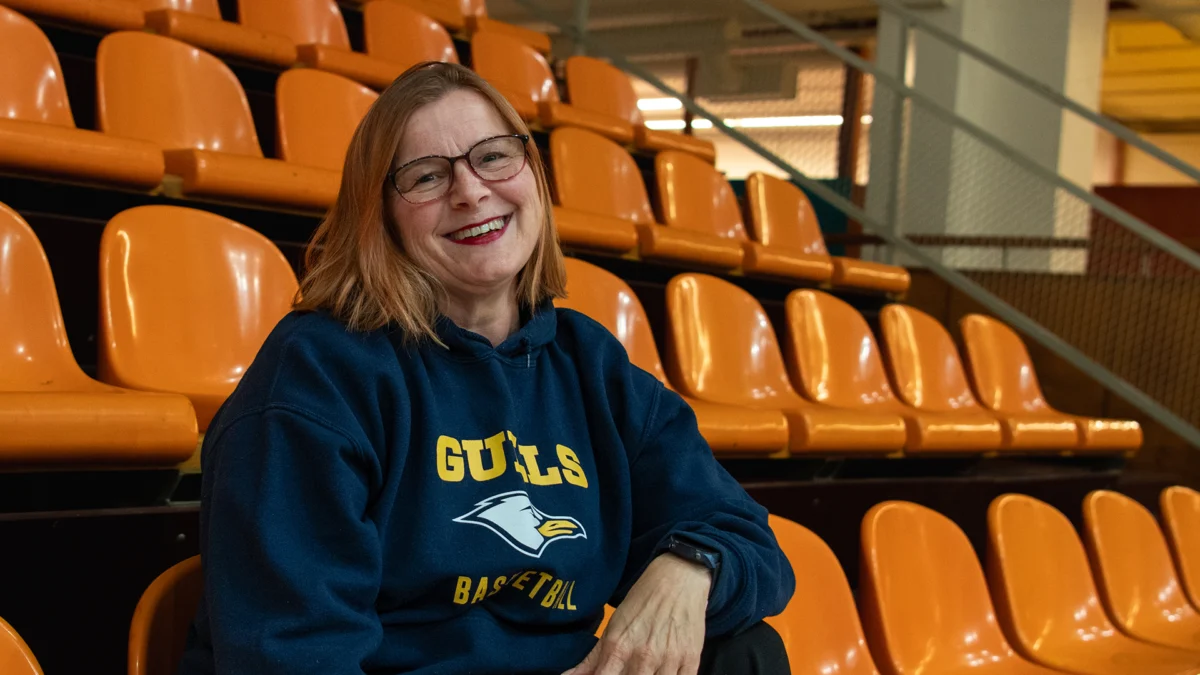
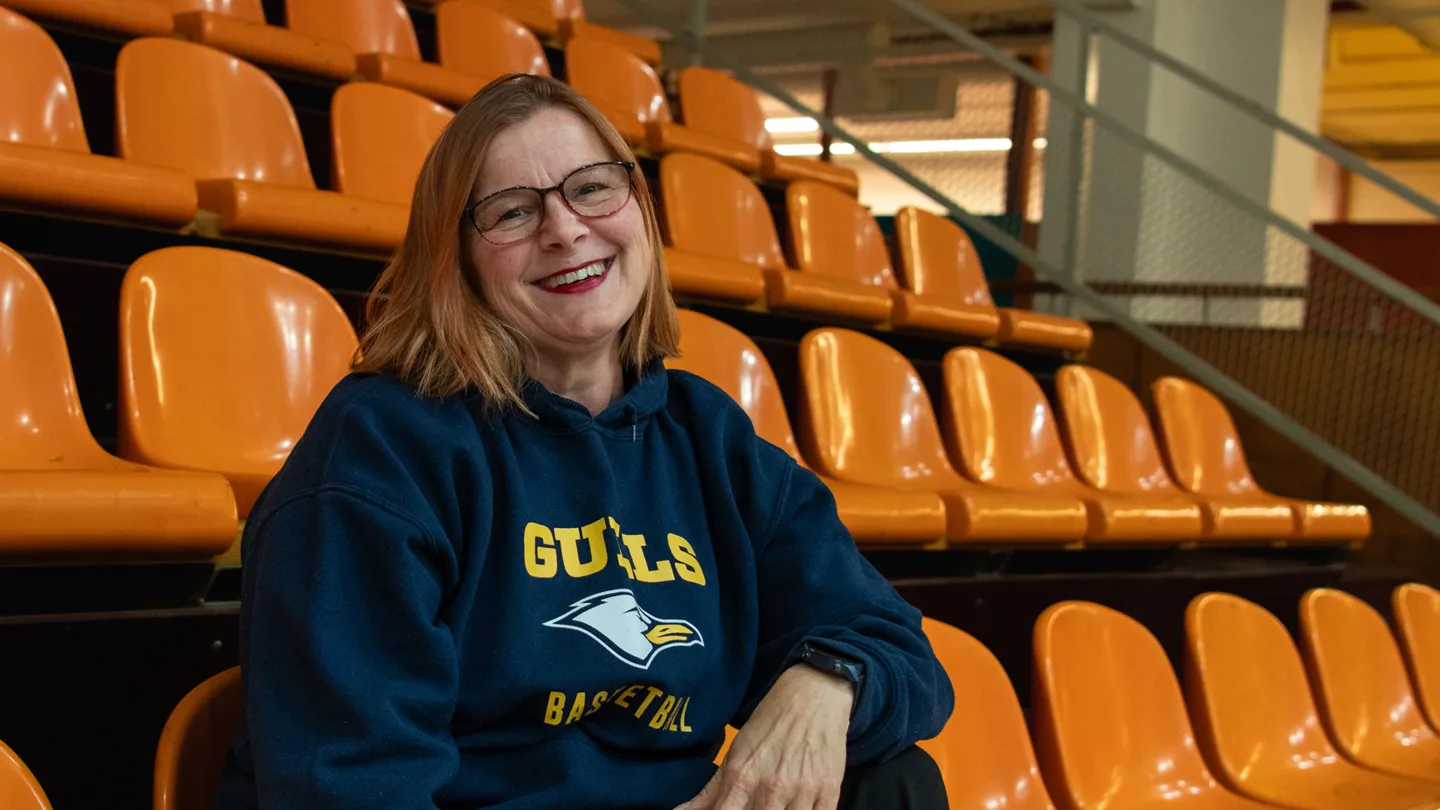
For Maarit Mansikka, a devoted basketball enthusiast whose journey spans decades and multiple organizations, this question isn’t just about loyalty—it is about the chapters of her life. From the grassroots courts of her youth to the roaring stands of the Kisahalli, Mansikka’s story is a vivid illustration of how sports clubs serve as the vital connective tissue of the community.
Chronology of a Basketball Life
Maarit Mansikka’s relationship with basketball began at the tender age of eight. Like many Finnish children, her initial spark was ignited within the humble walls of a school sports club. It was here that she first felt the rhythm of the game, a passion that quickly transitioned from a casual school activity to a committed role in a competitive club team.
The Formative Years and the Hiatus
Throughout her youth and teenage years, basketball was the central pillar of Mansikka’s life. However, as the demands of early adulthood and family life took precedence, she stepped away from the court. It was a common, natural progression for many, yet her story did not end there. The sport proved to be a magnetic force; when her own children began to show interest in basketball, Mansikka found herself pulled back into the fold. This time, however, her involvement would evolve from player to architect of the sporting experience.
The ToPoLa Era: Building from Within
Her return led her to the Lauttasaari-based club, ToPoLa. For Mansikka, ToPoLa represents the quintessential "heart club." Her involvement was transformative. Moving beyond the role of a supportive parent, she dove into the machinery of club management. She served as a team leader, a coach, and a board member.
Perhaps most notably, Mansikka was a pioneer in creating the "Mammasarja" (Mom’s League) within the Finnish Basketball Association—a project that has since evolved into a thriving national women’s fitness league. "I didn’t know anything about board work or governance when I started," she recalls. "But I was surrounded by support, and we learned how to build these structures together."
The Seagulls Phenomenon: From Skeptic to Superfan
In 2013, the landscape of Helsinki basketball shifted with the birth of Helsinki Seagulls. Initially, Mansikka—as a loyal ToPoLa board member—was wary. When the new professional team requested training time at ToPoLa’s already crowded facilities, she was one of the vocal opponents.
"I thought, we cannot take time away from the youth," she says with a laugh. However, fate had other plans. A friend invited her to watch a crucial qualification match, and the atmosphere was electric. Mansikka was hooked. She soon transitioned from a casual spectator to the leader of the official fan group. For four years, she was the heartbeat of the Seagulls’ cheering section, managing the fan community through its most formative growth phase. Even today, though she has relocated outside of Helsinki, she remains a fixture at the Kisahalli, often found behind the drums, keeping the beat for the team she loves.
The "Rough Diamonds": Community Beyond Status
Today, Mansikka’s own court time is spent with "Rough Diamonds," a team within Pakilan Visa. This group is a manifestation of everything she fought for during her time in administration: a space where the outside world ceases to exist.
"When you put on your gear, it doesn’t matter what you do for a living or what your social status is," she explains. "On the court, we are all equal. We are friends who want the best for each other. That is incredibly meaningful."
Her role as a founding member of this team echoes her earlier work with the national women’s fitness leagues. It serves as a reminder that the club is not just a place to compete; it is a vital social network for adults, offering a sanctuary from the pressures of modern life.
Supporting Data: The Power of the Finnish Sports Movement
The story of Maarit Mansikka is not an isolated incident; it is a microcosm of the Finnish sporting ecosystem. The data supporting this sector is staggering:
- Participation Rates: Approximately one-third of the Finnish population is involved in sports club activities in some capacity.
- The Scale of Engagement: There are currently 1.8 million people involved in the Finnish club network. This encompasses athletes, coaches, board members, referees, and the massive army of volunteers who maintain facilities and organize events.
- Social Impact: The sports club model is widely regarded as the largest "popular movement" in Finland. Its impact extends beyond physical health to mental well-being, integration, and the cultivation of democratic participation skills.
These figures illustrate why events like "Club Shirt Day" are not merely marketing exercises, but necessary acknowledgments of a massive, decentralized social infrastructure.
Official Perspectives: The Value of Voluntary Work
Organizations like the Finnish Olympic Committee emphasize that the sustainability of this model rests entirely on the shoulders of individuals like Mansikka. The official position of the Committee is that clubs are the primary providers of communal belonging in Finnish society.
"When we talk about ‘Club Love,’ we are talking about the foundation of our social cohesion," says a representative of the Finnish sports governing bodies. "Every person who takes a turn in the canteen, every volunteer who drives a van to an away game, and every parent who sits on a board is a pillar of that foundation."
The implication of this is clear: if the volunteer spirit wanes, the accessibility of sport for the next generation of youth—and the social support for adults—is placed in jeopardy. The government and local municipalities rely heavily on this volunteer-led model to provide affordable and accessible physical activity, saving the state billions in potential long-term healthcare costs.
Implications for the Future of Fandom
As the landscape of professional sports becomes increasingly commercialized, Mansikka offers a poignant reminder of the importance of grassroots loyalty. Her message to the next generation of fans is one of endurance and support:
"I hope fan culture remains supportive rather than critical," she says. "It is easy to cheer when the team is winning. But if the team is struggling, I want to believe that fans are there to support them through the hard times as well. That is what being a part of a club really means."
Looking Ahead to Club Shirt Day
As the nation prepares for the upcoming Club Shirt Day, the narrative surrounding sports is shifting. It is no longer just about the professional elite or the scoreboard. It is about the community, the friendships formed on the court, and the collective memory of shared experiences.
For Maarit Mansikka, the drumbeat at the Kisahalli will continue. Whether she is playing in the Kuntosarja or cheering from the stands, her journey serves as an enduring reminder that a club is not just an organization—it is a family. It is a place where you show your colors, not just in the clothes you wear, but in the time and heart you invest.
In an era of increasing digital isolation, the physical space of the sports club remains a rare, vital hub of human connection. As Finland celebrates its sports heritage this September, it is stories like Mansikka’s that remind us why these clubs exist: not just to play the game, but to build a community that lasts a lifetime.