Date: September 29, 2026
Author: Samuli Haapasalo (Reporting for Vuosi luonnossa)
Introduction: A Chance Encounter on the Eve of Autumn
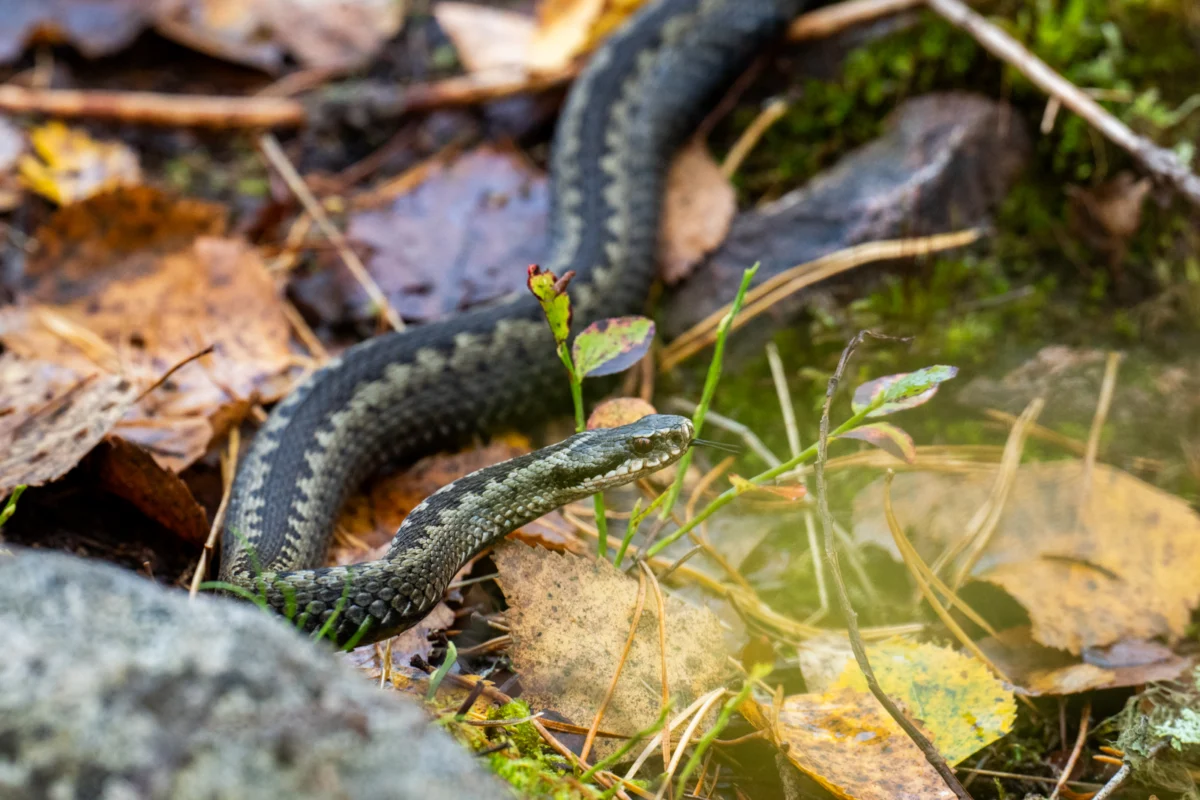
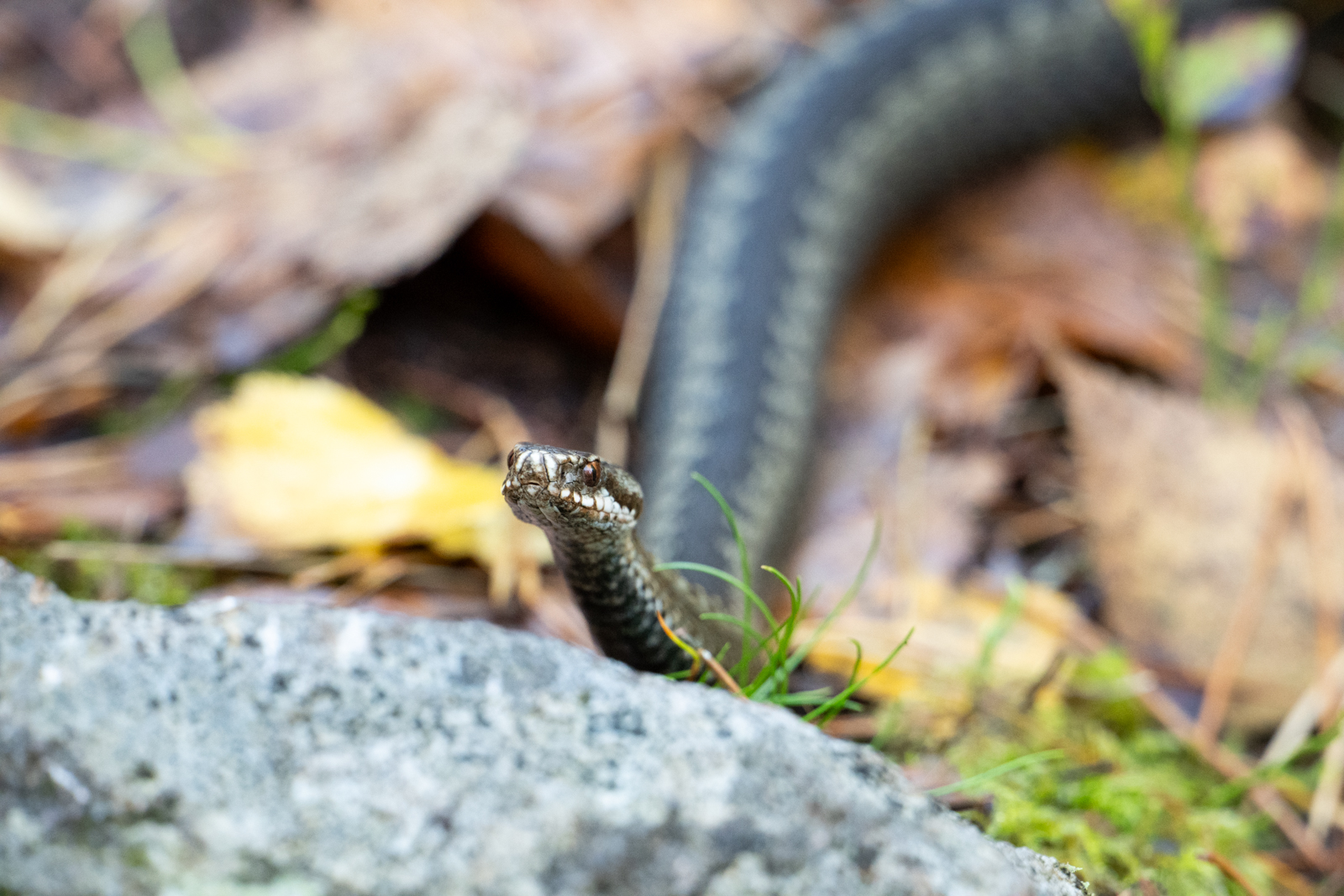
On September 22, 2026—the eve of the autumnal equinox—the Finnish forest was already whispering the quiet transition toward the darker half of the year. While hiking a secluded trail in Sipoo, I found myself in an unexpected face-to-face encounter with one of nature’s most misunderstood residents: the common European adder (Vipera berus).
The encounter was a stark reminder of the seasonal clockwork that dictates life in the Nordic wilderness. As the temperatures began their inevitable downward slide, this particular adder was preparing for a journey that every cold-blooded creature in this region must master: the transition from the vitality of summer to the metabolic stillness of winter hibernation. This article explores the biology, the behavior, and the critical survival strategies of these reptiles as they retreat into the earth.
Chronology: The Seasonal Cycle of the Adder
The life cycle of an adder in Finland is a high-stakes balancing act between energy acquisition and conservation.
- Spring (April): The emergence. Adders typically emerge from their winter dens as the sun begins to warm the rocky crevices, usually around April. This is the time for mating and replenishing energy reserves.
- Summer: The period of activity. Adders spend these months hunting small rodents, lizards, and frogs, while carefully thermoregulating by basking in patches of sunlight.
- September (The Transition): As daylight hours diminish and the temperature drops, the adder’s metabolism slows. This is the "pre-hibernation" phase, where the focus shifts from hunting to finding a secure, frost-free shelter.
- Late September/Early October: The onset of hibernation. My encounter in Sipoo occurred during this exact window—a final, sluggish attempt by the snake to move toward its chosen winter sanctuary.
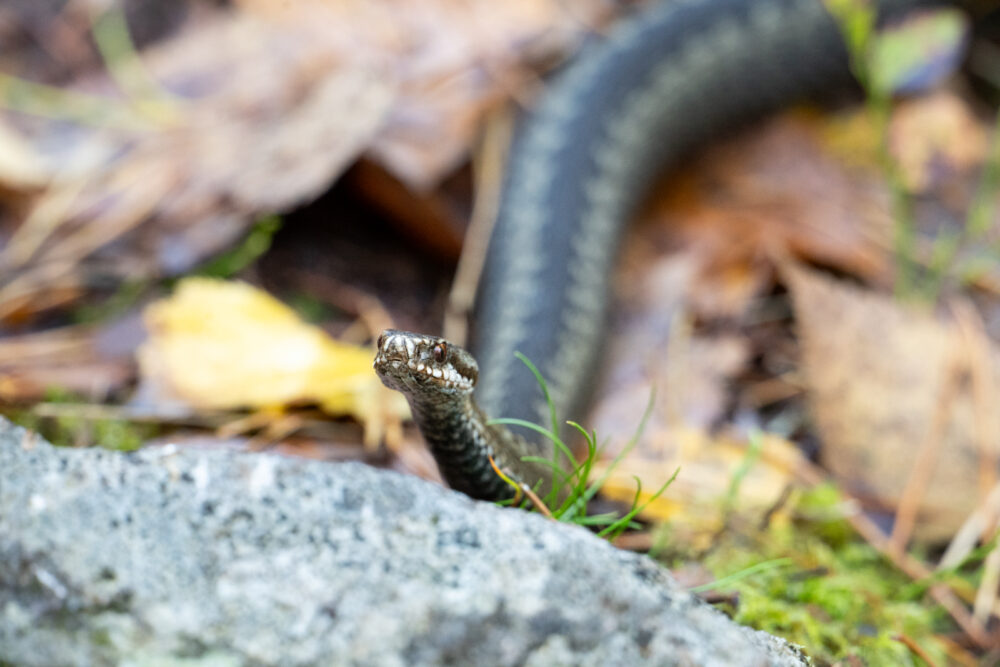
My observation of this large, well-fed male—likely preparing for its long sleep—highlights how fleeting these interactions are. As I stood on the trail, the snake rose slightly, leaning against a stone, its forked tongue flickering to analyze my presence. It was not aggressive, but rather cautious, its movements characterized by the slow, deliberate grace of a creature whose body temperature is entirely dependent on the environment.
Supporting Data: The Science of Winter Survival
To better understand the biological necessity of this retreat, one must look at the research provided by experts in the field. The work of Niina and Joonas Gustafsson, who have maintained the comprehensive resource sammakkolampi.fi since 1999, serves as an essential guide to Finland’s herpetofauna.
The Mechanism of Hibernation
Hibernation in adders is not a sleep in the human sense; it is a profound physiological state known as brumation. During this period, the adder’s heart rate drops significantly, and its metabolic rate plummets to the minimum required to keep cells alive.
The primary challenge is thermal management. If an adder freezes, it dies. Therefore, the choice of a hibernaculum—a winter den—is a matter of life and death.
- Depth and Insulation: Ideal locations are often found in ancient shorelines where rounded rocks provide deep, insulated voids that can extend meters underground.
- Microclimates: Even a modest crack in a granite cliff can suffice, provided it is deep enough to reach a stable temperature below the frost line.
- Communal Living: These sites are often communal. It is not uncommon for dozens, or even hundreds, of adders—and sometimes other species like grass snakes—to congregate in the same crevice. By huddling together, they optimize the retention of the limited thermal energy available.
Official Perspectives on Biodiversity
The conservation of these sites is a pillar of maintaining biodiversity in the Finnish landscape. While the common adder is widely distributed, the loss of undisturbed, rocky, and forested habitats threatens the continuity of these populations.
According to ecological experts, the adder acts as an indicator species. Its presence in a forest ecosystem suggests a healthy population of prey species and the availability of diverse micro-habitats. When we protect the rocky slopes and ancient stone formations where these snakes hibernate, we are implicitly protecting a wide array of other species—from insects and spiders that occupy the same crevices to the small mammals that sustain the adder during the active season.
The "Sammakkolampi" database emphasizes that every member of the herpetofauna—whether a common frog, a sand lizard, or a smooth snake—plays a specific role in the web of life. The adder, as a predator, helps keep rodent populations in check, thereby serving a functional role in both agricultural and wild ecosystems.
Implications: The Challenge of the Long Winter
The adder I encountered in Sipoo was remarkably large, suggesting it had been successful in its summer hunting. A healthy weight is essential for survival; the snake must carry enough fat reserves to sustain its minimal biological functions for over six months without a single meal.
The Risks of Interrupted Hibernation
The changing climate poses a significant threat to these wintering strategies. If a winter features "false starts"—periods of unseasonably warm weather followed by deep freezes—the adder may be tricked into becoming active, wasting precious energy reserves that it cannot replenish. This premature exhaustion of energy is a leading cause of mortality in northern reptile populations.
What Hikers Should Know
The encounter in Sipoo served as a gentle reminder of the necessity of co-existence.
- Respect the Space: If you encounter a snake on a trail, give it space. It is likely more terrified of you than you are of it.
- Avoid Disturbance: Never move large rocks or disturb stone piles in the autumn or spring, as these could be active hibernation sites.
- Observe and Learn: Utilize resources like sammakkolampi.fi to educate yourself. Understanding the lifecycle of the adder changes the narrative from one of fear to one of fascination.
Conclusion: A Fragile Peace
As I watched the adder slowly retreat into the dense undergrowth, its movements were a stark contrast to the rapid, frenetic pace of human life. It was a creature of the earth, bound by the rhythms of the sun and the cooling soil.
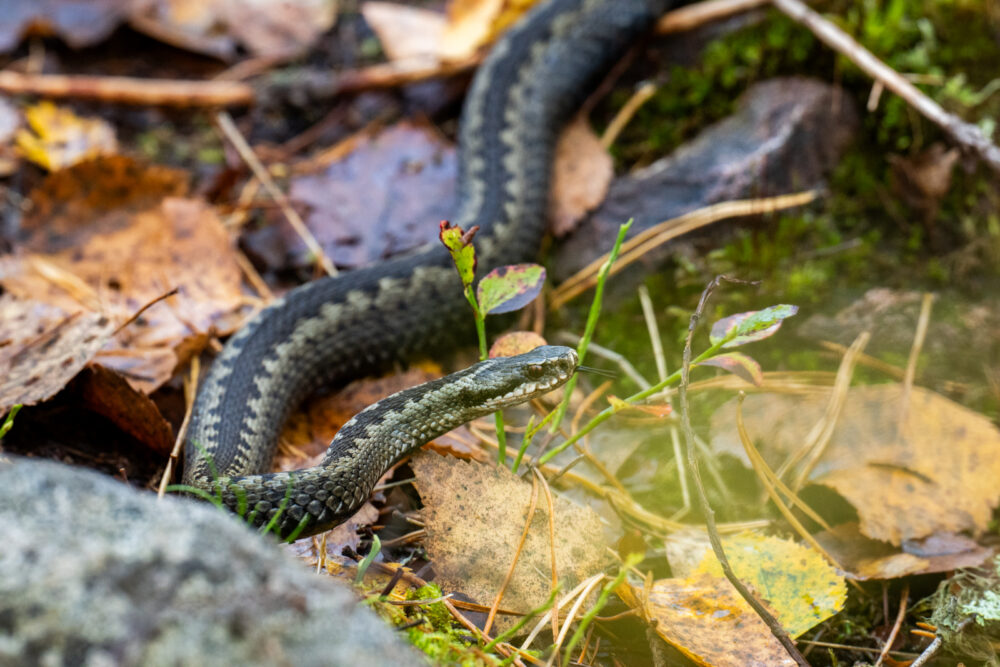
The adder’s departure into the darkness of the earth is a testament to the resilience of life in the north. It is a reminder that nature is not merely a backdrop for our activities, but a complex, ancient system that requires our awareness and protection.
As we move into the winter months, these silent survivors wait in the depths of our forests. They will remain there, in the quiet, rocky dark, until the first warm rays of April call them back to the surface to begin the cycle once more. Protecting their winter homes is not just about a single species; it is about honoring the fragile, interconnected complexity of the Finnish wild.
For those interested in learning more about the fascinating world of amphibians and reptiles in Finland, please visit sammakkolampi.fi, where the detailed research of Niina and Joonas Gustafsson continues to bridge the gap between scientific study and public appreciation.