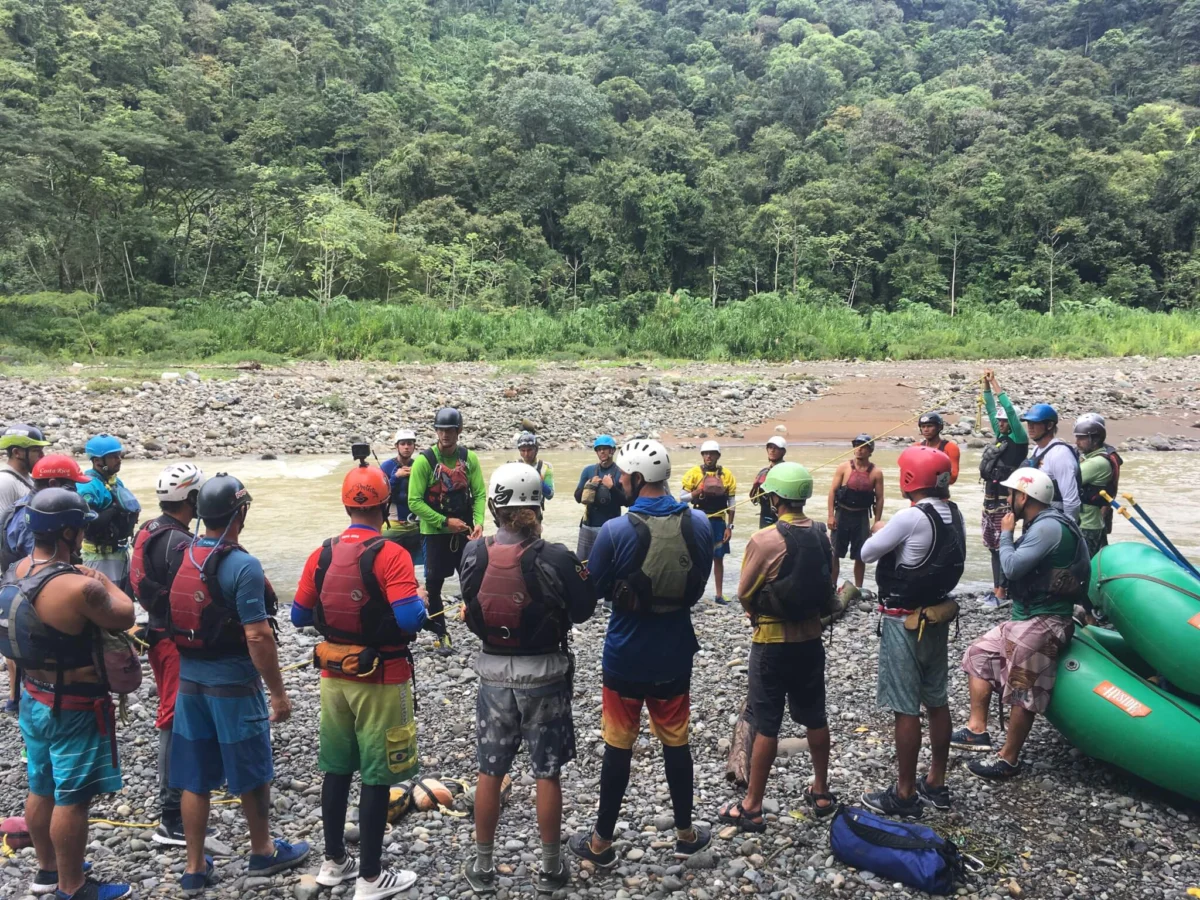
In the world of whitewater rafting, the line between a thrill-filled adventure and a life-threatening emergency can be as thin as a single eddy line. Recognizing the critical need for advanced safety protocols in one of the world’s premier adventure tourism destinations, instructors from the Whitewater Rescue Institute—including lead instructor Paul Heffernan—recently completed an intensive five-day swiftwater rescue training program in Costa Rica.
The initiative brought together 50 professional whitewater rafting guides from across the country to refine their skills in hydrology, risk management, and emergency response. Set against the backdrop of the stunning Rio Savegre, the training was more than a technical workshop; it was a collaborative effort to bridge the gap between regional logistical challenges and international safety standards.
The Core Objectives: Why Training Matters
The primary goal of the training was to instill a "safety-first" culture among guides who operate in some of the most remote and challenging environments in Central America. Whitewater activities carry an inherent level of risk, and when incidents occur, the absence of immediate professional medical backup or reliable cellular communication makes the guide the first, and often only, line of defense.
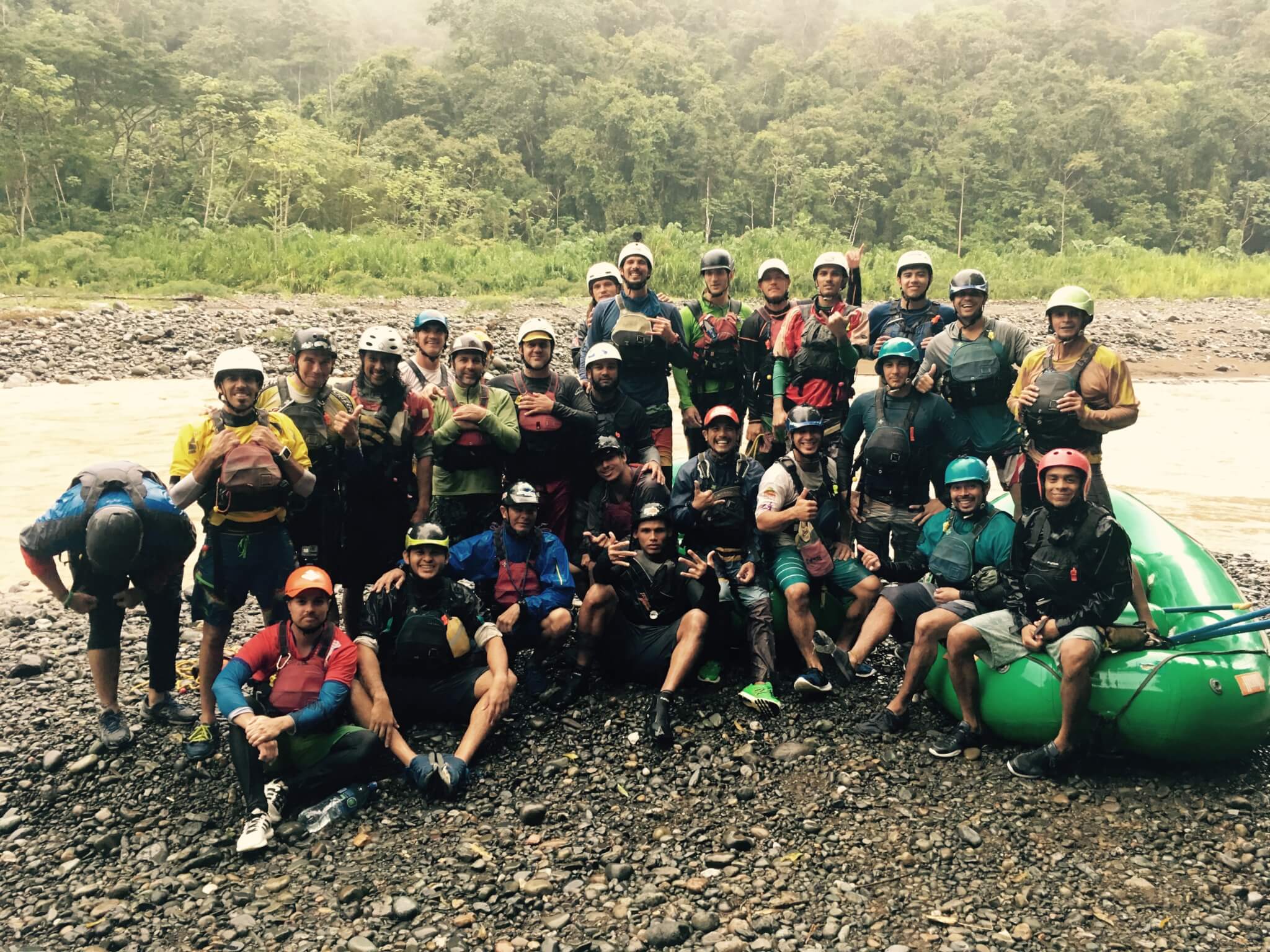
"Communication and organization are the two biggest hurdles during a river emergency," notes the WRI team. By focusing on standardized hand signals, whistle commands, and robust emergency action plans (EAPs), the instructors aimed to ensure that every participant—whether from a small boutique operator or a large-scale tour company—could operate with a unified tactical language.
Chronology: A Five-Day Intensive Curriculum
Days 1-2: Foundation and Risk Assessment
The training commenced in the coastal town of Quepos, where instructors and guides engaged in deep-dive theoretical discussions. The curriculum focused on:
- Hydrology: Understanding how water moves around obstacles to identify entrapment hazards.
- Equipment Mastery: Proper maintenance and deployment of throw bags, personal flotation devices (PFDs), and rescue throw-lines.
- Incident Command: Establishing a clear chain of command to prevent the chaos often associated with multi-person rescue operations.
Days 3-5: The Rio Savegre Scenarios
Moving from the classroom to the river, the participants spent the final four days on the Rio Savegre. The warm, crystal-clear waters provided an ideal training ground for high-intensity exercises.

The training followed the internationally recognized LAST phases of rescue:
- Locate: Identifying the victim’s position in the current.
- Access: Reaching the victim using swimming, wading, or boat-based techniques.
- Stabilize: Securing the victim to prevent further injury or downstream progression.
- Transport: Moving the victim to a safe, medical-ready location.
The guides practiced everything from "aggressive" rescue swims—designed to reach conscious or unconscious victims in heavy current—to "defensive" swimming postures. The final days were dedicated to increasingly complex simulations, requiring teams to manage multiple "injured" patients, necessitating the integration of medical triage into technical rope rescue work.
Supporting Data: The Logistics of Remote Rescue
One of the most significant takeaways from the program was the discussion surrounding the realities of "resource-starved" environments. In many of the canyons where these guides operate, traditional EMS response is not an option.

The "Hello, Reach, Throw, Row, Tow, Go" Progression
Instructors reinforced the hierarchy of risk. A central pillar of the course was the "Progression of Risk," which dictates that a rescuer should never escalate to a higher-risk maneuver until all lower-risk options have been exhausted.
- Hello: Verbal communication.
- Reach: Using equipment to extend reach.
- Throw: Using a throw bag.
- Row: Using a boat to facilitate the rescue.
- Tow: Swimming with the victim.
- Go: Entering the water as a last resort.
By consistently applying this model, guides are trained to prioritize their own safety, ensuring that they do not become "second victims," a common outcome in poorly organized rescue attempts.
Expert Insights: The Professional Perspective
The participants in this training were not novices. Many of the 50 guides work year-round on Costa Rican rivers, bringing deep, localized knowledge of the terrain. However, the instructors noted that even the most experienced professionals can benefit from structured, periodic retraining.

The Role of Pre-Trip Briefings
A significant portion of the seminar was dedicated to the "pre-trip briefing." A lead guide’s ability to set the tone before the rafts ever hit the water is the most effective preventative measure in the industry. The instructors emphasized that a high-quality briefing should include:
- Environmental Assessment: Current water flows and potential hazards.
- Customer Profiles: Age, physical ability, and any pertinent medical conditions.
- Team Roles: Explicit identification of the lead boat, sweep boat, and safety boat positions.
- Communication Protocols: What to do if the group is separated.
Implications for the Future of Costa Rican Adventure Tourism
The success of this training carries broad implications for the adventure tourism industry in Costa Rica. As the sector grows, the expectation from international tourists for standardized safety practices increases.
Bridging the Gap
The collaboration between local entities—including Amigos del Rio, Pro Rafting, Unique Tours, and H2O Adventures—and the Whitewater Rescue Institute demonstrates a growing maturity in the local industry. By sharing best practices, these companies are effectively creating a "safety network" that elevates the reputation of Costa Rican rafting on the global stage.

The "Pura Vida" Standard
"Pura Vida" (Pure Life) is more than just a slogan in Costa Rica; it is a lifestyle. By adopting rigorous, internationally recognized rescue standards, these guides are ensuring that the "Pure Life" remains a reality for their guests, even when things go wrong on the water.
The debriefings held after each scenario were perhaps the most valuable component of the week. These sessions allowed guides to critique their own performance in a safe environment, fostering a culture of humility and continuous improvement. When a guide acknowledges a mistake during a simulation, they are much less likely to make that same mistake during a high-stakes, real-world emergency.
Acknowledgments and Looking Ahead
The logistical success of this training was made possible by the dedicated team at Rafiki Safari Lodge. The instructors specifically credited Loki, Randall, Kenneth, and Allan for their tireless coordination and expert local knowledge.

As the industry looks to the future, the WRI team believes that this model of "training the trainer" is the key to long-term sustainability. By equipping 50 highly influential local guides with advanced rescue knowledge, the impact of the program will ripple through hundreds of rafting trips over the coming years.
In summary, the Costa Rica Swiftwater Rescue Training program serves as a blueprint for other adventure-heavy regions. It proves that while rivers are unpredictable and risks are inevitable, a combination of rigorous preparation, clear communication, and a commitment to professional development can create a safer, more resilient adventure tourism industry. The guides left the Rio Savegre not just as rafters, but as highly trained, capable, and confident rescue professionals ready to face whatever the river brings.