For the dedicated athlete, the pursuit of performance gains often leads to a monotonous dietary landscape. The ubiquitous "chicken breast, rice, and broccoli" trinity has become the gold standard of fitness nutrition—effective, certainly, but often soul-crushing for the palate. However, celebrity chef and fitness enthusiast Chris Valdes is challenging the narrative that clean eating must be synonymous with bland sustenance.
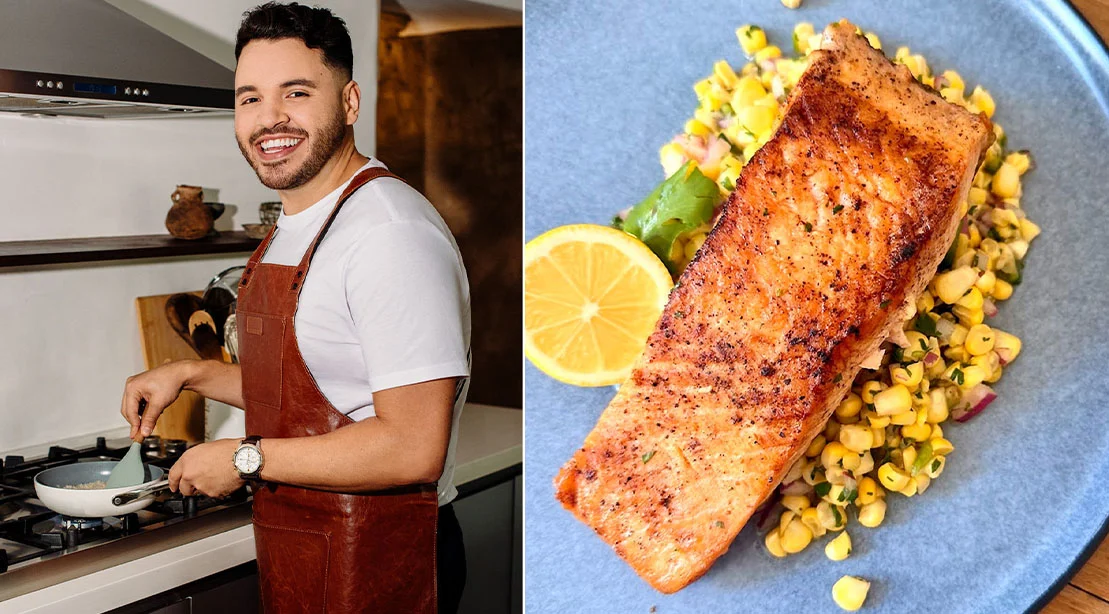
By prioritizing high-quality proteins and vibrant, nutrient-dense toppings, Valdes is proving that culinary excellence and athletic performance are not mutually exclusive. His signature Chilean salmon with a honey-citrus corn salsa serves as the perfect case study for this philosophy. Whether you are looking to revitalize your post-workout recovery or simply elevate your meal prep, Valdes offers a roadmap to "conscious eating" that emphasizes flavor without compromising health.
The Philosophy: Redefining "Healthy" for the Modern Athlete
The journey toward a leaner, stronger physique is rarely a linear path, and for Chef Chris Valdes, the breakthrough came when he stopped viewing food as a mere collection of macronutrients and started seeing it as a culinary canvas. After shedding 40 pounds, Valdes realized that the greatest barrier to consistent, healthy eating was not the effort required to cook, but the lack of sensory reward.
"One of the biggest misconceptions I had when I first started changing the way I ate was that healthy food had to be boring," Valdes explains. "I knew that wasn’t going to work for me. So, this salmon recipe is exactly how I like to eat today. It’s packed with protein, fresh ingredients, beautiful color, and a ton of flavor."
For Valdes, the goal is to bridge the gap between "fitness fuel" and "gastronomic delight." His approach centers on the concept that if a dish is something you want to eat rather than something you feel forced to swallow, adherence to a fitness plan becomes significantly easier. By utilizing citrus, fresh herbs, and natural sweeteners like honey, he builds complex flavor profiles that satisfy the palate while keeping the caloric profile clean and the nutrient density high.
The Nutritional Edge: Why Salmon Wins the Recovery Race
While chicken breast is a staple for its lean protein content, salmon offers a more comprehensive nutritional profile, particularly for those engaged in intense physical training. A standard 6-ounce salmon fillet provides approximately 40 grams of high-quality protein, but it brings additional benefits that lean poultry lacks.
The Omega-3 Factor
Salmon is a powerhouse of Omega-3 fatty acids, specifically EPA and DHA. These essential fats are known for their anti-inflammatory properties, which are critical for athletes looking to recover faster from muscle-tearing workouts. By incorporating salmon into a post-workout meal, you are not just hitting your protein target; you are actively working to reduce systemic inflammation.
Micronutrient Density
Unlike the relatively neutral nutritional profile of chicken, salmon is rich in B-vitamins, potassium, and selenium. When paired with the citrus-heavy corn salsa Valdes advocates, the dish becomes a "synergistic meal." The Vitamin C found in the citrus helps the body absorb the iron present in the greens and fish, while the complex carbohydrates from the corn provide a gentle insulin spike to help shuttle nutrients into depleted muscle cells.
Culinary Chronology: The Evolution of a Fitness Chef
The evolution of Chef Valdes’ kitchen methodology is a testament to the fact that professional culinary techniques can be adapted for the home athlete.
- Phase 1: The Recognition of Need. Like many, Valdes initially struggled with the restrictive nature of traditional "dieting." He realized that the psychological fatigue of eating plain food often led to "cheat day" binges.
- Phase 2: The Flavor Pivot. He began experimenting with high-impact, low-calorie ingredients. He replaced heavy, cream-based sauces with acid-driven reductions and fruit-based salsas.
- Phase 3: The Integration of Chilean Salmon. Discovering Chilean salmon was a turning point. Its high oil content allows for a perfect sear while maintaining a tender, flaky interior, making it the ideal protein for a "crispy" pan-seared dish that doesn’t require excessive oil.
- Phase 4: The Holistic Approach. Today, Valdes treats his meals as part of his training regimen. He understands that food is the primary recovery tool, and he prepares his meals with the same discipline he applies to his gym sessions.
Official Recommendations: How to Execute the Dish
If you are cooking for one or prepping for the week ahead, this recipe serves as an excellent foundational meal. Below are the steps to master the Chilean salmon with citrus corn salsa.
Ingredients Checklist
For the Salmon:
- 4 (6-ounce) Chilean salmon fillets (skin-on for better texture).
- 2 tablespoons olive oil.
- Sea salt and cracked black pepper to taste.
- 1 teaspoon smoked paprika (for color and depth).
For the Citrus Corn Salsa:
- 1 cup fresh or charred corn kernels.
- 1 orange, segmented and chopped.
- 1/2 red onion, finely diced.
- 1 jalapeño, seeded and minced (optional for heat).
- A handful of fresh cilantro, chopped.
- 2 tablespoons honey.
- Juice of 1 lime.
Preparation Protocol
- Salsa Preparation: Combine the corn, orange segments, red onion, jalapeño, and cilantro in a mixing bowl. In a small jar, whisk the honey and lime juice until emulsified. Pour the dressing over the salsa, toss gently, and let it marinate for at least 15 minutes. This allows the acids to soften the onion and meld the flavors.
- Salmon Preparation: Pat the salmon fillets completely dry with a paper towel. This is the secret to a crispy crust. Season the flesh side with salt, pepper, and smoked paprika.
- The Sear: Heat the olive oil in a non-stick or cast-iron skillet over medium-high heat. Once the oil shimmers, place the salmon skin-side down. Press down gently with a spatula to ensure even contact.
- The Finish: Cook for 4–5 minutes until the skin is golden and crispy. Flip carefully and cook for another 2–3 minutes, or until the fish flakes easily with a fork.
- Assembly: Plate the salmon and top generously with the citrus corn salsa. The heat of the fish will slightly warm the salsa, releasing the aromatics of the cilantro and the sweetness of the corn.
Implications: The Future of "Fit Food"
The implications of Valdes’ approach are significant for the fitness industry. We are seeing a shift away from the "suffering" model of nutrition toward a "sustainability" model. When individuals learn to build flavor through chemistry—using acidity, texture, and natural sweetness—they are far more likely to maintain their dietary goals long-term.
Changing the Mental Paradigm
"I’m not removing flavor, I’m just building flavor differently," Valdes notes. This statement is the crux of modern sports nutrition. It suggests that the athlete of the future is not just a weight-lifter, but a home cook who understands the role of flavor in maintaining the discipline required to reach elite physical conditioning.
Scalability and Meal Prep
By prepping this meal in batches, athletes can move away from the "fast-food" trap. A 4-serving batch of salmon and salsa takes less than 30 minutes to prepare and can be stored in airtight containers for up to three days. The salsa’s acidity acts as a natural preservative for the flavor, ensuring that the meal remains fresh even after being refrigerated.
The Social Aspect
Valdes encourages the communal aspect of eating. "Why not become the most popular member of your gym and share the love of fit food?" he asks. Food, at its core, is social. By elevating the quality of the food brought to the table, athletes can foster a culture of health within their peer groups, moving away from the isolation that often accompanies strict dieting.
Conclusion: Conscious Consumption
Chef Chris Valdes’ Chilean salmon recipe is more than a dinner suggestion; it is an invitation to engage with your food. In a world saturated with ultra-processed convenience foods, taking the time to sear a fresh fillet and combine it with vibrant, raw ingredients is an act of self-care.
For the athlete, it provides the macros required for growth and repair. For the individual, it provides the satisfaction of a meal well-prepared. As Valdes concludes, "It just means learning how to love food more consciously." By embracing this mindset, you ensure that your fitness journey is not just a destination of physical change, but a sustainable, enjoyable lifestyle that tastes as good as it feels.
For more culinary inspiration and fitness-focused recipes, follow Chef Chris Valdes on Instagram at chefchrisvaldes.