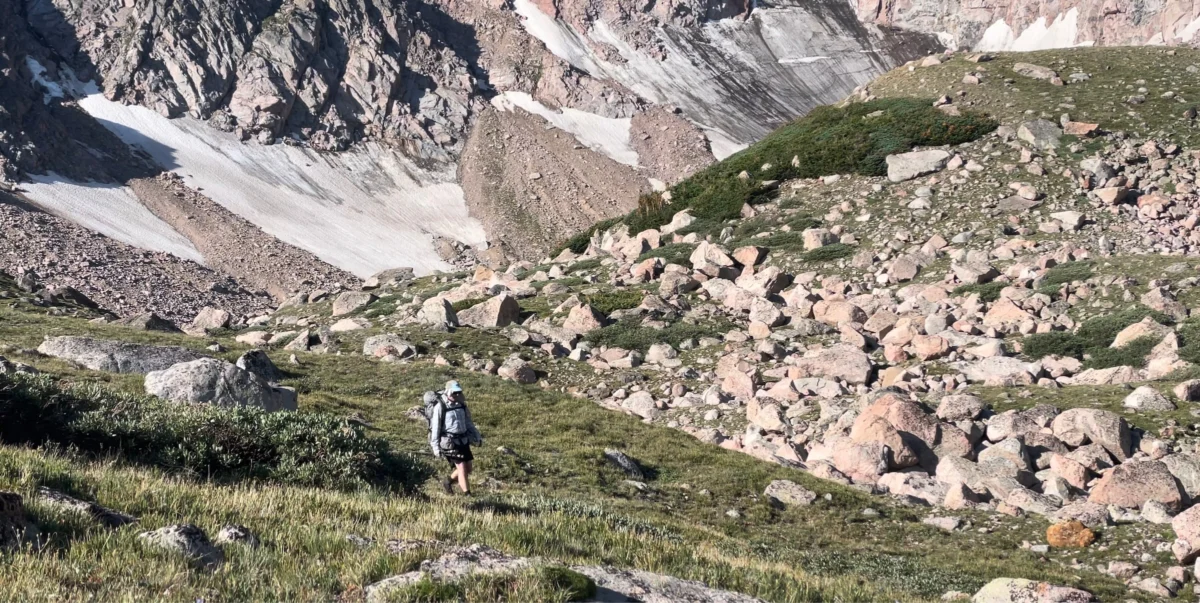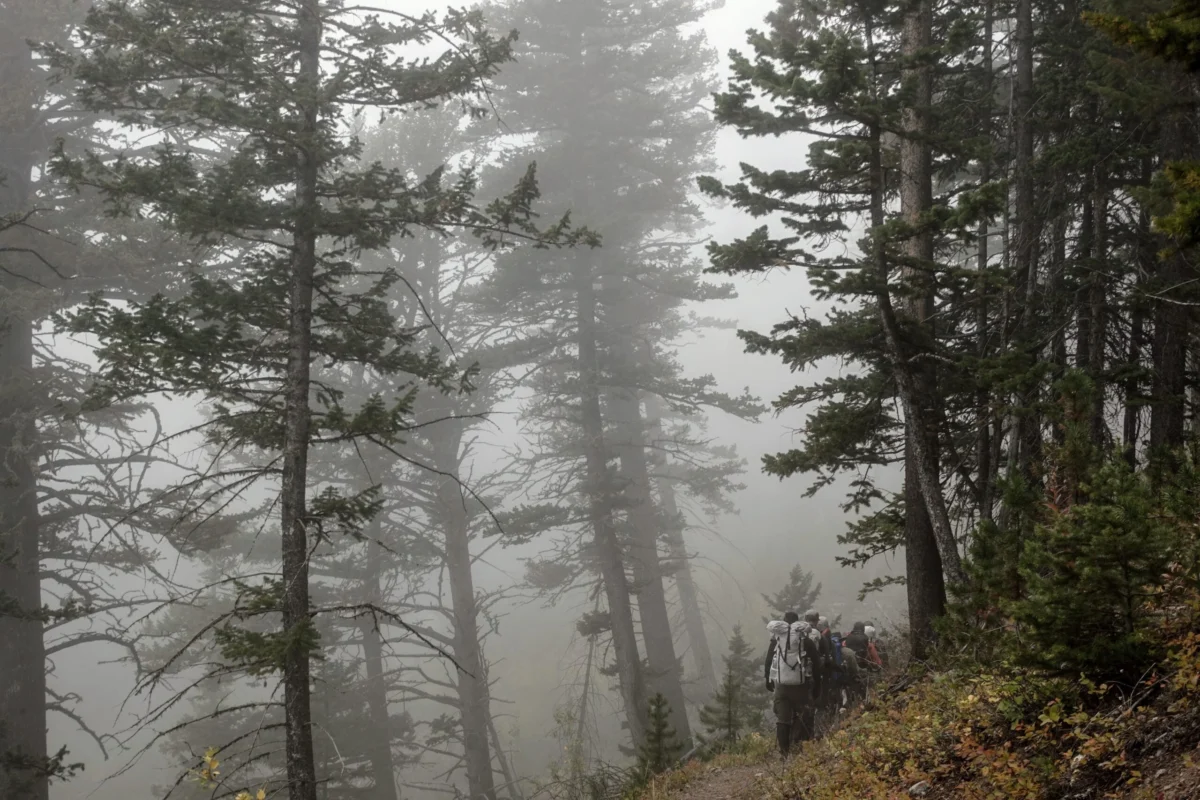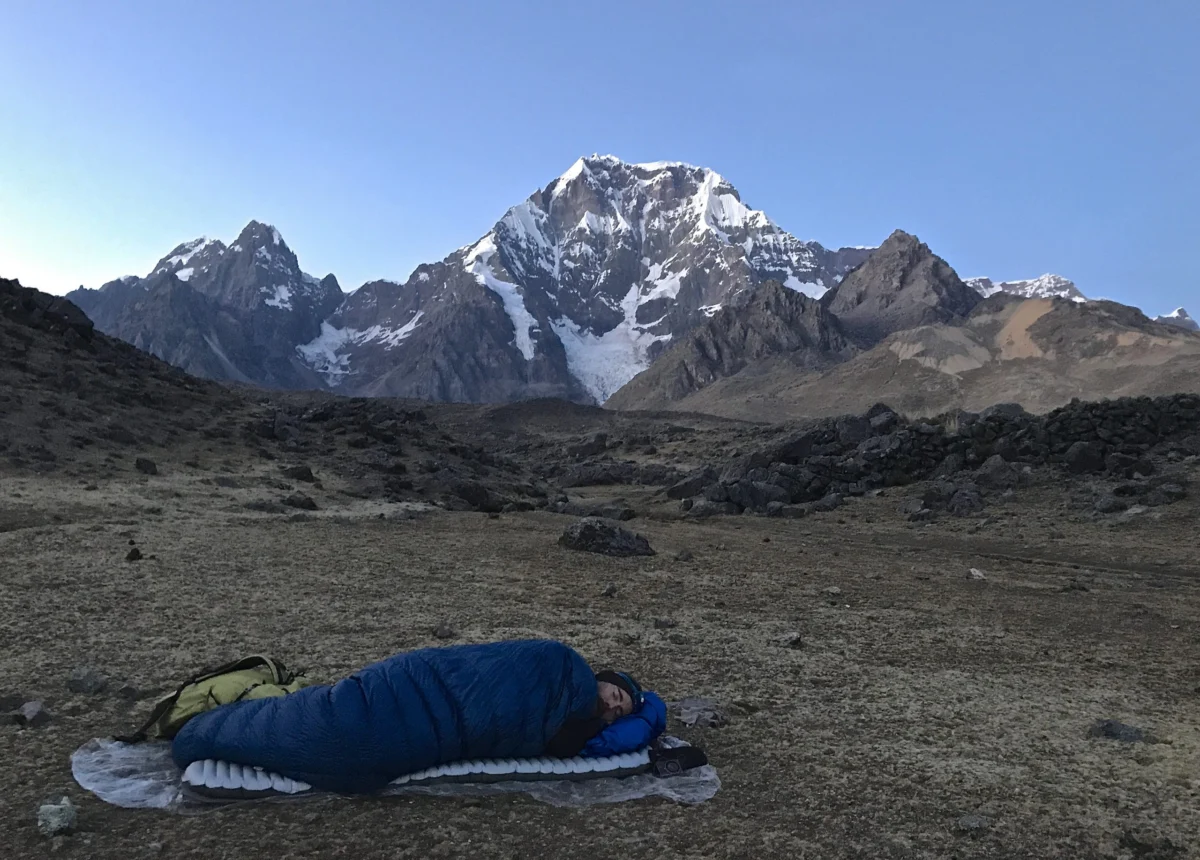
In the pursuit of the "ultralight" ideal, every gram counts. For the long-distance hiker traversing well-maintained forest trails, a lightweight, packable rain shell is often the perfect companion. However, as hikers transition from the forest floor to the exposed, high-altitude ridges of the alpine environment, the stakes of gear failure rise exponentially.
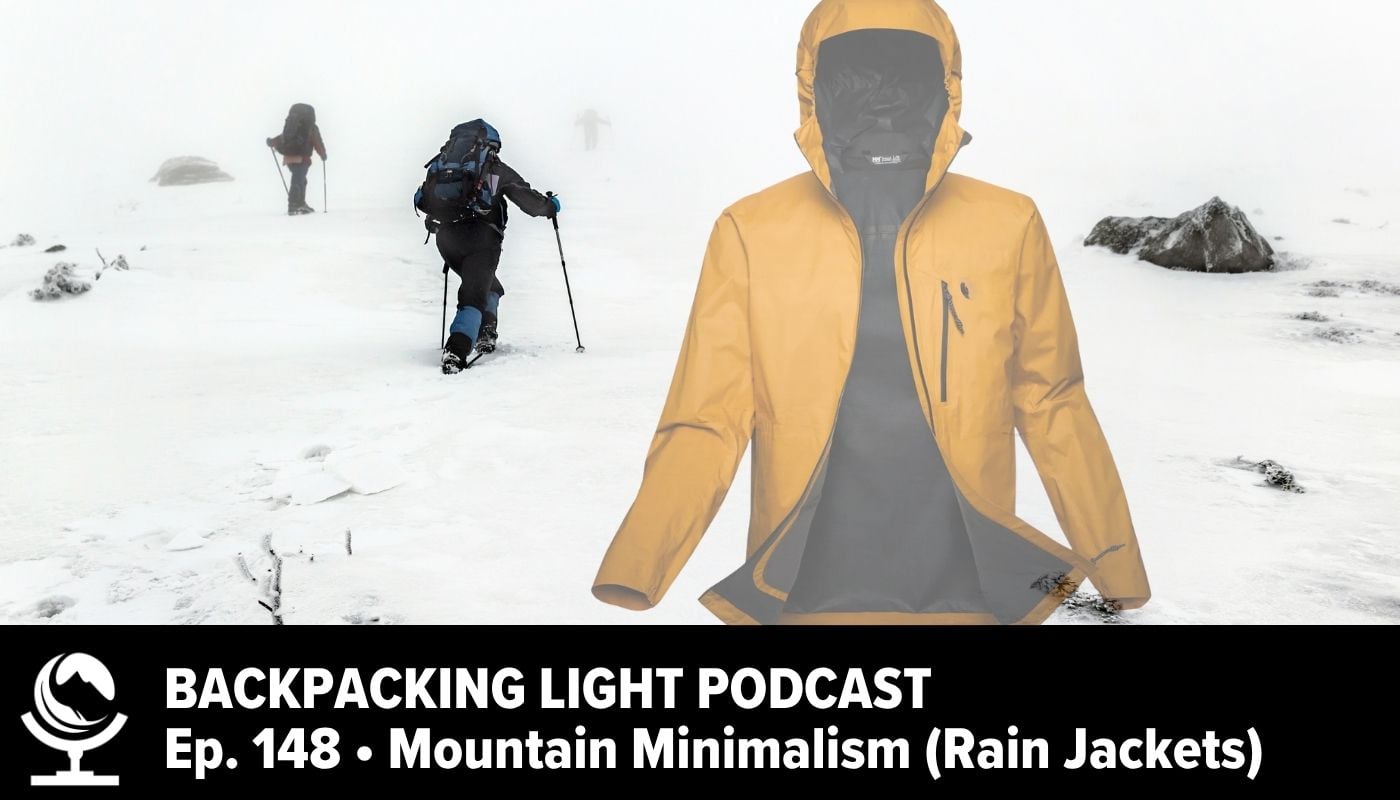
In the latest episode of the Backpacking Light podcast (Episode 148), released on June 15, 2026, the editorial team tackles the critical distinction between "trail-appropriate" rain gear and true "mountain minimalist" shells. This deep dive into gear philosophy and technical specifications provides a necessary framework for those looking to push their boundaries without compromising safety.
The Philosophy of Mountain Minimalism
At the heart of the discussion is a core tension: the desire to carry as little as possible versus the biological necessity of staying dry and warm in life-threatening weather. Mountain minimalism is not merely about shedding ounces; it is a discipline of risk management.
The podcast outlines a decision-making framework that every alpine traveler should internalize. Before selecting a jacket, users must evaluate several key variables:
- Exposure Duration: How long will you be pinned down in a storm?
- Retreat Options: How far are you from a safe haven or a descent route?
- Terrain Complexity: Does the shell provide the mobility required for technical scrambling?
- Abrasion Resistance: Will the jacket survive contact with granite, ice, or dense alpine scrub?
- Wind & Thermal Margin: Does the shell offer enough protection to prevent hypothermia when the ambient temperature plummets?
While a 150-gram wind-and-water-resistant jacket may suffice for a weekend trip in the Cascades, it can become a liability during a prolonged high-altitude storm. Understanding the limits of your gear is the first step toward true mountain proficiency.
Chronology of Technical Advancement
The evolution of the "mountain minimalist" shell has been defined by the pursuit of the "holy trinity" of rain gear: waterproofness, breathability, and durability—all within a featherweight footprint.
- Early 2020s: The rise of thin, 2-layer and 2.5-layer membranes allowed for extreme packability but often sacrificed long-term durability and skin comfort.
- Mid-2020s: Industry leaders began shifting toward advanced 3-layer construction that utilizes tighter, more durable face fabrics (like 20D ripstop) combined with highly breathable, nanoporous membranes.
- 2026 and Beyond: We are currently seeing a surge in PFAS-free manufacturing and the integration of advanced materials like GORE-TEX PRO ePE, which maintains extreme weather protection while reducing the environmental footprint of the gear.
Supporting Data: The Elite Shells of 2026
The Backpacking Light team highlights three standout products that exemplify the current standard for high-performance mountain shells. Each of these jackets represents a specific balance of the aforementioned criteria.
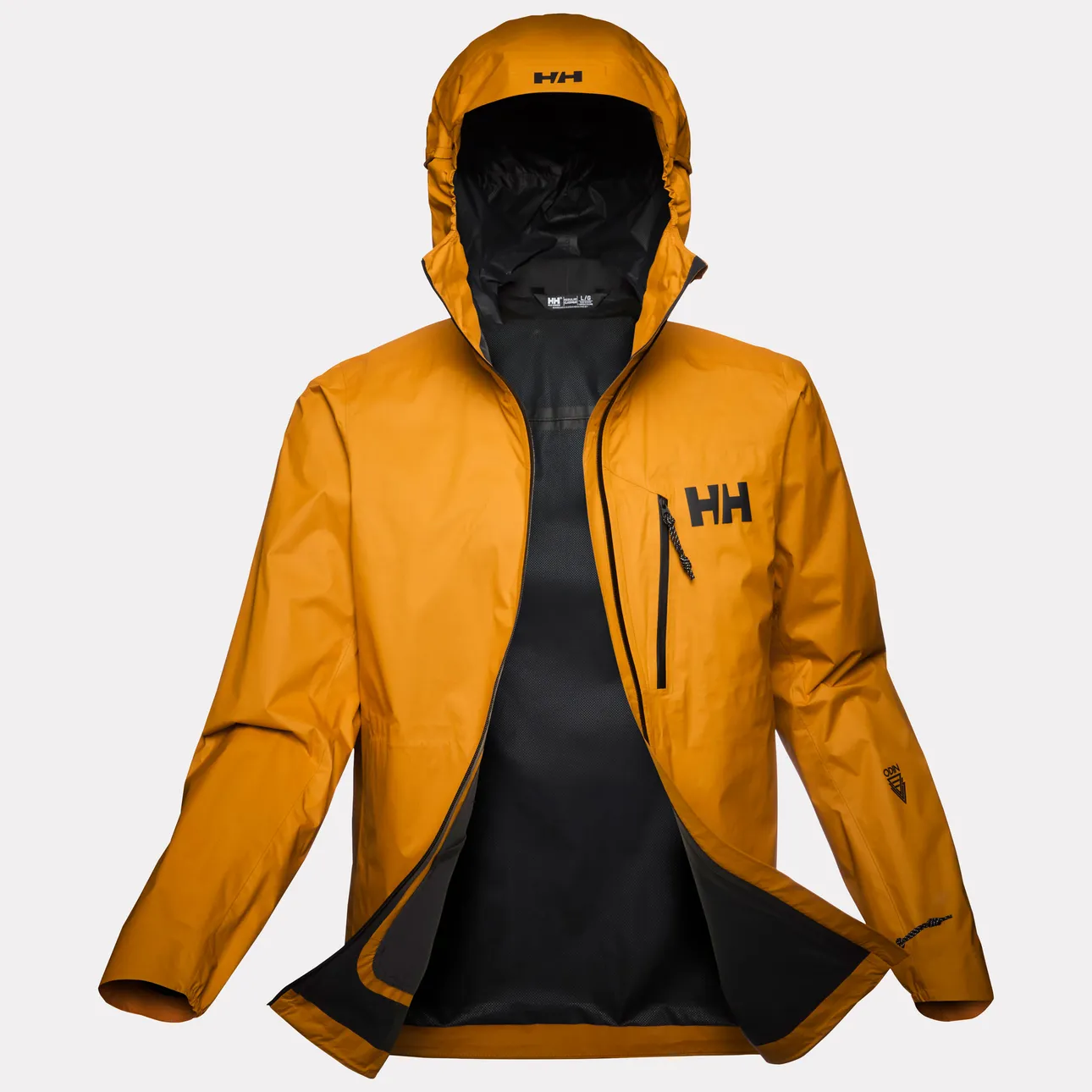
1. Helly Hansen Odin Infinity Minimalist Jacket
Designed for those who prioritize advanced membrane technology, the Odin Infinity (250g) utilizes HELLY TECH PROFESSIONAL construction. Its 3.5-layer build offers superior protection and 2-way stretch, making it ideal for high-output activities where freedom of movement is paramount. The inclusion of a RECCO reflector adds a layer of safety for alpine mountaineers.
2. Arc’teryx Alpha SL Jacket
At just 232 grams, the Alpha SL is a masterclass in weight-to-protection ratios. By utilizing GORE-TEX PRO ePE and a 20D Hadron face fabric, Arc’teryx has created a shell that is impressively abrasion-resistant for its weight class. It is a quintessential piece for the minimalist who refuses to compromise on "bombproof" weather protection.
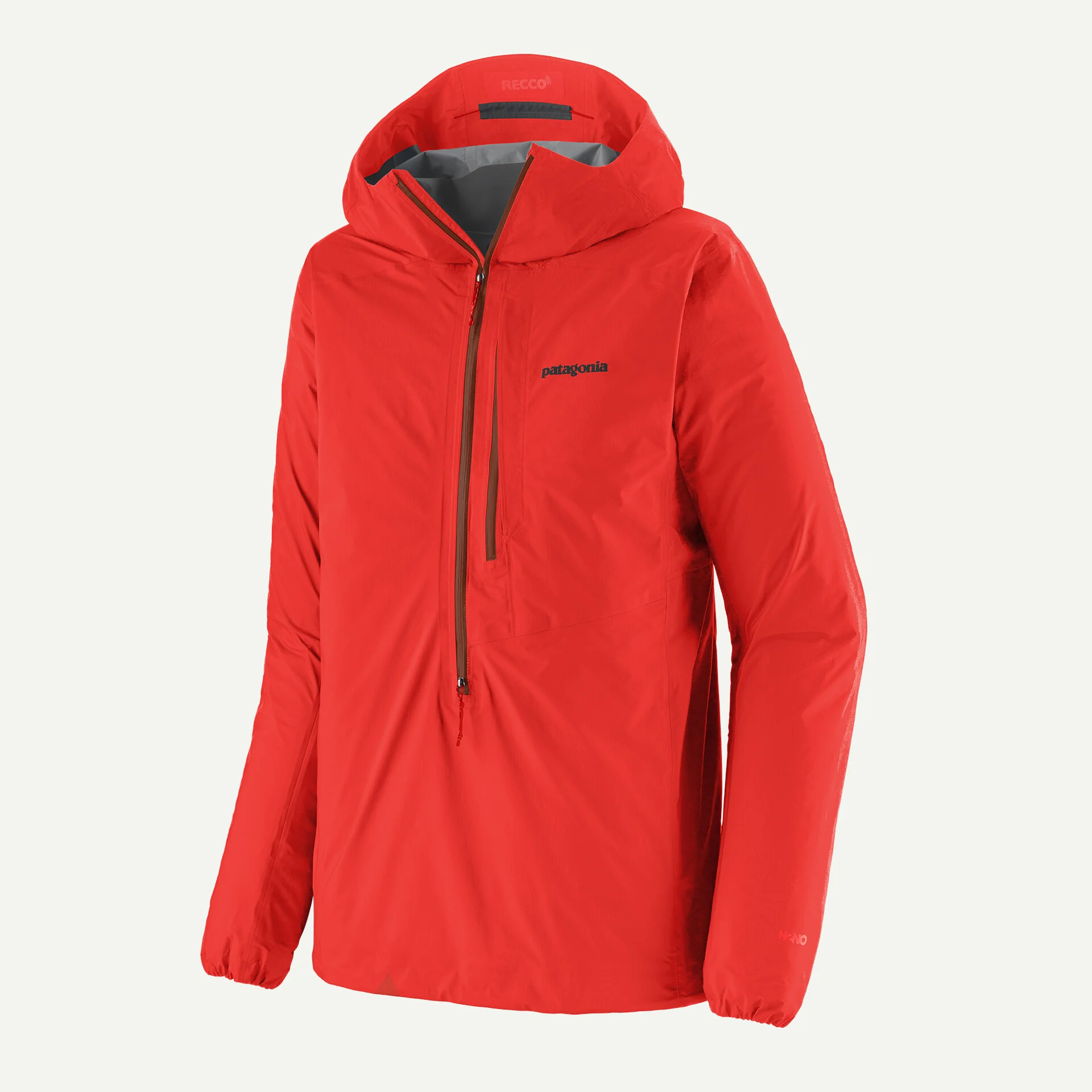
3. Patagonia M10 Anorak
The M10 represents a shift toward the streamlined, pull-over design favored by many alpinists to reduce weight and zipper failure points. Utilizing an Xpore nanoporous membrane and a 20-denier recycled nylon face, the 300g jacket offers a slightly more robust feel, perfect for those who want a reliable, "do-it-all" layer that thrives in technical environments.
Official Industry Perspective
The shift toward these high-performance, lower-weight shells is not just a trend—it is a response to a more educated consumer base. According to the Backpacking Light editorial team, manufacturers are increasingly moving away from "generic" waterproof-breathable marketing and toward transparency regarding denier counts, membrane types (such as nanoporous vs. monolithic), and sustainable chemistry.
The industry consensus is clear: the modern mountain minimalist no longer accepts the "boil-in-the-bag" experience of early-generation waterproof gear. Today’s membranes allow for high moisture vapor transmission rates (MVTR), which is essential when the user is working hard on a steep incline. Furthermore, the industry is making significant strides in eliminating per- and polyfluoroalkyl substances (PFAS) without sacrificing the critical hydrophobic treatments that keep a jacket from "wetting out."
Implications for the Modern Hiker
What does this mean for the average backpacker or aspiring mountaineer? The implications are three-fold:
1. The Death of the "One Jacket Fits All" Mindset
The most significant takeaway is the necessity of gear specialization. The shell you take on a PCT section hike is likely not the shell you should wear on a technical ascent of a peak in the North Cascades. By acknowledging the difference between trail hiking and mountaineering, hikers can select gear that is neither dangerously inadequate nor unnecessarily heavy.
2. The Value of Maintenance
As these shells become more sophisticated, the importance of gear maintenance has increased. A high-performance 3-layer shell will fail if the DWR (Durable Water Repellent) finish is not maintained, or if the interior membrane is clogged with body oils and sweat. Modern "minimalist" gear is not "set it and forget it" equipment; it requires periodic cleaning and re-treatment to maintain its breathability.

3. The Role of Community and Education
Perhaps the most important implication is the need for ongoing education. As noted in the podcast, technology is changing faster than ever. Engaging with communities that prioritize deep, technical reviews—such as the Backpacking Light membership platform—allows hikers to move beyond marketing buzzwords and understand the actual mechanical properties of the gear they carry.
Conclusion: Investing in Competence
Choosing a rain shell for the mountains is an exercise in trade-offs. While the market offers a dizzying array of options, the "mountain minimalist" approach reminds us that the best gear is that which matches the specific risks of the environment.
Whether you opt for the technical prowess of the Arc’teryx Alpha SL or the versatile comfort of the Helly Hansen Odin, the final decision should always be informed by a realistic assessment of your trip objectives. As we look toward the future of backpacking, the integration of better materials and smarter, more intentional gear choices will continue to allow hikers to explore further, stay safer, and truly "pack less and be more."
For more in-depth reviews and access to the complete gear-testing database, consider joining the Backpacking Light community. Subscribers gain access to over 2,300 articles, expert-led online courses, and a thriving forum dedicated to the art and science of lightweight travel.