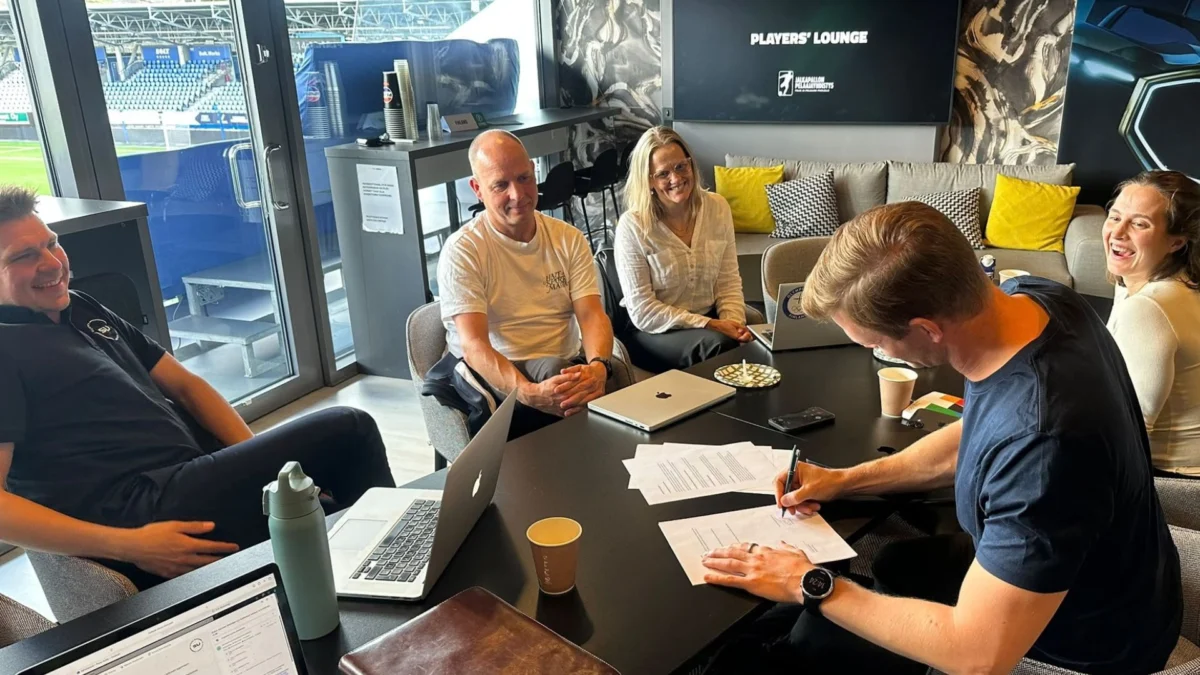
In a landmark development for the Finnish sports landscape, Suomen Urheilijat ry (the Finnish Athletes’ Association) and the Finnish Olympic Committee have officially entered into a Memorandum of Understanding (MoU). This strategic partnership, signed by Suomen Urheilijat chairman Teemu Ramstedt and Olympic Committee CEO Riku Tapio, marks a formal commitment to structural dialogue, ensuring that the athlete’s perspective is no longer a peripheral consideration but a central pillar in the governance of Finnish elite sports.
The agreement seeks to bridge the gap between the administrative machinery of organized sports and the lived experiences of the individuals who perform on the world stage. By formalizing their cooperation, both organizations aim to strengthen the legal, social, and economic standing of athletes, creating a more inclusive environment for those representing Finland in international competition.
The Core Mandate: Defining the Partnership
At its heart, the MoU is a recognition of the shifting power dynamics within modern sports. For decades, the relationship between national governing bodies and athletes has often been characterized by top-down decision-making. This agreement explicitly acknowledges Suomen Urheilijat as the independent representative body for athletes, acting as a counterpart to the Olympic Committee, which manages the interests of sports federations and the broader organizational framework.
The Objectives of the Collaboration
The partnership is built upon three primary pillars:
- Structural Representation: Ensuring that athletes have a seat at the table during the formative stages of decision-making.
- Policy and Legal Advocacy: Collaborative efforts to influence legislation, regulations, and statutes that affect athletes’ rights and professional security.
- Holistic Well-being: Aligning on initiatives that support the daily lives, livelihoods, and mental health of elite athletes.
By establishing a calendar of regular meetings and formal consultations, the organizations intend to move away from reactive crisis management toward a proactive model of governance.
Chronology: Building Toward a Unified Voice
The journey toward this agreement did not happen in a vacuum. It is the culmination of years of advocacy by the athlete community to gain independent representation.
- Phase 1: The Emergence of Independent Advocacy: For several years, athletes expressed a growing need for a body that could represent their specific labor and human rights interests, independent of the administrative and commercial pressures faced by federations. Suomen Urheilijat was established to fill this void.
- Phase 2: The Push for Professionalization: As sports became more professionalized, the complexities of dual careers, insurance, and long-term financial stability became critical issues. Athletes began to demand more transparency regarding the policies governing their training environments.
- Phase 3: Initial Dialogue: The Olympic Committee recognized that to remain relevant and effective, it needed a stronger connection to the athletes it serves. Informal discussions paved the way for the drafting of the current Memorandum of Understanding.
- Phase 4: Formalization: In late 2026, both parties finalized the document, signaling to the wider Finnish sports community that the era of isolated decision-making is officially over.
Supporting Data: Why Athlete Representation Matters
The necessity of this collaboration is supported by global trends in sports governance. Data from international sports organizations—including the International Olympic Committee’s own focus on the "Athlete-Centered Model"—highlights that athlete performance is directly correlated with their quality of life and the autonomy they feel within their sport.
Key Focus Areas for Data-Driven Improvement:
- Economic Stability: Many athletes struggle with the "dual career" dilemma, balancing intensive training with education or employment. The partnership will focus on creating pathways for better financial support systems.
- Legal Protections: The complexities of sponsorship, anti-doping regulations, and competition rules require specialized legal knowledge. Suomen Urheilijat aims to provide this expertise to athletes, with the Olympic Committee facilitating the implementation of fair, transparent standards.
- Mental Health and Welfare: Recent global studies have shown that high-pressure environments without adequate athlete support structures lead to increased burnout. The collaboration aims to standardize mental health resources across all Olympic-recognized disciplines.
Official Responses: A Vision for the Future
The signing of the MoU has been met with optimism by both leadership teams.
Teemu Ramstedt: The Athlete’s Perspective
For Teemu Ramstedt, the agreement is about legacy. "This is a fundamental step forward," Ramstedt stated. "For too long, athletes have been the ‘objects’ of sport rather than the ‘architects’ of its future. By building permanent structures for dialogue, we ensure that when decisions are made—whether they concern our livelihoods, our training environments, or our rights—the athletes’ voice is not just heard, but considered essential to the process."
Riku Tapio: The Olympic Committee’s Strategy
CEO Riku Tapio emphasized the power of unity. "Athletes are the heartbeat of our sport," Tapio remarked. "The Finnish Olympic Committee recognizes that our success is fundamentally linked to the well-being and engagement of our athletes. By fostering this dialogue, we are not just solving problems; we are co-creating a culture of excellence. We believe in the mantra: We win together. This partnership is the embodiment of that philosophy."
Implications: What This Means for the Future of Finnish Sport
The formalization of this relationship is expected to have significant ripple effects across the Finnish sports ecosystem.
1. Increased Accountability
With a formalized structure for communication, the Olympic Committee will be held to a higher standard of transparency. Any significant shift in national policy will now require a consultation process with the athlete representative body, reducing the likelihood of policies being implemented that contradict the interests of those they are meant to support.
2. A Model for Other Nations
Finland is positioning itself as a leader in athlete-centric governance. By integrating an independent association into the heart of the Olympic Committee’s decision-making process, Finland provides a blueprint for other nations struggling to balance administrative authority with athlete advocacy.
3. Improving the "Dual Career" Path
A major focus of the upcoming collaborative sessions will be the refinement of the "Dual Career" model. The partnership aims to work with educational institutions and employers to ensure that athletes do not have to sacrifice their future prospects for their current sporting success. This includes lobbying for better recognition of the skills gained during an athletic career, such as leadership, resilience, and time management.
4. Harmonizing Regulations
The collaboration will look to harmonize rules across various sports federations. Currently, an athlete in one sport might have significantly different rights and support structures than an athlete in another. By aligning with the Olympic Committee, Suomen Urheilijat aims to establish a baseline of "minimum standards" for all athletes under the Olympic umbrella.
Conclusion: A Collaborative Road Ahead
The signing of the Memorandum of Understanding is not a finish line, but a starting point. As the Finnish sports community looks toward future Olympic cycles and international competitions, the success of this partnership will be measured by the tangible improvements in the daily lives of Finnish athletes.
By fostering an environment of mutual respect, structural inclusion, and shared goals, Suomen Urheilijat and the Finnish Olympic Committee have taken a definitive step toward a more professional and humane sports culture. As the two organizations begin their regular consultations, the eyes of the Finnish sports public—and indeed the international community—will be watching to see how this collaboration shapes the next generation of Finnish athletic achievement.
The message is clear: when athletes are empowered, the entire nation wins. Through this, Finland is setting a high bar for what it means to be a modern, athlete-centered sporting nation.