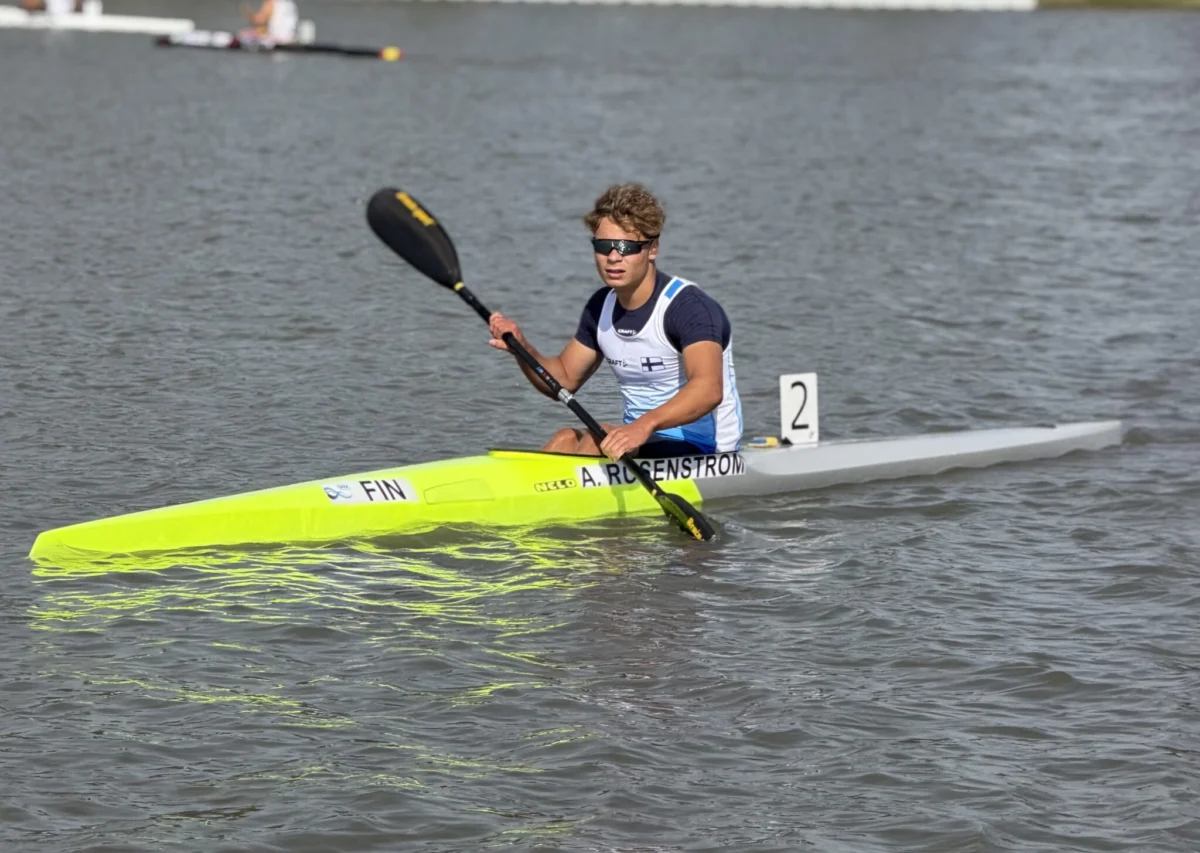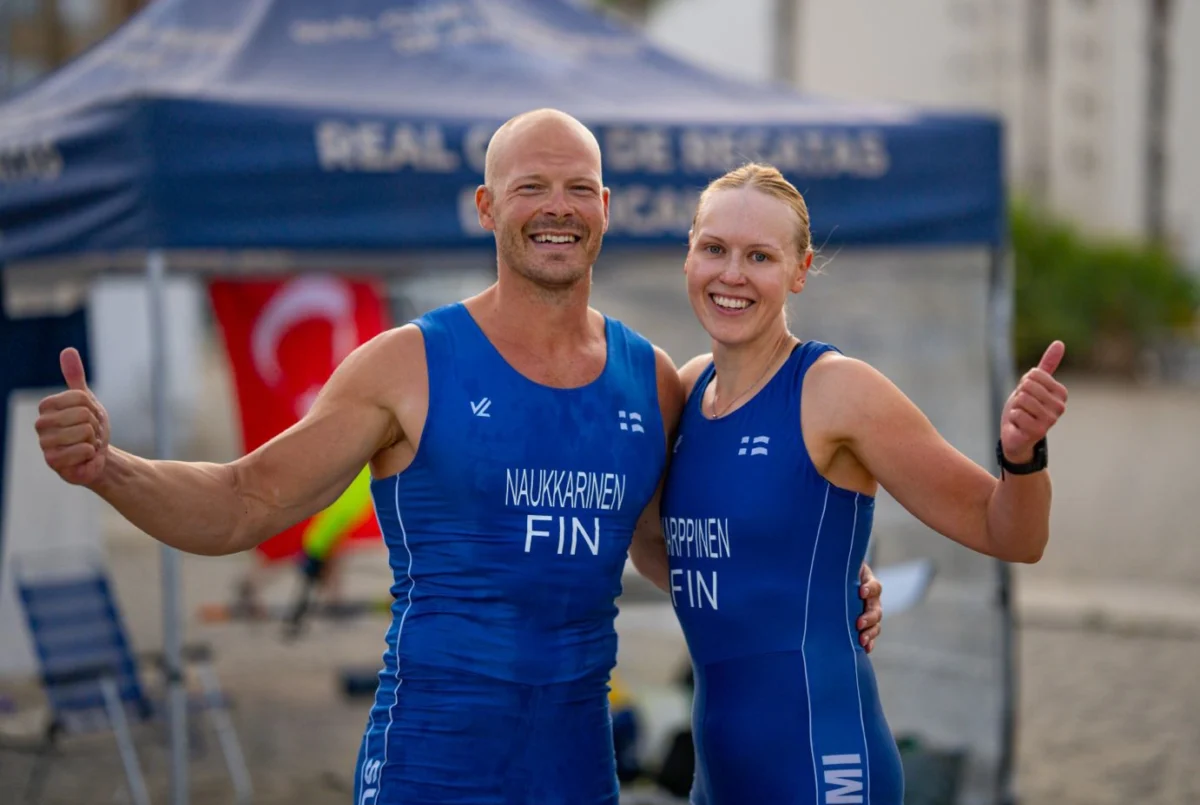
La Línea, Spain – October 27, 202X – In a display of formidable strength and strategic prowess, Finnish rowers achieved a remarkable double medal haul on Friday at the European Coastal Rowing Endurance Championships held in the challenging waters off La Línea, Spain. Joel Naukkarinen solidified his status as a dominant force in men’s coastal rowing by successfully defending his European Championship title in the men’s single sculls, a repeat of his triumph from the previous year. Adding to Finland’s glory, Eeva Karppinen delivered an exceptional performance to clinch the bronze medal in the women’s single sculls. This extraordinary day underscores Finland’s rising prominence in the dynamic and rapidly evolving world of coastal rowing.
The sun-drenched coast of Andalusia provided a dramatic backdrop for the endurance races, where athletes battled not only against each other but also against the unpredictable elements of the open sea. For the Finnish contingent, the day was a resounding success, marking a significant milestone in their pursuit of international recognition and Olympic aspirations.
Naukkarinen’s Unrivalled Dominance: A Masterclass in Endurance
Joel Naukkarinen’s victory in the men’s single sculls endurance race was nothing short of a masterclass. Navigating the demanding six-kilometre course with a blend of power, precision, and tactical acumen, Naukkarinen crossed the finish line in an impressive time of 26 minutes, 27.29 seconds. His performance was a testament to his exceptional physical conditioning and deep understanding of coastal rowing’s unique demands.
The intensity of the competition was evident, with a formidable field of Europe’s top coastal rowers vying for the coveted title. Naukkarinen, however, demonstrated an unparalleled ability to maintain his pace and control throughout the gruelling race. His closest challenger, Amos Keijser of the Netherlands, secured the silver medal with a time of 26:34.43, placing him 7.14 seconds behind the Finnish champion. The bronze medal went to Spain’s Salvador Diaz Moreno, who finished in 27:03.18, highlighting the competitive gap Naukkarinen established over his rivals.
This back-to-back European Championship gold is a rare feat, underscoring Naukkarinen’s consistent excellence and his position at the pinnacle of men’s coastal endurance rowing. His ability to perform under pressure, year after year, speaks volumes about his dedication and strategic approach to the sport.
Karppinen’s Resilient Performance Secures Bronze
Not to be overshadowed by Naukkarinen’s gold, Eeva Karppinen delivered a stellar performance in the women’s single sculls, earning a well-deserved European bronze medal. Her time of 29 minutes, 54.94 seconds was the culmination of a fierce battle against a highly competitive international field.
The women’s race was a captivating display of grit and determination. The European Champion title was claimed by Austria’s Magdalena Lobnig, who powered through the course in 29:29.33, demonstrating formidable speed and technique. Ukraine’s Kateryna Dudchenko secured the silver medal with a time of 29:44.21, just ahead of Karppinen. Karppinen’s ability to maintain her composure and execute her race plan effectively against such strong opponents speaks volumes about her growing stature in the sport. This bronze medal is a significant achievement, marking her as one of Europe’s elite coastal rowers.
The dual medal success on Friday underscores a burgeoning era for Finnish rowing, showcasing not only individual talent but also the effectiveness of their national training programmes and strategic focus on coastal disciplines.
A Historic Week: Naukkarinen’s Double Medal Haul
The endurance gold medal was Joel Naukkarinen’s second medal of the La Línea European Championships, marking an exceptionally successful campaign for the Finnish athlete. Just two days prior, on Thursday, Naukkarinen had made history by securing Finland’s first-ever European Championship medal in the beach sprint discipline, taking home a silver.
This dual success highlights Naukkarinen’s remarkable versatility across the two distinct formats of coastal rowing. His ascent in the beach sprint category is particularly noteworthy. In the 2025 European Championships, he finished 12th in the beach sprint. His dramatic leap to a silver medal position this year, reaching the final and battling for gold, signals a significant improvement and adaptation to the explosive demands of the sprint format. This progression is not just a personal triumph but a strategic indicator for the future, especially with the inclusion of beach sprint rowing in the Los Angeles 2028 Olympic Games programme.
Speaking after his endurance victory, Naukkarinen reflected on his performance and the crucial role of recovery in multi-event championships. "Good form continues. I have also studied fatigue and endurance in my dissertation from a researcher’s perspective, and in such a competition streak, recovery plays a really big role," Naukkarinen stated. His academic insights into physiological recovery clearly translate directly into his competitive success, allowing him to maintain peak performance across demanding events. This unique blend of athletic prowess and scientific understanding gives him a distinct advantage in the sport.
Naukkarinen’s expertise extends beyond individual events. In the 2025 European Championships held in Antalya, he also clinched a mixed double sculls European gold medal alongside Eeva Karppinen in the endurance category. This demonstrates their potent partnership and their combined strength across different crew compositions.
Decoding Coastal Rowing: Sprint vs. Endurance
Coastal rowing encompasses two primary competition formats: beach sprint and endurance racing, each demanding a distinct set of skills and strategies. Understanding these differences is crucial to appreciating the versatility of athletes like Naukkarinen and Karppinen.
Beach Sprint is a short, explosive, and highly dynamic event. It begins with athletes sprinting from the beach to their boats, launching into the water, rowing a short slalom course around buoys (typically 250-500 meters), and then returning to the beach to sprint back across a finish line on land. This format is designed for high-octane action, making it particularly appealing for spectators and television broadcasting. Its inclusion in the Los Angeles 2028 Olympic Games is a testament to its growing popularity and accessibility, aiming to bring a fresh, dynamic dimension to the traditional rowing programme. The event tests not only rowing technique and power but also agility, quick decision-making, and pure athletic speed on land.
Endurance Racing, on the other hand, is a longer, more strategic affair. Rowers navigate an extended course in open water, typically ranging from 4 to 8 kilometres (the adult final distance in La Línea was six kilometres), around a series of buoys. This format demands exceptional stamina, tactical navigation skills to handle currents, waves, and wind, and the ability to maintain consistent power over a prolonged period. While endurance racing is the traditional heart of coastal rowing, it has not yet been included in the Olympic programme. It offers a purer test of open-water rowing ability, where environmental factors play a much larger role in race outcomes.
The ability of athletes like Naukkarinen to excel in both formats — from the explosive sprints of the beach sprint to the sustained effort of the endurance race — highlights a comprehensive skill set that few possess. This adaptability is becoming increasingly vital as the sport gains global traction and diversifies its competitive offerings.
Implications for Finnish Rowing and the Olympic Dream
The outstanding results from La Línea carry significant implications for Finnish rowing, both nationally and on the international stage. These medals are more than just individual accolades; they are powerful statements about the quality and potential within Finnish coastal rowing.
National Impact: For the Finnish Rowing Federation (Suomen Melonta- ja Soutuliitto), these achievements provide a substantial boost. They validate investment in coastal rowing programmes, inspire younger athletes, and raise the profile of the sport within Finland. Success at this level can lead to increased funding, better training facilities, and a broader talent pool, creating a virtuous cycle of improvement. It also demonstrates that Finland, a nation with a strong tradition in water sports, can excel in emerging disciplines.
Olympic Pathway: Joel Naukkarinen’s silver in the beach sprint is particularly significant in the context of the Los Angeles 2028 Olympics. As beach sprint makes its debut as an Olympic sport, every international medal is a critical step towards qualification and potential podium finishes. His improvement from 12th to 2nd in just one year indicates a rapid adaptation and mastery of the specific demands of the Olympic format. The Finnish Rowing Federation will undoubtedly be strategizing how to leverage Naukkarinen’s momentum and expertise to build a strong contingent for LA2028.
"Joel’s performance across both disciplines this week is nothing short of phenomenal," commented a spokesperson for the Finnish Rowing Federation, who wished to remain anonymous before the conclusion of all events. "His gold in endurance confirms his world-class status, but his sprint silver is a true game-changer for us. It shows we have a legitimate contender for an Olympic medal in 2028. Eeva’s bronze also underscores the depth of talent we are developing. This is a very exciting time for Finnish rowing."
The move to include beach sprint in the Olympics represents a pivotal moment for the sport globally. It brings a new, dynamic, and visually engaging version of rowing to a wider audience, potentially attracting new athletes and fans. For nations like Finland, which might not have the traditional powerhouse status in flatwater rowing, coastal rowing offers a fresh avenue for Olympic glory.
Awaiting Another Chapter: Mixed Double Endurance Final
The excitement in La Línea was far from over. Following their individual triumphs, Joel Naukkarinen and Eeva Karppinen were poised to reunite on the water for the mixed double sculls endurance final. As defending European Champions in this event, they entered the race with the dual pressure of expectation and the confidence of their recent successes.
The mixed double endurance race, scheduled to begin at 14:50 local time (15:50 Finnish time), promised another thrilling spectacle. Their previous victory in Antalya in 2025 demonstrated their undeniable synergy and shared understanding of navigating the challenging open water courses. Their combined strength, experience, and tactical awareness make them a formidable pair, and their attempt to retain their title was eagerly anticipated by fans and competitors alike.
The possibility of a third medal for Naukkarinen and a second for Karppinen from a single European Championship would cement this event as one of the most successful in Finnish rowing history. Their combined efforts not only showcase individual excellence but also the strength of collaboration and strategic partnership.
Fans around the world were able to follow the action live, with World Rowing providing a direct broadcast on their official YouTube channel, bringing the intensity and beauty of coastal rowing to a global audience. This accessibility is vital for the growth of the sport and for celebrating the achievements of athletes like Naukkarinen and Karppinen.
The images capturing these moments of triumph, credited to Bálint Czúcz, serve as a lasting testament to the dedication, hard work, and exhilaration experienced by the athletes in La Línea. The 202X European Coastal Rowing Endurance Championships will undoubtedly be remembered as a landmark event for Finnish rowing, propelling its athletes onto the global stage and igniting Olympic dreams.