HELSINKI, FINLAND – The Finnish Canoe and Rowing Federation (Suomen Melonta- ja Soutuliitto) has successfully completed the inaugural year of its pioneering digital boathouse logbook, a transformative initiative aimed at modernizing club management and enhancing the paddling experience across Finland. The pilot phase, involving 17 paddling clubs and approximately 1,200 users, has yielded invaluable insights and overwhelmingly positive feedback, strongly endorsing the service’s continued development and expansion. This digital innovation marks a significant stride towards streamlining administrative tasks, improving equipment management, and fostering greater community engagement within the nation’s vibrant paddling scene.
A New Era for Finnish Paddling Clubs: The Digital Boathouse Logbook Initiative
The launch of the digital boathouse logbook, or "Vajakirja" as it’s known in Finnish, represents a strategic move by the Finnish Canoe and Rowing Federation to address the evolving needs of its member clubs in the 21st century. For decades, the traditional paper logbook has been the cornerstone of club operations, a tangible record of who used which equipment, when, and for how long. While steeped in tradition, this manual system often presented numerous challenges: it was prone to illegible entries, difficult to track real-time equipment availability, cumbersome for data analysis, and offered limited capabilities for communication or proactive maintenance scheduling. Recognizing these limitations, the Federation embarked on a mission to introduce a digital counterpart that would not only replicate the core functions of its paper predecessor but also unlock a wealth of new possibilities for efficiency, safety, and member engagement.
The Federation’s vision for the digital logbook was clear: to create an intuitive, accessible, and comprehensive platform that would empower clubs to manage their resources more effectively, provide members with seamless access to equipment, and generate valuable data for informed decision-making. This wasn’t merely about digitizing a physical log; it was about building a dynamic tool capable of supporting the multifaceted operations of modern sports clubs, from casual outings to competitive training.
The Genesis of Innovation: Addressing Modern Needs
The traditional paper logbook, while a beloved artifact for many, lacked the dynamism required by contemporary sports clubs. Imagine a busy summer weekend: members queuing to jot down their names and kayak numbers, entries sometimes forgotten, often illegible, and rarely providing an immediate overview of available equipment. Tracking usage patterns over time, identifying popular boats, or understanding peak hours became a laborious manual task, if it was done at all. Furthermore, proactive maintenance scheduling, based on actual usage rather than arbitrary timelines, was virtually impossible without extensive manual data compilation.
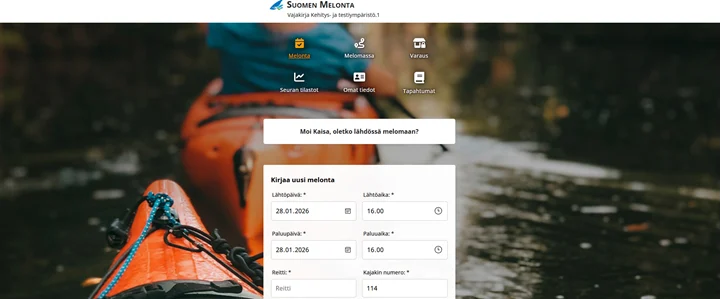
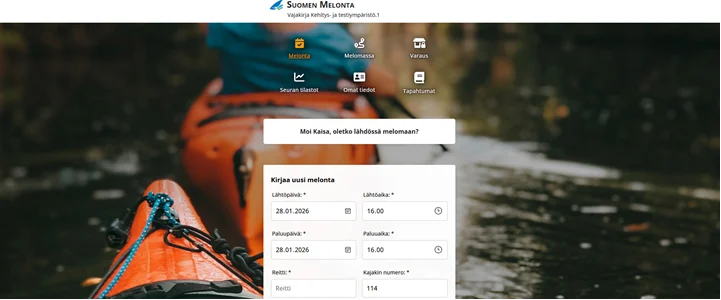
The digital Vajakirja was conceived to overcome these hurdles. It promised real-time availability checks, simplified booking processes, accurate usage statistics, and a centralized platform for communication and club event management. By embracing digital transformation, the Federation aimed to reduce administrative burden on volunteer staff, enhance the user experience for members, and ultimately, foster a more active and engaged paddling community. The project resonated with a broader trend seen across various sports federations globally, where technology is increasingly being leveraged to streamline operations, improve member services, and gather data for strategic development.
The Pilot Phase: A Controlled Rollout for Authentic Insights
To ensure the digital logbook met the diverse needs of its member clubs, the Federation opted for a meticulously planned pilot phase. This crucial initial period saw 17 paddling clubs from various regions and with differing operational scales integrate the new digital service into their daily routines. Over 1,200 active users, encompassing a wide demographic of paddlers from novices to seasoned veterans, participated in this real-world test.
The objective of the pilot was not just to test the software’s functionality, but critically, to gather authentic user experiences. This involved observing how the service was adopted, identifying pain points, understanding workflow integration, and collecting concrete suggestions for improvement directly from those who would be using it day in and day out. This participatory approach ensured that the development of the Vajakirja would be truly user-driven, reflecting the practical realities and aspirations of the Finnish paddling community. The feedback mechanism was designed to be robust, culminating in a comprehensive user survey conducted towards the end of the summer season.
Unveiling User Insights: A Comprehensive Survey Reveals Success
The culmination of the pilot year was a detailed user survey, distributed in late summer, which provided a quantitative and qualitative snapshot of the service’s reception and effectiveness. The survey’s findings have provided a clear mandate for the continued evolution of the digital logbook, showcasing strong approval and a collective desire for further enhancements.
Methodology and Reach of the Feedback Loop
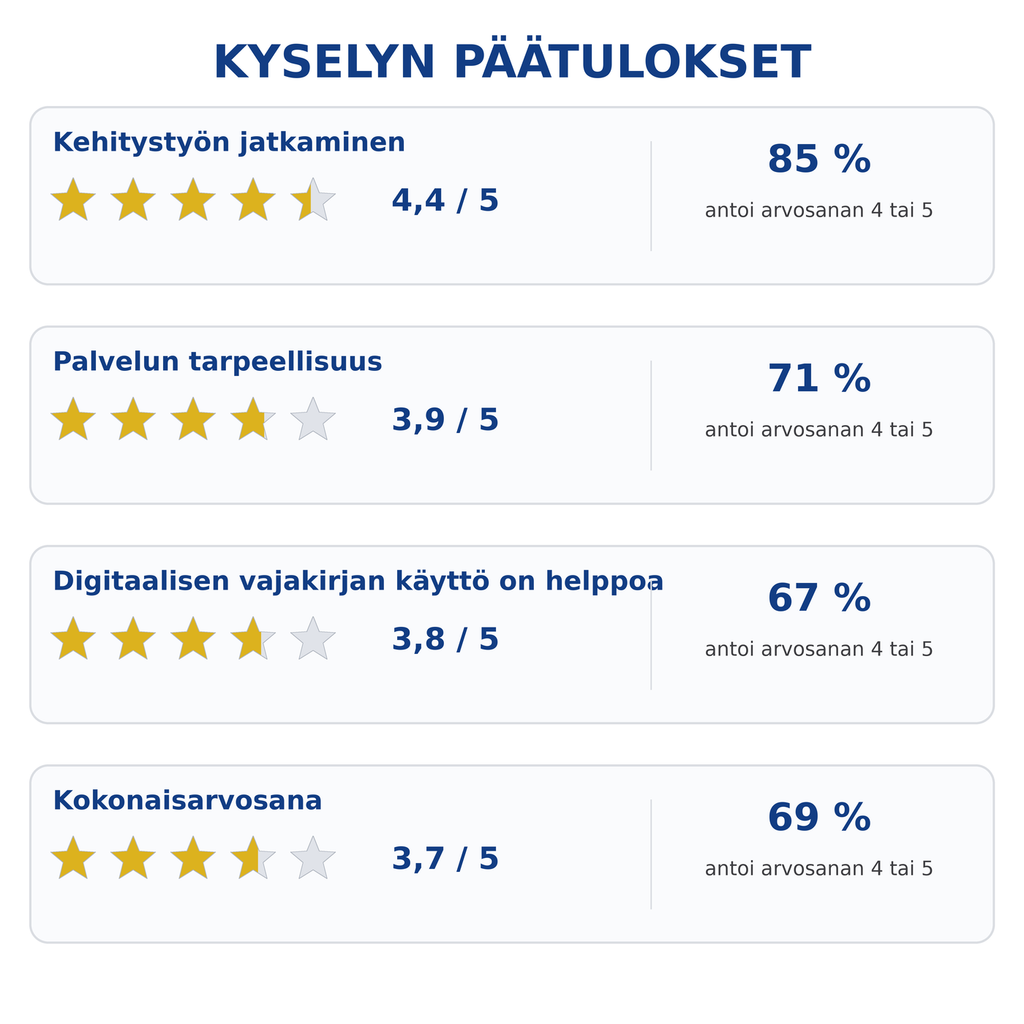
The survey garnered responses from 97 users, a significant sample size that offered a representative cross-section of the pilot participants. Respondents were asked to rate various aspects of the digital logbook on a scale of 1 to 5, where 1 indicated strong disagreement or dissatisfaction, and 5 indicated strong agreement or satisfaction. This standardized rating system allowed for clear statistical analysis, complemented by open-ended questions that provided invaluable qualitative data and specific suggestions. While not all 1,200 pilot users responded, the 97 responses provided a rich dataset for analysis, highlighting key trends and areas for focus. The feedback loop was designed to be continuous throughout the pilot, but this end-of-season survey provided a consolidated view of the overall experience.
Overwhelming Support for Continued Development
Perhaps the most compelling finding from the survey was the resounding endorsement for the continued development of the digital logbook. Users rated the importance of ongoing development at an impressive 4.4 out of 5. Delving deeper into this metric, a remarkable 85% of respondents assigned a score of 4 or 5, indicating a strong belief in the service’s potential and a clear desire for further investment in its capabilities. This high rating is a powerful testament to the perceived value of the digital logbook and signals that users are not only satisfied with the current offering but are also excited about its future prospects. It suggests that the initial implementation has proven its worth, establishing a solid foundation upon which more advanced features can be built. This enthusiasm for continued development is crucial for any digital service, as it indicates a committed user base eager to contribute to its evolution.
Affirming the Service’s Necessity
Beyond just future development, the survey also sought to gauge the perceived necessity of the digital logbook itself. Here, users gave an average rating of 3.9 out of 5, with 71% of respondents scoring it 4 or 5. This strong affirmation underscores that the digital service addresses a genuine need within paddling clubs. While perhaps not universally deemed "absolutely critical" by every single user from day one, the significant majority recognize its indispensable role in modern club management. It highlights that the benefits, such as real-time information, streamlined processes, and enhanced tracking capabilities, are tangible and valued by the community. This rating demonstrates that the Federation has successfully identified a pain point and provided a viable, much-needed solution.
Overall User Satisfaction and Trust
When asked to provide an overall rating for the digital logbook, users responded with an average score of 3.7 out of 5. This solid aggregate score is further reinforced by the fact that 69% of respondents gave an overall rating of 4 or 5. This figure reflects a generally high level of satisfaction among the pilot users. It indicates that despite being a new service in its pilot phase, with inherent room for refinement, the digital logbook has delivered a positive and beneficial experience. An overall satisfaction rating approaching 4 out of 5 for a first-year digital product is a strong indicator of successful implementation and user acceptance. It also provides a robust baseline for future improvements, reassuring the Federation that they are on the right track.
Federation’s Perspective: Goals Achieved and Future Direction
The Finnish Canoe and Rowing Federation views the pilot year as an unequivocal success, validating its strategic investment in digital transformation. The comprehensive feedback received has not only confirmed the service’s value but has also provided a clear roadmap for its future development.
Kai Lindqvist on the Pilot’s Success
Kai Lindqvist, the Federation’s Education and Hobby Coordinator, articulated the success of the pilot phase with clear enthusiasm. "The goal of the pilot phase has been to gather authentic user experiences from diverse clubs and user groups," Lindqvist stated. "In this respect, the first year succeeded excellently: users provided a wealth of concrete observations and development suggestions throughout the summer and via the feedback survey conducted in late summer. Based on the feedback received, a clear direction has been established for the continued development of the service."
Lindqvist further highlighted the agile approach taken during the pilot, noting that "the service has already been developed during the summer, and new features have been quickly made available to the participating clubs." This iterative development, directly informed by real-time user feedback, has been a cornerstone of the project’s success, ensuring that improvements are relevant and timely. "From the Federation’s perspective, the digital boathouse logbook has met the objectives set for it," Lindqvist concluded, underscoring the strategic alignment and successful execution of the initiative.
Strategic Vision and Responsive Development
Lindqvist’s comments underscore the Federation’s commitment to a user-centric development model. The "concrete observations and development suggestions" are not merely collected; they are actively integrated into the development cycle. This responsive approach is vital for ensuring the service remains relevant and valuable to its users. The Federation understands that a digital tool is never truly "finished" but is rather an evolving ecosystem that must adapt to changing needs and technological advancements. The "clear direction" derived from the feedback empowers the Federation to prioritize features and allocate resources effectively, ensuring that future enhancements are impactful and align with user expectations. This strategic vision positions the Federation as a forward-thinking organization dedicated to providing its members with the best possible tools for a thriving paddling community.
Key Features and User-Driven Innovation
The pilot year illuminated which aspects of the digital logbook resonated most with users and also brought to light a wealth of innovative ideas for its future evolution. This dynamic interplay between existing functionality and user-driven suggestions is a hallmark of successful digital product development.
Praised Functionalities
Users particularly lauded the capabilities for equipment booking and availability checking. This real-time functionality eliminates the frustration of arriving at the boathouse only to find desired equipment unavailable or having to manually check a paper roster. Members can now conveniently reserve a kayak, canoe, or SUP board from their phone or computer, ensuring their preferred equipment is ready when they are. This significantly enhances the user experience, reduces conflicts over shared resources, and promotes more efficient utilization of club assets.
Equally praised were the new monitoring capabilities offered by the digital service. These include the ability to track equipment usage patterns, understand which boats are most popular, identify peak usage times, and monitor the overall activity levels of the club. For club administrators, this data is invaluable for inventory management, informing decisions about new equipment purchases, and optimizing maintenance schedules based on actual wear and tear rather than arbitrary timelines. For individual members, these monitoring features might also include personal paddling logs, allowing them to track their own progress and mileage over time. The shift from anecdotal evidence to concrete data provides a robust foundation for strategic planning and resource allocation.
A Wishlist for Enhanced Usability and Safety
While existing features were well-received, users also demonstrated a strong desire to participate in the service’s development, offering a diverse array of innovative ideas. This enthusiastic engagement speaks volumes about the community’s investment in the digital logbook’s future. The suggestions ranged from practical usability improvements to advanced safety features, painting a comprehensive picture of future potential:
- Reminder Functions: Users expressed a need for automated reminders – for upcoming bookings, overdue returns, or even scheduled equipment maintenance checks. These proactive notifications would further streamline operations and reduce administrative overhead.
- Mobile Usability: While the current web service is likely accessible via mobile browsers, there was a clear demand for a dedicated mobile application or a more heavily optimized mobile interface. This reflects the reality of how members interact with services today – on the go, often at the boathouse itself, where a seamless mobile experience is paramount. A native app could offer enhanced performance, offline capabilities, and integration with device features.
- Enhanced Equipment Management: Beyond simple booking, users envisioned more sophisticated tools for comprehensive equipment management. This includes tracking detailed service histories for each piece of equipment, managing inventory levels more dynamically, and perhaps even integrating with repair workflows. Such features would significantly extend the lifespan of club assets and improve operational efficiency.
- Advanced Statistics: The current statistical capabilities were appreciated, but users desired deeper, more customizable insights. This could involve generating detailed reports on individual member activity, analyzing club-wide usage trends over different seasons, or benchmarking against previous years. Such data could be invaluable for grant applications, membership drives, and strategic planning.
- Safety Features: A particularly insightful category of suggestions focused on safety. Ideas included integrating emergency contact information directly into the logbook, allowing members to log their planned routes for safety tracking, or even incorporating weather alerts to advise against venturing out in adverse conditions. These features underscore the community’s commitment to safety and the potential of a digital platform to support it proactively.
The overwhelming nature of these suggestions, covering everything from core functionality to ancillary safety measures, demonstrates that the digital logbook is not just seen as a tool, but as a central hub for club life and a platform for continuous innovation.
Voices from the Water: Pilot Clubs Share Their Experiences
The real-world application of the digital logbook in the pilot clubs provided tangible examples of its benefits and how it integrated into diverse club cultures. Two clubs, Melaveikot and Kotkan Melojat, offered specific testimonials that highlight the service’s adaptability and impact.
Melaveikot: Embracing the Digital Alongside Tradition
Asko Lindén from Melaveikot shared his club’s positive experience, illustrating a pragmatic approach to digital adoption. "At Melaveikot, we introduced the digital boathouse logbook alongside our traditional paper logbook," Lindén explained. "This reform had been wished for by many members, and the new digital system has been very well received. The service is mainly used on the phone, and its operation has proven smooth."
Lindén highlighted the significant administrative advantages: "From the club’s perspective, the most significant benefits relate particularly to the monitoring of paddling statistics and equipment usage statistics, as this data will now be directly available from the system in a ready format." This shift from manual data compilation to automated reporting is a major time-saver for volunteer-run clubs, freeing up resources for other activities. Looking ahead, Lindén confirmed their commitment: "The club plans to expand the use of the service in the coming years." Melaveikot’s experience demonstrates that digital integration doesn’t necessarily mean abandoning tradition entirely, but rather augmenting it with modern efficiency, particularly for data-driven decision-making.
Kotkan Melojat: Engaging New Generations and Streamlining Events
Hanna Metsä-Heikkilä from Kotkan Melojat provided another compelling success story, emphasizing the digital logbook’s role in fostering engagement, especially among newer and younger members. "At Kotkan Melojat, we approached the pilot phase with enthusiasm and great interest," Metsä-Heikkilä recounted. "The adoption of the service went smoothly, and it was particularly easy to motivate new paddlers and younger members to use it. Older members also became active during the summer." This ease of adoption across different age groups is critical for ensuring the longevity and inclusivity of sports clubs.
Metsä-Heikkilä pinpointed specific features that proved most beneficial for her club: "In our club, the event calendar and event registration have been found particularly useful. Additionally, the statistics features offer valuable information for individual members as well as for the club." The event calendar functionality extends the logbook’s utility beyond just equipment management, transforming it into a central hub for all club activities, simplifying sign-ups, and improving communication. Metsä-Heikkilä expressed confidence in the future: "With the Federation’s ongoing development work, the usability and fluidity of the service are likely to improve even further. All in all, this is a very good and useful service, even for a small club. Larger clubs will certainly benefit even more from it." Her statement highlights the scalability of the service, proving its value for clubs of all sizes.
The Path Forward: Continuous Improvement and Collaborative Growth
The first year of the digital boathouse logbook has laid a robust foundation for what promises to be a transformative tool for Finnish paddling clubs. The experiences and feedback gathered during the pilot phase have clearly demonstrated a strong demand for the service and its immense potential to support future club activities.
A Foundation for the Future of Club Management
The Finnish Canoe and Rowing Federation is resolute in its commitment to continuing the development of the digital logbook, guided directly by the insights gleaned from the pilot survey. The consensus among users is clear: there is a genuine need for such a service, and it holds significant promise for revolutionizing how clubs operate. The initial year has not just been a test; it has been a critical learning phase that has provided an invaluable blueprint. This foundation will enable the digital logbook to be built into an even more functional and indispensable service, developed collaboratively with its end-users and the clubs themselves. This partnership approach ensures that the service evolves in a way that truly serves the community it aims to empower.
Expanding the Digital Ecosystem for Paddling
The implications of this successful pilot extend far beyond just streamlined equipment booking. The digital logbook is poised to become a central pillar in the broader digital ecosystem of Finnish paddling. It offers the potential for:
- Improved Safety Protocols: By enabling route logging, emergency contact integration, and potentially real-time weather data, the service can significantly enhance safety for paddlers.
- Enhanced Club Administration: Reduced manual workload, automated reporting, and better data insights will free up volunteers to focus on core club activities, member recruitment, and program development.
- Greater Member Engagement: Easy access to equipment, event calendars, and personalized statistics can foster a stronger sense of community and encourage more active participation.
- Optimized Resource Utilization: Data on equipment usage can inform strategic investments, ensuring that clubs purchase the right equipment to meet demand and maintain their existing fleet effectively.
- Data-Driven Strategic Planning: The aggregated, anonymized data can provide the Federation with valuable insights into national paddling trends, helping to shape future policies, training programs, and infrastructure development.
The Federation is positioning itself as a leader in leveraging technology to support and grow amateur sports, setting a precedent for other national sports organizations.
Transparency in Development: User Feedback at the Core
To maintain transparency and foster continued engagement, the Federation has established a dedicated section on its website. This online hub serves as a repository for all the development ideas and user wishes received during the pilot, alongside a record of the new features that have already been implemented based on this feedback. This open approach not only keeps users informed but also reinforces their crucial role in shaping the future of the digital logbook. It cultivates a sense of shared ownership and ensures that the service remains responsive to the evolving needs of the paddling community.
Conclusion: Charting a Course for Digital Excellence
The first year of the Finnish Canoe and Rowing Federation’s digital boathouse logbook has been a resounding success, demonstrating the immense potential of digital innovation to transform sports club operations. From simplifying equipment management and event registration to providing invaluable statistical insights, the Vajakirja has proven its worth to both clubs and individual members. The overwhelmingly positive user feedback, coupled with a clear roadmap for future development, positions this initiative as a benchmark for digital transformation in amateur sports. As the Federation continues to refine and expand the service, working hand-in-hand with its users, the digital boathouse logbook is set to become an even more indispensable tool, charting a course for greater efficiency, engagement, and safety across Finland’s beautiful waterways. The future of paddling in Finland is not just on the water, but increasingly, in the digital realm.
For more information:
Kai Lindqvist
Education and Hobby Coordinator
Finnish Canoe and Rowing Federation
Phone: +358 50 5113 639
Email: [email protected]