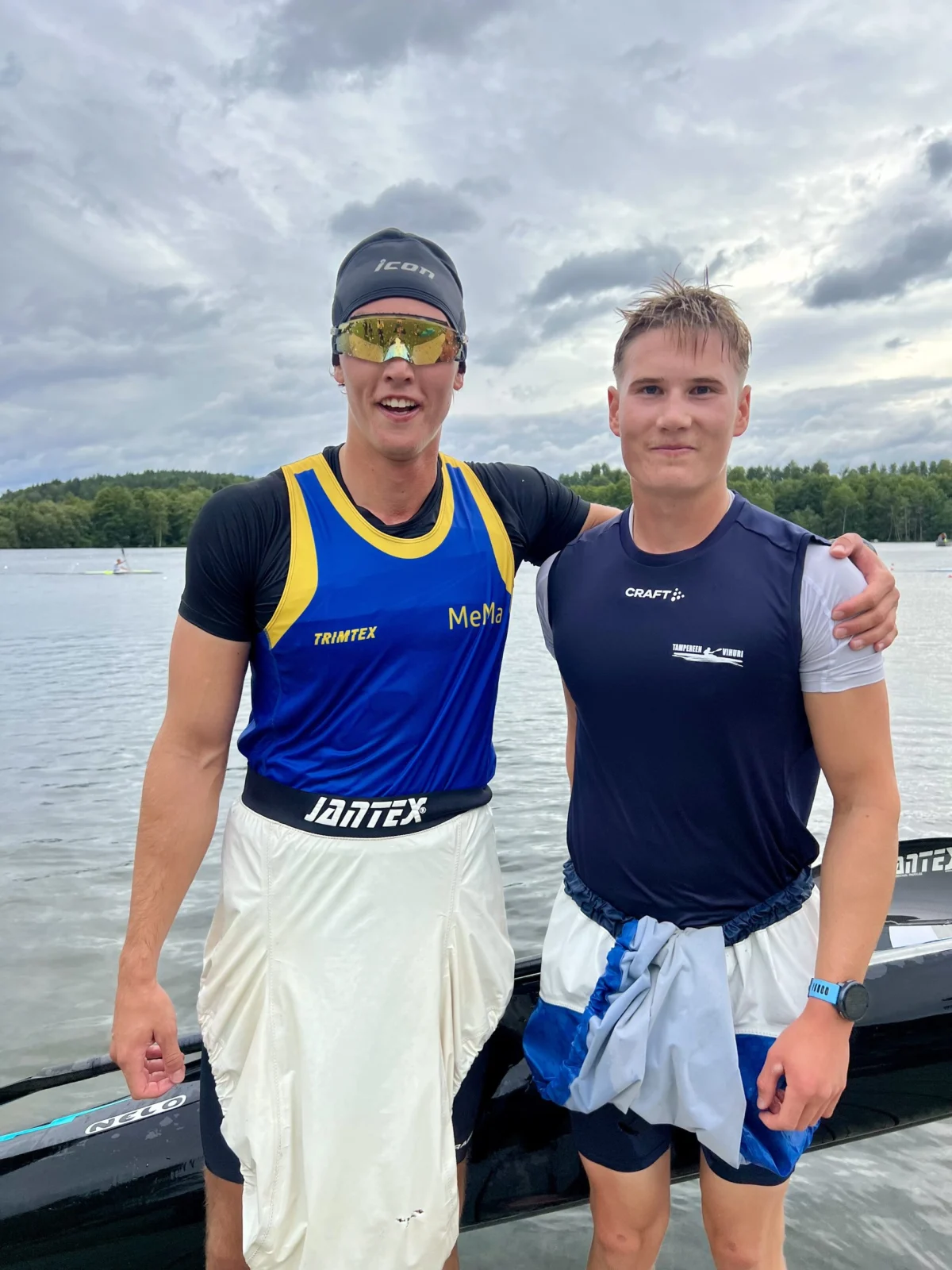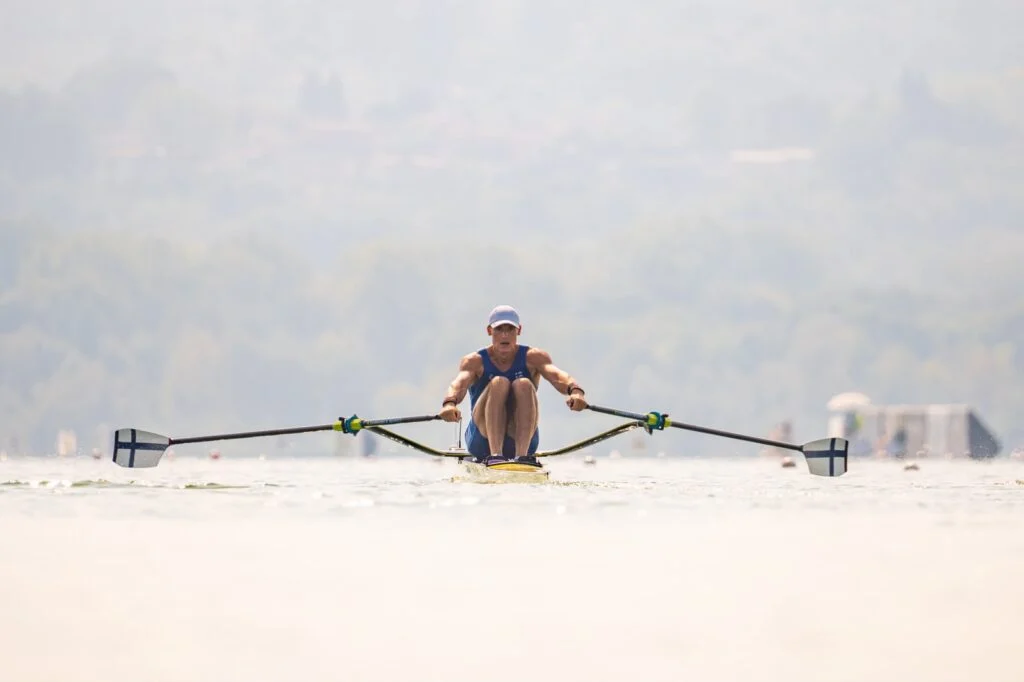
[City, Country] – [Date of Publication, e.g., July 28, 2026] – The U18 and U23 European Canoe Sprint Championships have drawn to a close, marking a pivotal moment for the emerging talent of Finnish paddling. While no Finnish athletes reached the coveted A-finals, the team’s performance was characterized by significant personal improvements, invaluable international exposure, and a clear vision for future development, as articulated by head coach Jeremy Hakala. The championships, held on a challenging course in [Hypothetical European City], tested the resilience and skill of Europe’s top junior and U23 paddlers across various distances and boat classes.
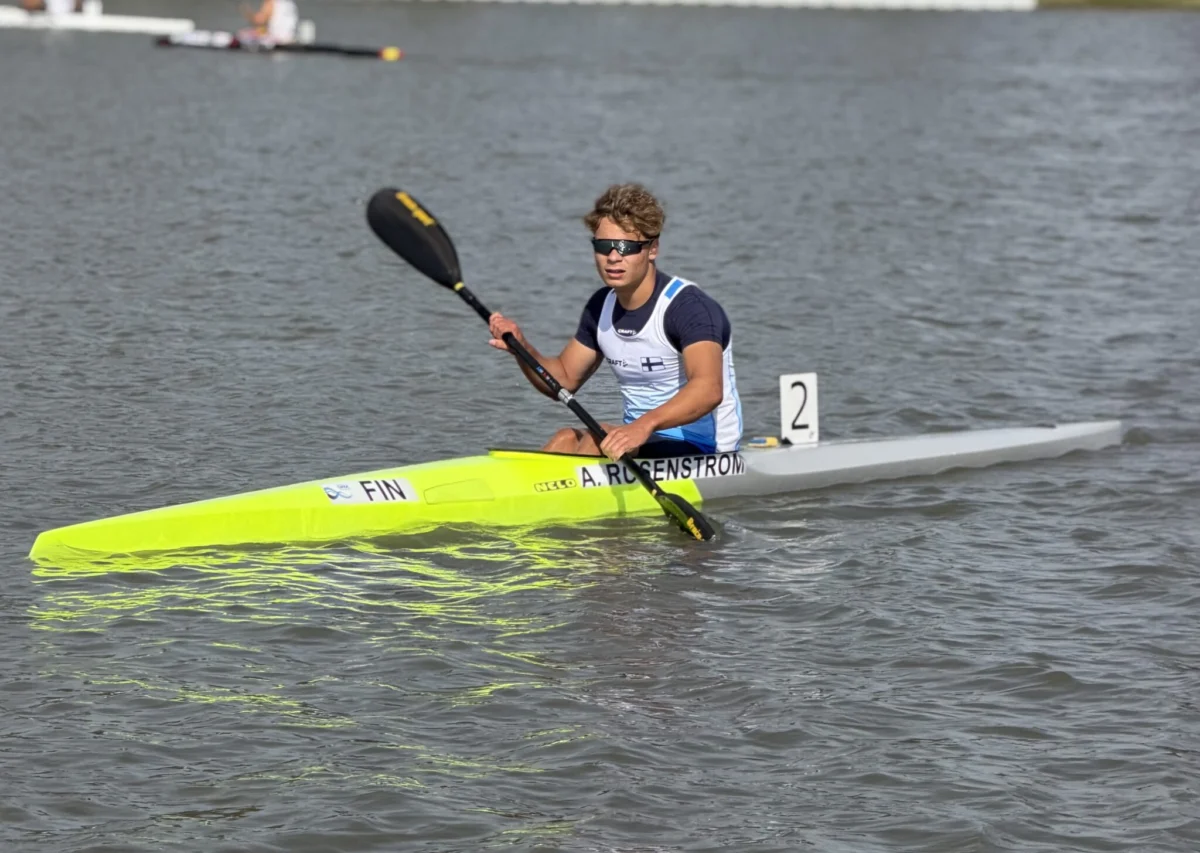
The final day of competition saw Aapo Rosenström, a promising talent in his inaugural year in the U18 category, compete in the M18 K1 500m B-final. Despite a valiant effort against a formidable headwind, Rosenström secured an 8th-place finish in his heat, placing him 17th overall in the European rankings – a commendable achievement for a debutant. His performance, along with the consistent efforts of the entire Finnish contingent, underscores a positive trajectory for the sport in Finland.
Main Facts: A Foundation for Future Success
The 2026 European Canoe Sprint Championships for U18 and U23 athletes served as a critical benchmark for the Finnish national team. Comprising six dedicated paddlers, the squad faced an elite field, representing the pinnacle of youth canoe sprint in Europe. The overarching objective for the Finnish team was not solely focused on medal contention but rather on maximizing competitive experience, testing limits against the continent’s best, and achieving personal best performances.
Aapo Rosenström’s participation in the M18 K1 500m B-final on the concluding day epitomized this strategic approach. His 17th overall ranking in a highly competitive category for a first-year U18 athlete speaks volumes about his potential and the efficacy of the Finnish development program. The challenging conditions, particularly the strong headwind that characterized the final day of racing, added an extra layer of difficulty, forcing athletes to dig deep and adapt their race strategies.
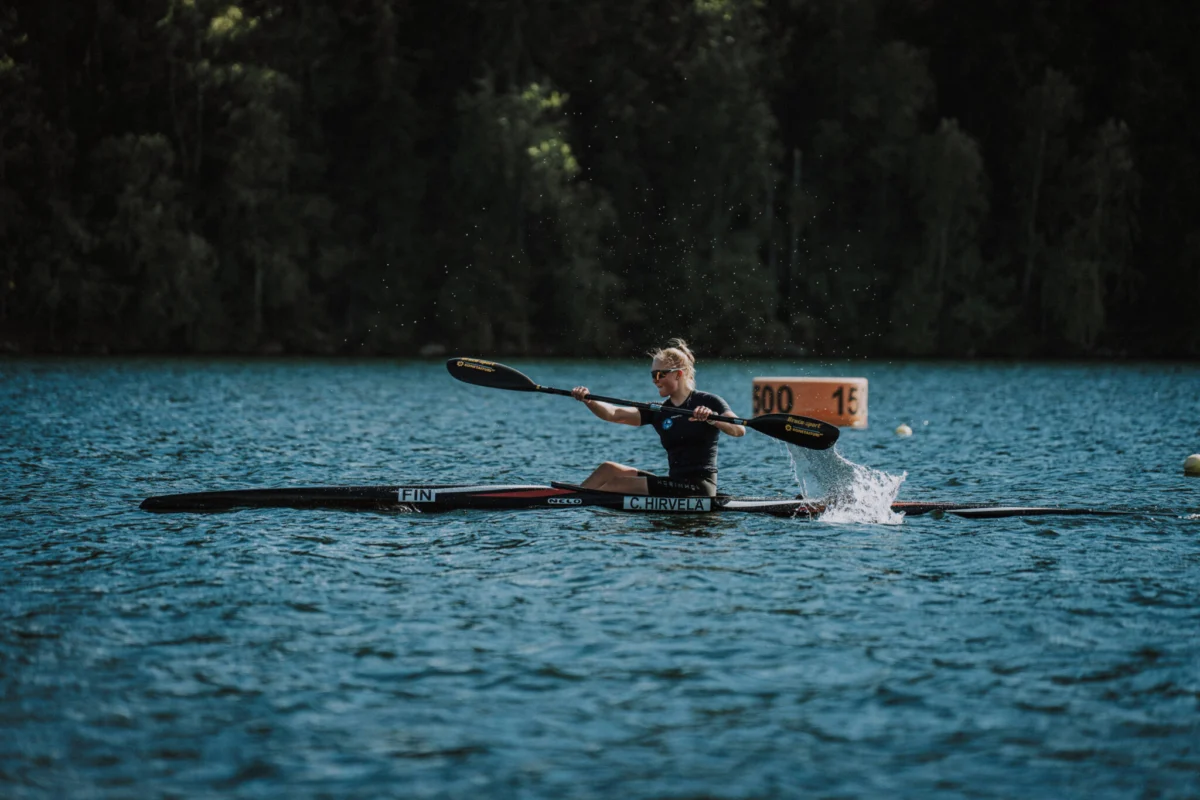
Beyond Rosenström’s notable performance, the entire Finnish team showcased determination. Netta Nieminen, Cecilia Hirvelä, Sonja Juvonen, and Iida Lindeman competed in the N18 K4 500m event, securing a 15th overall position. Hirvelä also raced in the N18 K1 500m, finishing 19th, while Lindeman took 21st in the N18 K1 1000m. The M18 K2 500m saw Rosenström team up with Alex Autere for a 25th-place finish, and Alicia Lindqvist rounded out the team’s individual entries with a 26th-place finish in the N18 K1 200m. Each race, regardless of the final ranking, contributed to a collective pool of high-level international experience crucial for their continued growth.
Chronology of Challenges and Triumphs
The championships unfolded over several intense days, each presenting unique challenges and opportunities for the Finnish athletes. The initial heats and semi-finals were crucial for establishing rankings and securing coveted spots in the subsequent rounds. For many of the Finnish paddlers, these early races were their first exposure to such a high-stakes international environment, testing their mental fortitude as much as their physical conditioning.
Opening Rounds and Initial Impressions:
The Finnish campaign began with the preliminary heats across various distances. Athletes like Cecilia Hirvelä (N18 K1 500m), Iida Lindeman (N18 K1 1000m), and Alicia Lindqvist (N18 K1 200m) launched their individual bids, facing off against established national champions and rising stars from across Europe. The focus in these initial stages was on executing race plans, maintaining composure, and pushing for personal bests – a strategy that, according to Coach Hakala, was largely successful. The M18 K2 500m pairing of Aapo Rosenström and Alex Autere also navigated their preliminary rounds, gaining vital experience in synchronicity and tactical racing against highly skilled duos.
Team Boat Dynamics:
A significant highlight for the Finnish women was the N18 K4 500m crew comprising Netta Nieminen, Cecilia Hirvelä, Sonja Juvonen, and Iida Lindeman. Team boats require exceptional coordination, communication, and collective effort. Their performance, culminating in a 9th place in their heat and 15th overall, demonstrated a commendable level of teamwork and potential for future development in crew boat categories. The synergy developed in these races is invaluable for building a strong national team foundation.
Rosenström’s Ascent to the B-Final:
Aapo Rosenström’s journey in the M18 K1 500m was a testament to his individual skill and tenacity. Navigating through competitive preliminary heats, his consistent performance earned him a spot in the B-final. This achievement alone was significant, placing him among the top 18 paddlers in Europe for his age group in one of the sport’s most demanding disciplines. His progression to the B-final underscored the effectiveness of his training and his natural talent.
The Final Day: A Battle Against the Elements:
The championships culminated on Sunday with the final rounds. For Aapo Rosenström, this meant the M18 K1 500m B-final. However, the weather took a decisive turn, with a strong headwind sweeping across the course. This meteorological challenge dramatically altered race dynamics, favoring paddlers with exceptional power and endurance, and making it particularly taxing for those who had already expended significant energy in previous rounds.
Rosenström’s B-final race was hard-fought. While his early heat results had suggested a tight contest, the headwind created larger-than-expected gaps between competitors. He paddled a "reasonably good race," as described by the coaching staff, but the cumulative fatigue and the relentless resistance of the wind meant he couldn’t maintain the pace required to challenge for the top positions in the final stretch. His 8th place in the B-final (17th overall) was a testament to his grit and a valuable lesson in managing race conditions at the elite level. For a paddler in his first year in the U18 category and making his European Championship debut, this experience is arguably more valuable than a higher placement under easier conditions, preparing him for the tactical and physical demands of future competitions.
Supporting Data: Analyzing the Performance Metrics
The detailed results provide a quantitative snapshot of the Finnish team’s journey at the championships. While specific times were not highlighted in the original report, the focus on overall rankings and the qualitative assessment of "improving personal bests" offers crucial insights.
Finnish Team’s Consolidated Results at U18 & U23 European Championships:
- Aapo Rosenström (M18 K1 500m): B-final 8th place (Overall 17th)
- Netta Nieminen – Cecilia Hirvelä – Sonja Juvonen – Iida Lindeman (N18 K4 500m): Heat 9th place (Overall 15th)
- Cecilia Hirvelä (N18 K1 500m): Heat 7th place (Overall 19th)
- Iida Lindeman (N18 K1 1000m): Heat 9th place (Overall 21st)
- Aapo Rosenström – Alex Autere (M18 K2 500m): Heat 8th place (Overall 25th)
- Alicia Lindqvist (N18 K1 200m): Heat 8th place (Overall 26th)
These results, while not placing athletes on the podium, indicate a strong base level of performance. The fact that "everyone who started in the competitions managed to improve their personal bests for their respective distances" is a particularly significant metric. In high-pressure international events, simply matching personal bests can be a challenge, let alone surpassing them. This suggests effective preparation, mental resilience, and perhaps a peak performance strategy that paid dividends for individual athletes.
The overall level of competition was noted as "clearly higher compared to last year or this year’s age group World Championships." This observation highlights a global trend of rising standards in junior canoe sprint, driven by enhanced national programs, increased participation, and more sophisticated training methodologies across Europe. For the Finnish team to improve personal bests in such an elevated competitive landscape underscores their progress and the effectiveness of their coaching and development efforts.
Official Responses: Coach Hakala’s Strategic Perspective
Jeremy Hakala, the team’s coach, offered a candid and insightful assessment of the Finnish team’s performance, balancing satisfaction with a clear-eyed view of the work ahead. His statements provide the official narrative and strategic direction for Finnish canoeing.
"Overall, the Finnish team was able to perform at its best level in these European Championships. Every competitor managed to improve their personal bests for their respective distances, and we must be very satisfied with this," Hakala stated. This sentiment is crucial. In sports, particularly at developmental levels, progress is often measured against oneself rather than solely against competitors. Achieving personal bests under the intense pressure of a European Championship environment speaks volumes about the athletes’ dedication and the coaching staff’s ability to prepare them both physically and mentally. It signifies a successful execution of individual race plans and a testament to their training cycles.
Hakala continued, addressing the broader competitive landscape: "The general level of competition was clearly higher compared to last year or this year’s age group World Championships. We still have a way to go and work to do to reach the final level, but the positive thing is that we are not light-years away, and in comparison to other Nordic countries in the U18 category, we are very close."
This statement is multi-layered. Firstly, acknowledging the escalating competition is a realistic appraisal. It suggests that while Finland is progressing, so too are other nations, necessitating a continuous drive for improvement. Secondly, the recognition that there’s "still a way to go" before consistently reaching A-finals is an honest assessment of the current gap. This gap likely pertains to fine margins in technique, power output, endurance, and race strategy that separate the B-finalists from the A-finalists.
However, Hakala’s immediate follow-up – "we are not light-years away" – injects a crucial sense of optimism and achievable goals. This isn’t a program facing an insurmountable deficit but one that is within striking distance. It implies that with targeted effort, strategic planning, and continued dedication, the gap can be closed. The comparison to other Nordic countries is particularly telling. Finland’s position as "very close" to its regional counterparts in the U18 category provides a tangible benchmark and suggests a healthy regional competition that can foster collective growth. It also hints at potential for collaboration or shared insights among Nordic nations, which often face similar challenges in terms of climate and population size when developing elite athletes.
Implications: Charting the Course for Finnish Canoe Sprint
The performances at the 2026 U18 and U23 European Championships carry significant implications for the future of Finnish canoe sprint. They validate current development pathways while also highlighting areas for targeted improvement and strategic investment.
Talent Identification and Development:
The strong showing of first-year U18 athletes like Aapo Rosenström underscores the effectiveness of Finland’s early-stage talent identification programs. Nurturing these promising individuals through structured training regimes, psychological support, and gradual exposure to international competition will be paramount. The experience gained at these championships will be a cornerstone for these athletes as they transition into more senior categories.
Bridging the Gap to A-Finals:
Coach Hakala’s observation about the "gap to the final level" necessitates a focused strategy. This might involve:
- Enhanced Technical Coaching: Refining paddling technique to maximize efficiency and power transfer, especially under varying conditions like headwinds.
- Strength and Conditioning: Developing specific physical attributes (e.g., anaerobic power, endurance, core stability) tailored to the demands of elite canoe sprint.
- Sports Psychology: Equipping athletes with mental tools to handle pressure, maintain focus, and execute race plans flawlessly in high-stakes environments.
- International Exposure: More frequent participation in international camps and smaller competitions to acclimatize athletes to different race environments and competitive styles.
- Technological Integration: Utilizing advanced analytics, video feedback, and biomechanical analysis to identify marginal gains and areas for improvement.
Strategic Investment and Funding:
The progress made by the Finnish team, particularly the achievement of personal bests against a higher standard of competition, should serve as a compelling argument for continued or increased investment in canoe sprint at the national level. Funding for coaching, training facilities, equipment, and international travel is essential to sustain this momentum and help athletes bridge the remaining gap to the A-final level.
Long-Term Vision:
The results from these championships feed into a longer-term vision for Finnish canoe sprint – one that aims for consistent representation in A-finals at European and World Championships, eventually leading to Olympic qualification and competitive performances. The U18 and U23 categories are crucial stepping stones, providing the proving ground for future senior national team members. The experience of navigating tough races, managing demanding conditions, and performing under pressure will forge the resilient athletes needed for future success.
In conclusion, the 2026 European Canoe Sprint Championships represented a valuable learning curve and a significant step forward for Finnish junior and U23 paddlers. While the ultimate goal of A-final appearances remains, the team’s commitment to personal excellence, their resilience in challenging conditions, and the optimistic yet realistic outlook of their coaching staff paint a promising picture for the future of canoe sprint in Finland. The groundwork has been laid, and the pathway to competitive international success appears clearer than ever.
Additional Information:
Jeremy Hakala, 044 246 4030, [email protected]