TARTU, ESTONIA – In a display of exceptional endurance and masterful river navigation, Finland’s Miska Nummela claimed a dominant victory in the 56-kilometer K1 category of the Emajõe Marathon on Saturday. Paddling the challenging course from Jõesuu to Tartu, Nummela crossed the finish line in an astonishing time of 3 hours, 57 minutes, and 58 seconds, cementing his place in the annals of this venerable Estonian marathon paddling event. His performance was not merely a win but a statement, highlighting the demanding nature of the Emajõgi River and the supreme athleticism required to conquer it.
The Emajõe Marathon, known for its unique natural river setting that contrasts sharply with the often-standardized circuit courses of modern marathon canoeing, provided a formidable stage for Nummela’s triumph. His sub-four-hour finish on the winding, current-laden waterway is considered an exceptionally strong time, indicative of both peak physical conditioning and an astute understanding of the river’s dynamic character.
Main Facts: A Victory Forged in River and Will
Miska Nummela’s victory at the Emajõe Marathon’s premier 56-kilometer K1 event is a highlight of the regional paddling calendar. His time of 3:57:58 stands as a testament to his prowess, particularly given the specific challenges posed by the Emajõgi River. Unlike the predictable, often still-water environments of many international marathon courses, the Emajõgi demands constant vigilance and strategic adaptation. The river’s meandering path, coupled with its variable current, transforms the race from a purely physical contest into a tactical battle against nature itself. Paddlers must "read" the river, identifying optimal lines, conserving energy where possible, and exploiting the current to their advantage. Nummela’s ability to maintain such a high pace under these conditions underscores his elite status in the sport.
The event, celebrating its 44th edition, holds a significant place in the Baltic region’s paddling heritage. Organized by the Estonian Canoe Federation (Eesti Aerutamisföderatsioon), it continues to draw a dedicated field of athletes, eager to test their mettle against one of the few remaining natural river marathon courses. While Nummela spearheaded the Finnish charge, other Finnish competitors, Jussi Wallin and Hannu Kaukola, also participated in the K2 doubles category over a shorter distance, further cementing the strong ties between Finnish and Estonian paddling communities. Nummela’s win, however, truly put a spotlight on Finland’s growing strength in long-distance kayaking.
Chronology: The Race Unfolds
Pre-Race Anticipation and Preparation:
The days leading up to the Emajõe Marathon are typically filled with a unique blend of excitement and apprehension. For seasoned paddlers like Miska Nummela, preparation for an event of this magnitude involves more than just physical training; it requires meticulous planning regarding nutrition, hydration, and, crucially for the Emajõgi, an understanding of the river’s specific characteristics. Nummela, likely having studied maps and previous race reports, would have formulated a strategy to tackle the numerous bends, varying currents, and potential wind exposures along the 56-kilometer stretch from Jõesuu to Tartu. The weather conditions on race day—a crucial factor for any outdoor endurance event—would also have been a subject of keen interest, with forecasts for Saturday promising generally favorable conditions, albeit with the ever-present challenge of the river itself. Finnish athletes, accustomed to navigating diverse waterways, often bring a robust mental fortitude to such races, an attribute undoubtedly possessed by Nummela.
Race Day: Jõesuu to Tartu:
The starting line at Jõesuu is a vibrant scene of focused energy. As the K1 paddlers launched their craft into the Emajõgi, the initial kilometers are often a blur of intense competition as athletes vie for optimal positioning. Nummela’s strategy would have been to settle into a strong, sustainable rhythm early on, avoiding any unnecessary bursts of energy that could prove costly later in the race. The Emajõgi’s early stretches are often wide, allowing for strong, consistent paddling, but as the river winds its way towards Tartu, it becomes more intricate, demanding precise navigation.
Mid-race, as the initial adrenaline subsided, the true test of endurance and mental resilience began. Nummela, leveraging his experience, would have focused on maintaining his stroke rate, adapting his technique to the changing currents and negotiating the river’s natural obstacles. The ability to "read the river"—identifying the fastest channels, avoiding eddies that sap momentum, and utilizing the main current—would have been paramount. Witnesses along the riverbanks might have observed Nummela’s consistent, powerful stroke, a hallmark of a top-tier marathon paddler. Unlike circuit races where visual markers are constant, the Emajõgi offers a constantly evolving landscape, requiring paddlers to remain fully engaged with their surroundings.
The Final Stretch and Triumph:
As Nummela entered the final kilometers, the physical and mental toll of the 56-kilometer journey would have been immense. However, elite athletes often find a reserve of strength in these crucial moments. The approach to Tartu on the Emajõgi is a grand finale, with the river often widening, signaling the impending finish line. Nummela’s final push would have been a testament to his unwavering determination, maintaining his pace and technique even as fatigue set in. Crossing the finish line in 3:57:58 was not just the culmination of a single race but the payoff for years of dedicated training and an innate understanding of marathon paddling. The immediate aftermath would have been a mix of exhaustion and elation, a moment of profound satisfaction for a victory hard-earned on one of Europe’s most unique river courses. His time quickly resonated among the paddling community, recognizing the exceptional nature of his performance on this particular river.
Supporting Data: The Emajõe Phenomenon
The Significance of 3:57:58:
Miska Nummela’s finishing time of 3 hours, 57 minutes, and 58 seconds for the 56-kilometer K1 race is, as described, "an exceptionally strong time." To fully appreciate this, one must consider the Emajõgi River itself. Unlike a purpose-built rowing or canoeing course with consistent depth and minimal turns, the Emajõgi is a living, breathing waterway. Its natural flow means varying currents, which can be a help or a hindrance depending on the paddler’s line. The numerous bends and meanders require constant steering adjustments, which consume energy and reduce forward momentum. Furthermore, the river’s banks can create eddies and backcurrents that, if not navigated expertly, can significantly slow a paddler down. This complexity means that raw power alone is insufficient; a deep tactical understanding of hydrodynamics is essential. For comparison, a 56-kilometer race on a perfectly still, straight canal might see slightly faster times, but the technical demands of the Emajõgi make Nummela’s sub-four-hour achievement particularly noteworthy, suggesting a new benchmark for performance on this challenging course. It speaks to an incredible average speed maintained throughout dynamic conditions.
The Emajõgi River: A Character All Its Own:
The Emajõgi, or "Mother River" in Estonian, is the second-largest river in Estonia. It connects Lake Võrtsjärv to Lake Peipus, flowing directly through the city of Tartu. Its character is defined by its gentle slope, which contributes to a relatively slow but perceptible current, and its numerous meanders, especially in its upper and middle reaches. The river banks are often lush with vegetation, creating a scenic but sometimes claustrophobic feel for paddlers. The river’s width also varies, from narrower, more intimate sections to broader expanses. These features combined present a unique athletic puzzle. Paddlers must constantly adapt their stroke, steering, and energy output to maximize efficiency. The Emajõe Marathon course, from Jõesuu to Tartu, specifically harnesses these natural attributes, offering a true test of a paddler’s ability to read and exploit a natural waterway. It is a stark contrast to the modern trend in marathon canoeing, which often favors multi-lap circuit races designed for spectator engagement and standardized conditions. The Emajõgi, by contrast, offers an authentic, raw challenge that has captivated athletes for decades.
A Legacy Spanning Over Four Decades:
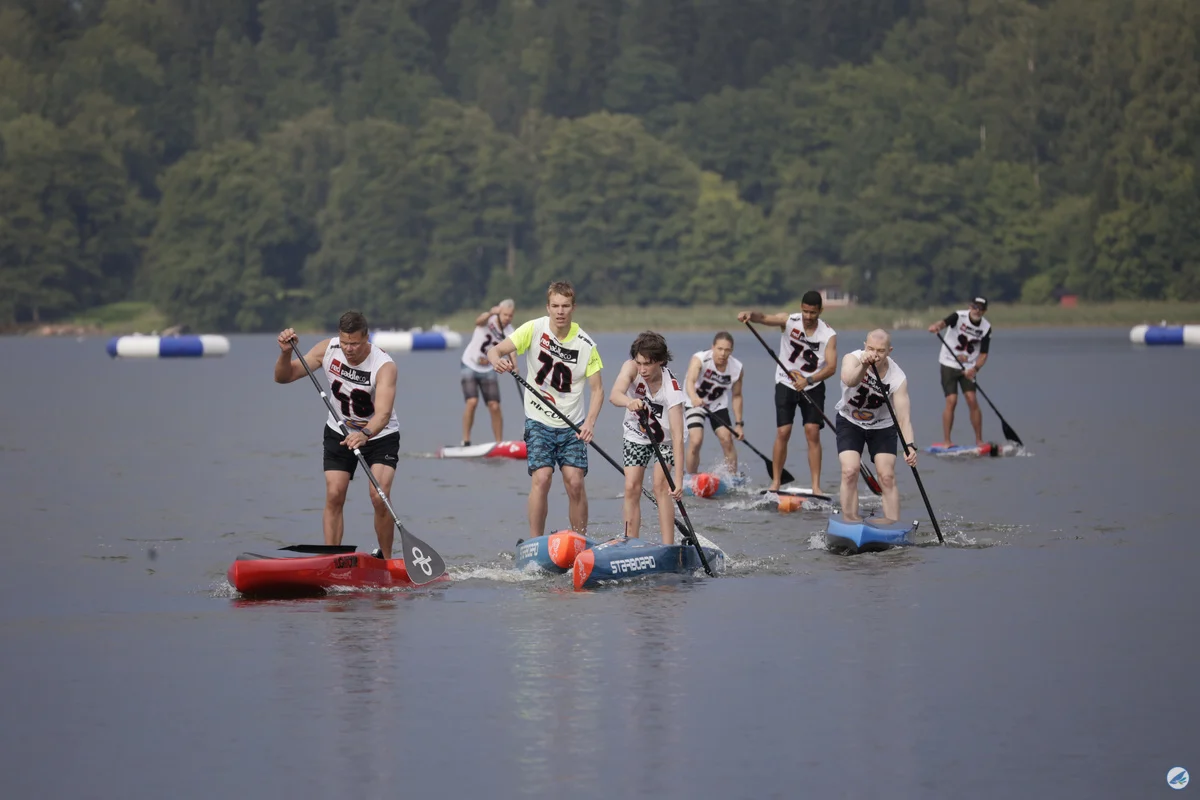
The 2026 Emajõe Marathon marked its 44th iteration, a testament to its enduring appeal and the dedication of its organizers, the Estonian Canoe Federation. First held in 1983, the event has maintained its position as one of Estonia’s longest-running marathon paddling competitions. This long history imbues the race with a special aura, connecting current competitors to a rich heritage of endurance and sporting excellence. The consistency of its natural river route stands as a counter-narrative to the evolving landscape of international marathon canoeing. While many other major events have transitioned to controlled, multi-lap circuits—designed for easier officiating, spectator viewing, and often more predictable conditions—the Emajõe Marathon has steadfastly remained on its original, natural river course. This commitment to tradition is a significant part of its identity, offering a unique "back to basics" experience that appeals to many paddlers who cherish the challenge of true river racing. The event also embraces a broader community, incorporating rowing and Stand-Up Paddleboarding (SUP) categories, alongside various kayaking distances (37 km from Reku, and a sub-20 km race from Kärevere), making it a comprehensive celebration of water sports on the Emajõgi.
Finnish Presence and Regional Rivalries:
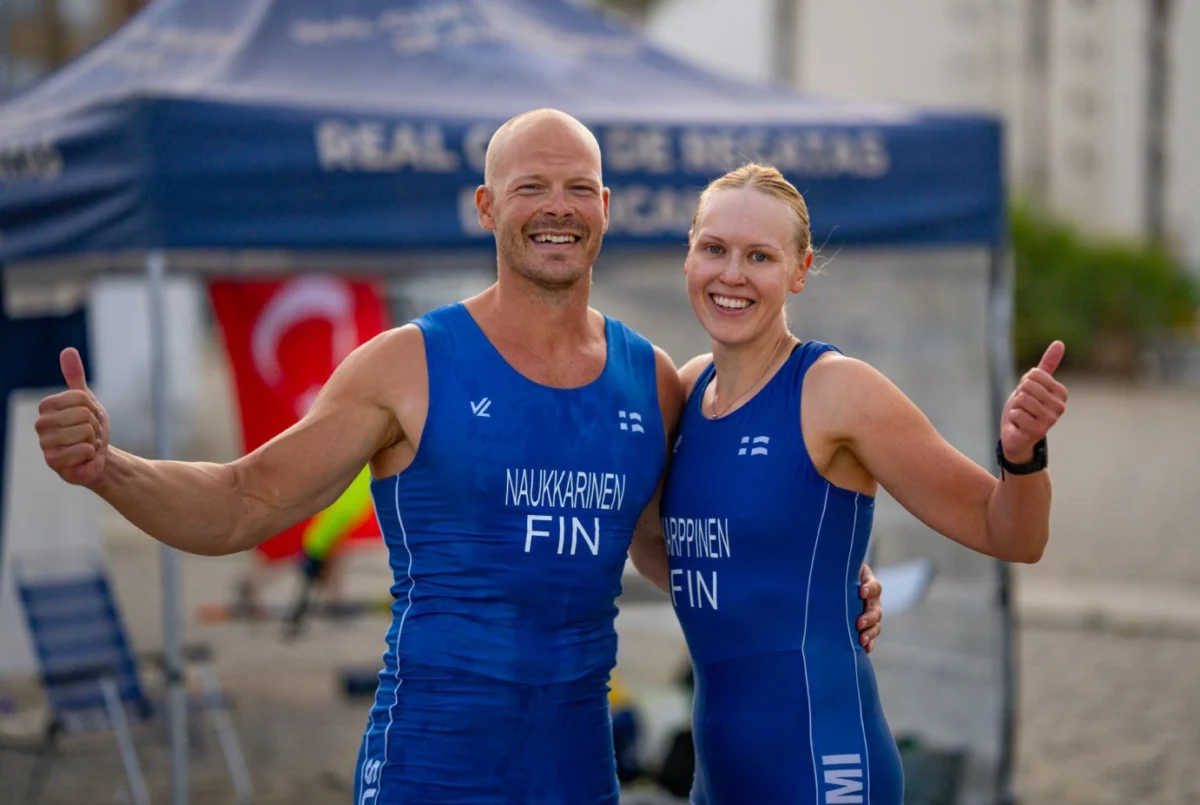
The participation of Finnish athletes like Miska Nummela, Jussi Wallin, and Hannu Kaukola underscores the strong regional connections and healthy rivalries within Baltic and Nordic paddling communities. Finland and Estonia share a close geographical and cultural proximity, which often translates into vibrant cross-border sporting engagements. Finnish paddlers frequently compete in Estonian events, and vice versa, fostering a spirit of friendly competition and mutual development. Nummela’s win is a significant achievement not just for him personally, but also for Finnish marathon canoeing, demonstrating the high caliber of athletes emerging from Finland. Such victories often inspire younger paddlers and further strengthen the bilateral sporting ties, encouraging more athletes to experience the unique challenges offered by events like the Emajõe Marathon.
Official Responses: Voices from the Victory and the Organizers
Miska Nummela’s Elation and Strategy:
Following his remarkable victory, Miska Nummela expressed profound satisfaction and a sense of accomplishment. "This race is truly unique, and I’ve always admired its character," Nummela stated, visibly tired but beaming. "To win here, on such a demanding natural river, feels incredibly special. The current and the numerous turns mean you can never switch off. My strategy was to find a strong, consistent rhythm early on and then really focus on reading the river – finding the fastest lines, exploiting the eddies, and conserving energy where I could. That sub-four-hour target was always in the back of my mind, and to achieve it feels fantastic. The support along the river was also amazing; it really pushed me through the tough patches." His comments highlight the blend of physical and mental fortitude required for such an endeavor, and his deep respect for the Emajõgi’s challenge.
Estonian Canoe Federation on the Event’s Success:
An official from the Estonian Canoe Federation (Eesti Aerutamisföderatsioon) lauded Nummela’s performance and reflected on the enduring success of the marathon. "Miska Nummela’s performance was truly exceptional, a masterclass in river paddling," said a spokesperson for the Federation. "His time of 3:57:58 is a benchmark for future competitors and underscores the high level of talent attracted to our event. The Emajõe Marathon holds a very special place in Estonian sports history. For 44 years, it has celebrated the spirit of endurance and our beautiful Emajõgi River. We are incredibly proud to maintain a traditional, natural river course, which offers a distinct challenge compared to many modern circuit races. It’s fantastic to see international competitors like Miska embrace this unique experience, and we hope his victory encourages even more international participation in the years to come. The growing interest in all categories, including rowing and SUP, shows the event’s broad appeal."
Finnish Canoeing Community’s Pride:
The Finnish Canoe Federation and the wider Finnish paddling community reacted with immense pride to Nummela’s achievement. A representative, perhaps a national coach or a federation official (imagined), commented, "Miska’s win at the Emajõe Marathon is a fantastic result for Finnish marathon canoeing. It demonstrates the dedication and skill of our athletes. The Emajõe race is renowned for its difficulty, and to achieve such a strong time speaks volumes about Miska’s preparation and tactical intelligence. This victory serves as an inspiration for many aspiring Finnish paddlers and further strengthens the friendly sporting ties we share with our Estonian counterparts. We look forward to seeing Miska continue his impressive form and hope to see even more Finnish paddlers testing themselves on the Emajõgi in the future."
Implications: The Ripple Effect of Victory
For Miska Nummela’s Career:
Miska Nummela’s triumph at the Emajõe Marathon, particularly with such a notable time, will undoubtedly serve as a significant boost to his career. This victory not only provides him with a prestigious title but also elevates his profile within the international marathon canoeing community. It could open doors to invitations for other elite-level natural river races globally, or perhaps even garner more support and sponsorship as he continues to pursue high-level competition. The mental confidence gained from conquering such a demanding course will be invaluable for future challenges, whether on circuit courses or other natural waterways. He has proven his adaptability and endurance, qualities highly prized in the sport.
For the Emajõe Marathon’s Prestige:
Nummela’s impressive performance, especially by an international competitor, further enhances the Emajõe Marathon’s reputation. A fast winning time, particularly one that hints at setting a new standard for the course, generates excitement and attracts more attention from both media and elite athletes. It reinforces the event’s status as a challenging and authentic marathon, standing out in an era of increasingly standardized competitions. Increased international participation, driven by such high-profile victories, will only serve to elevate the event’s prestige, potentially attracting greater investment and resources for its future editions. The organizers can leverage this success to market the Emajõe Marathon as a must-do event for serious marathon paddlers seeking a unique challenge.
For Marathon Canoeing and Natural River Racing:
In a broader context, Nummela’s victory at the Emajõe Marathon highlights the enduring appeal and validity of natural river races within marathon canoeing. As the sport continues to evolve, there remains a strong sentiment among many purists and adventurers for courses that test a paddler’s skill against the unpredictability of nature. The Emajõe Marathon serves as a vital reminder that marathon canoeing is not solely about brute force on flat water but also about nuanced navigation, strategic planning, and an intimate connection with the environment. This success story could encourage other federations and organizers to maintain or even develop similar natural river courses, diversifying the marathon canoeing calendar and catering to a wider range of athletes and preferences.
Strengthening Finnish-Estonian Sporting Relations:
The participation and success of Finnish athletes like Nummela at the Emajõe Marathon further strengthens the already robust sporting ties between Finland and Estonia. These cross-border interactions are vital for cultural exchange, fostering mutual respect, and promoting sports development in the region. Such events create opportunities for athletes to learn from each other, share experiences, and build camaraderie beyond national borders. Nummela’s win will undoubtedly be celebrated in both countries, reinforcing the bond and encouraging continued collaboration and friendly competition in the paddling world.
Future Outlook:
Looking ahead, Miska Nummela will likely aim to build on this momentum, potentially targeting other major marathon events. For the Emajõe Marathon, the future looks bright. With its rich history and unique character, combined with recent high-caliber performances, the event is well-positioned to continue its legacy for many decades to come. The commitment of the Estonian Canoe Federation to preserve its natural river format ensures that the Emajõe Marathon will remain a distinctive and cherished challenge for paddlers worldwide, a true testament to the enduring spirit of endurance sports. The prospect of future editions promises more thrilling contests on the "Mother River," continuing its tradition of testing the limits of human strength and skill against nature’s own design.