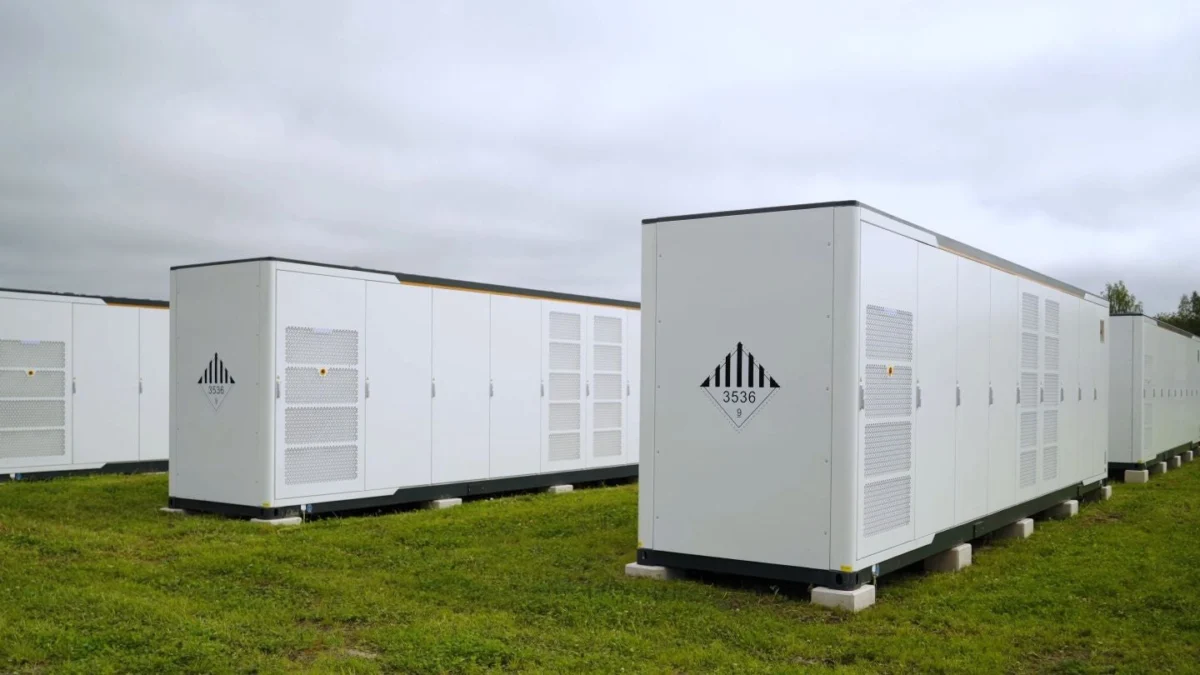
In a landmark development for the United States’ renewable energy sector, New York-based energy developer energyRe has successfully closed an $815 million financing package dedicated to a robust portfolio of utility-scale solar projects in South Carolina. This infusion of capital represents a pivotal moment for the Palmetto State’s energy transition, underscoring the growing institutional appetite for high-quality, long-term renewable infrastructure.
The deal, which encompasses five distinct solar projects, is set to add approximately 360 megawatts (MW) of clean electricity to the regional grid. By leveraging 25-year power purchase agreements (PPAs), these projects are designed to provide not only stable, emission-free power but also a predictable and substantial stream of revenue for local governments across the state.
The Financial Architecture of the Deal
The successful closing of this $815 million facility was the result of a complex, multi-layered financial strategy orchestrated by energyRe’s M&A and Capital Markets team, led by Surya Mohan. The structuring process involved a collaborative effort between major global financial institutions and internal financial architects.
Canadian Imperial Bank of Commerce (CIBC) and Santander served as the primary facilitators of the credit facility, while Bank of America played a critical role as the documentation agent. Santander further cemented its commitment to the energy transition by acting as the lead financial advisor for energyRe throughout the negotiation process.
Omer Farooq, head of the Global Sustainable & Infrastructure Finance Group at Bank of America, highlighted the significance of the transaction, noting, "This transaction reflects the type of investment our $250bn Critical Infrastructure Finance Initiative was created to advance." The scale of this investment demonstrates that renewable energy projects, when structured with rigorous risk mitigation and long-term contractual security, are increasingly viewed as foundational assets for major global banks.
Strategic Growth and the Path to 2030
For energyRe, the South Carolina solar cluster is more than a standalone project; it is the cornerstone of an aggressive regional growth strategy. Pedro Pereira, Chief Financial Officer of energyRe, characterized the deal as the company’s largest portfolio financing to date.
"This portfolio financing reflects the confidence our lenders have in both the quality of our assets and our team’s ability to deliver," Pereira stated. "South Carolina is at the center of our growth strategy, and this closing moves us meaningfully closer to our goal of investing $2 billion in the state by 2030."
The company’s roadmap for South Carolina extends beyond simple generation capacity. The development phases are expected to stimulate local economies through significant job creation, both during the initial construction phase and through long-term operational maintenance. Furthermore, the commitment to 25-year PPAs ensures that South Carolina’s homes and businesses will benefit from reliable, affordable power long into the future, insulating the region from the volatility often associated with fossil fuel-based energy markets.
Chronology of Development: From Concept to Financial Close
The journey to this $815 million milestone has been characterized by a steady, methodical expansion of energyRe’s project pipeline.
- Initial Portfolio Expansion: Over the past year alone, energyRe has initiated the development of approximately 450MW in new solar capacity, signaling a rapid acceleration in its deployment schedule.
- Strategic Partnerships: A major validation of the company’s business model occurred in May 2025, when tech giant Google entered into a landmark agreement with energyRe. That deal secured more than 600MW of solar and solar-plus-storage capacity in South Carolina, providing the demand-side assurance necessary to attract large-scale project financing.
- The $815 Million Close: Following months of rigorous financial structuring and due diligence, the current financing package was finalized, solidifying the funding required to move the five 360MW projects from the planning stages to active construction.
- Cumulative Impact: Including this latest influx, energyRe has now successfully amassed more than $1.9 billion in financial backing for its solar project operations, establishing the firm as a dominant player in the Southeastern U.S. renewable landscape.
Supporting Data: A National and Regional Perspective
The South Carolina projects represent a significant portion of energyRe’s broader footprint. Currently, the company manages a diverse portfolio exceeding 1.8 gigawatts (GW) of renewable capacity. This portfolio is spread across 20 strategic projects spanning South Carolina, North Carolina, Nebraska, and Oklahoma.
With nearly 700MW of that total now either fully operational or in late-stage development, energyRe is demonstrating the scalability of its model. The reliance on utility-scale solar is part of a national trend as states look to meet increasing electricity demand driven by data centers, electric vehicle infrastructure, and the electrification of heating and cooling systems.

In South Carolina, the economic impact is particularly noteworthy. Beyond the tax revenue generated for local municipalities—which can be used to fund schools, infrastructure, and emergency services—the projects provide a stable hedge against rising energy costs. By diversifying the state’s energy mix, energyRe is helping to bolster the grid against climate-related disruptions and geopolitical energy shocks.
Implications for the Renewable Energy Sector
The successful financing of this portfolio carries several broader implications for the renewable energy industry at large:
1. The Maturity of the PPA Model
The utilization of 25-year PPAs remains the gold standard for attracting institutional capital. By locking in long-term revenue, developers like energyRe can lower the cost of capital, making renewable energy increasingly competitive with—or cheaper than—traditional gas-fired generation.
2. Corporate Demand as a Catalyst
The role of major corporate buyers like Google in de-risking these projects cannot be overstated. When hyperscalers or large industrial entities sign long-term procurement agreements, they provide the "bankability" required for financial institutions to commit hundreds of millions of dollars in debt and tax equity.
3. Regional Hub Strategies
energyRe’s focus on South Carolina highlights the efficacy of a "hub" strategy. By concentrating development efforts in specific states, developers can achieve economies of scale, build deep relationships with local stakeholders and regulatory bodies, and optimize their supply chain logistics.
4. The Role of Sustainable Finance Initiatives
The mention of Bank of America’s $250 billion Critical Infrastructure Finance Initiative suggests that the financial sector is evolving its criteria for "critical infrastructure." In the current economic climate, renewable energy is being categorized alongside traditional utilities, roads, and bridges as essential assets that require large-scale, long-term financing commitments.
Looking Ahead: The Future of energyRe
As energyRe moves forward with its $2 billion investment pledge for South Carolina, the company is positioning itself as a primary architect of the region’s green energy future. With the current financing package secured, the focus now shifts to the physical execution of the projects.
For the residents of South Carolina, the transition means more than just cleaner air; it represents a commitment to economic revitalization and energy independence. The projects will create specialized jobs in electrical engineering, site management, and mechanical maintenance, fostering a local workforce capable of supporting the next generation of energy technology.
As the industry observes the development of these 360MW of capacity, the success of this $815 million deal will likely serve as a blueprint for future infrastructure projects. In a market where capital is discerning and risk management is paramount, energyRe has demonstrated that when innovation in financial engineering meets a clear, long-term operational strategy, the possibilities for sustainable development are limitless.
The closing of this deal is not merely a financial transaction; it is a signal of the long-term viability of the renewable energy transition in the American South. With nearly 700MW of total projects in advanced development and an ever-growing portfolio, energyRe remains at the forefront of the effort to power the future with clean, reliable, and sustainable energy.