In a landmark decision aimed at accelerating India’s transition to a low-carbon economy, the Union Cabinet has officially greenlit the Green Energy Corridor (GEC) Phase-III scheme. This massive infrastructure undertaking, valued at $19.3 billion (Rs1.86 trillion), represents one of the most significant investments in the nation’s power sector to date. By focusing on both the physical transmission of electricity and the deployment of advanced storage solutions, the government is setting the stage for a grid capable of handling the volatility of massive renewable energy (RE) influxes.
The initiative is not merely a construction project; it is a strategic maneuver designed to secure India’s energy future, stabilize consumer power costs, and provide the technical backbone for the country’s ambitious goal of reaching 900GW of non-fossil energy capacity by 2035.
The Core Mandate: Bridging the Renewable Gap
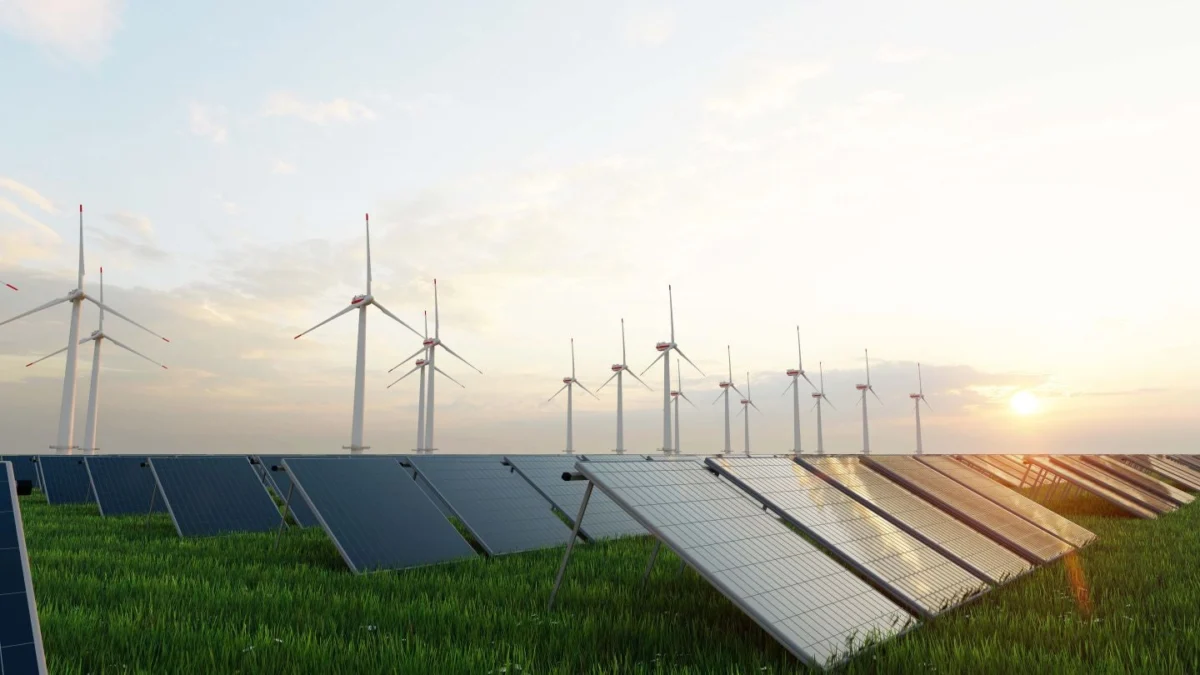
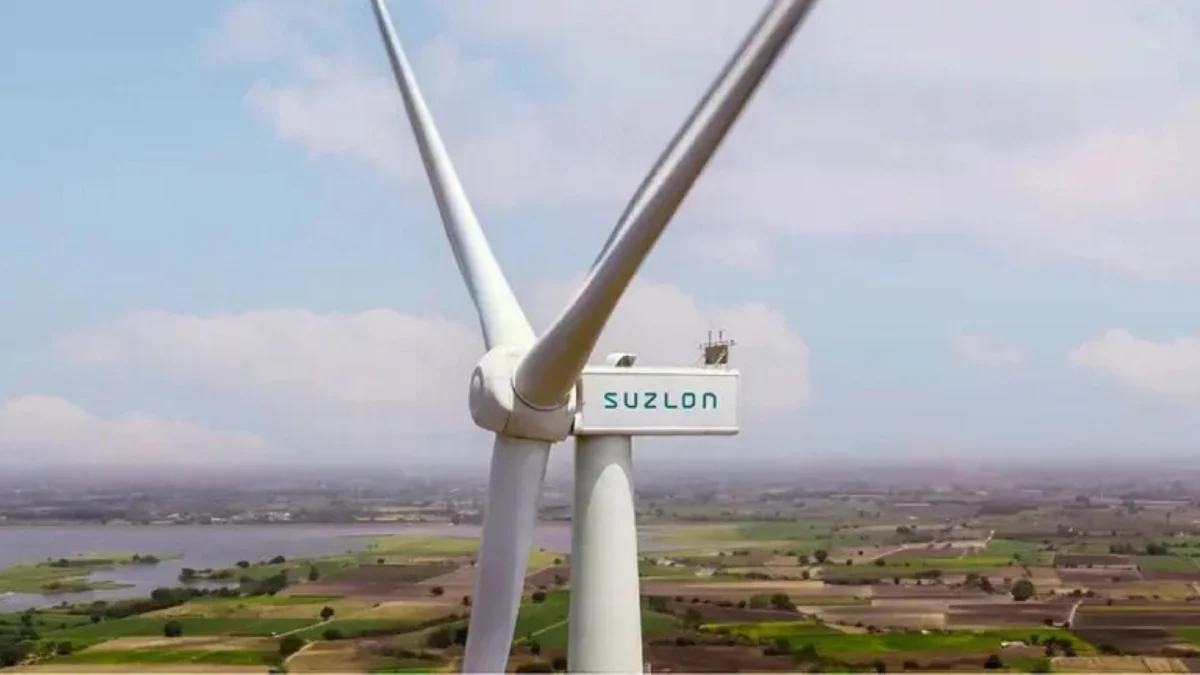
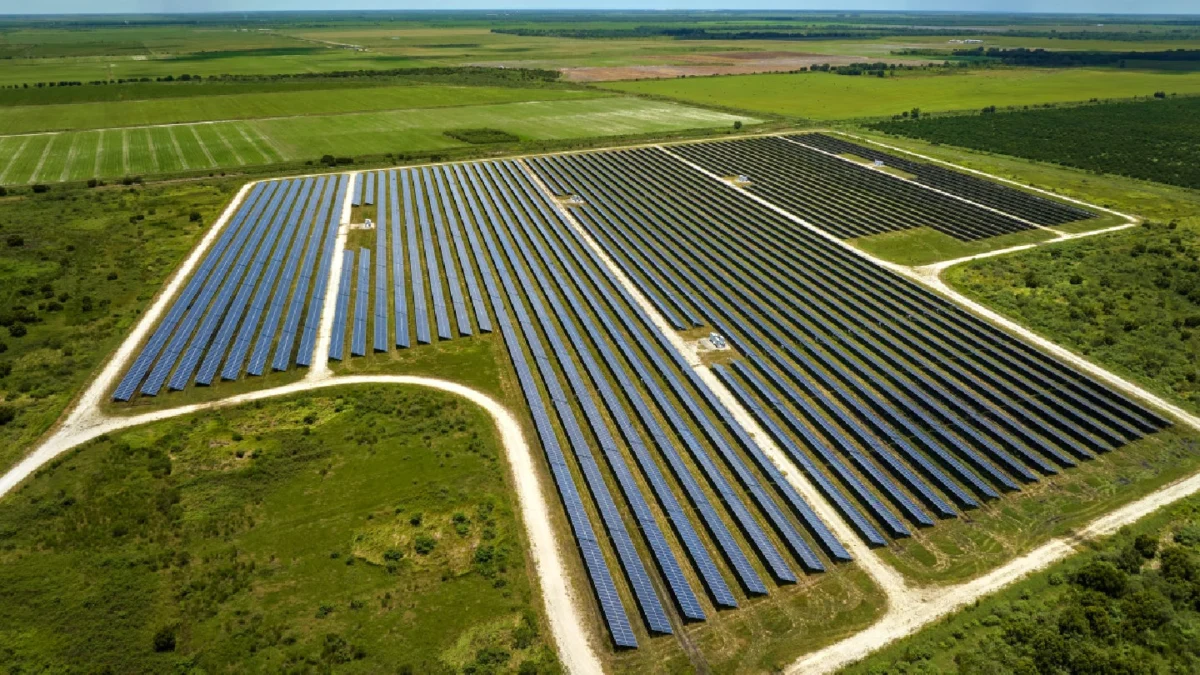
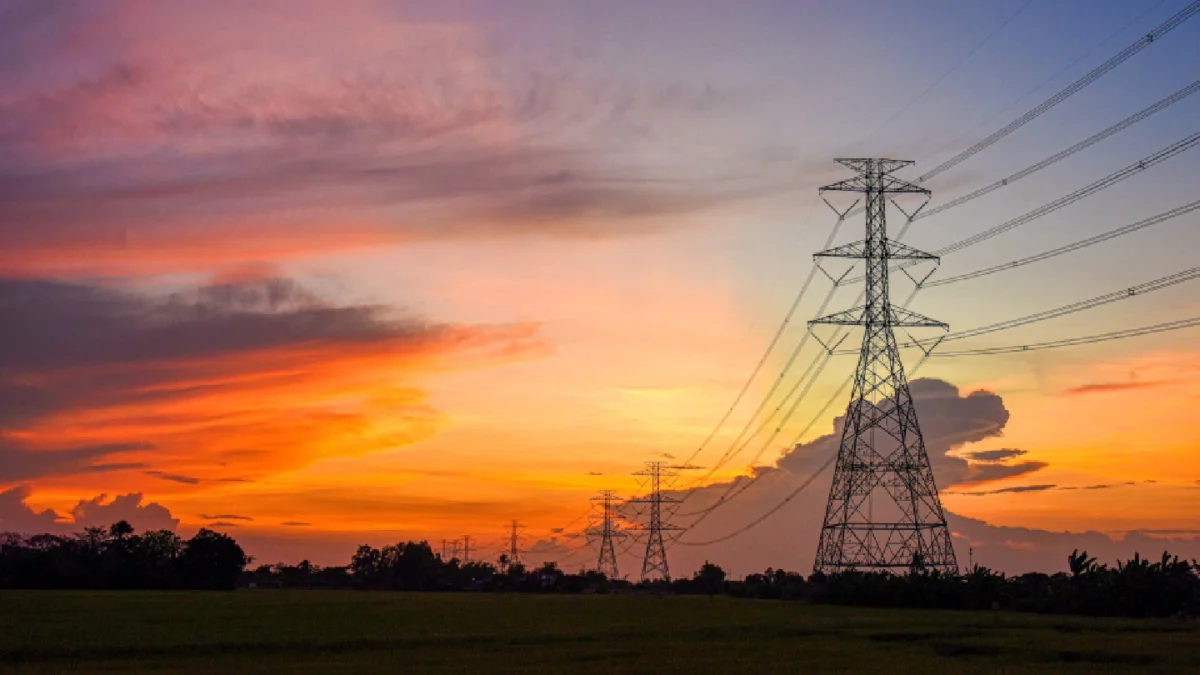
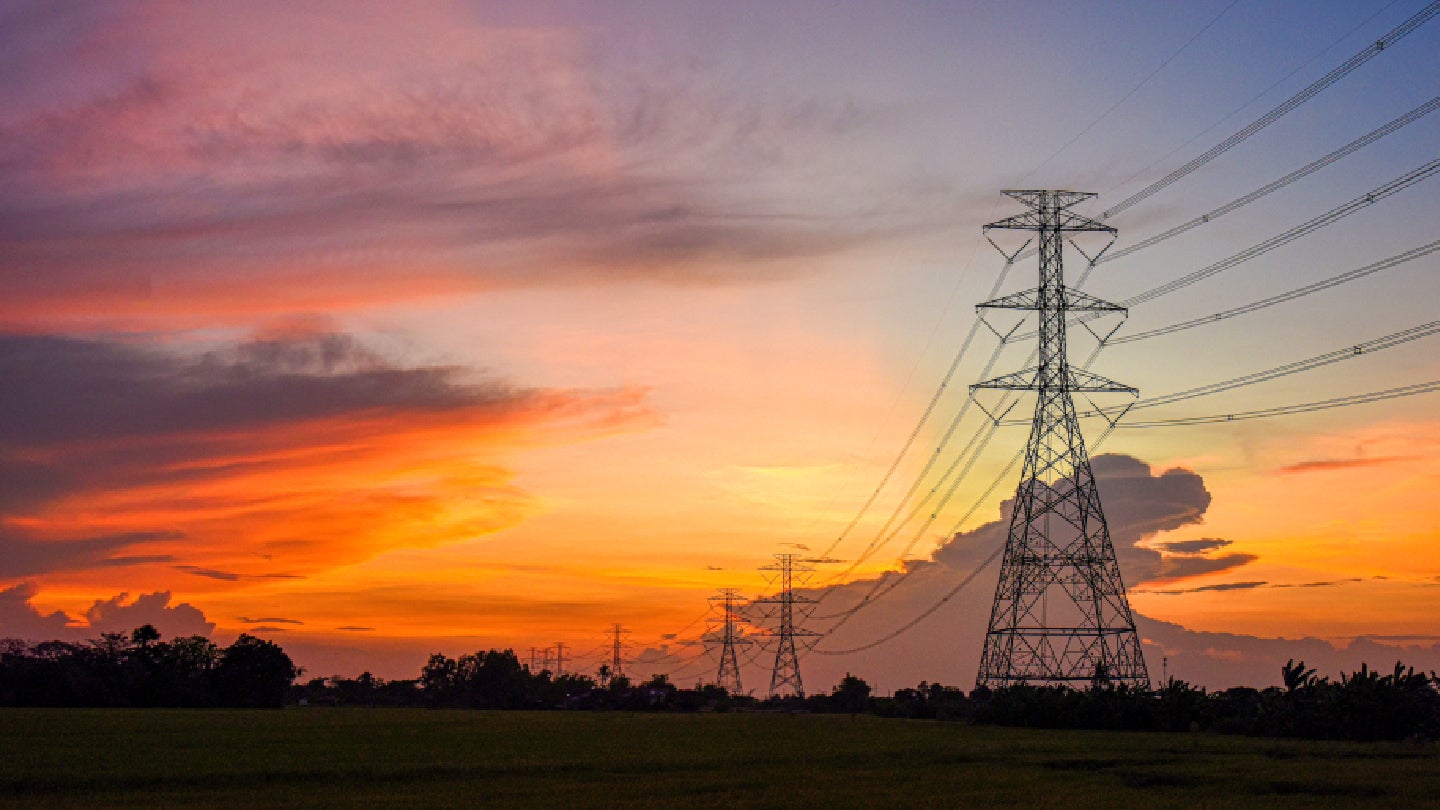
At its heart, GEC Phase-III is designed to solve the "evacuation problem"—the challenge of moving electricity from renewable-rich regions, such as wind farms in the west and solar parks in the south, to high-demand urban and industrial centers.
The project has been bifurcated into two primary financial streams:
- Intra-State Transmission Networks: A massive allocation of Rs1.36 trillion is dedicated to strengthening the intra-state grid. This will allow for the seamless evacuation of up to 135GW of renewable energy across various states and union territories.
- Battery Energy Storage Systems (BESS): A transformative Rs500 billion has been earmarked for the installation of 50GW-hours of battery storage.
By integrating BESS into the national grid, the government aims to solve the inherent intermittency of solar and wind power. These systems will capture excess energy generated during peak sunshine hours and release it during high-demand evening periods, effectively smoothing out the supply curve and preventing the curtailment of renewable power.
Chronology and Implementation Roadmap
The government has set an aggressive but structured timeline for the GEC Phase-III. The project is slated for completion by the 2032–33 financial year.
The Phases of Execution:
- Preparation Phase (2024–2025): Establishing regulatory frameworks, identifying project sites, and initiating the competitive bidding process for greenfield transmission projects.
- Infrastructure Rollout (2025–2030): The primary construction phase where state transmission utilities (STUs), in coordination with private service providers, will commence the physical build-out of lines and substations.
- Storage Integration (2026–2032): The gradual commissioning of 50GW-hours of BESS, phased to align with the completion of the supporting transmission infrastructure.
- Operational Maturity (2032–2033): Full-scale integration of the new capacity into the national grid, ensuring the 135GW evacuation capacity is fully functional and optimized via AI-driven grid management systems.
Supporting Data and Financial Framework
The sheer scale of the project requires a nuanced financial architecture. The government has committed Rs540 billion in Central Financial Support (CFS). This funding is specifically designed to offset intra-state transmission charges, which are historically a barrier to the adoption of green energy. By subsidizing these costs, the government intends to ensure that the transition to green power does not impose an undue financial burden on end-users.
Implementation Models:
- Greenfield Projects: These new-build transmission lines will be developed through a Tariff-Based Competitive Bidding (TBCB) process, ensuring transparency and cost-efficiency.
- Brownfield Upgrades: For existing network strengthening and upgrades, the government will employ a "Cost Plus" approach, ensuring that utilities are fairly compensated for the risks and capital requirements of retrofitting aging infrastructure.
- Build-Own-Operate-Maintain (BOOM): The scheme explicitly invites private sector participation under the BOOM model, encouraging private transmission service providers to invest alongside state entities.
Official Perspective and Strategic Rationale
Government spokespersons have emphasized that the GEC Phase-III is a cornerstone of India’s climate commitments under the Paris Agreement. By providing the infrastructure to support 900GW of non-fossil capacity by 2035, the government is signaling to global investors that India is a reliable destination for green capital.
"The integration of storage is not a luxury; it is a necessity for a stable grid," noted a senior official from the Ministry of Power. "By managing peak-hour curtailment and providing grid flexibility, we are moving away from the era of ‘intermittent power’ to ‘firm green power.’"
Furthermore, the government believes that this project will serve as a hedge against global fuel price volatility. By reducing dependence on coal and imported fossil fuels, India can achieve a greater degree of energy sovereignty.
Economic and Industrial Implications
The ripple effects of a $19.3 billion investment are expected to be profound, reaching far beyond the power sector.
1. Job Creation
The construction and maintenance of this massive network will create a significant demand for human capital. This includes direct employment in civil engineering, high-voltage electrical construction, and project management. Indirectly, the sector will require a new generation of skilled workers trained in battery management systems (BMS), power electronics, and digital grid synchronization.
2. Manufacturing Renaissance
The deployment of 50GW-hours of BESS is expected to catalyze the domestic battery manufacturing sector. By creating a guaranteed demand for storage, the government is incentivizing manufacturers to establish production lines within India, potentially reducing the cost of battery technology through economies of scale.
3. Industrial Competitiveness
For industries—particularly those focused on green hydrogen, electric vehicles (EVs), and data centers—the availability of consistent, low-cost renewable energy is a competitive advantage. The GEC Phase-III ensures that these energy-intensive industries can operate on a reliable, low-carbon grid, bolstering the "Make in India" initiative.
Overcoming Challenges: The Path Forward
While the objectives are ambitious, the project faces notable hurdles. The primary challenges include land acquisition, rights-of-way for transmission corridors, and the logistical complexity of coordinating between multiple state-level entities and private firms.
To mitigate these risks, the government has designated state transmission utilities as the primary implementing agencies, ensuring that local knowledge and jurisdictional authority are leveraged. Furthermore, the use of competitive bidding for greenfield projects is intended to prevent the cost overruns that often plague large-scale infrastructure projects.
The integration of BESS also introduces technical challenges regarding safety and thermal management. The industry is currently working on rigorous standards for battery installation, which will be incorporated into the technical specifications for the BESS component of the scheme.
Conclusion: A Vision for 2035
The Green Energy Corridor Phase-III is more than a technical upgrade; it is a foundational transformation of the Indian power landscape. As the nation moves toward a 900GW non-fossil future, the infrastructure being built today will define the economic and environmental health of the country for the next half-century.
By successfully marrying transmission upgrades with large-scale storage, India is positioning itself as a global leader in the energy transition. The scheme serves as a template for other emerging economies, demonstrating how a robust policy framework and massive public investment can successfully de-risk the shift from a fossil-fuel-dependent grid to a sustainable, resilient, and future-proof energy system.
As the implementation phase begins, all eyes will be on the state utilities and private partners tasked with turning this $19.3 billion vision into a tangible reality, effectively powering the next generation of India’s industrial and economic growth.