Introduction: The Anomaly in Ultralight Packs
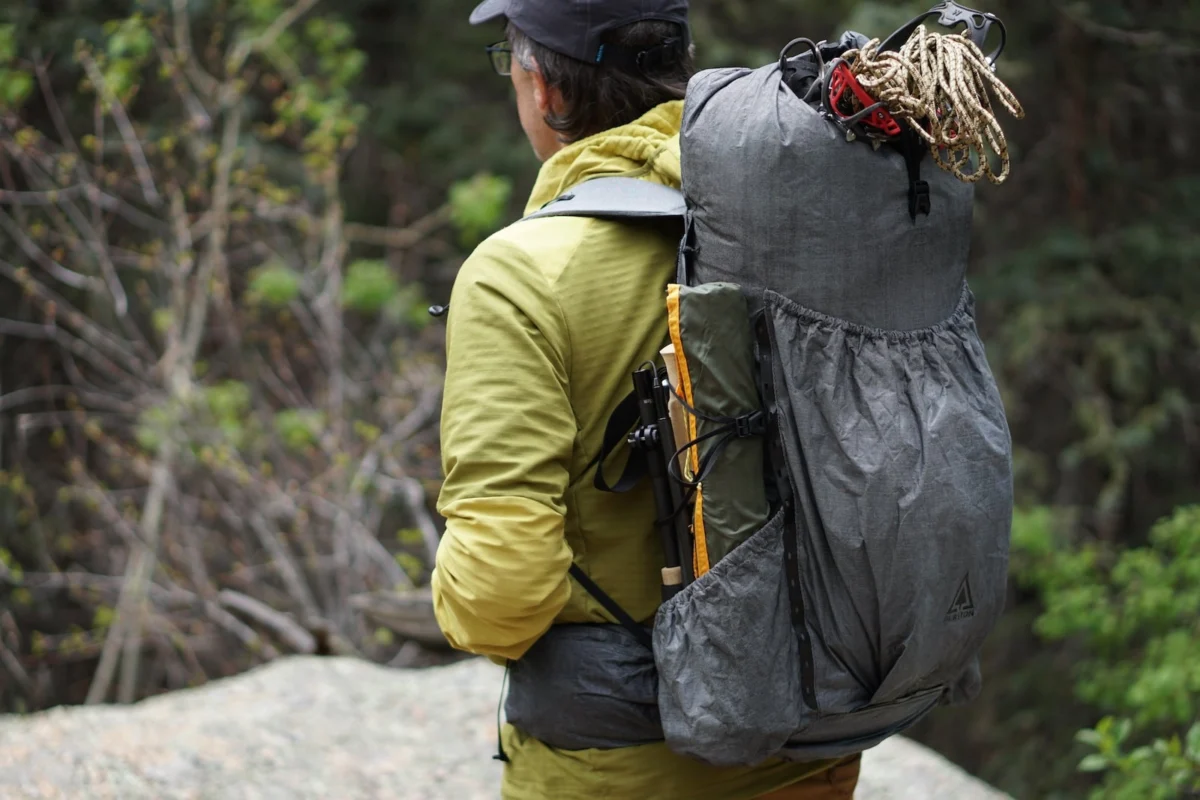
The ultralight backpacking world is often defined by binary choices: you either carry a structured pack with a frame to transfer weight to your hips, or you embrace a frameless "soft-pack" for its minimalist, weight-saving properties. Into this established landscape steps the Durston Wapta 30, an anomaly that defies simple categorization. Weighing in at approximately one pound, the Wapta 30 arrives with bold claims regarding "comfort" and "refinement," utilizing high-end Aluula Graflyte fabric and an intricate, multi-pocket design that seems to promise the best of both worlds.
However, the marketing surrounding the Wapta 30 has created a specific, somewhat narrow narrative: that it is a "comfortable" frameless pack. As gear enthusiasts, we must peel back the layers of manufacturer copy and user enthusiasm to ask a more probing question: Does the Wapta 30 actually achieve mechanical load transfer, or is it simply a well-padded, stable, and ergonomic soft-pack?
Main Facts: Defining the Wapta 30
At its core, the Durston Wapta 30 is a 30-liter, frameless backpack designed for the gram-conscious hiker who refuses to sacrifice organization. Its primary differentiator is the integration of Aluula Graflyte, a cutting-edge composite material that is both exceptionally strong and incredibly light.
Key Specifications:
- Weight: ~14 oz (400g)
- Volume: 30 Liters (Internal)
- Capacity: Rated for 25 lbs (11 kg)
- Structure: Frameless; utilizes back panel foam and pack shape for rigidity.
- Suspension: S-shaped padded shoulder straps with integrated pockets; removable padded hipbelt.
The central challenge in reviewing this pack lies in the definition of "suspension." Many reviewers conflate stability (the reduction of pack bounce) with load transfer (the mechanical movement of weight from the shoulders to the pelvic girdle). The Wapta 30 offers a highly stable carry, but whether that stability constitutes a true suspension system is the point of contention this analysis seeks to resolve.
Chronology: The Evolution of the "Wapta" Concept
The release of the Wapta 30 follows a clear trajectory in Durston Gear’s history—a shift from high-volume, frame-supported trekking packs toward refined, specialized tools for faster, lighter travel.
- Conceptualization (Q1-Q2 2025): Dan Durston’s design philosophy moved toward incorporating Aluula, not just for weight savings, but for its structural rigidity. Unlike traditional Dyneema (DCF), Aluula offered a unique stiffness that could potentially "mimic" the feel of a frame without the associated weight.
- Prototyping (Q3 2025): The focus shifted to harness geometry. The goal was to create an S-curve strap that sat flush against the pectoral muscles to eliminate the "pull" common in thin, frameless shoulder straps.
- The "Comfort" Pivot (Q4 2025): Durston emphasized the "refinement" of the harness, recognizing that in a frameless pack, comfort is dictated by surface area contact.
- Market Launch (2026): The pack hit the market with high expectations, leading to a wave of initial reviews that praised its stability but left the mechanics of its hipbelt largely unexamined.
Supporting Data: Comparative Analysis
To understand the Wapta 30’s place in the market, we must look at how it performs against peers. Our testing involved a standard three-season mountain kit, including shelter, insulation, and snow-scrambling gear, with pack weights ranging from 22 to 29 pounds.
| Pack | Structure | Load Transfer Mechanism | Primary Utility |
|---|---|---|---|
| Durston Wapta 30 | Frameless | Stability-focused, non-integrated | General UL Hiking |
| Gossamer Gear Mirage 40 | X-Frame | Direct, frame-mediated | Load-carrying |
| Arc’teryx Alpha SL 30 | Bonded Sheet | Semi-structural | Alpine/Technical |
| Nashville Cutaway | Frameless | Torso-coupled stability | Fastpacking |
While the Wapta 30 boasts a padded hipbelt, our testing indicates that the lumbar interface is not structurally coupled to the main pack body. Unlike the Gossamer Gear Mirage 40, which uses a carbon fiber X-frame to bridge the load to the hips, the Wapta 30 relies on the wearer’s torso for structural integrity.
Official Responses and Manufacturer Intent
When questioned about the suspension mechanics, representatives for Durston Gear emphasize that the Wapta 30 is not intended to be a heavy-haul, frame-supported pack. Instead, the design intent was to optimize the interface between the human body and the pack bag.
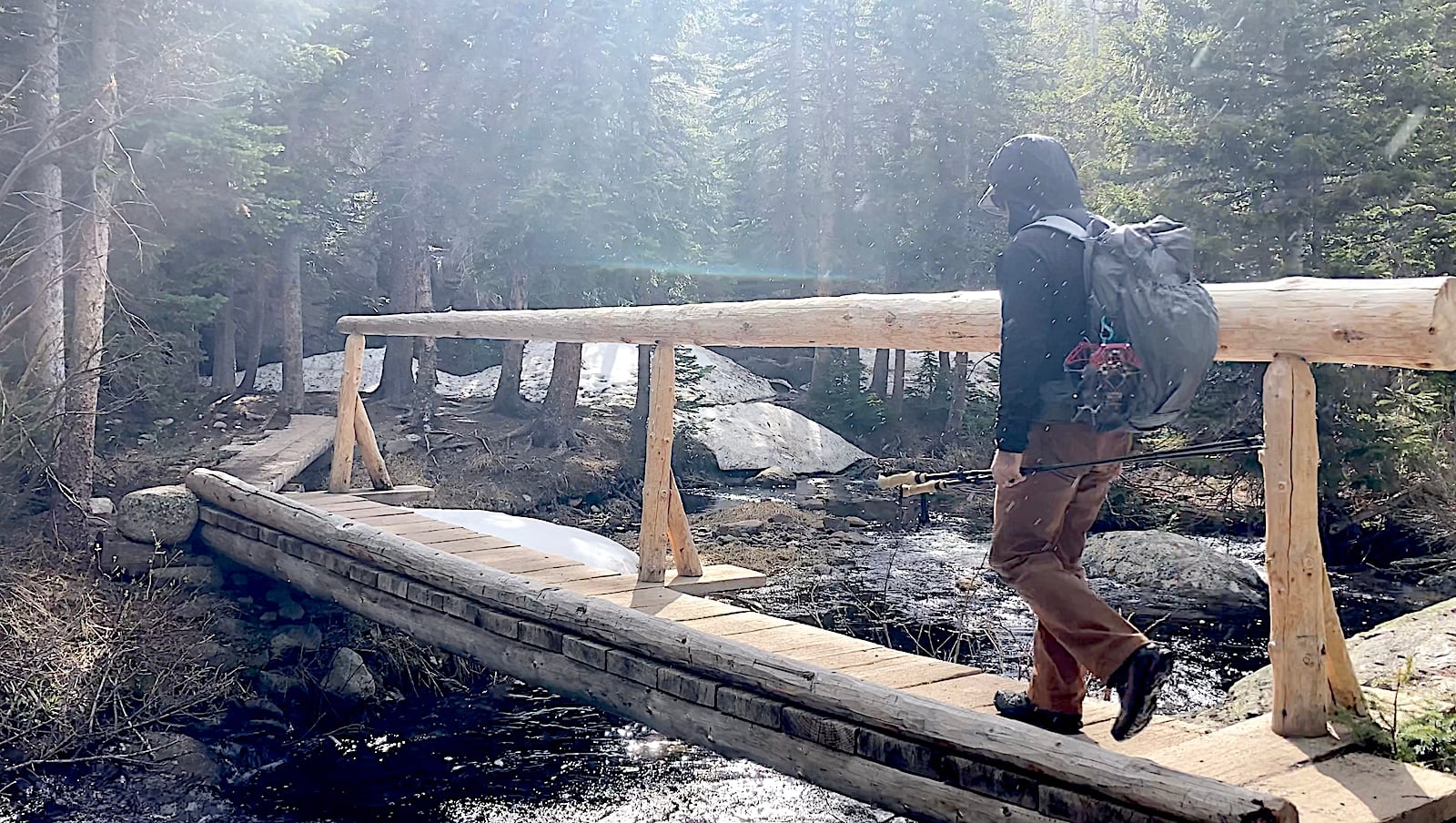
Durston’s position is that by using a sophisticated, S-shaped harness and high-density foam padding, the "effective comfort" of the pack is raised to a level that approximates a light frame. They argue that for the target weight range (up to 25 lbs), a frame is often redundant if the harness geometry is perfected. This is a crucial distinction: they are not claiming to move weight via a frame; they are claiming to manage weight through superior ergonomics and stability.
Implications: The Reality of "Frameless" Comfort
The implications for the ultralight community are significant. If the Wapta 30 succeeds in providing a comfortable experience at 25 pounds, it challenges the necessity of traditional stay-based frames for the majority of thru-hikers.
1. Stability vs. Suspension
The Wapta 30 demonstrates that a pack can be incredibly stable without being "load-transferring." By keeping the load close to the center of gravity, the pack reduces the "pendulum effect" common in traditional frameless designs. This is why users report it feels "lighter" than it is.
2. The Aluula Factor
The use of Aluula Graflyte is not merely aesthetic. Because the fabric resists stretching, it retains its structural shape even when the pack is not fully stuffed. This is a massive improvement over traditional nylon or polyester soft-packs, which tend to "slouch" and create pressure points as the gear shifts.
3. The Limits of the Hipbelt
Our analysis suggests that the Wapta’s hipbelt serves primarily as a stabilizer to prevent side-to-side oscillation, rather than a load-bearing device. Hikers expecting a traditional "hipbelt carry" that takes the weight off the shoulders will be disappointed. However, those looking for a pack that moves with them—rather than against them—will find the Wapta 30 to be a masterclass in modern ultralight design.
Conclusion: A New Baseline?
The Durston Wapta 30 does not revolutionize the mechanics of load transfer—it does not defy physics by creating a frame where none exists. Instead, it refines the experience of carrying a frameless load to its current zenith. By pairing high-modulus materials with sophisticated ergonomic shaping, Durston has created a pack that feels more refined than its competitors.
For the hiker who keeps their base weight low and values a stable, "connected" feel, the Wapta 30 is an exceptional piece of gear. For the hiker who demands true load-bearing suspension for heavy, multi-day hauls, it remains a frameless pack—sophisticated, yes, but bound by the physical limitations of its class. The Wapta 30 represents a significant milestone in how we define "comfort" in the ultralight era, shifting the focus from structural rigidity to structural harmony.