Beyond the sun-drenched beaches and Minoan ruins that typically draw travelers to Crete lies a geological titan: the White Mountains, or Lefka Ori. Rising sharply above the Aegean Sea, this rugged range is defined by more than 30 summits exceeding 2,000 meters. Yet, nestled within this limestone labyrinth is the island’s most profound natural monument: the Samaria Gorge. Spanning 16 kilometers, this canyon is more than a world-class hiking destination; it is an ecological sanctuary and a enduring symbol of the Cretan spirit.

Main Facts: A Geological and Historical Icon
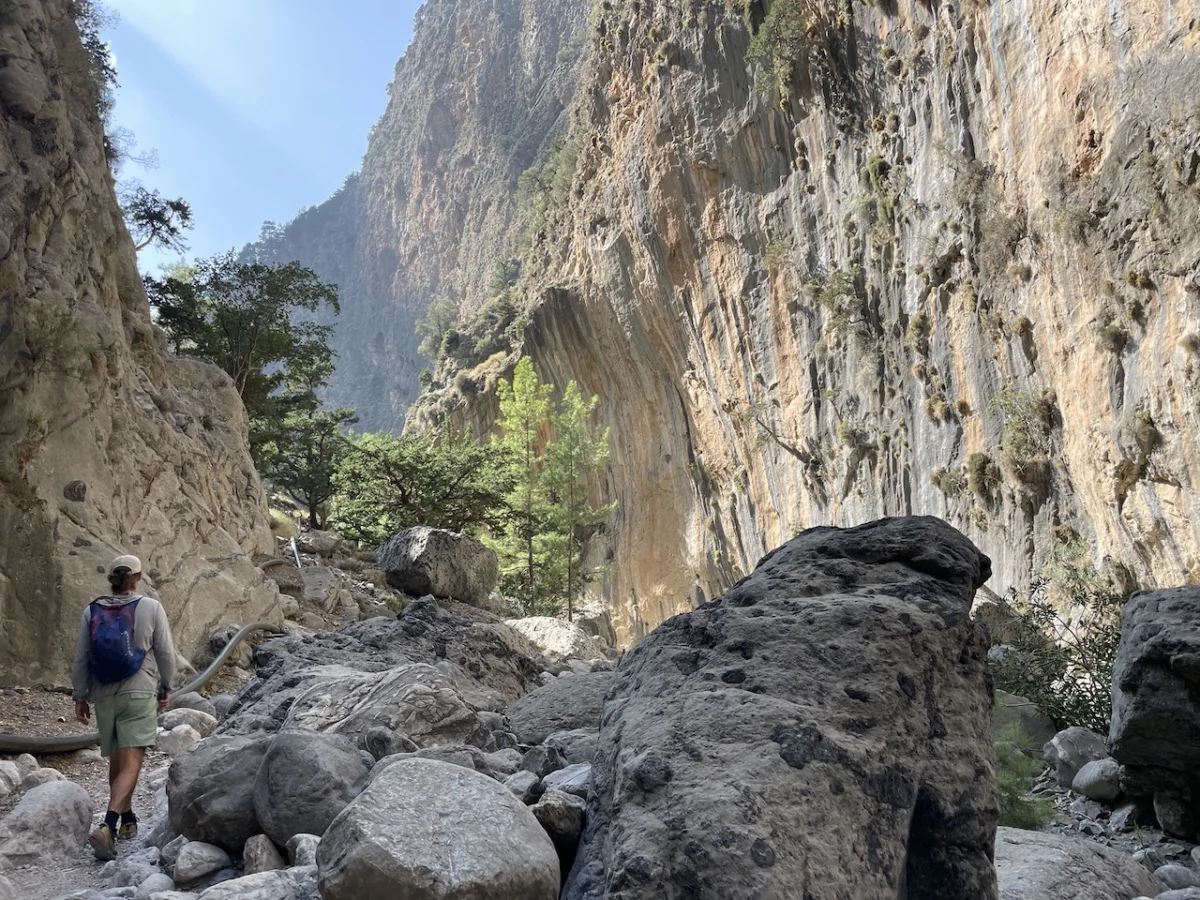
The Samaria Gorge is widely regarded as one of Europe’s most spectacular natural features. Second only to France’s Verdon Gorge in length, Samaria descends from the high alpine forests of the White Mountains to the turquoise waters of the Libyan Sea. Its sheer vertical walls, which soar to heights of nearly 300 meters, create a dramatic corridor that has been shaped by thousands of years of geological evolution.

Historically, the gorge has functioned as a vital bastion. During centuries of foreign occupation—most notably the Ottoman period—its inaccessible terrain and abundant water sources provided refuge for local populations and freedom fighters. The most famous instance occurred in 1770, when thousands of Cretan women and children retreated into the canyon’s depths to escape invading forces, successfully holding their position at the legendary "Iron Gates"—the narrowest section of the gorge. Today, the area is a protected National Park, serving as a critical habitat for indigenous flora and fauna, including the famed Kri-kri (Cretan Goat).

Chronology: A Journey Through Time and Terrain
The Samaria Gorge experience is an exercise in vertical transition. Hikers typically begin at the Xyloskalo trailhead, situated at an altitude of approximately 1,200 meters. The initial descent is a steep, switchbacking journey through pine-clad mountains, offering panoramic views of the White Mountains, which are aptly named for the off-white limestone that appears to glow in the sun or hold snow well into the spring.

Early Milestones
Approximately 4 kilometers into the trek, hikers reach the rest area of Ayios Nikolaos. This site is a microcosm of the region’s history; it features a centuries-old chapel and stands of ancient, towering cypress trees. Archaeological evidence suggests that the site was once home to a temple dedicated to Apollo, dating back to the 1st Century B.C., underscoring the long-standing human connection to this canyon.

The Halfway Point
At the 7-kilometer mark, the trail reaches the namesake village of Samaria. From the Byzantine period until the gorge’s designation as a National Park in 1962, this settlement served as the area’s central hub. Following the 1962 mandate, the village’s residents were resettled, and the stone structures were repurposed as a medical center, a research base for environmental scientists, and administrative quarters for park staff.

The Iron Gates
Beyond the village, the trail enters its most dramatic phase. The path oscillates through the riverbed, requiring hikers to traverse the watercourse via stepping stones and wooden bridges. The canyon walls close in, and the sky becomes a narrow sliver of blue. The "Iron Gates" represent the climax of the route—a narrow passage less than three meters wide with walls rising 300 meters, a site that serves as both a geological marvel and a testament to the tactical defenses of the past.

Supporting Data: Trail Logistics
For those planning to traverse this Mediterranean wonder, the following data provides a clear outline of what to expect on the trail:

- Total Distance: 14.5 km (8.9 miles)
- Duration: 5–6 hours (variable based on fitness and stops)
- Difficulty: Moderate (due to the duration and steep initial descent)
- Total Elevation Gain: 1,099 m (4,285 ft)
- Total Elevation Loss: 2,327 m (7,635 ft)
- Water Availability: High (multiple potable water sources along the route)
The trail is well-maintained, but visitors should be prepared for significant elevation changes. Proper footwear is non-negotiable, and hikers should account for the heat, particularly in the lower, more exposed sections of the gorge leading to the seaside village of Agia Roumeli.

Wildlife and Ecology: The Kri-kri
The most iconic resident of the gorge is undoubtedly the Kri-kri. This wild goat species, characterized by its distinctive dark stripe and backward-curving horns, is a master of the vertical landscape. By the 1960s, the population had dwindled to roughly 200, teetering on the edge of extinction. The establishment of the National Park was a turning point; today, the population is estimated at over 2,500. While long associated with Crete, the Kri-kri are not considered strictly indigenous; evidence suggests they were introduced during the Minoan Civilization (3100 B.C.–1100 B.C.), a fact solidified by their presence in Minoan art, including sealstones and pottery.

Official Responses and Administrative Hurdles
The administration of Samaria Gorge is strict, reflecting the need to protect a fragile ecosystem. The Park authority sets firm hours, typically requiring all visitors to vacate the premises by 6:00 PM.

The logistical reality of the gorge often surprises visitors who attempt "out-and-back" hikes rather than the standard one-way route. In a recent account, hikers attempting a full round trip were met with skepticism from park officials. The administrative concern is rooted in safety; the sheer volume of visitors during peak hours necessitates a controlled flow. Officials frequently advise against the return trip, urging hikers to take the afternoon ferry from Agia Roumeli instead. This creates a fascinating tension between the seasoned hiker, who may be well-equipped for an extended day, and the park ranger, whose primary duty is the preservation of human safety in a remote, high-stakes environment.

Implications: The Future of Responsible Tourism
The Samaria Gorge serves as a primary example of how tourism and conservation can coexist. The transformation of the village of Samaria into a scientific research hub indicates a shift toward valuing the gorge as an environmental laboratory rather than just a tourist attraction.

However, the popularity of the trail brings inherent challenges. As thousands of hikers descend upon the White Mountains each season, the pressure on the infrastructure—water, waste management, and wildlife protection—is immense. The "official" skepticism encountered by hikers attempting unconventional routes is a symptom of a management style that prioritizes predictability and risk mitigation.

For the traveler, the implication is clear: to enjoy the Samaria Gorge is to participate in a legacy of resilience. Whether visiting as part of a Mediterranean exploration or a dedicated trekking itinerary, one must respect the limitations of the landscape. The gorge does not merely offer a path to the sea; it offers a glimpse into a time when human life was dictated by the rhythm of the mountains.

A Note for the Trail-Bound
As documented in the recent publication Wanderlust Mediterranean (Gestalten), the Samaria Gorge is one of 25 premier hikes that define the region’s topography. For those intending to experience the full scale of the White Mountains, proper preparation—including checking seasonal closures, which often occur during the winter and spring months due to rockfall risk—is essential. By respecting the rules and the history of this sanctuary, visitors ensure that the gates of Samaria remain open for generations to come.