Comfort in the backcountry is rarely the result of a single spec-sheet number. While manufacturers lean heavily on R-values and weights, true sleep quality is an emergent property of several variables: inflation pressure, baffle geometry, system integration, and the tactile interface between the sleeper and the pad.
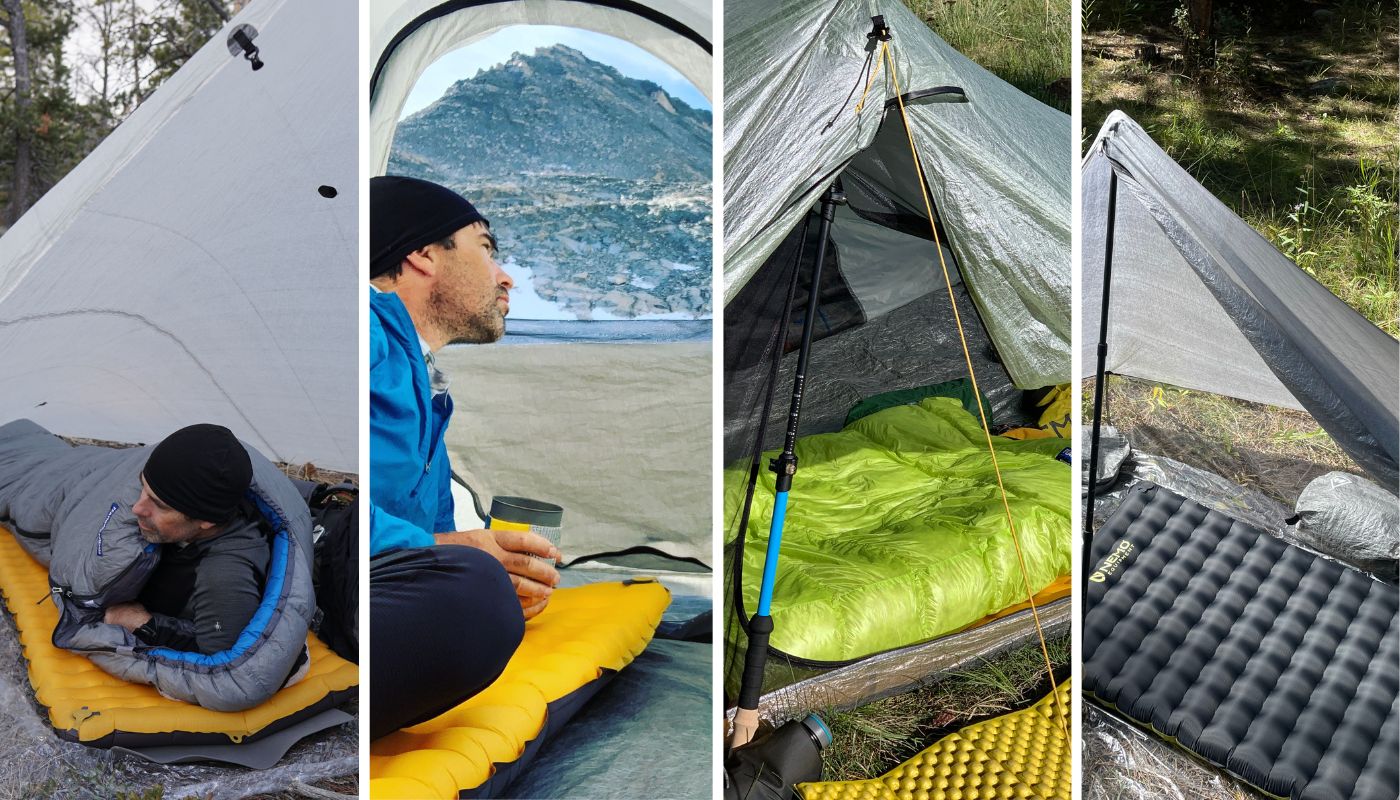
In this report, we treat sleep comfort as a measurable outcome that can be optimized in the field. By moving away from the "inflate until it feels right" mentality and toward objective targets based on body mechanics and environmental conditions, hikers can achieve consistent rest. Whether you are navigating the thin air of the Rockies or the damp confines of a bivy sack, the goal remains the same: hit the right targets to match your physiology to your environment.
The Evolution of Rest: From Blue Foam to High-Tech Air
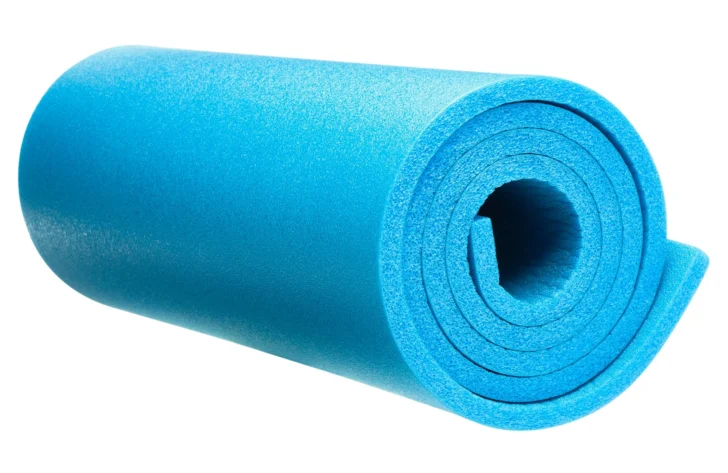
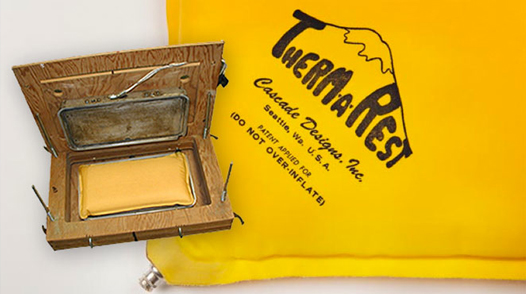
The trajectory of sleeping pad technology over the last 45 years is a study in contrasts. The author’s first pad—a $6 blue cross-linked polyolefin slab—weighed half a pound and was practically indestructible. It was a simple, closed-cell foam (CCF) solution that required zero maintenance.
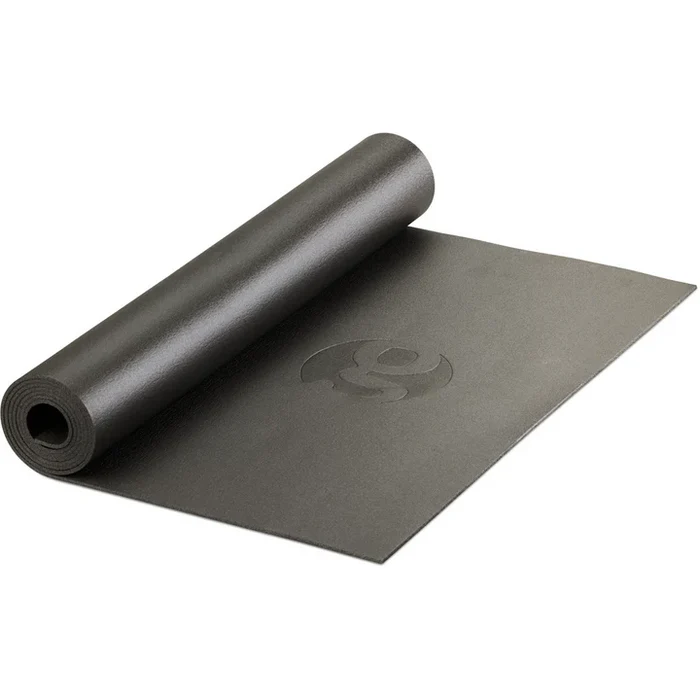
Today, the state-of-the-art involves inflatable pads that can cost forty times more and require a dedicated patch kit. Yet, the evolution is undeniable. We have moved from simple CCF to sophisticated 3D-welded air chambers and heat-reflective barriers.
The Persistence of Closed-Cell Foam
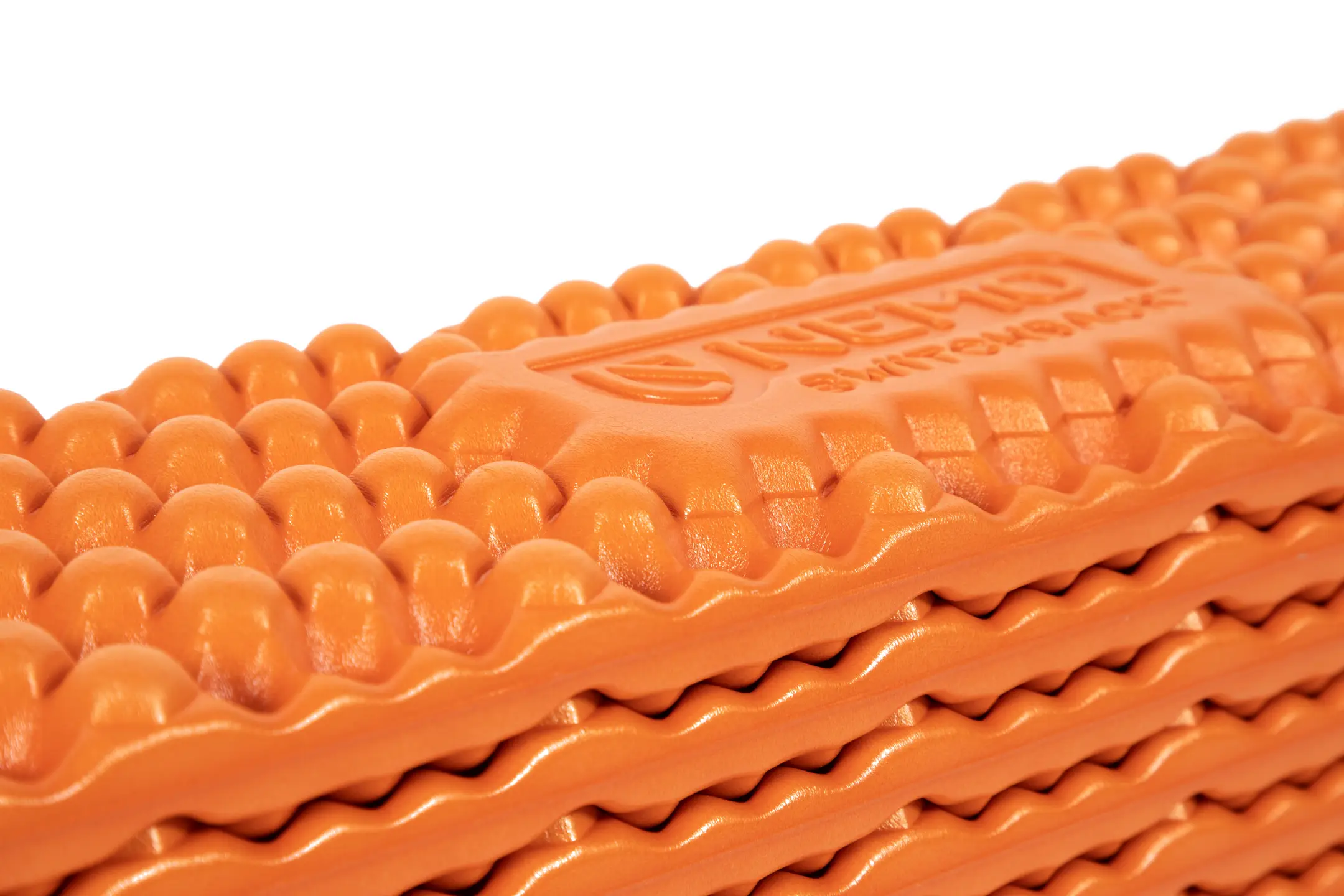
Despite the dominance of inflatables, CCF remains a staple for long-distance hikers. The Therm-a-Rest Z-Lite and the Nemo Switchback remain the gold standards for those who demand absolute durability. While they lack the plush comfort of air-filled mattresses, their immunity to cactus spines and sharp granite makes them the preferred choice for rugged, high-mileage terrain where failure is not an option.

The Inflatable Revolution
The paradigm shift occurred in 2009 with the introduction of the Therm-a-Rest NeoAir. By decoupling insulation from the inflation medium and utilizing thick, high-loft air chambers, the industry changed forever. Today, the market is saturated with options, but the leadership has coalesced around two primary innovators: NEMO and Therm-a-Rest. Their focus on "regular-wide" sizing has arguably done more for sleep comfort than any other design change, providing a stable platform that supports natural movement and limb splaying.
Supporting Data: The 2026 Market Analysis
Based on an analysis of over 300 sleeping pads, we have identified five standout models that currently represent the pinnacle of warmth-to-weight performance.

| Model | Shape | Thickness | Weight | R-Value |
|---|---|---|---|---|
| NEMO Tensor All-Season | Rectangular | 3.5 in | 19 oz | 5.4 |
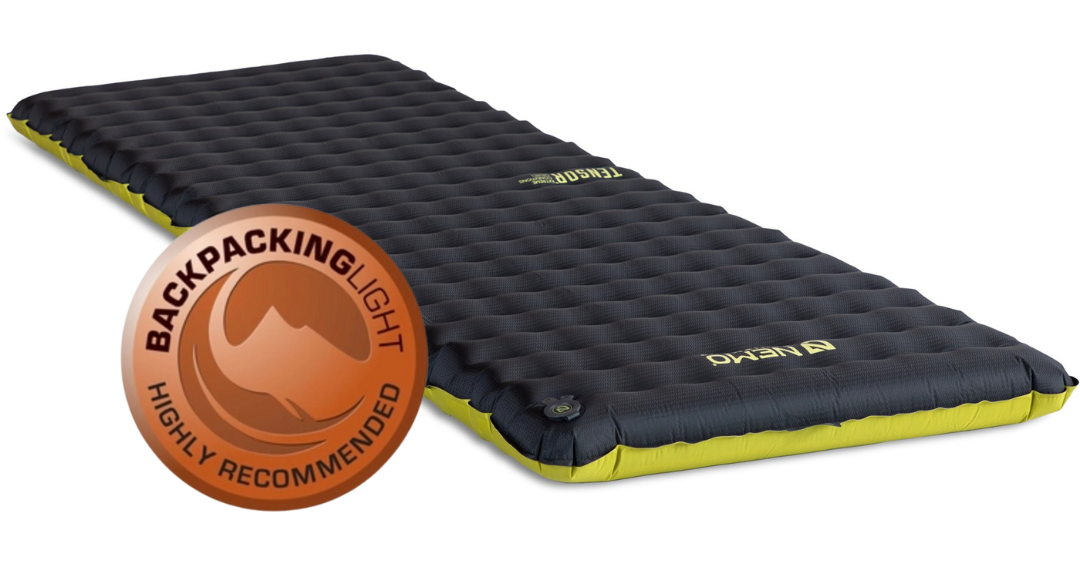
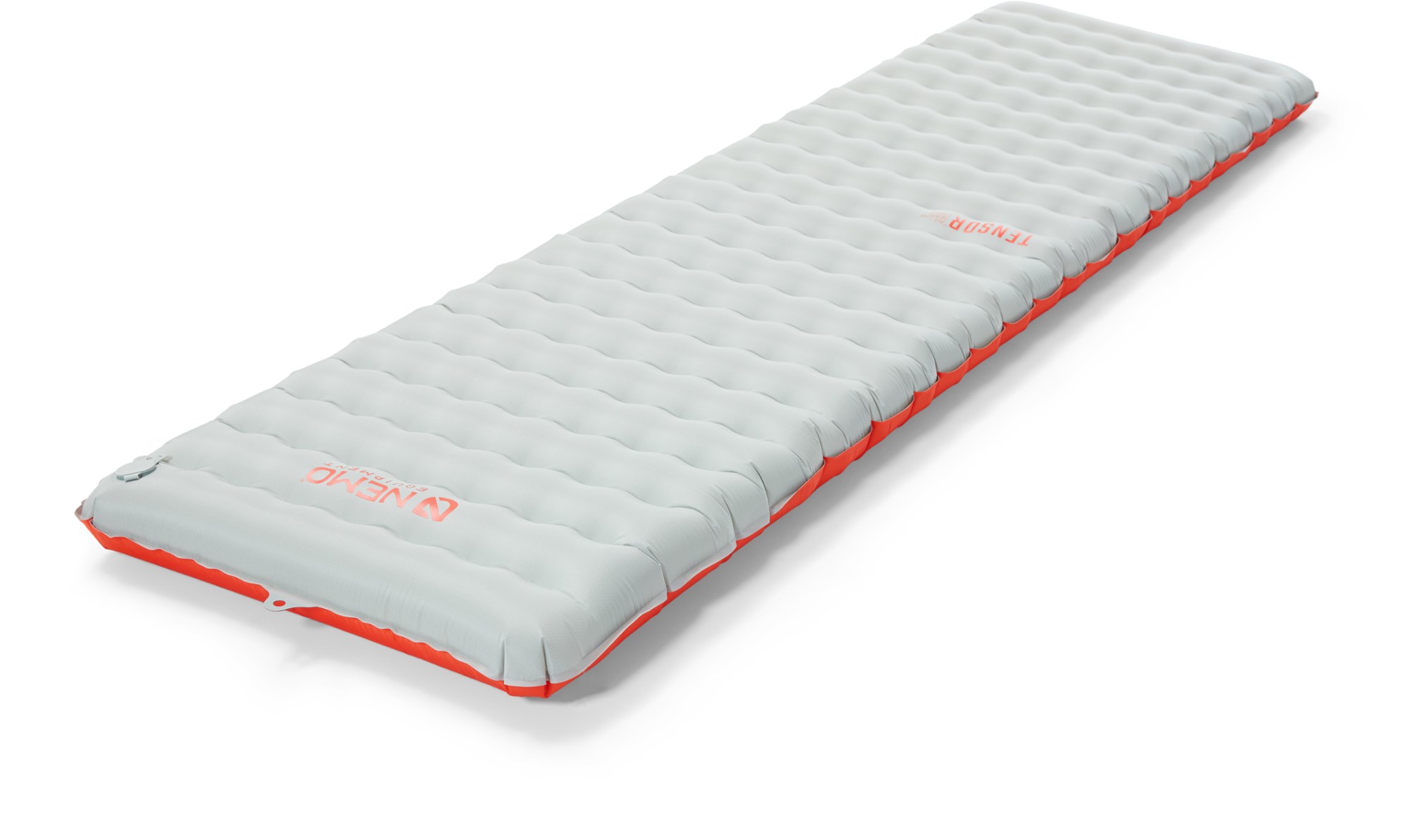
| NEMO Tensor Extreme Conditions | Rectangular | 3.5 in | 22 oz | 8.5 |
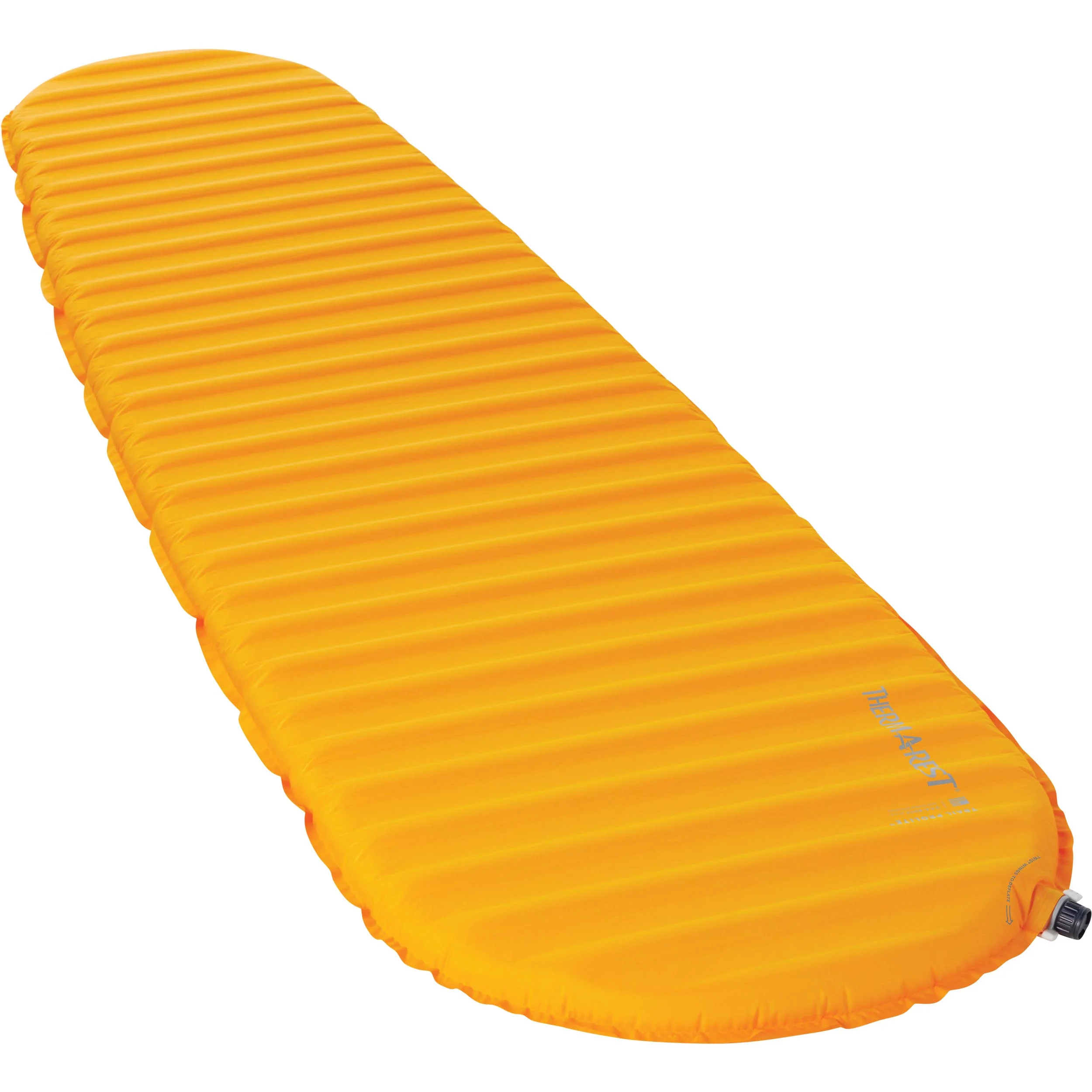
| Therm-a-Rest NeoAir XTherm NXT | Mummy | 3.0 in | 20 oz | 7.3 |
| Rab Ultrasphere 5 | Mummy | 3.5 in | 16 oz | 5.5 |
| Zenbivy Flex Air | Mummy | 3.0 in | 24 oz | 4.8 |
Data reflects May 2026 manufacturer specifications.

Performance vs. Value
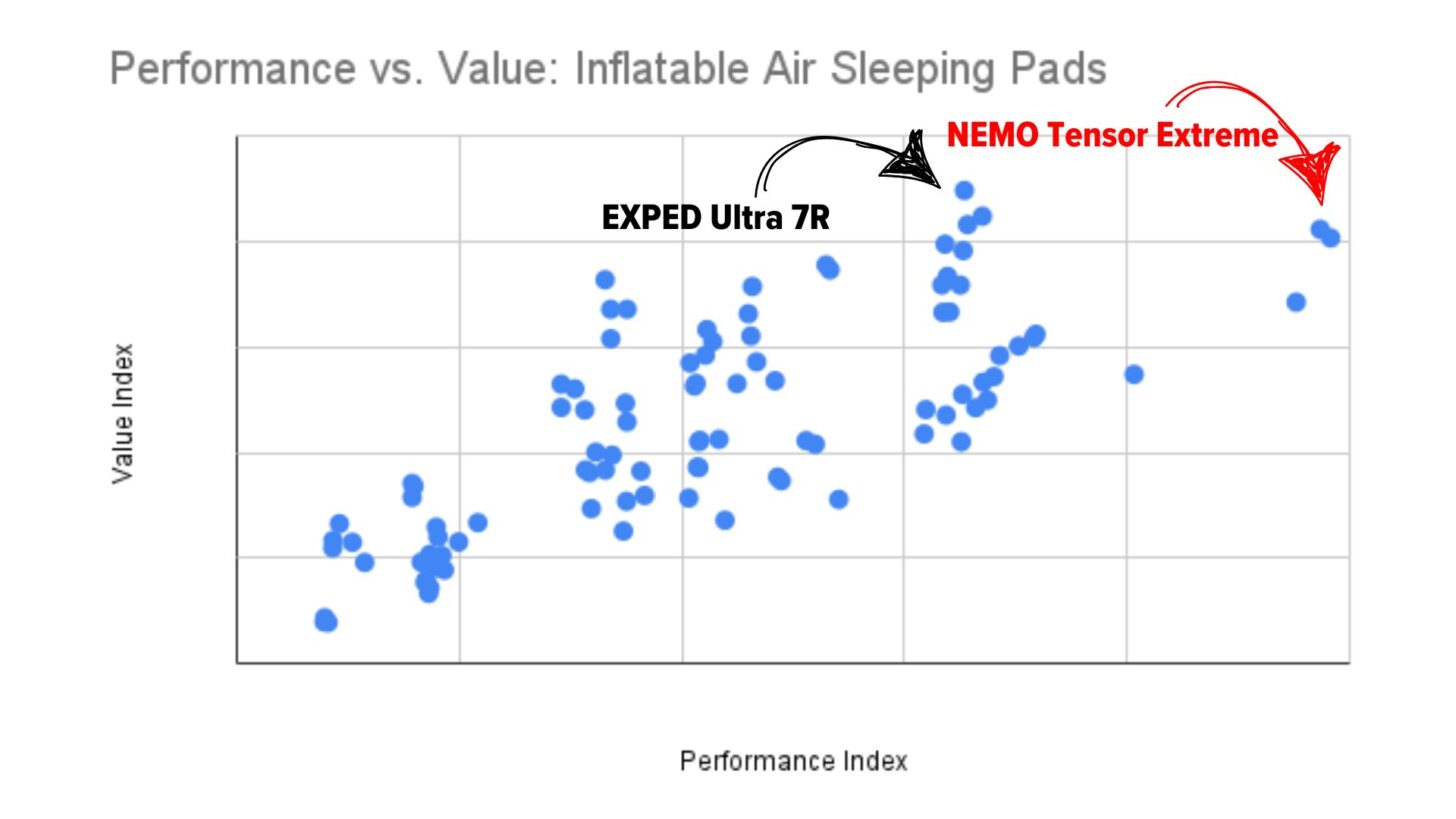
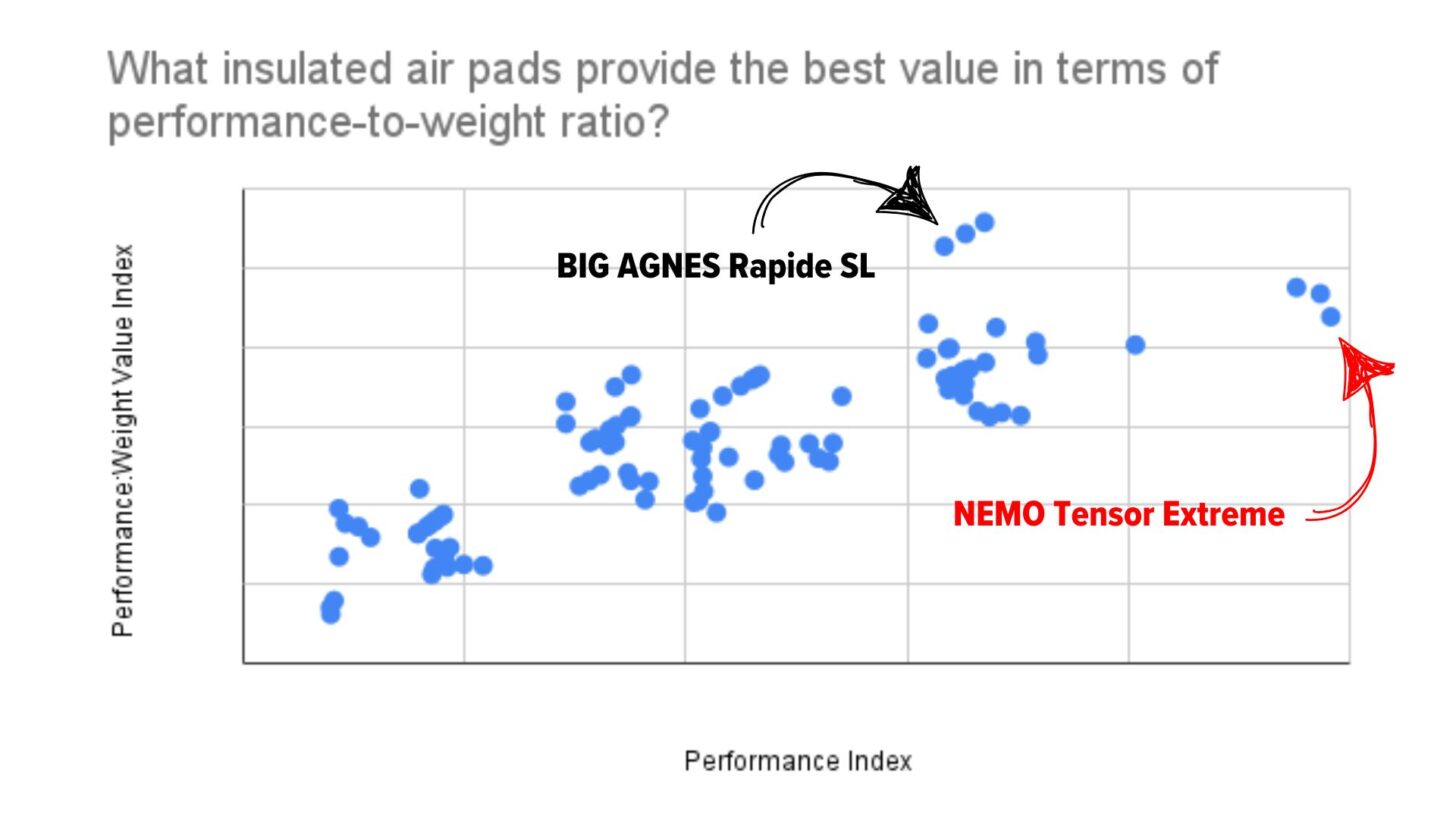
When analyzing the raw performance (warmth and comfort per ounce), the NEMO Tensor Extreme series leads the pack. However, if we evaluate the "Value Index"—the performance per dollar spent—the Big Agnes Rapide SL emerges as the most efficient choice for budget-conscious hikers looking to maximize their warmth-to-weight ratio.
Stability and Baffle Architecture
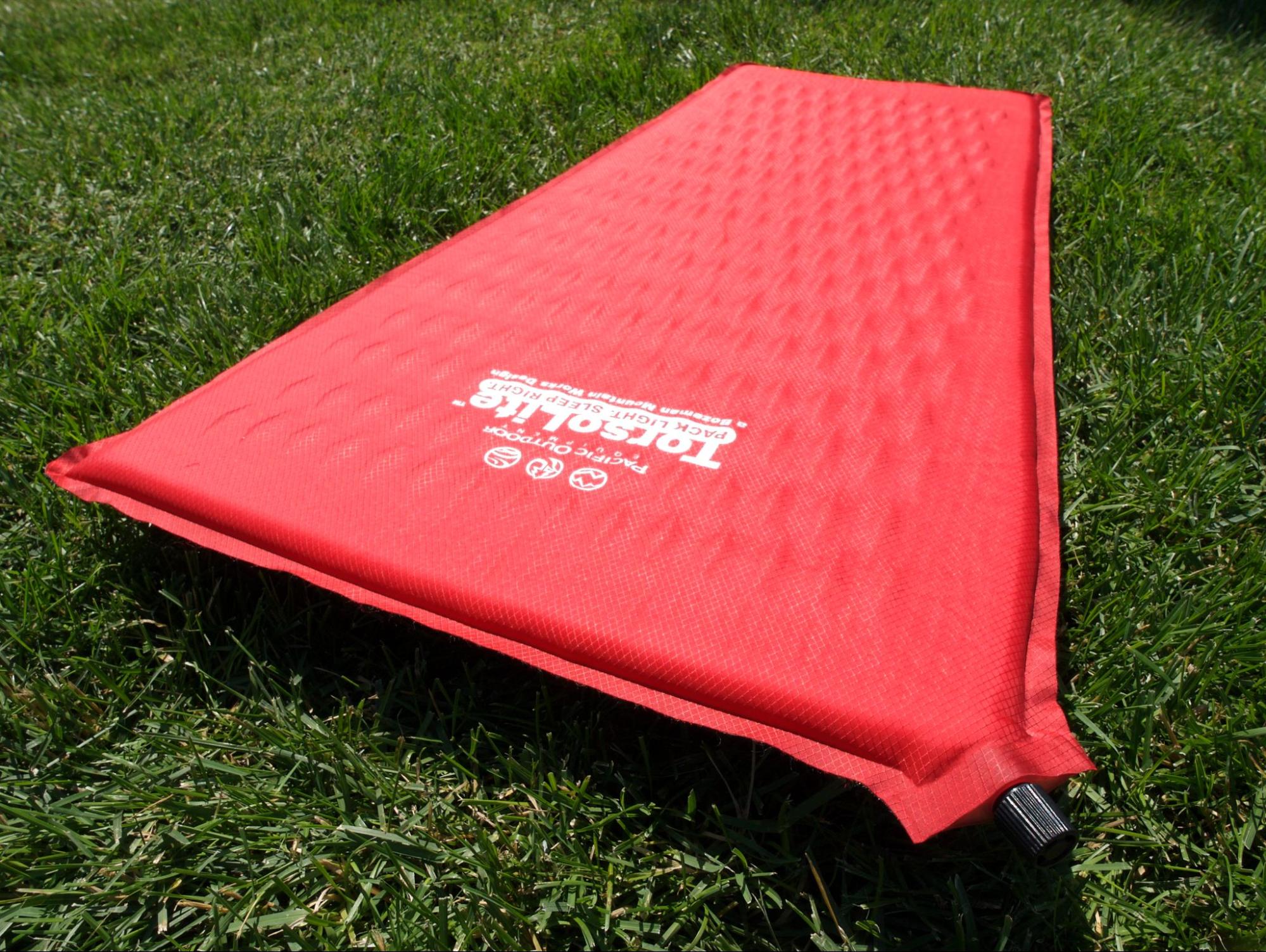
Stability is perhaps the most misunderstood metric in gear reviews. It is the ability of a pad to maintain its geometry under the weight and movement of the user. This is primarily governed by baffle architecture.
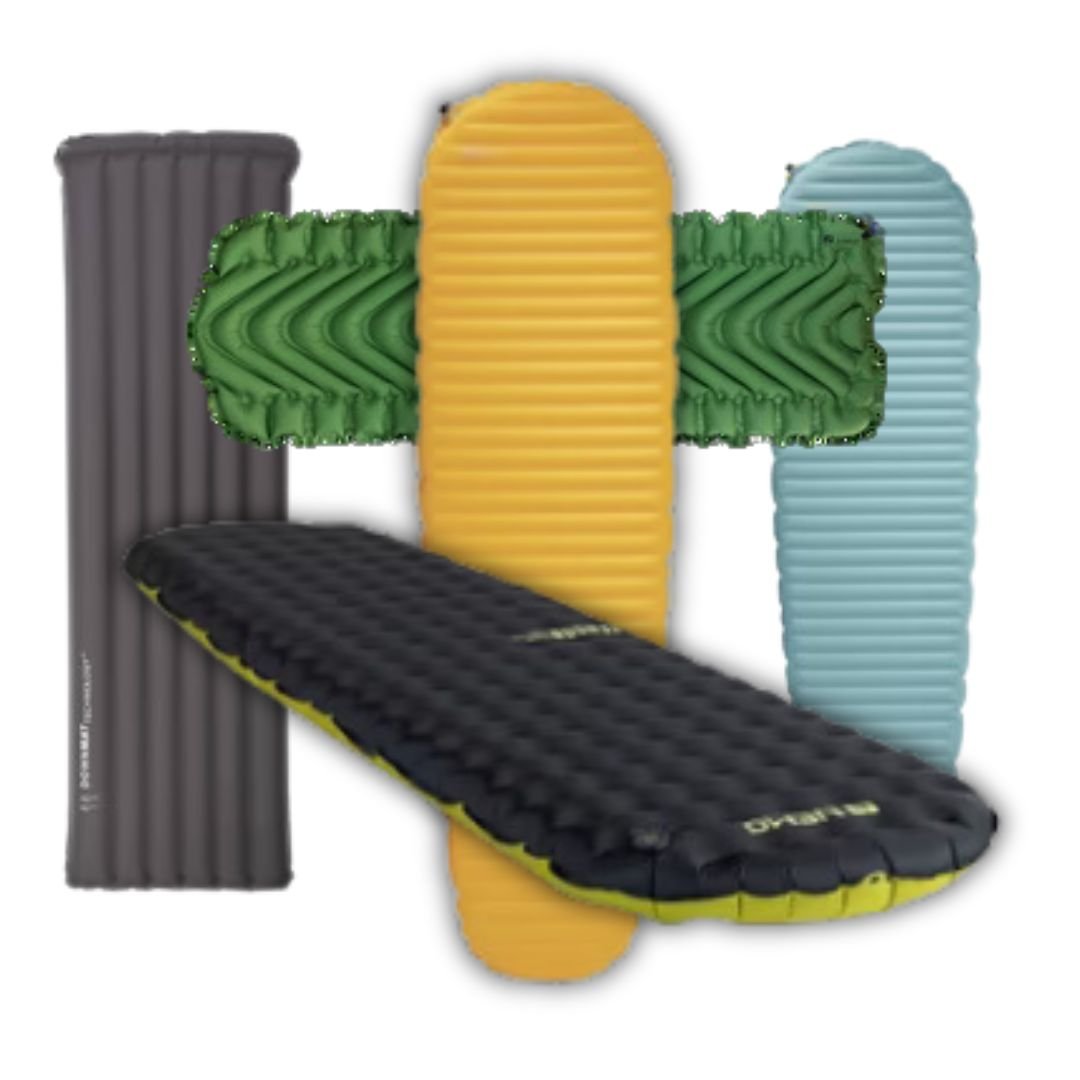
- Horizontal Baffles: These span the width of the pad, offering a soft, contoured feel. They are generally comfortable but can be susceptible to "bottoming out" if not inflated to the correct pressure.
- Vertical Baffles: These run head-to-toe and align with the body’s longitudinal axis. They provide a very consistent surface structure but can feel "slippery" if the user shifts side to side.
- Air-Sprung Cells: Similar to a pocket-sprung mattress, these dot-welded chambers compress independently. This allows for excellent localized support, though it requires more careful inflation to prevent the "wobble" effect.
- 3D Welds: The current "gold standard" for stability. By using internal welds to control chamber depth, these pads provide a highly stable platform that limits lateral movement, even when the user is shifting positions.
Implications for the Field: The Optimization Protocol
To achieve consistent sleep, users must transition from passive consumers to active tuners of their gear. The following protocol should be applied in the field to optimize any inflatable system.
1. Master the Inflation Heuristic
Do not inflate your pad to its maximum capacity. Over-inflation creates a "bouncy" surface that lacks the ability to conform to the body’s pressure points.
- Back Sleepers: Aim for a deflection of roughly 15-20% when sitting on the pad.
- Side Sleepers: Require firmer pressure to prevent the hip from touching the ground, usually around 10-15% deflection.
- Temperature Adjustment: Remember that as temperatures drop, the air inside your pad will contract, resulting in a loss of pressure. Plan to "top off" your pad just before drifting off to sleep.
2. Strategic System Integration
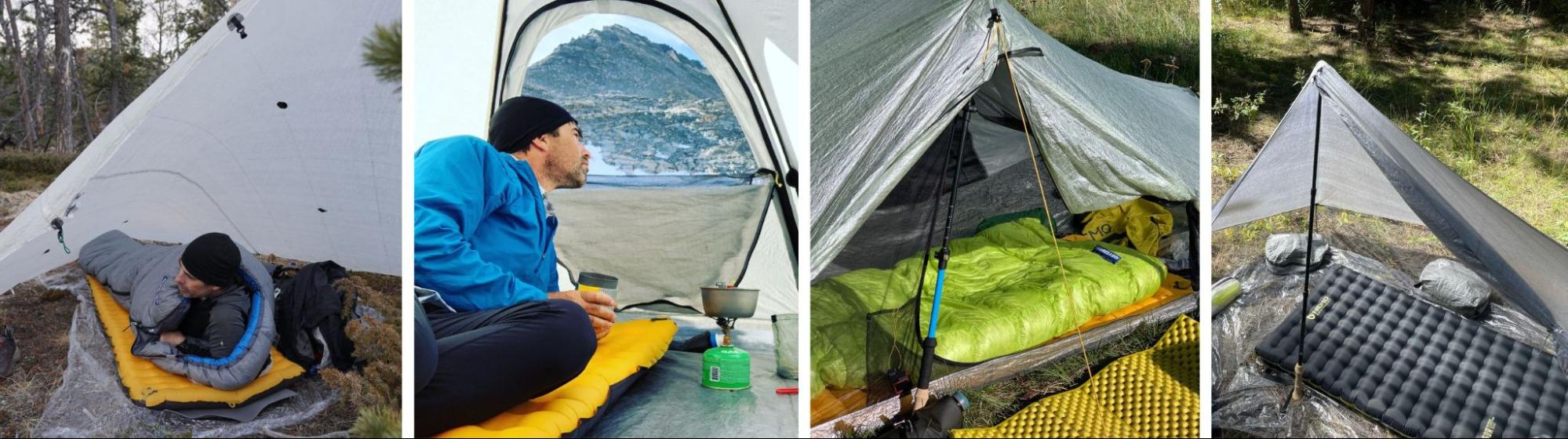
The most comfortable sleepers often use a two-pad system. Placing a thin CCF pad (like the Gossamer Gear Thinlight) underneath your inflatable serves two purposes: it protects the expensive inflatable from punctures and provides a critical layer of redundant warmth if the air pad fails. Conversely, placing a soft, thin layer on top of the pad can mitigate the "crinkling" noise associated with high-R-value reflective materials.
3. The Bivy Sack Factor
Inside a bivy, space is at a premium. A 25-inch-wide pad can feel constricting and lead to condensation buildup against the shelter walls. Using a slightly narrower pad (around 20-22 inches) often improves the fit and allows for better moisture management by ensuring the edges of the pad aren’t forcing the bivy fabric to press against your sleeping bag.

4. Pumping and Power Management
The modern hiker is increasingly reliant on electronics. While pump sacks like the Exped Schnozzel remain the gold standard for weight and reliability, the rise of ultralight electric inflators like the Flextail Zero Pump is changing the game. When paired with a high-density power bank like the Nitecore NB10000 Gen 3, the inflator becomes a viable, low-effort tool that saves breath and time at the end of a long day.
Conclusion: Setting the Standard
Sleep is the most critical recovery tool for the backpacker. By selecting a pad geometry that fits your frame, standardizing your inflation based on deflection targets rather than guesswork, and utilizing a layered system when conditions demand it, you can eliminate the "trial and error" that plagues many wilderness trips.
The market has matured, and the technology available in 2026 is capable of providing a level of comfort that would have been unimaginable to the hikers of the 1960s. The final step is simply applying the science to the dirt. Use the two-minute protocol—assess your surface, set your pressure, and manage your interface—and you will find that the best night of sleep you’ve ever had in the woods is, quite literally, under your control.