Main Facts: A Prime Season for Montana Rafting
As the sun climbs higher over the Bitterroot and Sapphire Mountains, the snowmelt-fed waters of the Clark Fork River have settled into their mid-summer rhythm. For the team at Montana River Guides, the transition signals a shift from intensive technical training to the heart of the recreational rafting season.
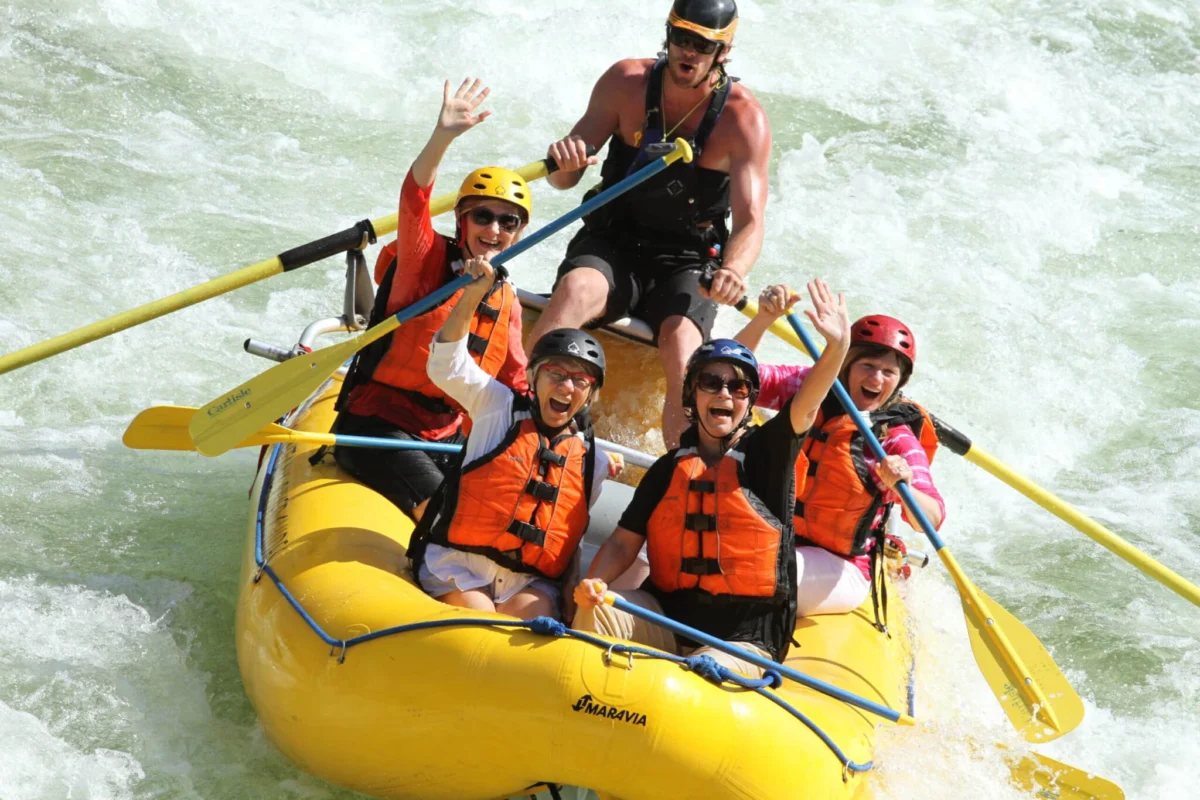
The Alberton Gorge, widely regarded as the crown jewel of whitewater near Missoula, is currently flowing at an optimal 4,000 cubic feet per second (CFS). This volume provides the "goldilocks" scenario for river runners: enough power to provide an exhilarating ride through legendary features like Tumbleweed and Fang rapids, yet manageable enough to ensure a welcoming environment for families and casual adventurers.
With the professional swiftwater rescue certification season now largely concluded, the river corridors are open for business. Montana River Guides is currently running daily excursions, ranging from high-octane whitewater rafting trips to more serene, scenic kayaking tours, catering to a broad spectrum of skill levels and thrill-seeking appetites.
Chronology: From Technical Training to Recreational Flow
The operational calendar for Montana River Guides is a testament to the dynamic nature of the Clark Fork. The season begins months before the first tourist arrives, with the spring months dedicated to Swiftwater Rescue (SWR) training.
Spring: The Season of Preparedness
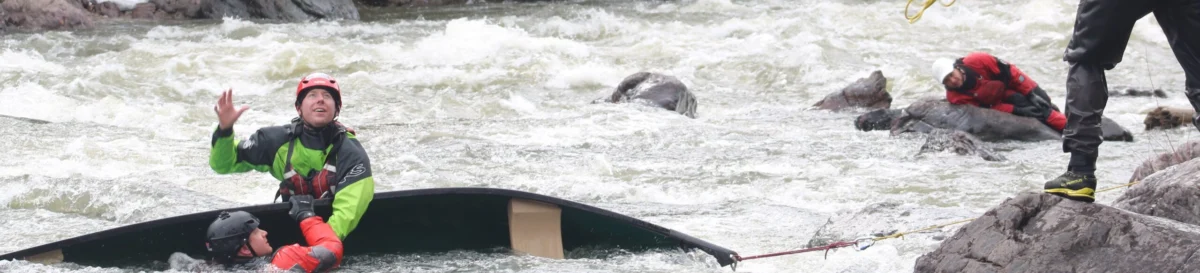
During the high-water period of late spring, the focus is strictly professional. Rescue technicians, firefighters, and professional river guides converge on the river to hone the skills necessary to handle the volatile, high-volume flows of the early season. This rigorous training regime ensures that the personnel operating on the river possess the highest level of competence in hydrology, rope systems, and emergency extraction.
Early Summer: The Transition to Recreation
As the peak runoff subsides, the river enters its "summer flow" phase. This is the period where the objective shifts from technical rescue to public education and guided recreation. Throughout June and into July, the water levels stabilize, allowing for consistent trip scheduling.
Late Summer: The Specialized Curriculum
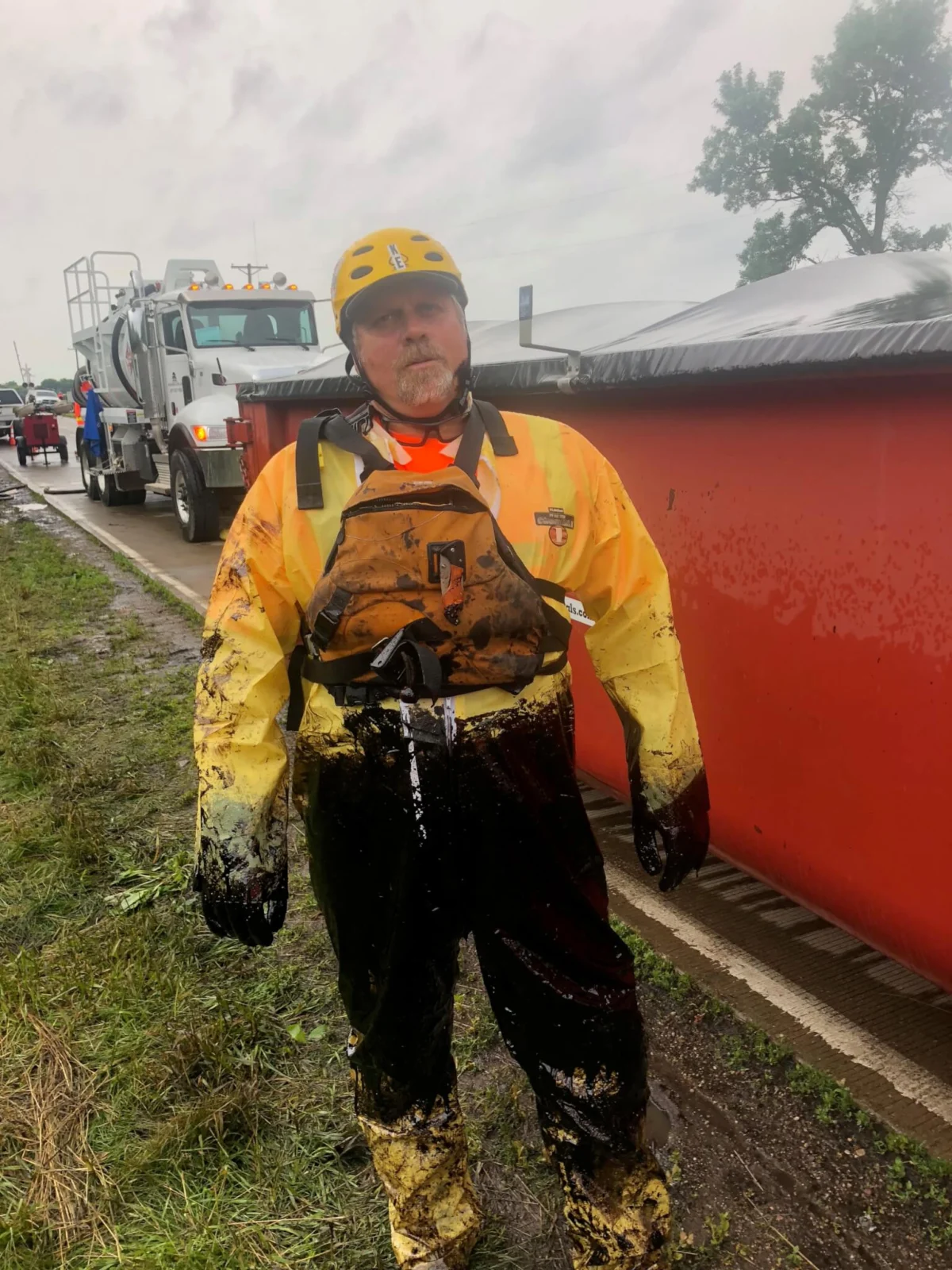
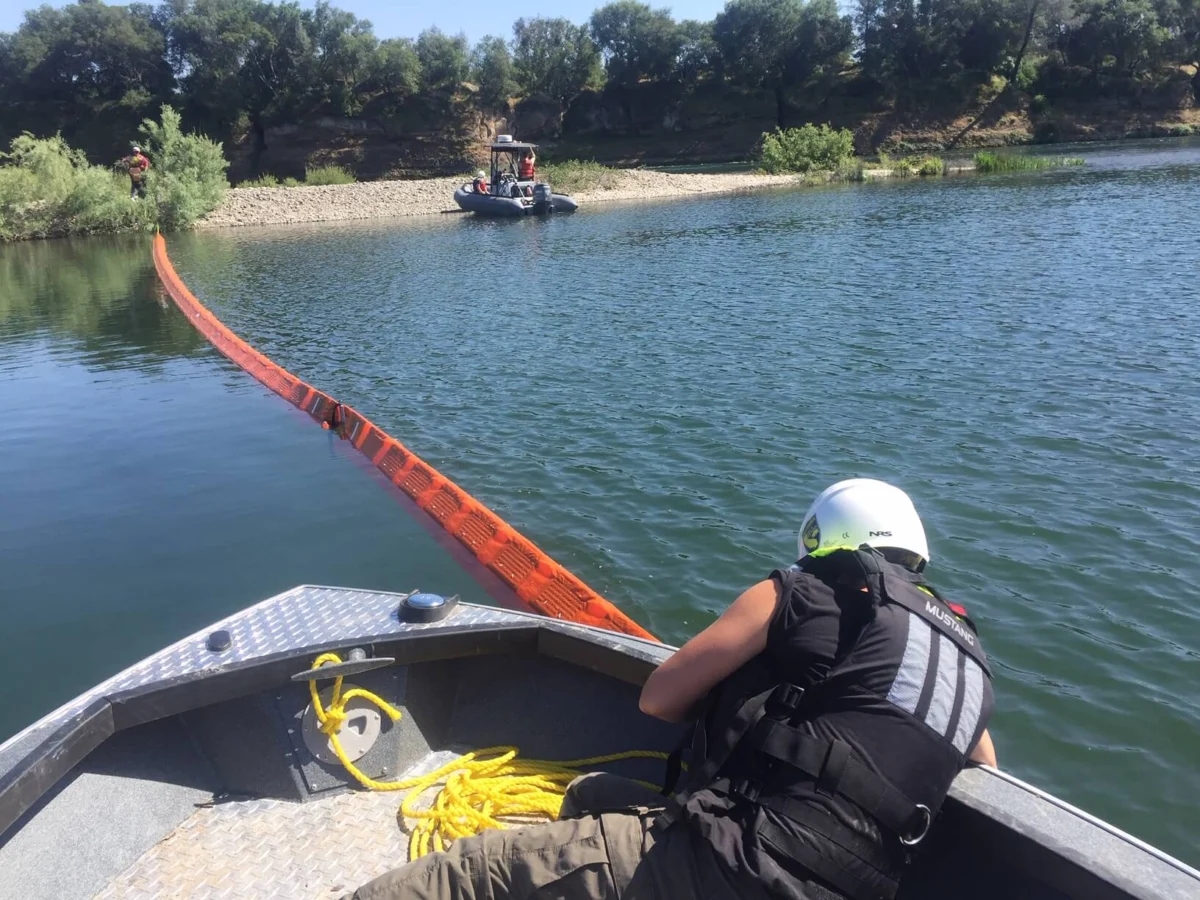
Looking toward the remainder of the season, the schedule pivots once more. Montana River Guides has announced a series of specialized "Swiftwater Spill Response" classes. Unlike traditional rescue training, these sessions focus on the intersection of river dynamics and environmental protection, teaching participants how to deploy spill response equipment in moving water—a critical skill for industrial safety and environmental stewardship in the region.
Supporting Data: Understanding the Alberton Gorge
The appeal of the Alberton Gorge lies in its unique geology and consistent flow patterns. At 4,000 CFS, the river presents a Class II to III experience.
- Geological Dynamics: At current levels, the upper gorge is beginning to expose rock features that were submerged earlier in the spring. These obstacles add a layer of complexity to navigation, forcing guides to read the water more carefully and providing a tactical challenge for private boaters.
- The "Swimmer" Factor: While the rapids remain friendly, they are not without consequence. The current volume at Tumbleweed and Fang is sufficient to challenge even seasoned paddlers, often resulting in "swimmers"—a colloquial term for individuals who fall out of their crafts. This serves as a reminder of the inherent risks of the sport and the importance of professional oversight.
- Safety Protocols: Montana River Guides emphasizes a "culture of care." This includes mandatory gear checks, ensuring that all participants are equipped with high-quality personal flotation devices (PFDs), helmets, and appropriate thermal wear.
Official Responses: The Philosophy of River Stewardship
"Our mission has always been two-fold," says a lead instructor at Montana River Guides. "We want to provide the best possible experience for our clients, whether they are looking for a gentle float or a heart-pounding day on the rapids, but we also want to ensure that everyone who leaves our dock is more aware of the river’s power than when they arrived."
The organization’s emphasis on education—specifically regarding Swiftwater Spill Response—reflects a broader commitment to the Missoula ecosystem. By training professionals to handle hazardous material spills in moving water, the guides are acting as stewards of the Clark Fork, ensuring that industrial accidents do not compromise the pristine quality of the watershed.
"Safety is not just about keeping a boat upright," the spokesperson added. "It’s about understanding the environment. When we teach a spill response class, we are teaching people to respect the river as a living, moving system that demands specific tools and protocols."
Implications: The Future of Montana Whitewater
The current health of the Clark Fork River and the popularity of the Alberton Gorge carry significant implications for the region’s tourism and environmental safety sectors.
Economic Impact
Whitewater tourism serves as a cornerstone of the Missoula summer economy. By providing daily, accessible, and safe rafting opportunities, Montana River Guides supports not only their own staff but the wider hospitality ecosystem—from local gear shops to the breweries and restaurants that host visitors after their day on the water. The consistency of the 4,000 CFS flow is a primary driver of this economic engine.
Environmental Stewardship
The transition to offering specialized environmental response training suggests a maturation of the river-guiding industry. It is no longer enough to simply navigate the rapids; the modern guide must also be an environmental responder. This trend is likely to continue as climate fluctuations change the way rivers behave, making the mastery of both rescue and containment skills increasingly vital.
The Responsibility of the Private Boater
For the independent river enthusiast, the message from the professionals is clear: the gear is only as good as the user. As the season progresses and the gorge becomes more technical with emerging rock features, private parties are encouraged to practice heightened situational awareness.
"We love seeing people out there enjoying the river," says the team at Montana River Guides. "But we always remind them to keep an eye on each other. The river changes day by day, and the most important piece of equipment you can bring to the Clark Fork is a reliable partner."
Conclusion
As the summer of 2024 unfolds, the Clark Fork River remains a central hub for adventure, education, and environmental responsibility. With perfect flows, a professional guide staff, and a forward-thinking approach to river safety, the Alberton Gorge is positioned to provide another season of world-class memories. Whether you are looking to tackle the rapids, learn the technical nuances of swiftwater rescue, or simply enjoy the scenic beauty of Montana’s waterways, the message is simple: prepare well, respect the current, and enjoy the ride.
Quick Reference Guide for Visitors
- Best Time to Visit: Mid-summer (current conditions are ideal).
- Difficulty Level: Class II-III (Suitable for families and beginners).
- Safety Requirements: Certified PFDs and helmets are mandatory; always check the current CFS flow before launching private craft.
- Upcoming Training: Check the Montana River Guides website for the next "Swiftwater Spill Response" course registration.
- Booking Info: For guided trips, visit the official Montana River Guides portal to secure a spot for your family or group.