By Sam Johnston
Lead Guide, Montana River Guides; Instructor and Spill Responder, Whitewater Rescue Institute (WRI)
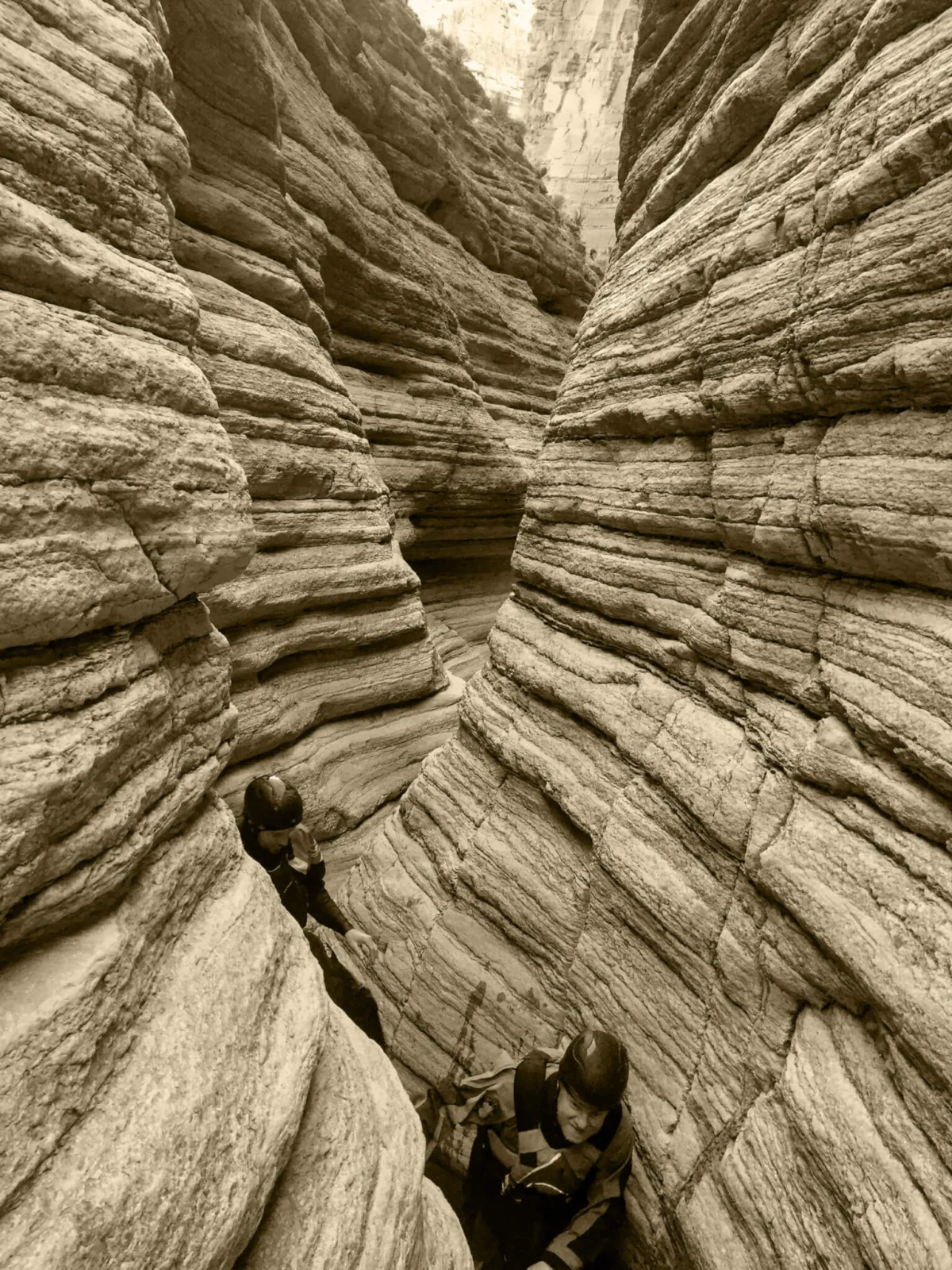
Deep within the Inner Gorge of the Marañón River—the primary headwaters of the Amazon—the margin for error vanishes. Here, the canyon walls constrict, trapping the river in a relentless sequence of high-consequence rapids. It was here, in the blistering heat of a Peruvian afternoon, that I nearly killed my friend.
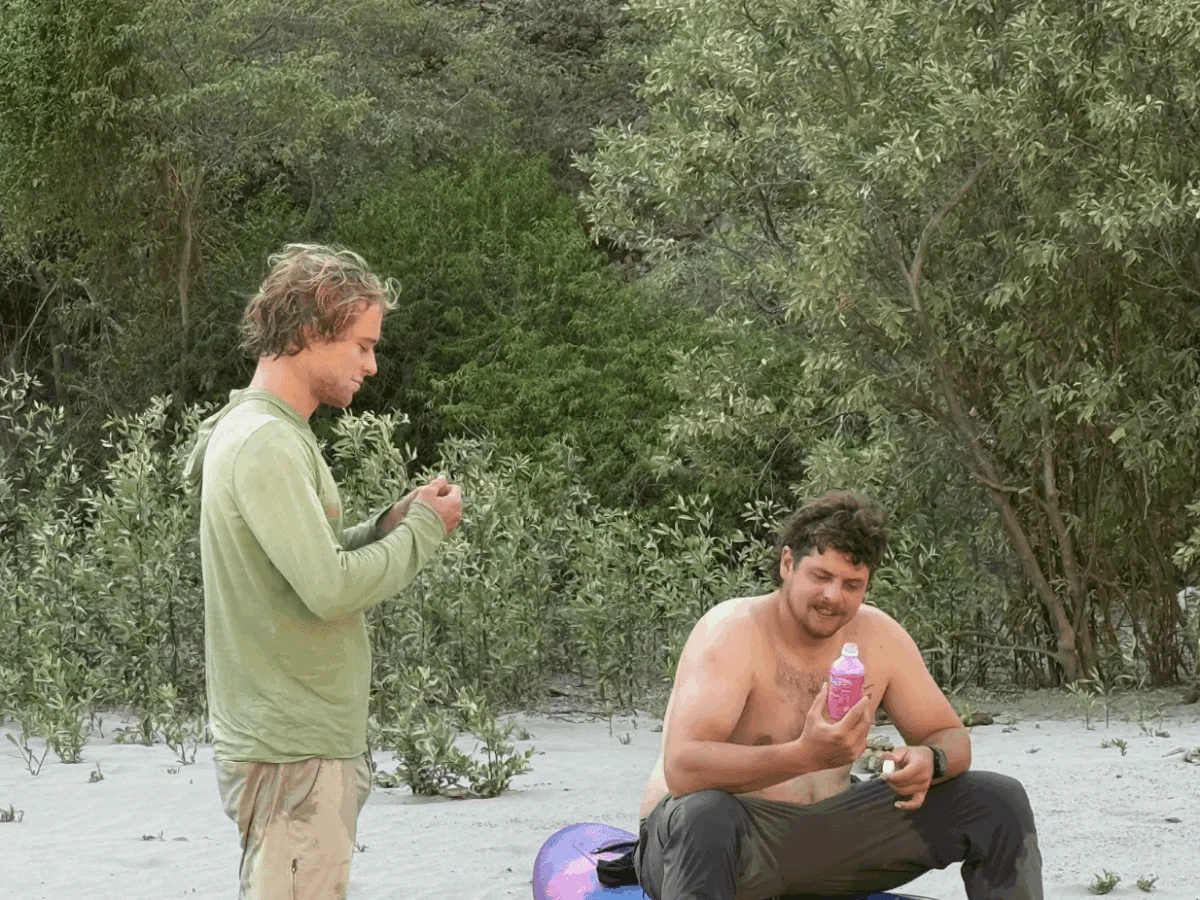
What began as a routine lunch break on a sun-baked boulder field turned into a stark reminder of the frailty of human judgment. While scouting a technical section near the portage of Wasson’s Slide, I shifted my weight onto a rock the size of a washing machine. It moved. My instinctual "Rock!" cry echoed against the canyon walls as the massive boulder tumbled toward my teammate, Dayton, who stood in the shallows below. It came to rest inches from his feet, wedged by nothing more than pure, blind luck.
This incident, occurring over 3,000 miles from my home base on the Clark Fork River in Montana, served as a visceral catalyst for re-evaluating the fundamental tenets of swiftwater safety. Whether in the remote Andes or a training center in Alberton, the river does not care about your certifications. It cares only about the physics of the water and the decisions you make in the seconds before an incident becomes a tragedy.

The Chronology of an Expedition
The Marañón expedition was a test of self-reliance. Our team entered the canyon knowing that help was hundreds of miles and several days of travel away.
The Upper Canyon Crisis
The early stages of the trip were defined by physical attrition. A mysterious illness swept through our ranks, leaving three of our five team members incapacitated. We sought shelter under a bridge in a small town in Ancash, struggling to keep fluids down. This was the first, and perhaps most important, lesson of the journey: environmental stressors—dehydration, sleep deprivation, and illness—act as a cognitive tax.
As Jack and I hiked into a nearby village to procure medical supplies, we were forced to make high-stakes decisions with compromised mental faculties. We returned with canned tuna, sporadic supplies, and unlabeled antibiotics of dubious provenance. The reality of our situation was stark: in an expeditionary environment, your brain is the first piece of equipment to fail.
The Inner Gorge
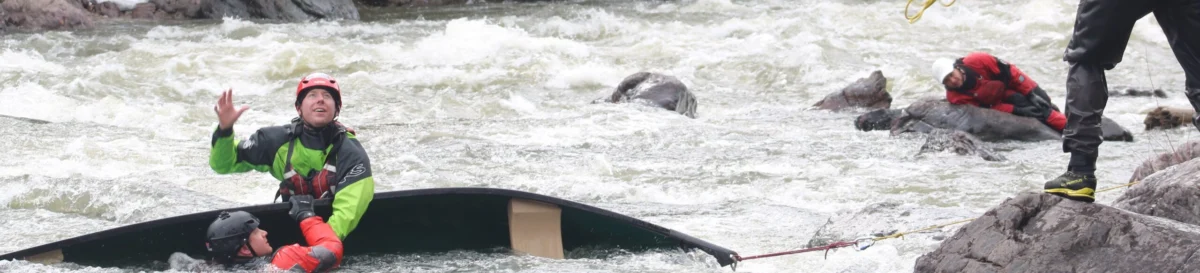
The passage through the Inner Gorge provided the most technical challenges of the trip. After the near-miss at the Wasson’s Slide portage, the river demanded absolute precision. It was here that I experienced a capsize in a hole I should have avoided. The seconds spent underwater, scraping against the riverbed, were not a moment of "conquest," but a humbling encounter with a force that has been carving this landscape for millions of years.

Supporting Data: Why Decision-Making Fails
In professional rescue operations—whether in spill response or technical swiftwater recovery—we often rely on "System 1" thinking: the fast, intuitive, and emotional side of our brains. However, the Marañón taught me that in extreme environments, this system is frequently sabotaged by physical stress.
The Cognitive Decay Curve
Research into high-risk environments suggests that decision-making capability degrades in a non-linear fashion under the following conditions:
- Dehydration: A loss of just 2% of body water can result in significant impairment of cognitive function and memory.
- Caloric Deficit: Physical exertion without adequate recovery leaves the prefrontal cortex—the area responsible for logical reasoning—under-fueled.
- Peer Pressure/Ego: The presence of a team can paradoxically lead to increased risk-taking if individual members feel the need to prove their competence or maintain the team’s momentum.
During our expedition, we found that our ability to perform standard scene size-ups—the bread and butter of the Whitewater Rescue Institute (WRI) curriculum—diminished as the days wore on. This decay is why the WRI emphasizes the use of checklists and standardized protocols; they provide a structural anchor when our own internal processors are failing.
Implications for Swiftwater Professionals
The lessons learned in Peru are not merely anecdotes; they are universal truths applicable to anyone who works on, in, or around moving water.

1. Scene Size-Up is Never Finished
We scouted the rapids of the Marañón with meticulous care. We ignored the boulder field where we ate lunch. We viewed the "safe" time as exempt from the danger of the river. This is a common failure in industrial spill response as well; the site of the incident is often viewed as the only area of danger, while the access route, the staging area, and the recovery point are ignored.
2. Containment is a Plan, Not a Prayer
Before entering the Inner Gorge, I possessed a "hope-based" safety plan. I hoped I wouldn’t swim. I hoped that if I did, someone would be there. A professional rescue plan requires concrete answers:
- Who is the dedicated spotter?
- What is the specific downstream safety location?
- How much time do we have before a swimmer reaches the next hazard?
A plan without these answers is just a wish.
3. Ego as an Obstacle
At Samosera Rapid, I faced a moment of reckoning. Standing on the bank, I had to ask myself: "Am I running this because I am ready, or because I am the least experienced paddler and I am embarrassed to walk?" Naming the ego is the only way to neutralize it. In any professional setting—be it a search and rescue team or a spill response unit—the most dangerous equipment on site is often the pride of the lead responder.
Official Standards and Professional Preparedness
The Whitewater Rescue Institute (WRI) operates on the principle that skills are perishable. The technical expertise required to manage a river rescue, perform a rope recovery, or lead a fastwater spill response is not a "one-and-done" certification.

The WRI Framework
WRI courses, conducted at our facility on the Clark Fork River in Alberton, Montana, are engineered to meet the highest safety standards:
- NFPA 1006 & 2500 Standards: Ensuring that all technical rescue training is compliant with national fire protection guidelines.
- USCG & HAZWOPER Compliance: Our boat operations and spill response trainings are tailored to meet the strict regulatory requirements of the U.S. Coast Guard and federal hazardous waste operations.
- Live Water Training: We do not believe in classroom-only learning. Every student at WRI works in real-time, high-flow environments to ensure that when they are faced with a "real-world" scenario, their muscles and minds already know the rhythm of the water.
The Imperative of Continuous Education
The only thing more dangerous than having no training is having training that has gone stale. The river changes, the equipment evolves, and—most importantly—the human element remains unpredictable.
If you are an agency partner, a guide, or a responder, you must ask yourself: when was the last time you stress-tested your decision-making? The Marañón was my wake-up call, but it doesn’t have to be yours. The skills we teach on the Clark Fork are the same skills that allow a team to navigate the headwaters of the Amazon. The stakes are consistent; only the geography changes.
Conclusion: The River is the Teacher
I returned from Peru exhausted, scarred by countless bug bites, and profoundly humbled. I did not "conquer" the Marañón. I was simply granted safe passage.

This is the mindset we foster at the Whitewater Rescue Institute. We do not teach students to dominate the water; we teach them to read it, to respect its power, and to move through it with the efficiency and caution that high-consequence environments demand. As we move into the next season, I invite you to join us on the Clark Fork. Refresh your skills, challenge your assumptions, and remember: the best rescuers are those who never stop showing up to learn.
For more information on our upcoming course schedule, including swiftwater, ice, and rope rescue, please visit the WRI course page.