On January 26, a team of four elite instructors from Whitewater Rescue Institute (WRI)—Paul Heffernan, Matt O’Reilly, Frank Preston, and Cody Harris—embarked on one of the most grueling logistical challenges in American whitewater: a 10-day self-supported kayak descent of the Colorado River through the Grand Canyon.
What makes this expedition distinct is not merely the technical difficulty of the rapids, but the total autonomy of the 10-person group. Carrying everything from kitchen kits to first-aid supplies within their own kayaks, the team transformed the 280-mile stretch from Lees Ferry to Pearce Ferry into a masterclass in wilderness logistics. Following the trip, a series of anonymous, handwritten letters discovered in the bottom of a drybag provided a raw, intimate look at the mental and physical toll of such an undertaking.
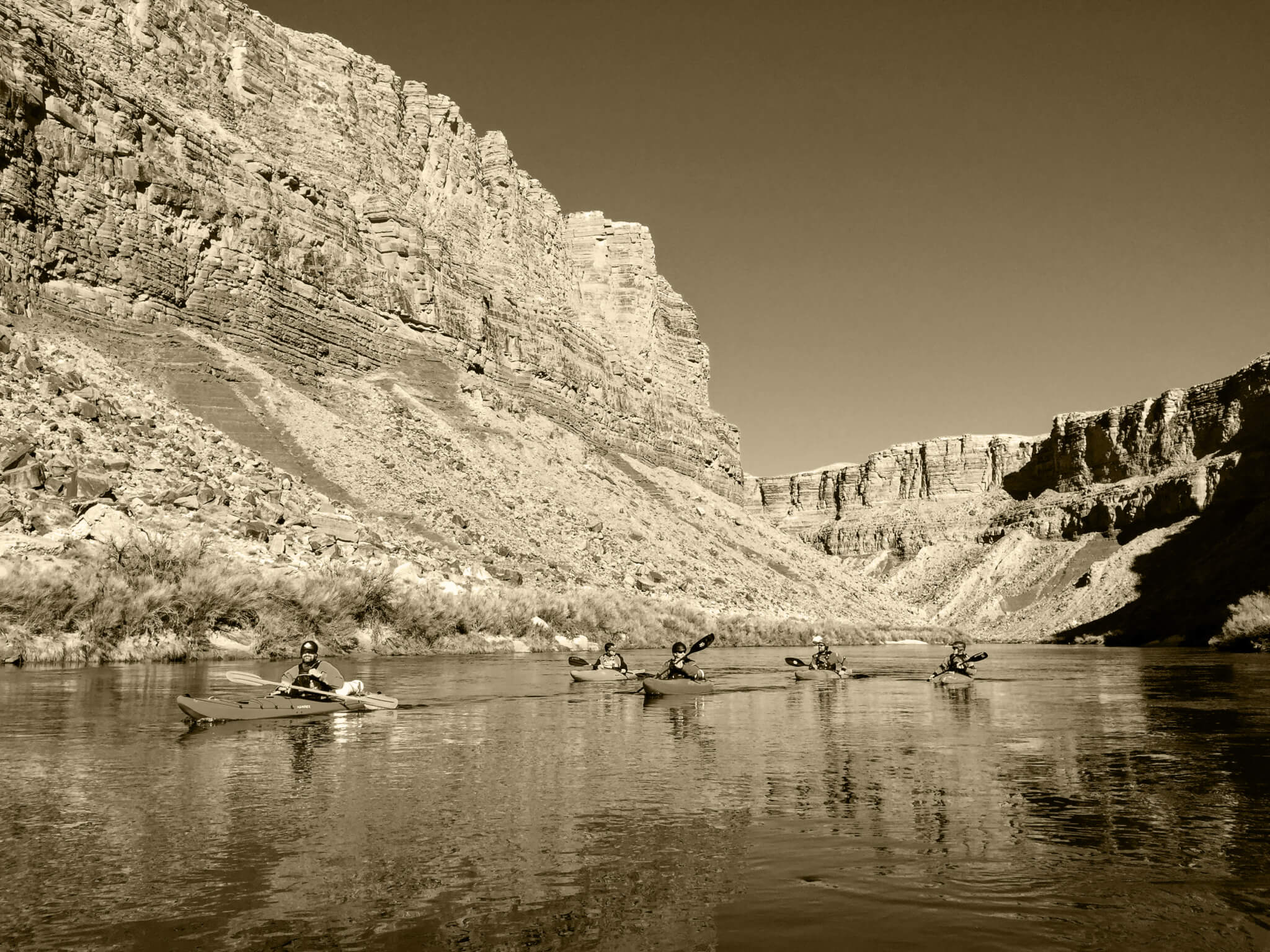
The Logistical Challenge: Self-Sufficiency in the Gorge
The essence of a "self-support" trip is the elimination of the motorized rafts and support vessels that typically accompany large Grand Canyon expeditions. For this team, every ounce mattered.
The logistical burden began at the ramp. With 10 paddlers using a variety of craft, the initial challenge was simply physical capacity. Each boat was weighted with roughly 175 to 200 pounds of gear. "They responded about as well as a hungry burro in sight of a barn," one account noted.

Key Logistical Realities:
- The Individual Model: Unlike commercial trips that pool resources, each paddler maintained an individual food plan and camp kit. While this required carrying multiple stoves, it provided a necessary safety net for cold-weather mornings.
- The "Groover" Constraints: Human waste management remains one of the most significant logistical hurdles for canyon expeditions. With 16-inch PVC containers, the team had to calculate their output against the 10-day timeline, highlighting the brutal reality of extended wilderness travel.
- The Weight Penalty: The necessity of carrying specialized fire pans, large-scale first-aid kits, and repair gear meant that the team leader—who volunteered to carry the majority of the group equipment—faced an exponentially higher physical toll than the rest of the crew.
A Chronology of the Descent
Phase I: The Opening Miles (Days 1–3)
The expedition launched from Lees Ferry under rare, clear mid-winter skies. The first three days were defined by the struggle to adapt to heavily loaded boats. Covering 21 miles on the first day, the team navigated House Rock Rapid, losing a GoPro and enduring the first swimmer of the trip. By Day 2, the team entered the "Roaring 20s"—a section of the river renowned for its consistent, exhilarating whitewater—before transitioning into the relative calm of the flat sections near President Harding Rapid.
Phase II: The Inner Gorge (Days 4–5)
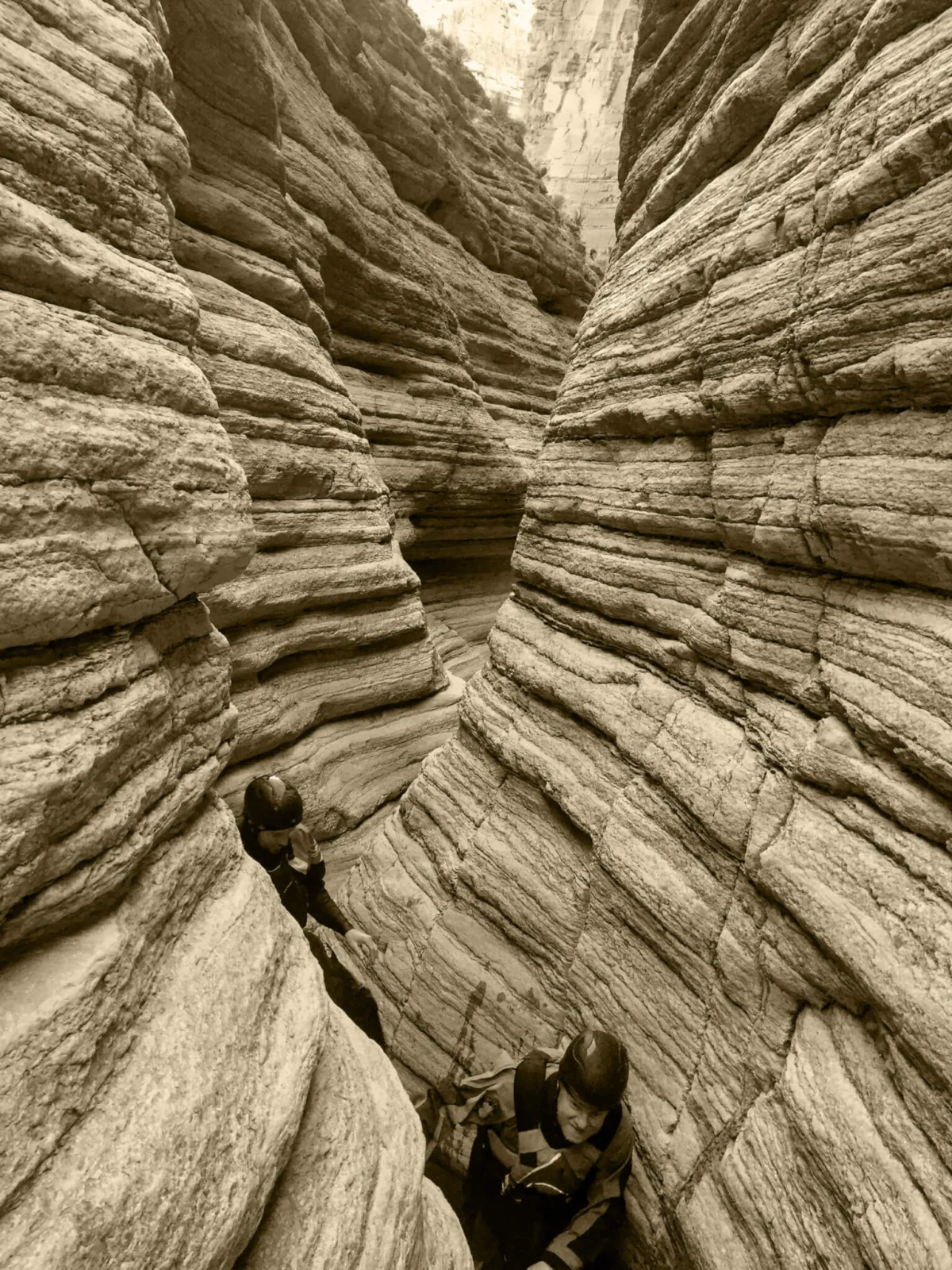
By Day 4, the character of the river shifted entirely. As the team entered the inner gorge, the geological transition from sedimentary rock to the dark, ominous schist and granite signaled a change in the river’s temperament. This segment included some of the canyon’s most legendary whitewater: Hance, Sockdolager, Horn Creek, Granite, Hermit, and Crystal.

The anonymous correspondent noted, "On many occasions, like Horn Creek for example, I skirt the meat of the rapid while [our leader] charges through the largest waves undeterred." This phase of the journey served as a testament to the importance of mentorship, as the team leaned heavily on the expertise of the WRI instructors to navigate the high-consequence technical rapids.
Phase III: The Final Push (Days 6–10)
The latter half of the trip was marked by physical exhaustion and profound reflection. After hiking to Thunder River and Olo Creek, the team covered a massive 34-mile day on Day 7, navigating Lava Falls—the most feared rapid in the canyon.

By the time the group reached Separation Canyon, the tone of their reflections had deepened. They found themselves at the site where members of the 1869 Powell Expedition famously opted to hike out of the canyon rather than face the turbulent waters ahead. The modern-day paddlers, despite their advanced equipment, expressed a newfound empathy for that decision, acknowledging that the river’s psychological weight is often heavier than the physical.
Supporting Data and Observations
The WRI team’s expedition offers valuable data for future self-supported river runners. The experience highlighted several critical "lessons learned" that are now being integrated into WRI training curricula:

- Sleeping Systems: The reliance on inflatable sleeping pads proved to be a point of failure. Several team members suffered punctures and were forced to rely on spare clothing for insulation. The recommendation for future trips is the inclusion of redundant, closed-cell foam pads.
- Water Management: During the winter months, the Colorado remains largely silt-free, allowing for easy collection from side-stream springs and tributaries. Paddlers carried approximately 4 liters of water, a standard that held up well under the cool 70-degree temperatures.
- Nutritional Strategy: The debate between freeze-dried rations (which save weight and manage waste) versus fresh, vacuum-sealed food (which provides higher morale but adds significant bulk) remains a central dilemma for long-distance paddlers.
Professional Insights: The Mentorship Factor
One of the most recurring themes in the journals is the role of the expedition leader. In an environment where the river can shift from "tame" to "lethal" in seconds, the presence of a calm, authoritative figure was identified as the primary factor preventing the group from splintering.
"Had it not been for the mentorship and daily coaching from our leader, I too would have climbed out of this canyon," the author admitted. This underscores a critical tenet of WRI’s philosophy: that technical skill is secondary to the psychological fortitude and decision-making capabilities fostered by proper leadership.

Implications: Nature vs. The Machine
The final 40 miles of the trip—from Separation Canyon to Pearce Ferry—offered a stark lesson in environmental history. Due to long-term drought, the backwaters of Lake Mead have receded, revealing the original riverbed.
The paddlers witnessed the river "reclaiming its purpose," carving through old silt deposits. This stretch of the trip serves as a metaphor for the entire expedition: the realization that human interventions, such as the Hoover Dam, are mere "temporary distractions" in the face of the Colorado River’s geological persistence.

Final Reflections
The expedition concluded not with a sense of triumph, but with a sense of profound humility. Reaching Pearce Ferry and seeing the sky widen as the canyon walls receded, the team realized that the Grand Canyon is not something to be conquered, but something to be endured and understood.
For the WRI team, the 280 miles were not just a test of kayaking ability; they were a rigorous study in self-reliance, the value of communal support, and the enduring power of one of the world’s most formidable natural environments. The letters found in that drybag remain a poignant reminder that even in an era of GPS and high-tech gear, the most important tools in the Grand Canyon remain the mind, the team, and the willingness to keep paddling when the current feels overwhelming.