By Editorial Staff
Published May 11, 2026
In the annals of Yosemite climbing, few challenges carry the mythical weight of the "Triple Crown." To link the three great monoliths of the valley—Mount Watkins, Half Dome, and El Capitan—in a single 24-hour push is to engage in a high-stakes dance with exhaustion, gravity, and the sheer vertical scale of the Sierra Nevada. On the morning of May 9, 2026, 22-year-old Chris Deuto of Boulder, Colorado, etched his name into the history books, becoming the youngest climber to ever complete the link-up, joining a storied, elite lineage of legends.
Accompanied by his climbing partner, 31-year-old Erik Andersen, Deuto navigated more than 71 pitches of world-class rock, finishing their massive, multi-formation endeavor in a staggering 22 hours and 16 minutes.
The Magnitude of the Feat
The Yosemite Triple Crown is a benchmark of physical and mental endurance that has been attempted by only the most disciplined climbers in the world. Since its inception in 2001, when pioneers Dean Potter and Timmy O’Neill first forged the route, the challenge has been completed by only 11 teams, with the singular exception of Alex Honnold’s legendary free-solo effort.

Deuto’s accomplishment displaces the previous record-holder, Cheyne Lempe, who was 23 when he completed the circuit alongside Dave Allfrey in 2014. For Deuto, however, the record was secondary to the experience. His transition from competitive youth climber to elite big-wall alpinist has been meteoric. Having walked away from the high-pressure world of national competition at 16, Deuto redirected his focus toward the mountains, ticking off major ascents in Brazil, Patagonia, and the Diamond on Longs Peak before setting his sights on the Valley’s ultimate test.
A Chronology of the Climb
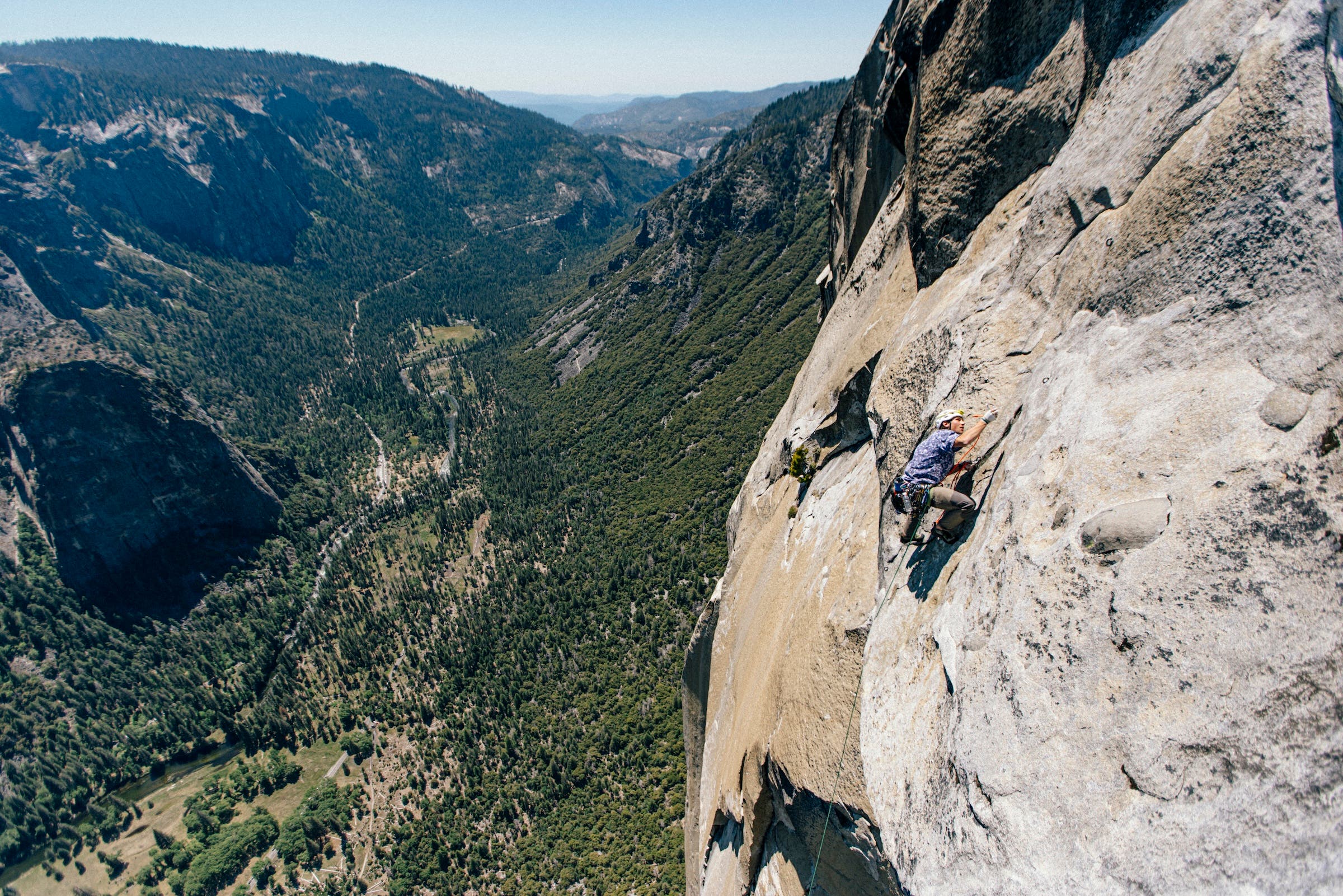
The logistics behind a successful Triple Crown are as complex as the climbing itself. Most teams follow the traditional path: Mount Watkins, then the Nose on El Cap, and finally Half Dome. However, Deuto and Andersen opted for a strategic pivot to optimize their transit. By utilizing bicycles to travel between formations, they chose a route that tackled Watkins and Half Dome first, concluding their journey on the iconic Nose of El Capitan.
The Midnight Vigil
For those observing from the valley floor, the visual of the climbers was hauntingly beautiful. At midnight on Saturday, as witnesses looked up at the blackened silhouette of Half Dome, two tiny, bouncing headlamps signaled the duo’s progress. They were deep into their second monolith, pushed by a combination of grit and adrenaline.
By the time they reached the final pitches of the 3,000-foot Nose, they were met by a support team that included Deuto’s girlfriend, Katie Kelble, who rappelled into the final sections to cheer them on. When they finally stood at the historic top-out tree, they were greeted by friend Ben Sotero, who marked the arrival with celebration.
Strategic Precision
The duo’s success was not a product of endless rehearsal. Deuto and Andersen had only practiced each formation once before the attempt. Their partnership, which began in the Camp 4 parking lot just one year prior, proved to be perfectly synchronized. During their first-ever climb together—the Nose—they completed the route in a lightning-fast 13 hours, a feat that typically occupies big-wall teams for days.
"We ran the math," Deuto explained, detailing their decision to alter the traditional order. "It would be an hour and a half shorter if we start on Watkins and skip the East Ledges. Don’t let the stigma of the order get in the way of the math."
Supporting Data and Performance Metrics
The efficiency of the duo’s movement was unprecedented for a team with such a short history of climbing together. During the Triple Crown, they recorded personal bests on two of the three formations:
- Mount Watkins: 3 hours, 24 minutes.
- El Capitan: 6 hours, 55 minutes.
The logistical planning involved in the transition between formations was critical to maintaining their sub-24-hour pace. By opting for a bicycle-based transition, they were able to maintain a fluid movement pattern, avoiding the sluggishness that often plagues teams relying on multi-vehicle logistics.
Insights from the Wall
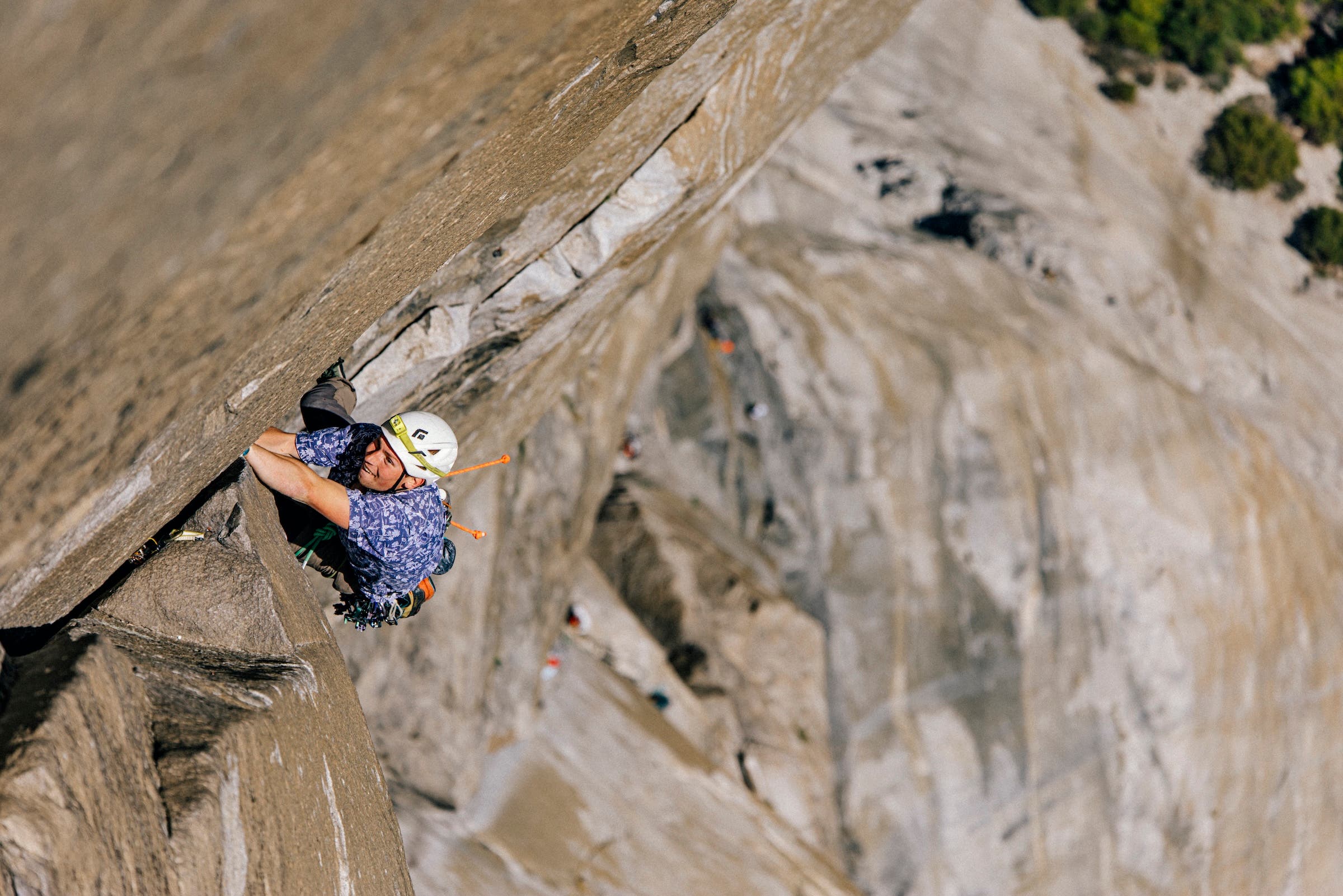
The journey was far from seamless. During the ascent of Half Dome, the pair faced a psychological and physical crisis. Andersen, fighting severe leg cramps, nearly lost his footing on a 5.5 section, and a critical failure of his headlamp batteries in the dead of night forced him to change equipment by touch alone.
"The whole time from when Erik almost fell… I could feel the vibes dropping," Deuto recalled. "That negative energy is so contagious. It felt like trying to eat the elephant all at once."
The turning point, according to the pair, was a combination of humor, hydration—specifically, chugging pickle juice to combat cramping—and a shared philosophy. "Ben and I have this saying from our climbs together: Start like a cat, finish like a lion," Deuto said. "You start graceful and slow, and then you evolve into full beast mode."
The Lineage and Legacy
Being part of the Triple Crown lineage is a source of profound humility for Deuto. When reflecting on the names that preceded them—Potter, O’Neill, Gobright, and Reynolds—Deuto emphasized that their motivation was never the title itself.
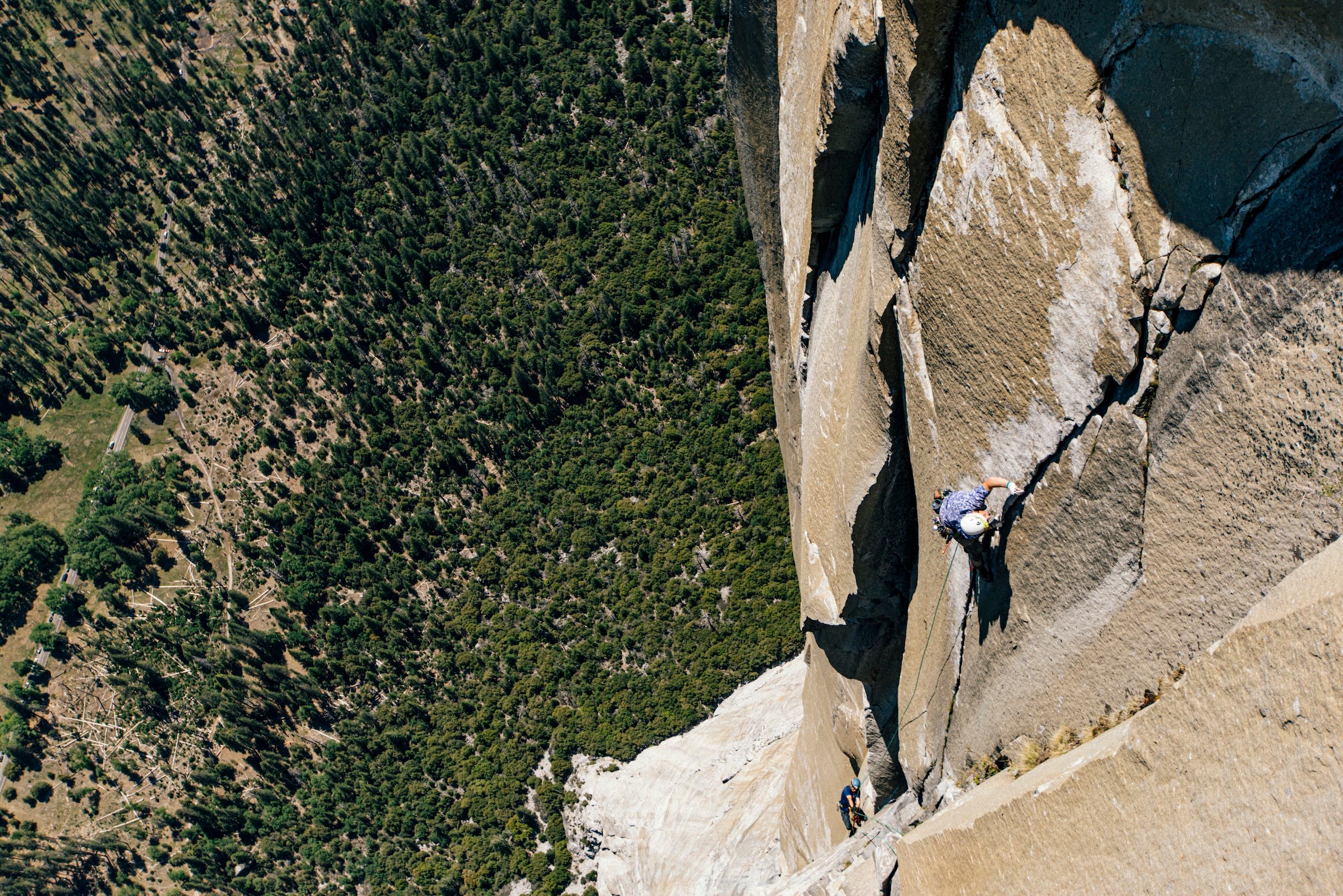
"I didn’t realize until we started trying it that all of the ascents… were done by people I really admire," Deuto said. "Childhood heroes. Just to be in that ballpark is cool as fuck. If it had been done 150 times in every manner and shape of badassery you could imagine, I would still just want to do the thing, just for the sake of doing it."
Andersen echoed this sentiment, noting that the act of climbing is a dialogue with history. "When you’re climbing these classic routes, you’re interacting with the history. It’s like sharing something across time, across decades. I thought about Dean and Timmy basically the whole day."
Implications for the Future of Climbing
The ascent of Deuto and Andersen signals a shift in the modern climbing ethos. As the sport moves toward increasingly specialized "firsts," there is a growing sentiment among the elite that the obsession with titles can overshadow the raw, aesthetic experience of the climb.
Deuto remains dismissive of the "record-chaser" label. "I think the idea of ‘firsts’ is a bit oversaturated in climbing in general. It becomes convoluted," he noted. "Now that you’re the youngest person to do it, I’m like, yeah, also pretty cool. But the action of doing the thing is transcendent of anything else."
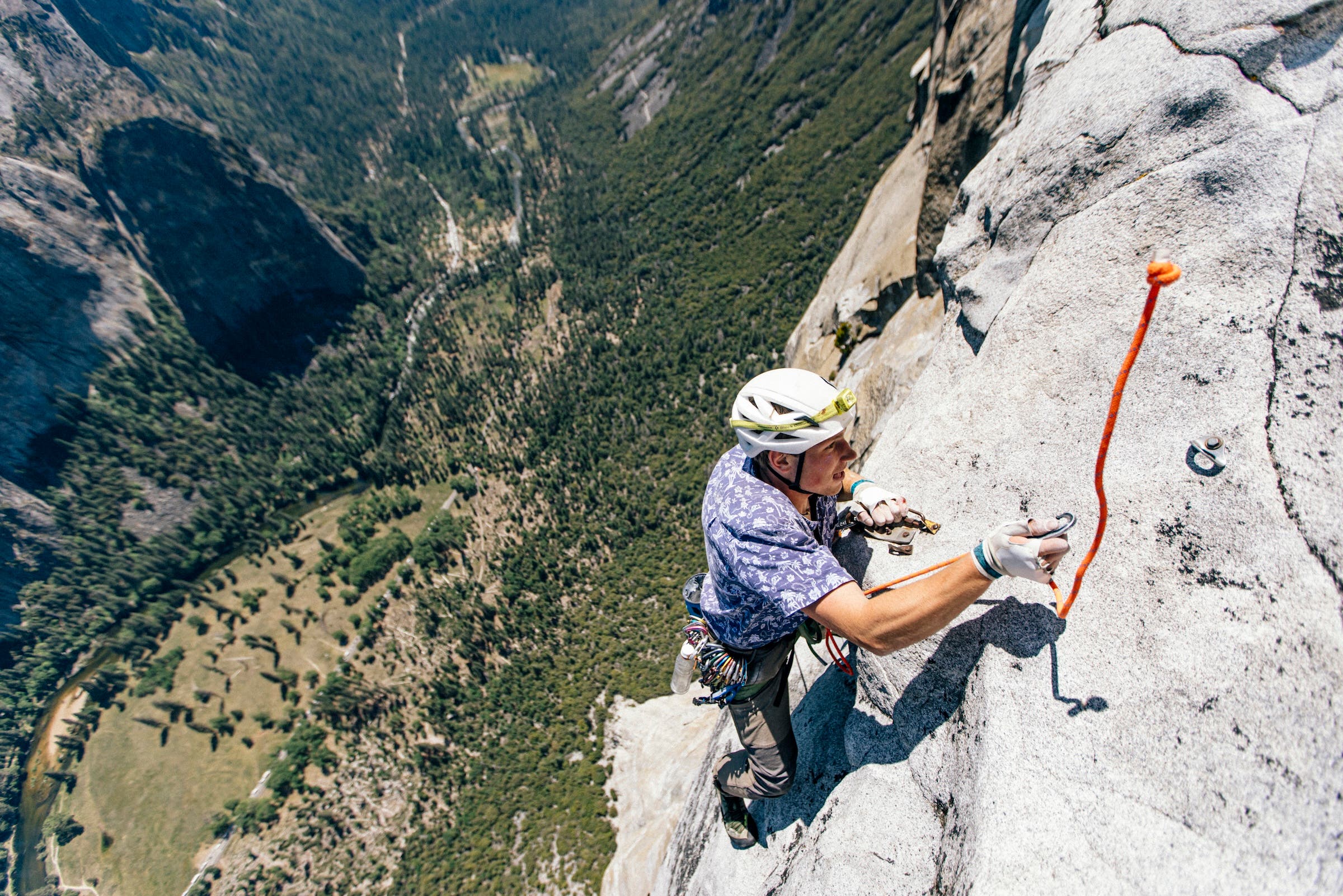
As for what lies ahead for the duo, the answer is refreshingly simple. After months of high-intensity preparation and the grueling demands of the Triple Crown, both climbers are ready to return to the basics. "Honestly? Free climbing," Deuto said. "I want to pull on holds. Nothing big. This was the spring goal. At least for now, I just want to go climbing."
The Triple Crown may be complete, but for Chris Deuto and Erik Andersen, the mountain remains the primary focus. Their journey proves that while records may fall, the essential, simple joy of moving over stone is the true, enduring goal of the climber’s life.