In the high-stakes world of inland spill response, time is the ultimate currency. When an oil or chemical spill breaches a fast-moving waterway, responders are locked in a race against the current. Every minute spent mobilizing heavy equipment is a minute the contaminant spreads further downstream, increasing the ecological footprint and the difficulty of remediation.
Whitewater Rescue Institute (WRI), a leader in specialized fastwater and inland spill response training, has long grappled with the physical and logistical limitations of traditional containment systems. Recently, the organization took a significant step toward modernizing these efforts by testing cutting-edge, lightweight boom technology developed by Harbo Technologies. This development promises to shift the paradigm of how we approach spill containment in challenging, high-energy environments.
The Logistical Burden: Why Traditional Methods Fall Short
For decades, the industry standard for spill containment has relied on heavy-duty, industrial-grade containment booms. While robust, these tools present significant tactical hurdles. A standard 100-foot length of heavy-duty boom is not only cumbersome to transport but requires a significant, physically fit crew to move across uneven, treacherous riverbanks.
“Fastwater boom deployment is notoriously labor-intensive and physically strenuous,” explains a lead responder at WRI. “Loading and unloading these massive booms from response trailers and hauling them over rocks, mud, and brush is often the most exhausting part of our operations.”
The challenge is compounded by the environment. Deploying a 100-foot boom in a river moving at several knots is not a simple task; it requires a delicate, high-risk orchestration of teamwork, anchored systems, and precise timing. The physical fatigue of the response team, combined with the complex hydrodynamics of the river, creates a scenario where the risk of failure—or injury—is perpetually present.
Chronology of a Field Trial: Testing New Frontiers
Last week, WRI conducted a rigorous, two-part field exercise on the Clark Fork River to evaluate the efficacy of newer, lighter technologies against traditional methods.
Phase One: High-Energy Collection
The first drill focused on "boom vane" collection in the upper reaches of the Clark Fork. This area is characterized by rapid, turbulent current, which places maximum stress on containment gear. The goal was to test how well traditional and emerging technologies could withstand the kinetic energy of the river while maintaining a tight seal against potential contaminants.
Phase Two: The Harbo Innovation
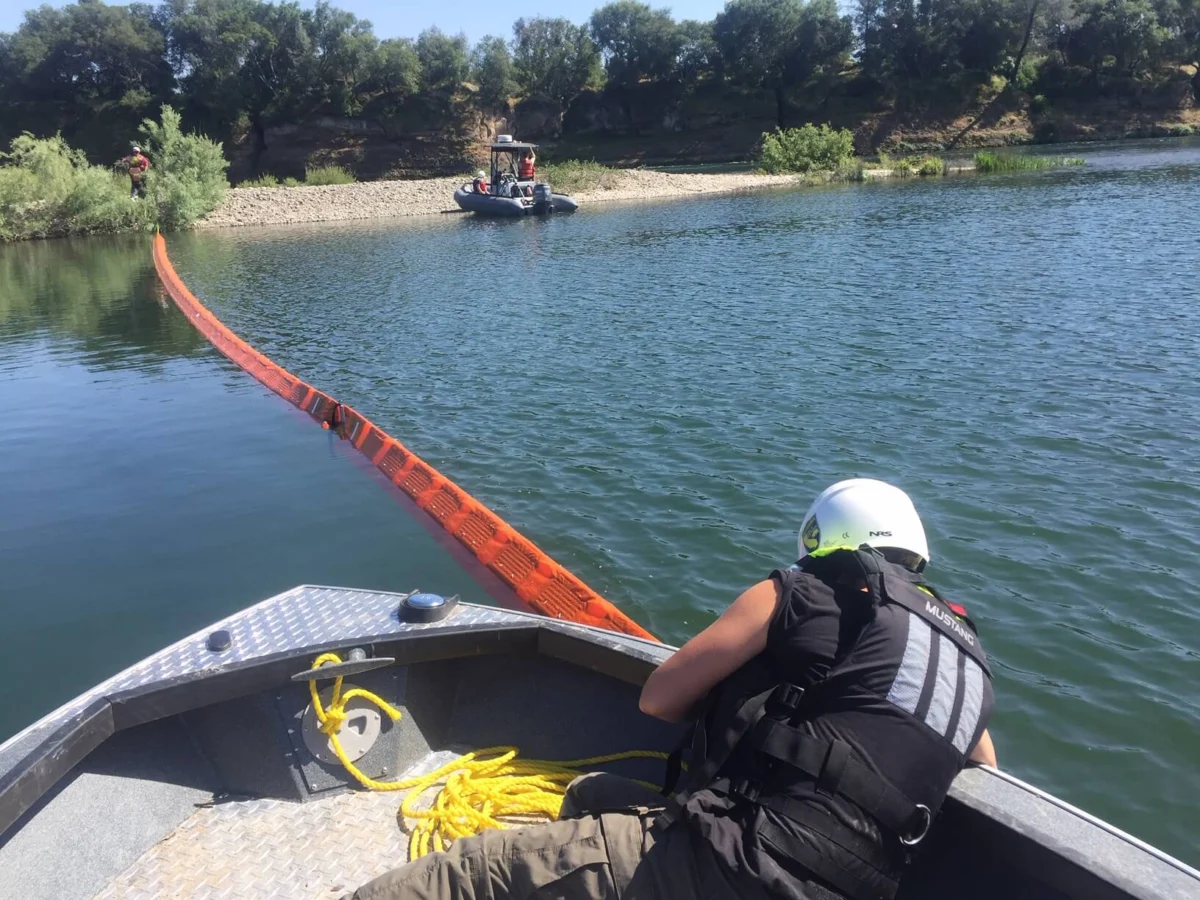
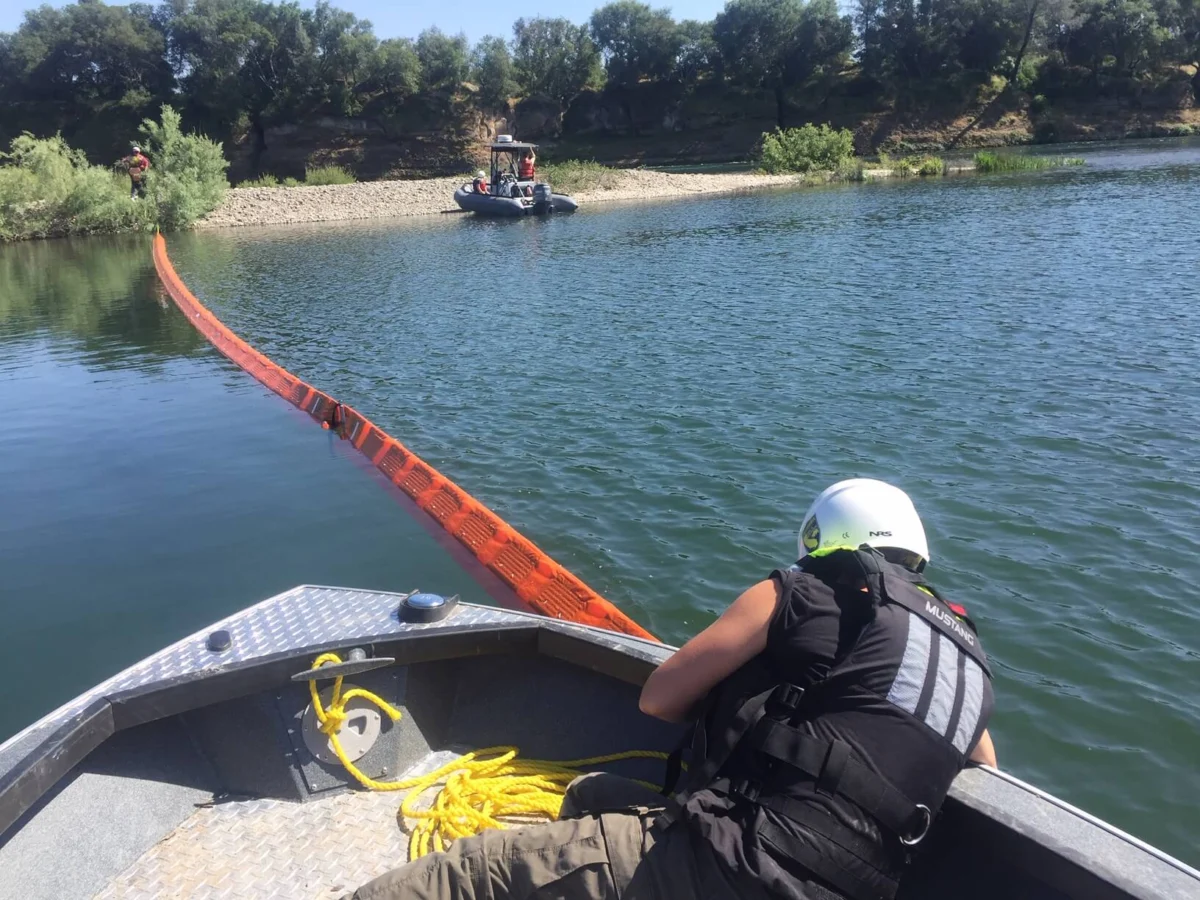
The second phase of the drill introduced the Harbo Technologies boom. The WRI team approached the new equipment with a healthy dose of professional skepticism. The boom’s lightweight design appeared almost too fragile for the rigors of a fast-flowing river. However, Harbo representatives were on-site to provide technical oversight, and the team moved forward with a full-scale deployment test.
The results, documented in WRI’s field footage, were starkly different from what the team anticipated. The equipment performed with a level of resilience that defied its compact, portable nature.
The Anatomy of the Harbo Boom
The Harbo system utilizes a design philosophy that prioritizes rapid deployment without sacrificing structural integrity. Key features include:
- Portability: Approximately 80 feet of boom is stored in a 20-inch by 36-inch dry box. This allows a single responder to transport a length of boom that would typically require two or three people to carry using traditional methods.
- Rapid Inflation: The boom deploys in a flat, compact state. Once immersed in water, a series of interior sponges trigger an automatic inflation process, expanding the material into a structured square configuration consisting of a float and a curtain.
- Hydrodynamic Stability: The structure is designed to allow water to flow through its internal cavities. This flow actually strengthens the boom under current and adds a layer of stability to the curtain, preventing the "entrainment" (the passage of fluid under the boom) that often plagues lighter materials.
- Modular Connectivity: Using universal single-pin plates, the booms can be linked together in seconds, drastically reducing the time required to establish a continuous barrier.
Supporting Data: Performance Under Pressure
In the comparative trial on the Clark Fork, the Harbo boom was used in three distinct configurations: shoreline protection, a Highline system, and a Boom Vane collection setup.
The performance metrics were overwhelmingly positive. Despite its significantly lower weight, the Harbo boom showed no signs of failure or entrainment. WRI staff, who have spent years working with standard 12-inch containment booms, noted that the Harbo system was just as effective as their traditional, heavier counterparts.
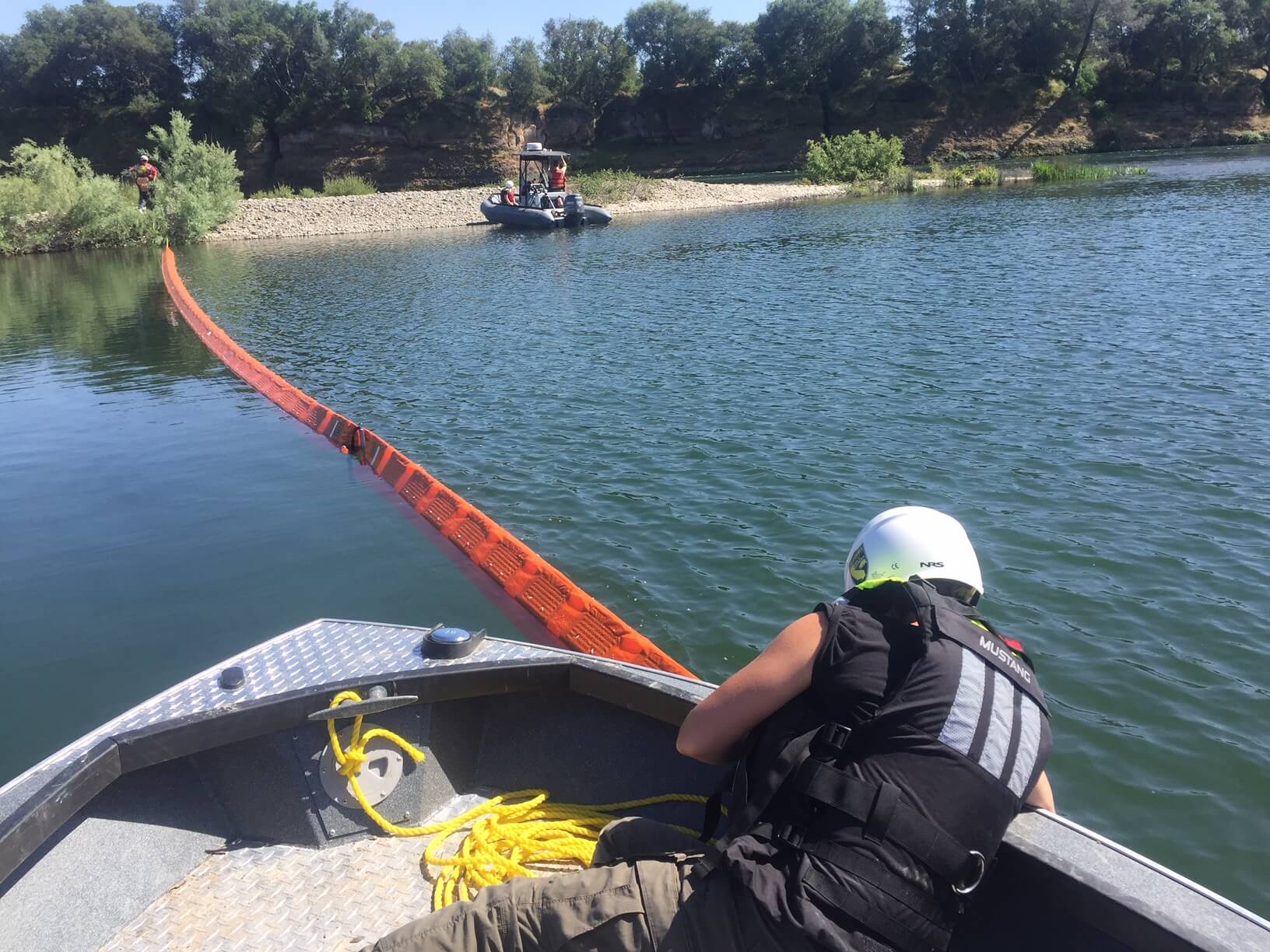
Table 1: Comparative Analysis of Deployment Factors
| Metric | Traditional Boom | Harbo Boom |
|---|---|---|
| Personnel Required | 3-4 People | 1 Person |
| Transport Ease | Low (Heavy/Bulky) | High (Compact Box) |
| Deployment Speed | Slow | Fast |
| Structural Support | Solid Foam/Air | Hydrodynamic (Water-filled) |
Professional Perspectives and Industry Implications
The implications for the broader spill response industry are significant. Facilities that handle hazardous materials—such as harbors, refineries, and rail yards—often operate on a "zero-tolerance" timeline for leaks.
"This product is a game-changer for staging," notes the WRI team. "Because it is so easy to store and deploy, a single individual at a rail yard could initiate containment long before a specialized, large-scale team could even arrive on the scene."
By reducing the number of personnel required to initiate a response, the industry can address smaller spills with far greater efficiency. This "first-responder advantage" minimizes the spread of oil, which in turn reduces the long-term environmental remediation costs and the duration of facility shutdowns.
Critical Challenges and Future Outlook
While the performance of the Harbo boom was impressive, the technology is currently in a transitional phase regarding its business model and operational longevity.
The "One-Time Use" Limitation
Currently, the Harbo boom is marketed as a single-use product. Once the internal sponges have been activated and dried, they do not retain the structural integrity required for subsequent deployments. For an organization like WRI, which conducts constant, intensive training drills, this makes the product a costly investment.
Shelf Life and Lifecycle Management
The manufacturer has stated that the product has a five-year shelf life. This is a critical factor for facilities that maintain "emergency-ready" caches of equipment. Agencies must incorporate this into their procurement cycles to ensure that their response readiness does not expire.
The Path Forward
In response to the feedback from the field, Harbo Technologies is reportedly developing a "training version" of the boom. This iteration will be designed for reusability, which will be a welcome development for educational institutions like WRI.
Conclusion: A New Era for Inland Response
The field trials conducted by the Whitewater Rescue Institute underscore a vital truth: the most effective tool in a disaster is the one that arrives first. By integrating lightweight, high-performance technology into their response kits, organizations can shift from a reactive stance to a proactive one.
The Harbo boom represents a shift toward "agile response." While it may not replace the heavy-duty booms required for massive, sustained ocean-going spills, its utility in inland, fastwater, and industrial environments is undeniable. As the technology matures—specifically with the introduction of reusable training models—it is poised to become a staple in the toolkit of environmental responders worldwide.
For WRI, the experiment was a success. By embracing innovation, they have not only improved their own operational speed but have also set a new standard for how the industry prepares for the unpredictable nature of fastwater emergencies. The future of spill response is lighter, faster, and more effective than ever before.