Introduction: The Foothills Wilderness
It was not yet 6:00 AM, yet the crisp, thin air of the Alberta foothills had already stirred me from a fitful sleep. My campsite—a rugged, pebble-strewn gravel bar along the Blackstone River—offered little in the way of creature comforts. At 30 degrees Fahrenheit, the cold had seeped through the nylon floor of my tent, leaving me shivering and eventually rolling off my sleeping pad onto a jagged rock. Despite the discomfort, the anticipation of the day ahead made sleep impossible.
We had arrived under the shroud of darkness at 10:00 PM the previous night, fumbling with tent poles and gear in the beam of headlamps. Now, as the sun began to crest over the front ranges of the Canadian Rockies, the Blackstone lay before us, glowing in the early morning light. My brother, a notoriously late riser, was still tucked deep into his sleeping bag, but I had no intention of waiting. I began my morning routine with deliberate, cacophonous intent, ensuring that the sound of coffee preparation and gear organization echoed through the valley. It worked; within minutes, the tent unzipped, and we were ready to hit the river.
The Geography of a Trout Sanctuary
The Blackstone River is a gem of the Alberta interior. Originating in the high-altitude majesty of the Canadian Rockies, it carves a path through the foothills northwest of Nordegg, Alberta, before eventually feeding into the Brazeau River. By the metrics of professional angling, it is not a "big" river; it averages approximately 20 meters in width, characterized by a moderate current and pristine, clear water.
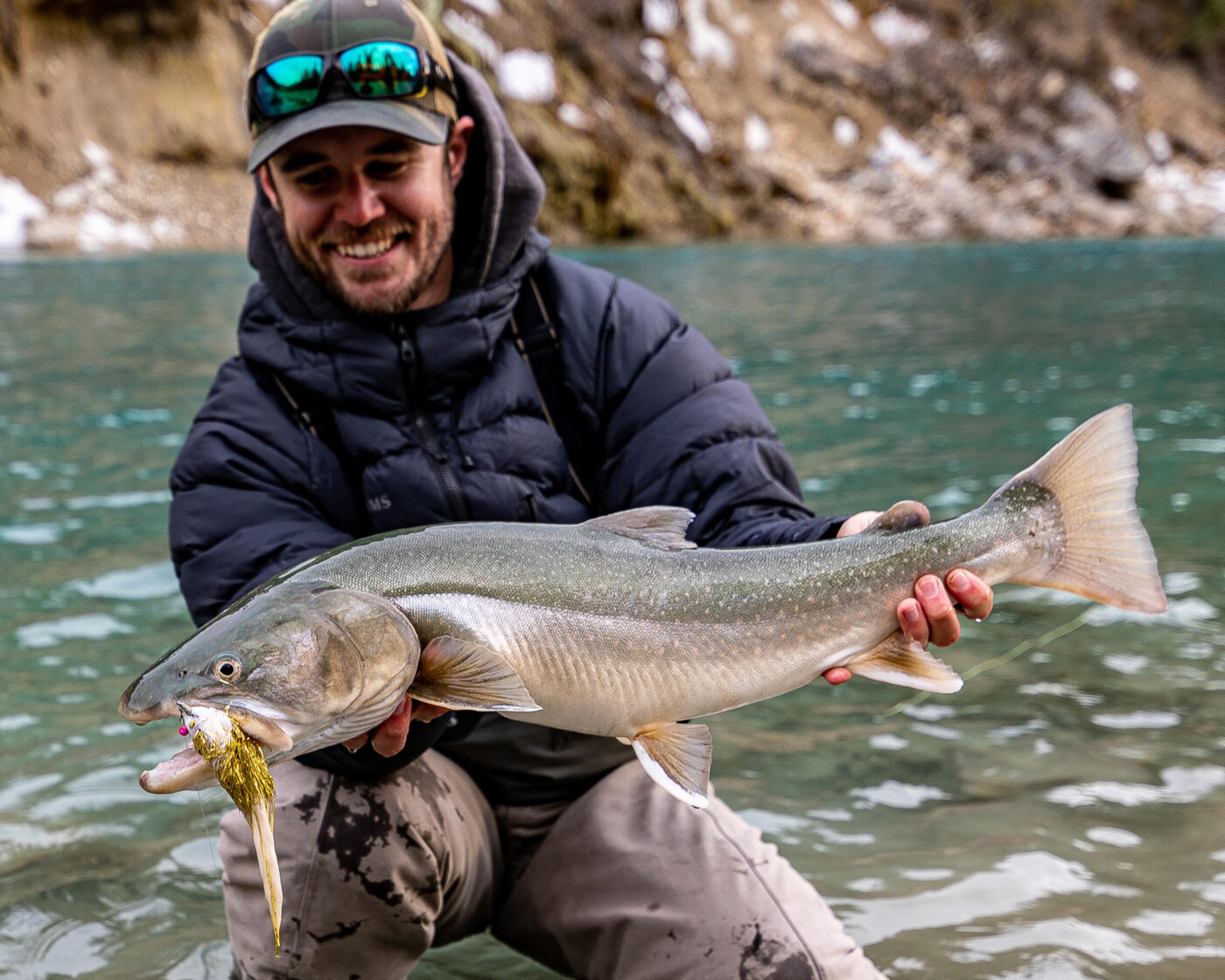
For the fly fisherman, however, the Blackstone represents a quintessential foothill trout stream. Its aesthetic beauty is rivaled only by its ecological significance. According to the legendary—if somewhat dated—guidebook by Barry Mitchell, the Blackstone holds a rare distinction: it is one of only two rivers in Alberta where Bull Trout are known to rise consistently to a dry fly. While local lore often varies, my experience on the water suggests that Mitchell’s claim holds weight. To see a Bull Trout, an apex predator of these waters, shatter the surface for a dry fly is an experience that transcends mere sport; it is a primal connection to one of the province’s most elusive species.
Gear, Tactics, and Minimalist Philosophy
In the world of fly fishing, there is a persistent temptation to over-equip. I have spent years lugging around massive, heavy kits, only to find that the extra weight did nothing to improve my catch rate. For this expedition, I adopted a minimalist approach.
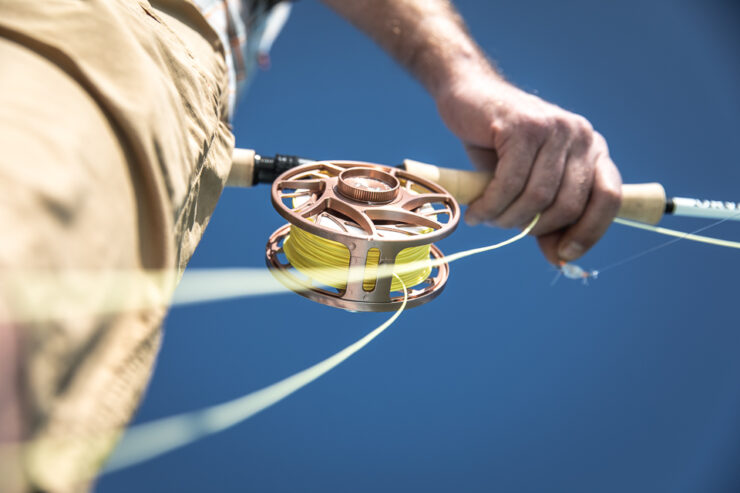
My primary setup was a nine-foot, five-weight Echo Carbon XL paired with a Redington Crosswater reel. It is not high-end, boutique tackle, but it is reliable, balanced, and perfectly suited for the demands of a mid-sized river. My brother utilized an emergency backup rig: a five-weight rod from Cabela’s paired with a vintage Okuma reel. While humble in origin, the setup performed admirably under the conditions.
Our fly selection was equally curated. We focused on three categories:
- Standard Dries: Patterns designed to mimic the natural hatch of the Alberta foothills, essential for the cutthroat that populate the upper reaches of the pools.
- Bead-head Nymphs: Utilized for targeting fish holding in deeper, cooler pockets where surface activity was nonexistent.
- Big Terrestrials: Our "secret weapon" for targeting the aggressive Bull Trout. These large, buoyant patterns allow for a high-profile presentation that can provoke a strike from a predatory fish looking for a substantial meal.
Chronology of the Hunt
We began our descent downstream from the campsite, wading through the cold, mountain-fed currents for over an hour without a single strike. The frustration began to mount, but as we navigated a sharp bend in the river, we discovered a pool that seemed to defy logic—it was deep, oxygenated, and remarkably "fishy."
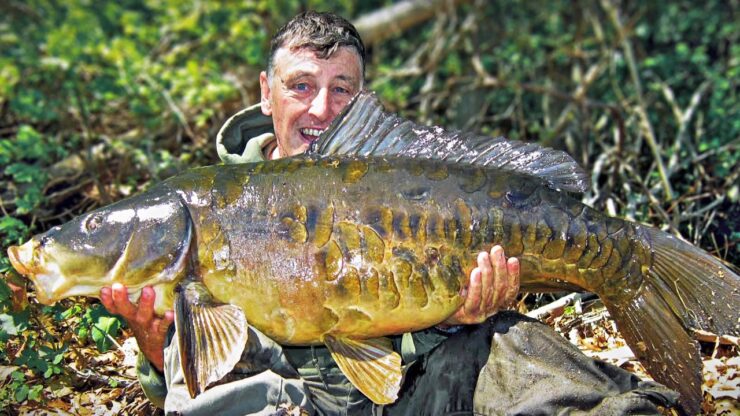
Standing at the bank, I observed a series of rises. The fish were active, feeding at the surface. I turned to my brother: "They’re feeding at the surface. I can’t see what they’re eating from here, but we’re going to cycle through patterns until we get it right."
We opened with a Red Humpy and a Stimulator—the classic prospector patterns for this region. When those failed to elicit a response, I swapped my brother’s fly for a Pale Morning Dun. Before I could even select a new pattern for myself, a shout of "Got one!" echoed across the pool. I scrambled into the shallows, realizing only then that we had made a rookie mistake: we had left our net back at the camp. We managed to land a beautiful, 20-inch Cutthroat trout through sheer persistence and careful handling, releasing it back into the wild waters without the need for a measurement.
With the head of the pool occupied, I moved to the tail. As the morning sun began to warm the air, I decided to test the "dry fly" hypothesis for Bull Trout. I tied on a "Fat Albert," a large, foam-bodied terrestrial. The logic was simple: mimic the aggressive, predatory nature of the Bull Trout by offering something that looked like a significant caloric investment.
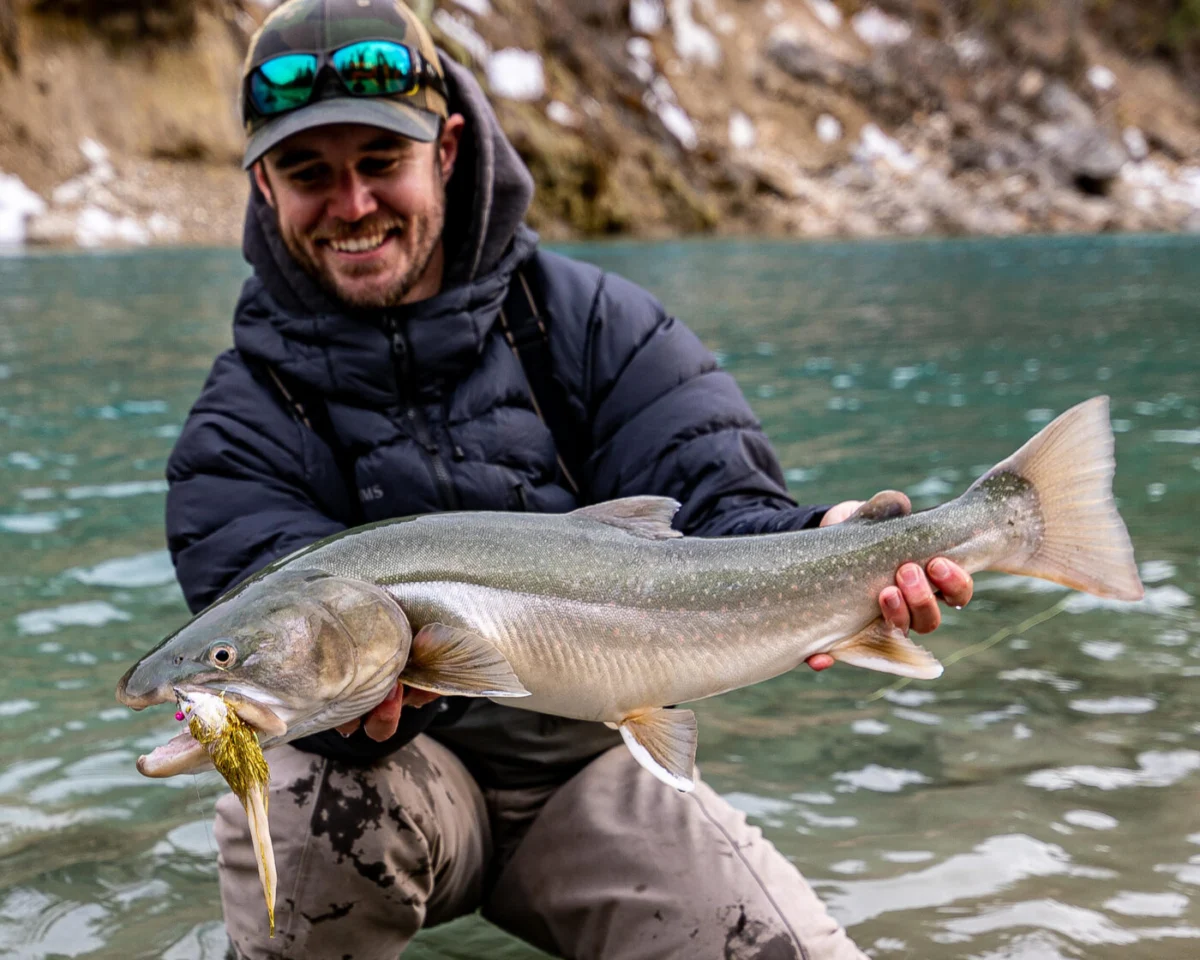
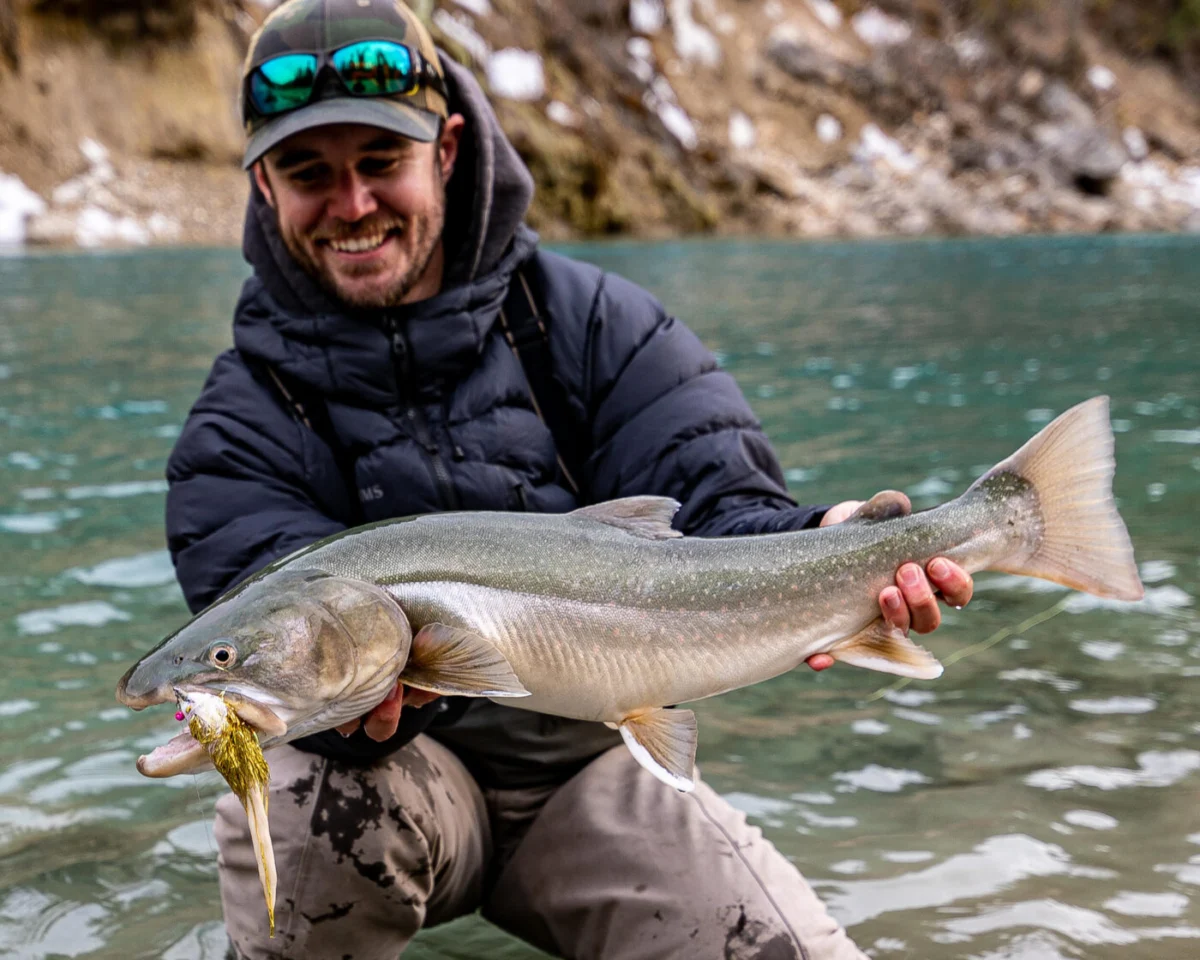
I cast the fly into the center of the pool and let it drift. Just as I prepared to swing the fly back upstream, the water exploded. It was one of the most aggressive takes I have ever witnessed. A short, intense fight followed, and soon, a solid, healthy Bull Trout was circling my ankles. Without a net, we relied on a waterproof camera to capture the moment, proving that the rumors regarding the Blackstone’s predatory inhabitants were entirely true.
Implications for Conservation and Tourism
The Blackstone River serves as a vital reminder of the delicate balance required to maintain healthy fish populations. Bull Trout (Salvelinus confluentus) are listed as a threatened species in many parts of their range due to habitat degradation and overfishing. The fact that this river supports a population willing to rise to dry flies suggests a high level of ecological integrity, but it also underscores the need for strict adherence to catch-and-release protocols.
For the province of Alberta, waters like the Blackstone represent an untapped potential for sustainable eco-tourism. However, with this popularity comes the responsibility of stewardship. The lack of infrastructure—such as the absence of marked trails or formal access points—acts as a natural filter, keeping the river relatively secluded.
Expert Perspective
Adelaide Gentry, a seasoned expert in the kayaking and angling community, notes that the success of such trips relies heavily on the "minimalist" mindset. "The modern angler often focuses on the cost of the gear rather than the nuance of the presentation," Gentry notes. "When you are in the foothills, the fish are sensitive to the environment. Whether you are in a kayak or wading, your ability to read the water—and your willingness to adapt your fly selection on the fly—is what separates a successful day from a wasted one."
Conclusion
Our trip to the Blackstone River was a masterclass in the rewards of persistence. We learned that while the gear is secondary, the preparation is paramount. We learned that even in an age of high-tech fishing equipment, the oldest lessons—like bringing your net—remain the most important.
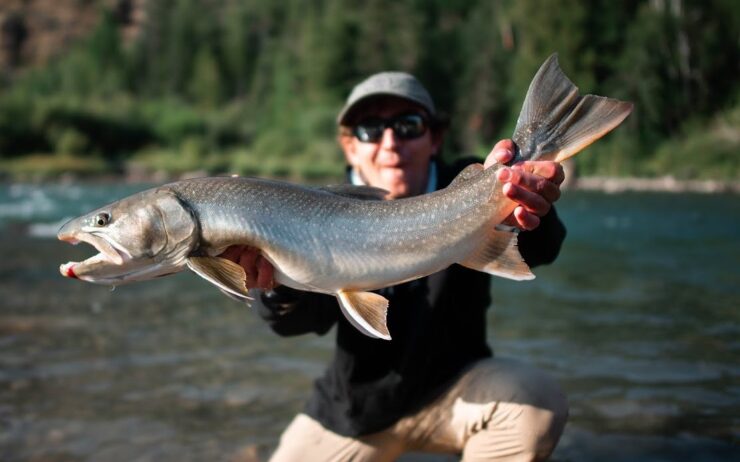
As we packed our gear, the river continued its steady, ancient flow toward the Brazeau. The Bull Trout we caught and released remains there, a testament to a wilder, more aggressive side of nature that we are privileged to witness. For those who seek the thrill of the strike, the Blackstone is waiting—just remember to bring your net, and perhaps, leave the alarm clock at home.