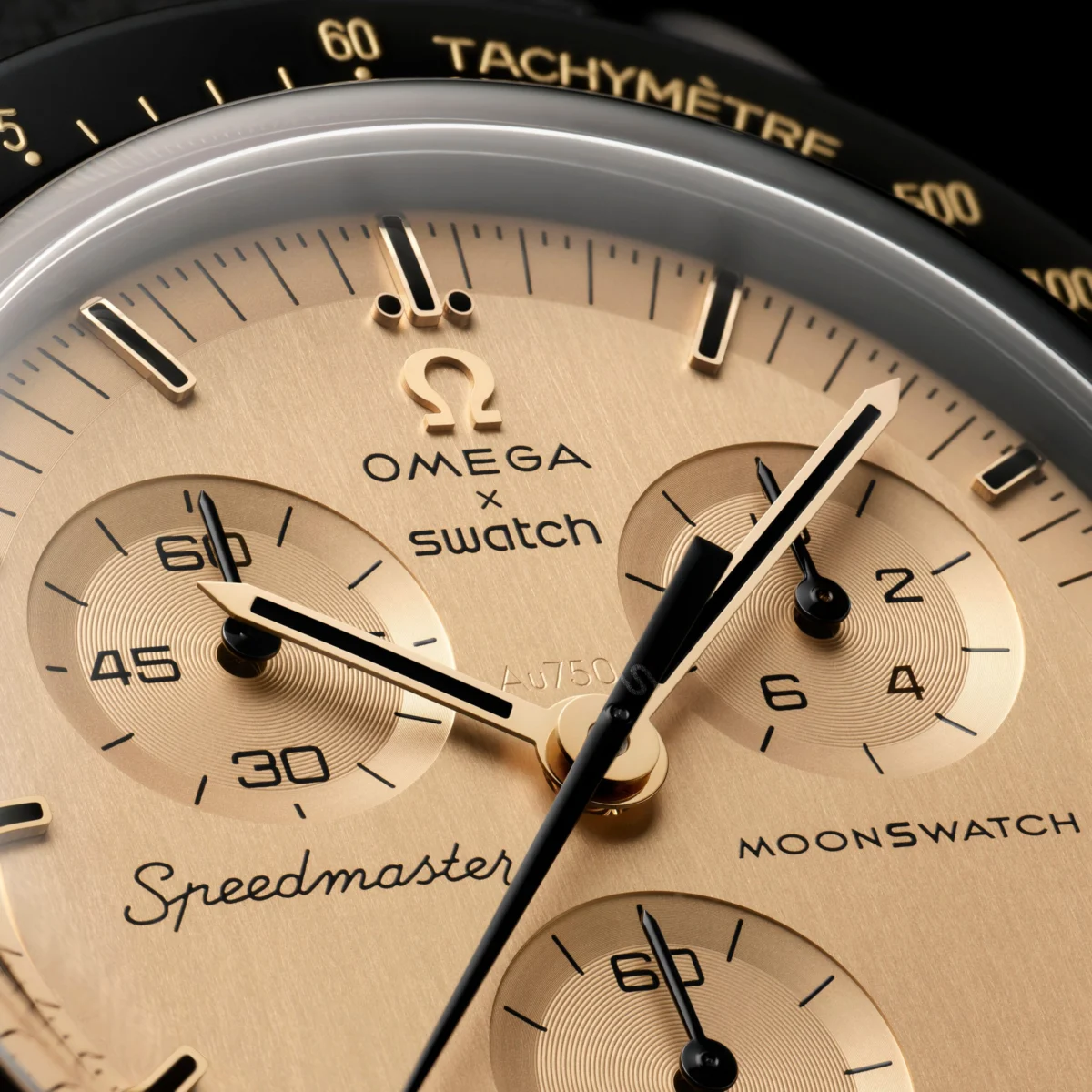
In the landscape of modern horology, few collaborations have rewritten the rules of engagement quite like the partnership between Omega and Swatch. Since the explosive debut of the bioceramic MoonSwatch four years ago, the industry has watched the two brands transform the high-concept world of luxury watchmaking into a global cultural phenomenon. Today, the saga enters a new, gilded chapter with the announcement of the "Mission to the Moon 1969," a limited-edition timepiece that pushes the boundaries of the collaboration’s material identity by utilizing Omega’s proprietary 18K Moonshine Gold.
The Main Event: A Golden Tribute to Apollo 11
The Mission to the Moon 1969 is not merely a cosmetic update to the existing collection; it is a profound nod to the legacy of the Apollo 11 mission. Unlike previous iterations of the MoonSwatch that featured only subtle applications of precious metal, this release is unapologetically extravagant. The watch features a dial, hands, crown, and pushers—all forged from 18K Moonshine Gold. In total, the timepiece incorporates 11 grams of this proprietary alloy, creating a visual weight and a physical presence that separates it from its bioceramic predecessors.
The design language remains faithful to the classic Speedmaster silhouette, but the infusion of gold elevates the piece from an accessible novelty to a collector’s artifact. Paired with a sophisticated black-and-gold rubber strap, the watch balances the rugged utility of a space-faring instrument with the refined elegance of a heritage brand. Limited to exactly 1,969 numbered pieces, the watch serves as a direct homage to the year mankind first set foot on the lunar surface.
Chronology: From Lunar Dust to 18K Gold
To understand the gravity of this release, one must look back at the historical provenance of the materials involved. Swatch has confirmed that the gold used in the production of these 1,969 units originates from original Omega spare parts dating back to circa 1969. By melting down these archival components in the company’s own foundry, Swatch has effectively bridged the gap between the historic Apollo 11 era and the contemporary watch market.
The pricing strategy for the Mission to the Moon 1969 is as unconventional as the watch itself. Rather than bowing to modern gold market valuations, Swatch opted for a nostalgic pricing model. On July 21, 1969, the raw material cost for the 11 grams of gold contained within the watch was approximately $11. Consequently, Swatch has set the retail price at roughly $620, a figure that reflects the historical cost of the metal while maintaining the brand’s commitment to "accessible" luxury.

Supporting Data: The Mechanics of the "ESTA" System
Learning from the logistical failures of previous launches—specifically the chaotic scenes that defined the May rollout of the Audemars Piguet x Swatch Royal Pop—the brand has fundamentally altered its distribution strategy. Recognizing that physical retail queues have become a liability, Swatch is moving the purchase process entirely online.
However, access is far from guaranteed. To secure a piece, prospective buyers must complete what the brand calls an "ESTA"—an Electronic Swatch Timepiece Application. This digital barrier to entry consists of 32 rigorous questions, modeled after the travel authorization forms required for entry into the United States.
The application is not merely a formality; it is a digital vetting process designed to filter out casual browsers and scalpers. Swatch has confirmed that only 1,969 applicants will be granted approval. Upon receiving this "visa," the successful candidates are authorized to purchase their watch online and collect it from a designated Swatch boutique. The deadline for these applications is July 21, at 5:59 pm Eastern Time. Despite the structure, the company has remained coy about the specific selection criteria, leaving the community to speculate whether the process is a lottery or a merit-based selection.
Official Perspectives and Industry Implications
The pivot toward a digital, application-based model signals a significant shift in how Swatch views its role in the luxury sector. For years, the brand relied on the "scarcity through physical queue" model, which generated immense press but also led to public safety concerns and a perception of disorder. By adopting the ESTA system, Swatch is attempting to professionalize the "hype" culture that has surrounded the MoonSwatch since 2022.
Industry analysts suggest this move is a direct response to the criticism leveled at the company following the Audemars Piguet collaboration. Critics argued that the lack of a structured reservation system for high-demand, limited-run watches was a failure of corporate responsibility. By implementing a 32-question screening process, Swatch is not only managing demand but also elevating the perceived value of the purchase experience. The "ESTA" is a clever marketing tool—it frames the act of buying a watch as an event, a journey, and a privilege, rather than a standard commercial transaction.

The Broader Impact on the Luxury Market
The decision to use recycled 1969-era gold is a masterclass in brand storytelling. It provides a tangible connection to the Apollo 11 mission that marketing copy alone cannot achieve. It transforms the MoonSwatch from a mass-produced consumer item into an heirloom piece, albeit one that retains the playful spirit of the Swatch brand.
Furthermore, this release highlights a growing trend in the luxury watch world: the "Gamification of Consumption." By forcing users to jump through hoops—32 questions, digital applications, and limited windows—the brand creates an emotional investment long before the money changes hands. This psychological engagement ensures that the 1,969 buyers will feel a stronger sense of ownership and connection to the product than they would through a simple "Add to Cart" button.
However, this strategy carries inherent risks. While it may mitigate the chaos of physical lines, it places an enormous burden on the digital infrastructure. If the application portal crashes or if the selection process appears opaque, the backlash could be just as severe as any physical store incident. The industry will be watching closely to see if the "ESTA" model becomes the new standard for luxury drops.
Looking Toward the Future
As the clock ticks toward the July 21 deadline, the watch community remains divided between those who view the ESTA process as a fair gatekeeping mechanism and those who see it as an unnecessary hurdle for a product that should, in theory, be more accessible. Regardless of the outcome, the Mission to the Moon 1969 is poised to become one of the most significant pieces in the MoonSwatch history.
It is a curious duality: the watch is a celebration of a historic, scientific achievement—the landing on the moon—yet it is wrapped in the modern, frantic energy of internet-age consumerism. Whether the 11 grams of 1969 gold will hold its value in the secondary market or remain a "holy grail" for collectors is yet to be seen. What is certain, however, is that Omega and Swatch have once again successfully captured the world’s attention, proving that even in the digital age, a little bit of gold and a touch of mystery go a long way.

For those attempting the application, the wait will be tense. The ESTA is not just an application; it is a test of devotion. As the brand continues to bridge the gap between high-end horology and fast-fashion retail, the MoonSwatch Mission to the Moon 1969 stands as a testament to the fact that, in the watch world, the journey to the moon is just as important as the destination.
Key Takeaways for Collectors:
- Materiality: Features 11 grams of 18K Moonshine Gold melted from original 1969 Omega spare parts.
- Exclusivity: Strictly limited to 1,969 numbered pieces globally.
- The "ESTA" Barrier: Prospective owners must complete a 32-question application form by July 21, 5:59 pm ET.
- Strategic Shift: The move to an online-only application system marks a major departure from previous in-store launch strategies.
- Historical Context: Priced at $620 to honor the historical cost of gold during the 1969 moon landing.
As the industry looks forward, the success of this launch will likely dictate the future of "limited" drops across the wider luxury goods market. For now, the world waits for the notification that will grant 1,969 people the right to own a piece of history.