The landscape of competitive fitness is undergoing a seismic shift. Over the past few years, HYROX has successfully transitioned from a niche challenge into a bona fide global phenomenon, effectively creating a new sport category: fitness racing. As the organization looks ahead to the 2026/27 season, the newly unveiled 2027 calendar serves as a definitive statement of intent, signaling that the sport’s meteoric rise is far from peaking.
With projections anticipating over two million athletes to step onto the start line in the coming season—a significant leap from the 1.5 million who competed during the 2025/26 cycle—HYROX is scaling its operations to match an unprecedented appetite for high-intensity endurance. The series will span an ambitious 107 race weekends across six continents, with select global hubs shifting to "long-form residencies" that last up to 10 days to accommodate the overwhelming demand for spots.
A Chronology of Growth: From Boutique Challenge to Global Stage
HYROX’s trajectory has been defined by a rapid, strategic expansion. Initially launched to provide a standardized, measurable race for fitness enthusiasts of all levels, the brand has managed to bridge the gap between amateur gym-goers and elite hybrid athletes.
The 2027 calendar is the largest in the sport’s history. The season will commence with an aggressive global rollout, featuring major events in established powerhouses like the United Kingdom, Germany, and the United States, while simultaneously pushing into new, untapped markets. The addition of cities such as San Diego; Portland; Bari, Italy; and Nagoya, Japan, reflects a deliberate effort to decentralize the sport, bringing the race experience closer to local communities rather than forcing athletes to travel vast distances for a single competition.
The crown jewel of this massive expansion remains the World Championships, slated for June 2027 in Hong Kong. By positioning the championship in mid-year, HYROX is providing a clear focal point for the global elite, allowing them to structure their entire training year around a specific peak performance window.
Supporting Data: By the Numbers
The scale of the 2026/27 season is best illustrated through the sheer volume of logistical and human movement involved. According to official figures released by the organization, the growth metrics are as follows:
- Projected Athlete Participation: 2,000,000+ (Up from 1.5M in 2025/26).
- Global Footprint: 107 total race weekends.
- Geographic Reach: Presence across six continents.
- Event Duration: Expansion into 10-day residency formats in high-traffic cities.
- New Strategic Markets: San Diego, Portland, Bari, and Nagoya.
These figures represent more than just attendance; they represent a fundamental change in the "weekend warrior" demographic. Athletes are no longer viewing HYROX as a one-off challenge; they are treating it as a lifestyle, participating in multiple events, and seeking consistent performance metrics across different climates and venues.
Official Perspectives: The Strategy Behind the Scale
The leadership at HYROX has framed this expansion as a direct response to the community’s evolution. "Our goal has always been to make the sport accessible while maintaining the integrity of the race," a spokesperson noted during the announcement. "The move toward 10-day residencies in major cities isn’t just about capacity—it’s about creating a cultural hub. We want the race to be a destination, a moment where the local fitness community can converge, train, and celebrate."
This strategy of "community-first" racing is supported by the introduction of regional ticketing tiers. By staggering ticket releases by region starting in late July, HYROX aims to ensure that local athletes have a fair chance at securing entry before global travelers flood the registration portals.
The Implications for the Modern Athlete
The expansion creates a unique set of challenges and opportunities for the average competitor. With more events, the temptation to "race every weekend" is high, but the physiological demands of the HYROX format—which blends eight 1km runs with eight functional stations—make recovery a critical component of the calendar.
Tactical Periodization
For the athlete, 2027 offers the luxury of time. With the season spread across several months, competitors can now utilize a "priority race" model. By selecting one or two "A-list" events as their primary performance markers, athletes can use smaller, local races as "B-list" training sessions. This allows for testing gear, refining pacing strategies, and practicing transitions under the unique stress of a competition environment without the pressure of a peak performance.
The Rise of the "Hybrid" Training Methodology
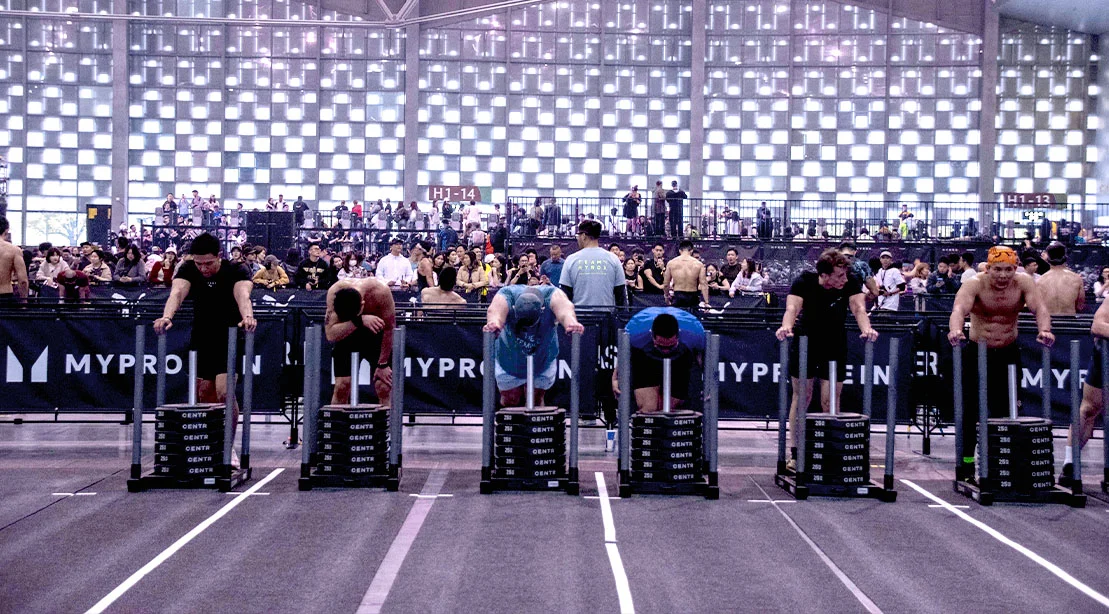
The 2027 season will likely cement the "hybrid athlete" training philosophy in the mainstream. The demands of the sport are binary: one must be both a capable distance runner and a competent strength athlete. This has led to a surge in training programs that emphasize "compromised running"—the ability to maintain a steady running pace immediately after heavy sled pushes, wall balls, or burpees.
How to Prepare: A Masterclass in Endurance
For those looking to compete in 2027, the long lead time is a strategic advantage. Preparation should be viewed as a three-phase evolution.
Phase 1: Building the Aerobic Engine
The first six months of a training cycle should be dedicated to aerobic base building. Because the race involves 8 kilometers of running, cardiovascular efficiency is the most significant determinant of finishing times. Athletes should focus on:
- Zone 2 Training: Long, steady-state sessions that improve mitochondrial efficiency.
- Running Durability: Gradually increasing weekly mileage to prevent the overuse injuries common in high-impact sports.
- Strength Foundations: Focusing on compound movements like deadlifts, squats, and overhead presses to build the musculoskeletal resilience needed to survive the later stages of the race.
Phase 2: Introducing Specificity
As you move within three to four months of your race date, training must shift toward the "compromised" model. This is where you practice the transition from strength to run.
- The "Run-Station-Run" Protocol: Performing a heavy movement (like a sled push) followed immediately by a 400m to 800m run at your target race pace.
- Efficiency Drills: Practicing the "stations" to minimize energy leakage. Every second wasted in a transition or due to poor form on a burpee is a second that costs you dearly in the final two kilometers.
Phase 3: The Taper and Psychological Readiness
In the final weeks, the focus shifts to recovery and mental rehearsal.
- Volume Reduction: Maintaining intensity but cutting overall volume to ensure the body is fully recovered and ready for peak exertion.
- Pacing Rehearsals: Using the final weeks to lock in your strategy. Knowing your "red line"—the point at which you can no longer sustain a pace—is the difference between a PR and a "survival" finish.
Navigating the Season: Preventing Burnout
The biggest risk for athletes in 2027 will be overtraining. The temptation to stack multiple races is high, but the cumulative impact on the nervous system is significant.
The Art of the Recovery Week
Post-race recovery should be non-negotiable. The first 72 hours after a competition should prioritize anti-inflammatory movement, such as walking or swimming, and adequate nutritional replenishment. Many athletes make the mistake of jumping back into high-intensity training too quickly, leading to "stagnant fitness," where performance plateaus despite hard work.
Monitoring Readiness
Athletes should use objective markers to determine when to return to hard training. Metrics such as Resting Heart Rate (RHR) and Heart Rate Variability (HRV) provide a window into the nervous system. If these metrics remain suppressed, it is a clear indicator that the body is still processing the systemic fatigue of the previous race.
Looking Ahead: The Future of the Sport
The 2027 HYROX calendar is more than just a schedule of events; it is a blueprint for the future of professionalized amateur sport. By providing a structured, global, and highly competitive environment, HYROX is effectively creating an ecosystem where fitness is the primary language.
As the sport continues to grow, we can expect to see increased investment in athletic technology, specialized coaching certification, and perhaps even a shift in how these events are broadcast. For the two million athletes planning to participate, 2027 will be a year of testing limits, breaking personal records, and contributing to a movement that has redefined what it means to be a "fit" individual in the modern era.
Whether you are an elite athlete aiming for the podium in Hong Kong or a first-time racer looking to challenge your own boundaries, the upcoming season offers a unique opportunity. The race is set, the cities are prepared, and the training starts now. The question is no longer whether you can finish, but how much you are willing to evolve to ensure you cross that finish line faster than ever before.