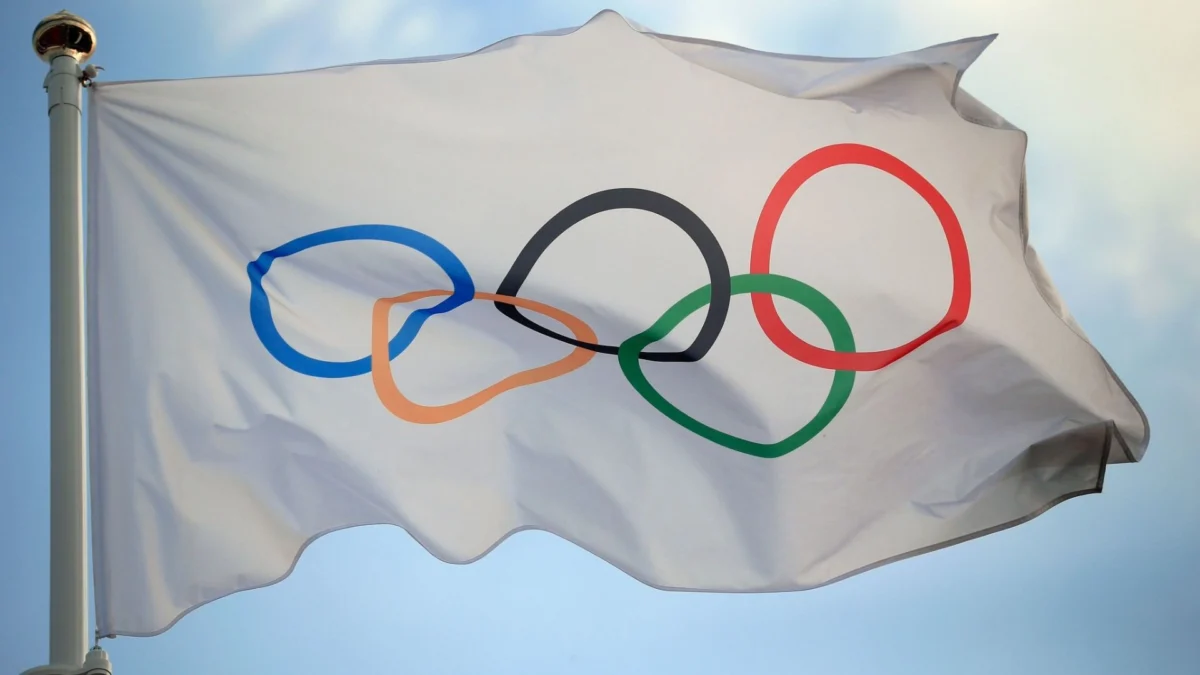
In a seismic shift for winter sports, the International Olympic Committee (IOC) has officially finalized the sports program for the 2030 French Alps Winter Olympic Games. The most significant—and controversial—development is the permanent removal of Nordic Combined from the Olympic schedule. Meanwhile, the IOC has signaled a move toward modernization, ushering in new disciplines, including the debut of "Synchro 9" figure skating.
The decision, confirmed by the IOC Executive Board, marks the end of a centennial journey for Nordic Combined, a sport that has been a cornerstone of the Winter Olympics since the inaugural Games in Chamonix in 1924.
The Main Facts: A Historic Departure
For over 100 years, Nordic Combined—a demanding test of both explosive ski jumping and endurance cross-country skiing—has been synonymous with the Winter Olympic spirit. Its removal from the 2030 program is a profound departure from tradition. The sport, which requires athletes to master two vastly different physical disciplines, has long been regarded as one of the most prestigious and challenging events in the Olympic movement.
Simultaneously, the 2030 program will feature the introduction of "Synchro 9," a team-based figure skating discipline featuring nine skaters. This addition, alongside the inclusion of competitive freeride skiing and snowboarding, reflects the IOC’s push to revitalize the Games under the "Fit for the Future" strategy spearheaded by IOC President Kirsty Coventry.
A Century of Tradition: The Chronology of Nordic Combined
To understand the gravity of the IOC’s decision, one must look at the historical weight of Nordic Combined.
- 1924 (Chamonix): Nordic Combined makes its debut at the first-ever Winter Olympic Games. It is immediately recognized as the ultimate test of an athlete’s versatility.
- The 20th Century: Throughout the decades, the sport evolved from traditional endurance-heavy formats to the modern, high-intensity competition seen today. It became a bedrock event for Nordic nations, particularly Norway, Finland, and Austria.
- The Gender Equality Struggle: In recent years, the push for women’s Nordic Combined gained significant momentum. Advocates worked tirelessly to achieve gender parity, hoping to see women compete on the Olympic stage.
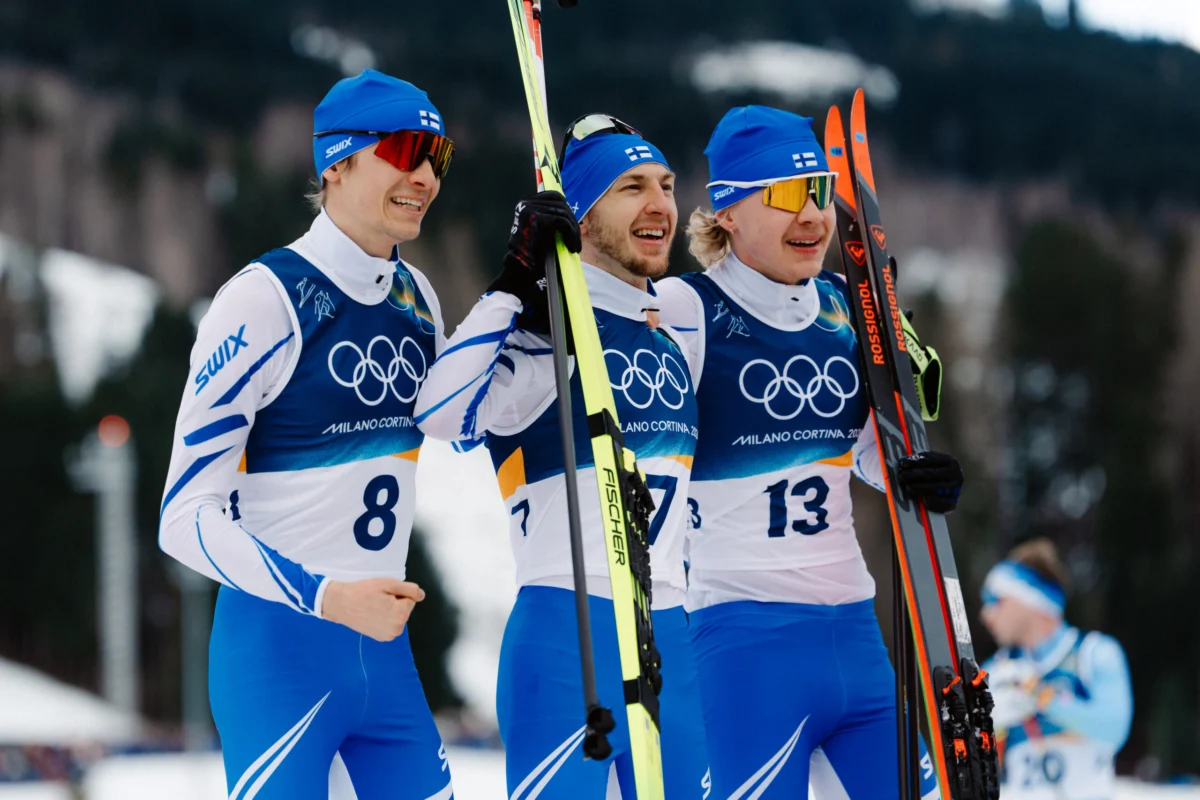
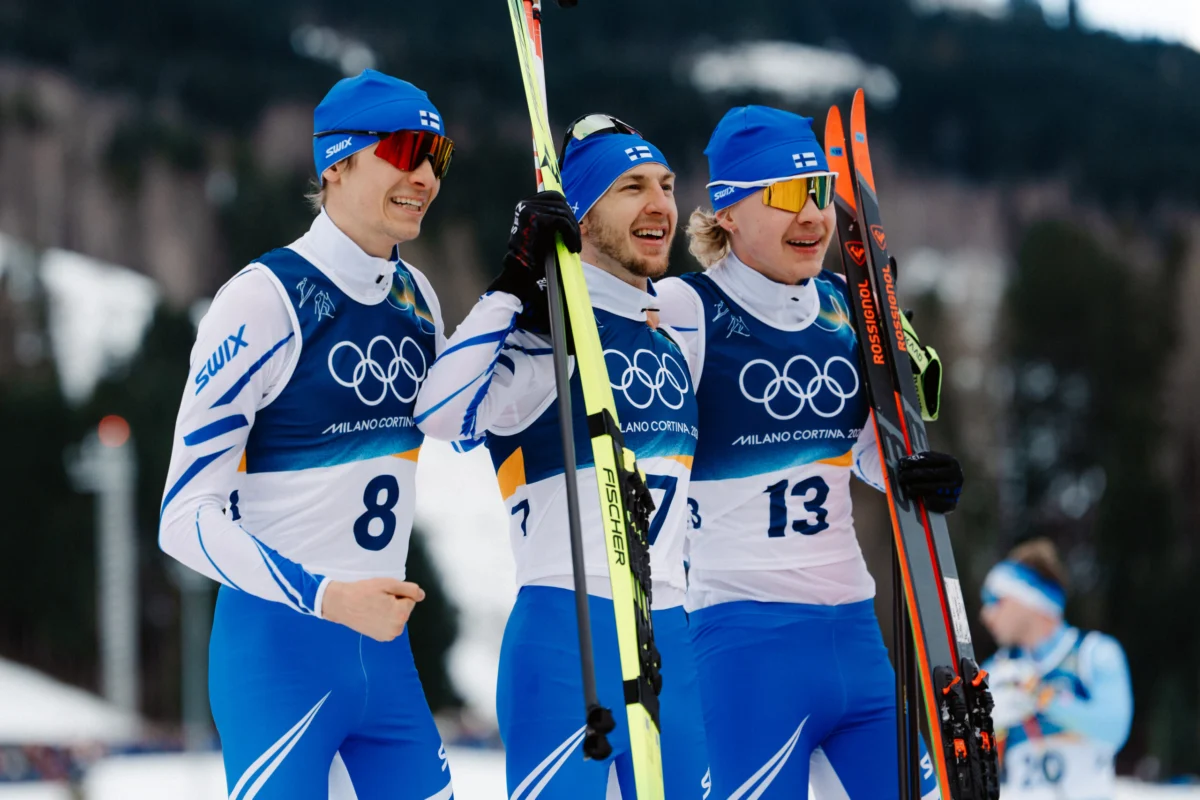
- 2026 (Milano-Cortina): As the sport prepares for the 2026 Games, the looming shadow of the 2030 decision looms large. The athletes, including Finnish stars Ilkka Herola, Eero Hirvonen, and Wille Karhumaa, continue to train, unaware that the 2030 path would be closed to them.
- 2030 (French Alps): The sport is officially excluded, effectively ending the Olympic aspirations of both current male competitors and the rising generation of female athletes who had been eyeing a 2030 debut.
Official Responses: A Clash of Perspectives
The announcement has sent shockwaves through the global sports community. In Finland, where Nordic Combined is a national treasure with deep historical roots, the reaction has been one of profound disappointment.
The Finnish Olympiakomitea’s Stance
Janne Hänninen, the High-Performance Director of the Finnish Olympic Committee, did not mince words regarding the decision.
"The decision is a great disappointment to us," Hänninen stated. "Nordic Combined is one of the most traditional sports of the Winter Olympics, and Finland has an exceptionally strong history in it. It is particularly regrettable that the women of Nordic Combined were not given the opportunity to compete in the Olympics. It is a disappointment for the athletes and the entire international sports community."
Despite the setback, Hänninen emphasized that the sport’s value transcends its Olympic status. "The Olympic status is important for the sport, but a single decision does not define the value of Nordic Combined. The sport has a strong history, world-class athletes, and a vibrant community. We believe in the future of the sport and will continue our work together with the Finnish Ski Association and the international sports community."
The IOC’s "Fit for the Future" Rationale
From the perspective of the IOC, the decision is not necessarily a slight against the heritage of Nordic Combined, but a pragmatic calculation based on modern requirements. The "Fit for the Future" strategy, approved in June 2026, aims to make the Olympic program more transparent, flexible, and sustainable.
The evaluation criteria for sports now include:
- Global Participation: The breadth of the sport’s popularity across different continents.
- Athlete Numbers: The capacity for diverse and inclusive representation.
- International Appeal: Media interest and fan engagement metrics.
- Cost-Effectiveness: The logistical burden of hosting the event within the host city’s infrastructure.
Implications: A New Era for the Olympic Program
The removal of Nordic Combined is likely to have a lasting impact on the sport’s global development. Without the "Olympic" label, national federations may face challenges regarding government funding, sponsorship, and broadcast visibility. However, the move also clears the path for newer, arguably more "telegenic" sports to take center stage.
The Rise of Synchro 9
The inclusion of "Synchro 9" as part of the figure skating program is a strategic play by the IOC to capitalize on the popularity of team dynamics. By expanding figure skating to include this nine-person discipline, the IOC is betting that the visual spectacle and the team-based narrative will attract a younger, more engaged audience.
"While the Nordic Combined decision is a disappointment for us, we are simultaneously very happy that Synchro 9 has received Olympic status," Hänninen added. "Finland has a strong international position and a long, successful history in this sport. We look forward to the sport’s first Olympic competitions and are ready to support its development together with the Finnish Figure Skating Association toward Olympic success."
The Shift in Olympic Philosophy
The 2030 program reflects a broader trend within the Olympic movement: the prioritizing of "modernity" and "urban relevance." The inclusion of freeride skiing and snowboarding suggests that the IOC is looking to align the Winter Olympics with the lifestyle sports that dominate digital media and youth culture.
For traditionalists, this represents a dilution of the Games’ core mission. For proponents of the "Fit for the Future" initiative, it is a necessary evolution to ensure the survival and relevance of the Winter Olympics in an increasingly crowded global entertainment market.
Looking Ahead: Challenges and Opportunities
As the sporting world looks toward the 2030 French Alps Games, the fallout from this decision will continue to be debated. The Nordic Combined community now faces a critical juncture: they must demonstrate the sport’s relevance outside the Olympic bubble to survive.
For the Finnish Olympic Committee and other affected nations, the focus will now shift toward maintaining the competitive level of their athletes and finding alternative international platforms for the sport to thrive.
The decision to drop Nordic Combined will undoubtedly be remembered as a turning point. Whether it serves as a catalyst for the sport to reinvent itself or as the beginning of a decline remains to be seen. What is certain, however, is that the 2030 Winter Olympics will look fundamentally different from any iteration of the Games that preceded it.
Summary Table: Key Changes to the 2030 Program
| Sport/Event | Status | Rationale |
|---|---|---|
| Nordic Combined | Removed | Alignment with "Fit for the Future" metrics. |
| Synchro 9 | Added | Expansion of team-based, high-engagement events. |
| Freeride Skiing | Added | Modernization/Appeal to youth demographics. |
| Freeride Snowboarding | Added | Modernization/Appeal to youth demographics. |
As the dust settles, the sports world must prepare for a future where tradition is no longer a guarantee of permanence. For the athletes, the goal remains the same—to strive for excellence—even as the arena in which they perform continues to change beneath their feet.