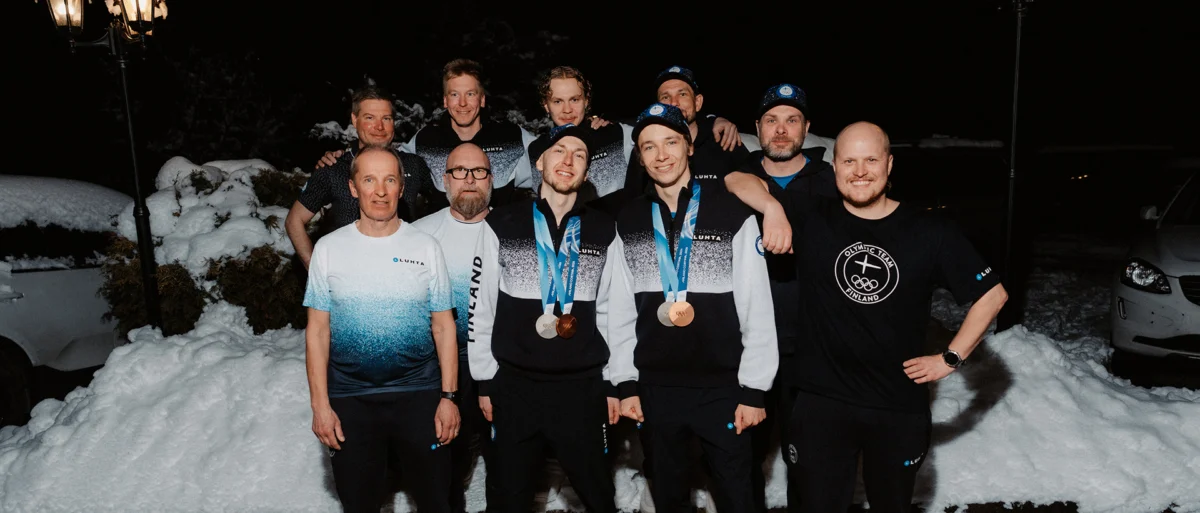
The landscape of Nordic combined was permanently altered for the Finnish national team during the 2026 Milano-Cortina Winter Olympics. Following a rigorous two-year strategic overhaul, the squad emerged as a powerhouse, securing three medals—a testament to a systematic, data-driven, and psychological transformation led by head coach Antti Kuisma. By shifting the paradigm from endurance-focused cross-country skiing to a more nuanced, "flow-state" approach to ski jumping, the Finnish team proved that in the high-stakes world of elite sports, less is often more.
The Foundation of Success: A Two-Year Pivot
The road to Milano-Cortina was not built overnight. When Antti Kuisma took the helm, he inherited a team with a strong work ethic but a need for modernization. Kuisma is quick to credit his predecessor, Petter Kukkonen, for the robust foundation upon which he built his new regime.
"The groundwork was laid long before I sat in this chair," Kuisma explains. "Kukkonen did incredible work building team spirit and a high baseline of professionalism. What we did as a new coaching staff was take the reins and refine that work to meet the modern demands of the sport."
The central challenge was a psychological one: changing the identity of the athletes. Nordic combined athletes are historically endurance machines, but modern podium finishes require elite-level ski jumping. The goal was to stop the athletes from "muscling" their jumps—a common trap for those who view skiing as their primary discipline. Instead, Kuisma pushed for a philosophy of relaxation and fluidity on the hill.
Chronology of a Transformation
The transformation was executed in distinct phases, moving from initial resistance to complete athletic buy-in:
- The Buy-In Phase (18 Months Prior): The coaching staff shifted the training emphasis toward the hill. This was met with skepticism from athletes who felt their strong cross-country performances were being sidelined. "The pushback was strong at first," admits Kuisma. "Athletes questioned why we were focusing on jumping when their skiing was already world-class."
- The Performance Proof (12 Months Prior): As the training adjustments took hold, the results on the hill improved drastically. This success served as the ultimate validator. Once the athletes saw their scores rising, the "buy-in" became organic, and the team culture solidified around the new, dual-discipline excellence.
- The Optimization Phase (6 Months Prior): The team moved from increasing volume to increasing quality. Training frequency for strength work was reduced from three times a week to once or twice every ten days, allowing for better recovery and focus on technical execution.
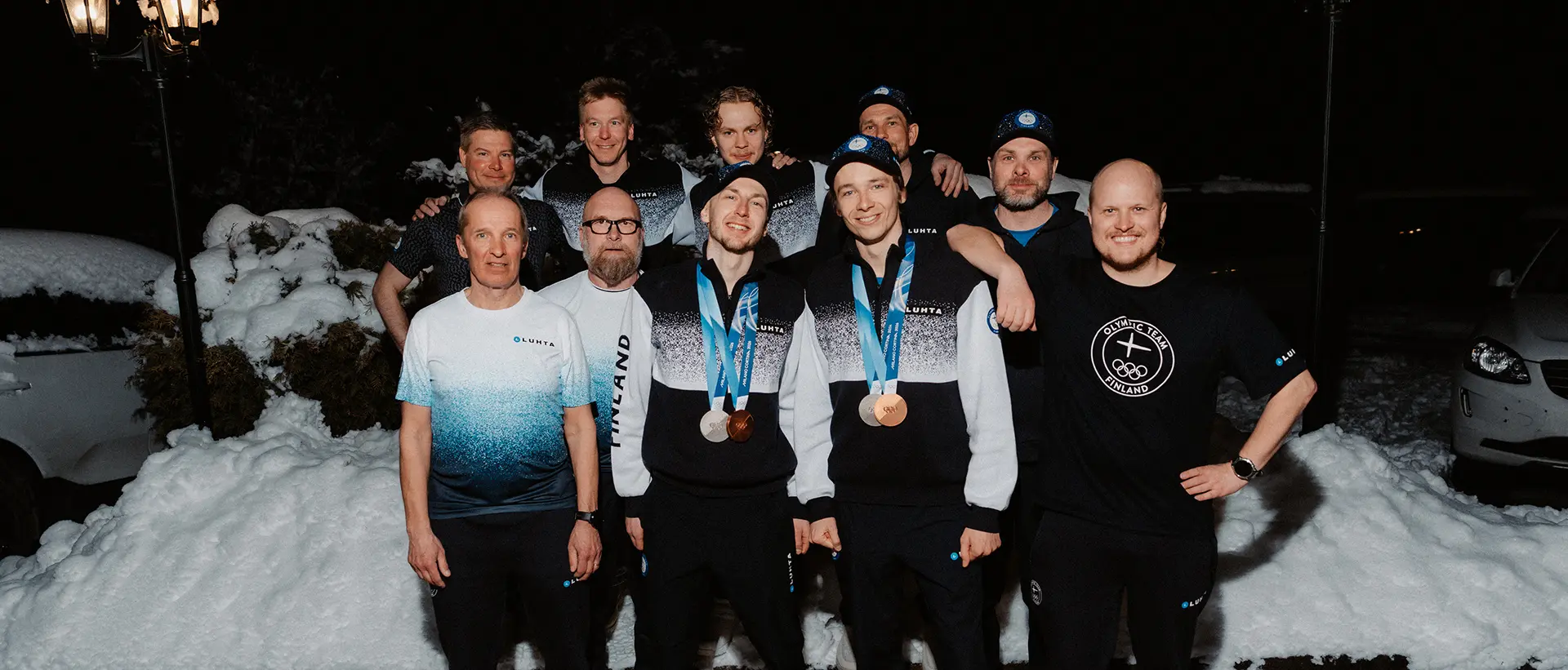
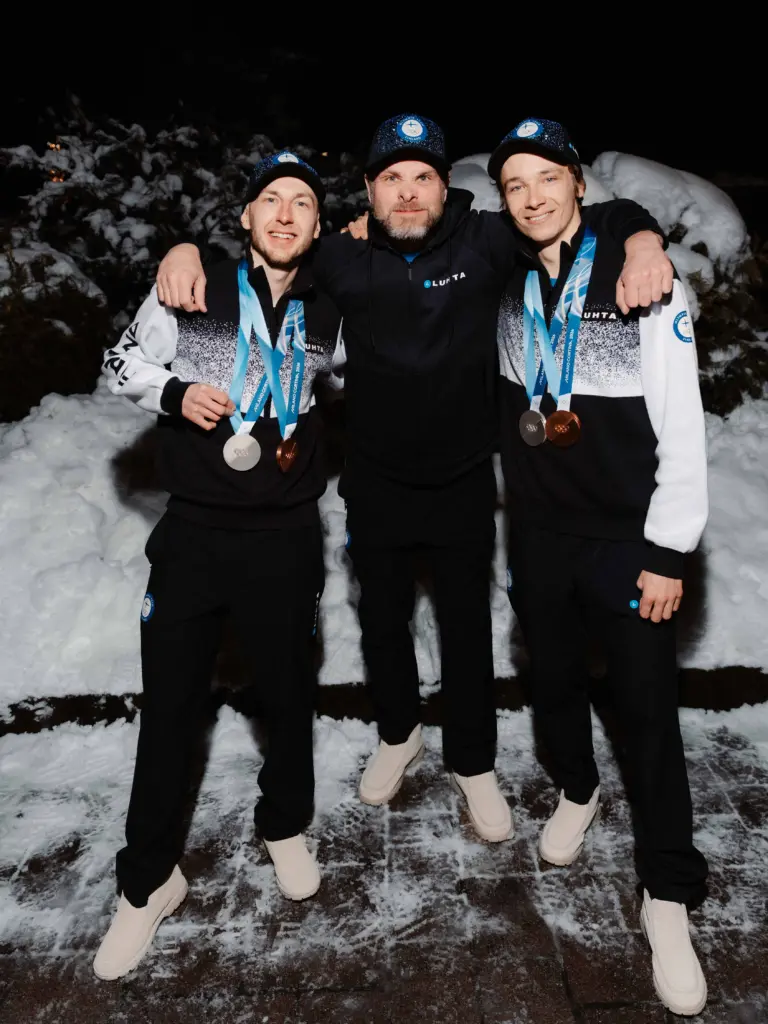
- The Milano-Cortina Peak (February 2026): The culmination of this cycle saw Ilkka Herola and Eero Hirvonen dominate key events, securing a haul of three medals that validated the team’s scientific approach.
Supporting Data: Efficiency Over Intensity
One of the most radical departures from traditional Nordic combined training was the reduction of total volume in favor of "high-quality" training blocks. Kuisma’s methodology emphasizes the "price-to-quality" ratio of every training hour.
"We stopped pushing unnecessary volume," Kuisma notes. "By training smarter, we ensured that the athletes arrived at the jumping hill fresh and mentally sharp. The training camps were condensed into 5–7 day blocks, following a strictly regimented schedule: two days of intensive jumping followed by a high-intensity cross-country session, a recovery day, and another jumping block. This meant athletes were never training while fatigued from excessive strength sessions."
This systematic approach allowed the team to treat training camps as mini-simulations of Olympic conditions. Because the athletes knew the schedule months in advance, they arrived at the camps fully prepared to execute specific, high-level work rather than just "putting in the miles."
Olympic Glory: A Results Breakdown
The results of this strategic pivot were on full display in Milano-Cortina. The team’s performance was defined by a mix of tactical bravery and technical precision.
- The Normal Hill Breakthrough: Eero Hirvonen captured bronze in the individual normal hill event, an achievement he described as being in a "bubble" of focus from the very first trial jump. It served as the catalyst for the team’s confidence.
- The Team Sprint Success: The pairing of Ilkka Herola and Eero Hirvonen delivered a stunning silver medal in the team sprint. Their coordination, a byproduct of years of training together and deep mutual trust, was evident throughout the race.
- The Large Hill Grit: Ilkka Herola secured a second medal for his personal collection—a bronze in the large hill event. Herola’s performance was particularly notable for his tactical gamble; starting the cross-country portion in a position that seemed unfavorable on paper, he took the risk, pushed the pace, and successfully fought his way onto the podium.
Official Responses and Reflections
The mood within the Finnish camp post-Olympics is one of quiet pride. For the athletes, the medal count is the external measure of success, but for the staff, it is the process that matters most.
"It was a mixture of emotions—so much happiness and gratitude," Hirvonen said after his first medal. "It’s still a bit of a blur, but the mental focus I carried from the training hill was the difference-maker."
Herola added context to his own performance: "I knew the starting position wasn’t ideal. But we had prepared for every scenario. I decided to take the risk, and this time, it bore fruit. It was a victory for our entire team’s philosophy."
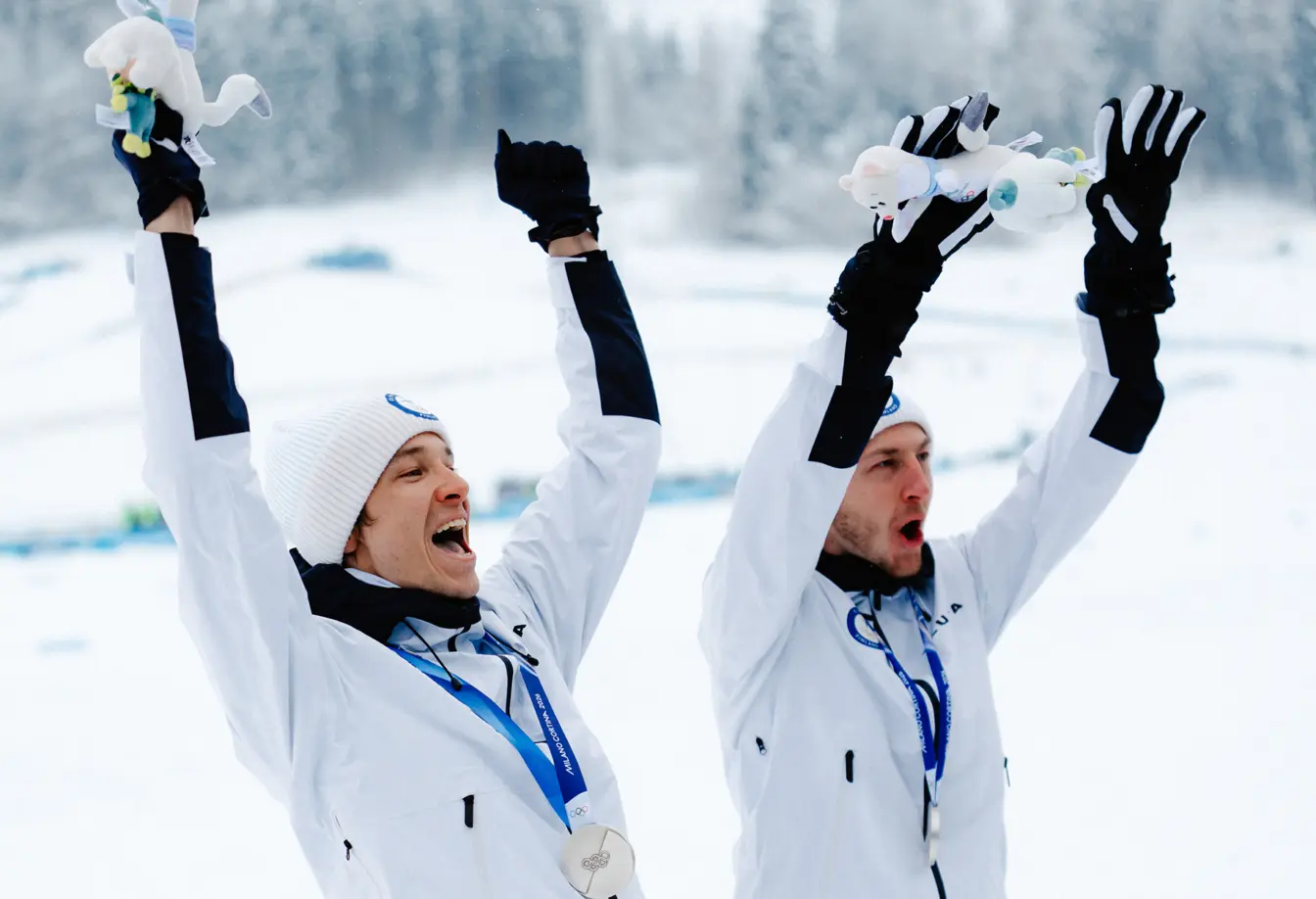
Coach Kuisma emphasized that the success was not just about the individuals on the podium, but the environment created by the support team. "We were incredibly careful during the Games. We maintained the same routines we had in the World Cup. No distractions, no unnecessary people, no surprises. When the momentum started, it was impossible to stop. It was a collective success in every sense of the word."
Implications for the Future of Finnish Nordic Combined
The success of the 2026 Olympic team sets a new standard for the program. The implications are three-fold:
1. The Death of the "Single-Discipline" Specialist
The Finnish model confirms that a Nordic combined athlete can no longer be a specialist who "survives" the jump to win on the tracks. The future lies in the hybrid athlete—one whose mindset is as technical on the hill as it is aggressive on the trail.
2. Centralized Command with Decentralized Trust
Kuisma’s leadership style has proven that a small, agile team can outperform larger nations if the decision-making process is centralized but the execution is built on deep, individual trust. By clarifying the roles within the coaching staff, the team minimized friction and maximized the impact of every training minute.

3. Sustainability and Recovery as Performance Metrics
Perhaps the most significant takeaway for the broader sporting community is the pivot away from high-volume strength training. By prioritizing recovery and the "quality of output" over the "quantity of labor," the Finnish team has provided a blueprint for how to keep aging or high-level athletes at their peak without the burnout that typically plagues multi-discipline sports.
As the team looks toward the next World Cup cycle and beyond, the "Finnish way"—a blend of tactical, high-quality training and a relaxed, "flow-oriented" mental approach—will likely become the benchmark for international competitors. They proved that when you stop forcing the sport and start allowing the training to flow, the results follow. The Milano-Cortina medals are not just pieces of metal; they are the physical manifestation of a team that learned how to work smarter than the rest of the world.