Main Facts: A Digital Debut Rooted in History
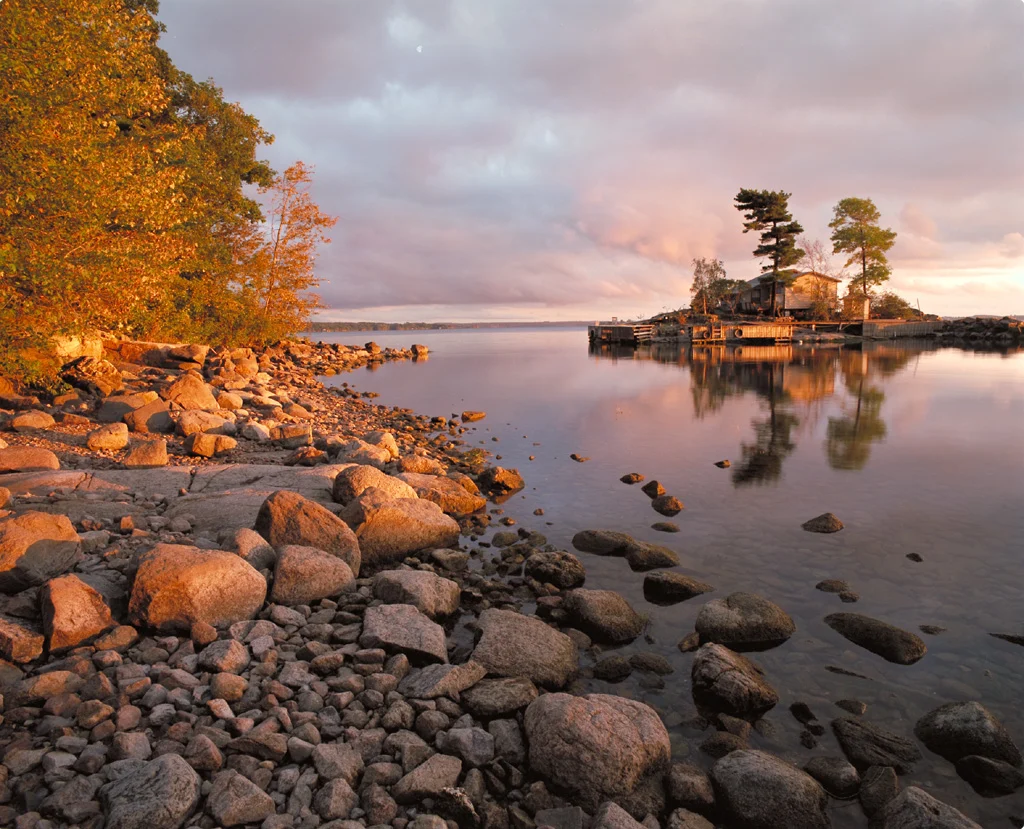
The world of landscape photography has gained a new digital destination this week with the official launch of a dedicated platform showcasing the evocative, natural beauty of the Thousand Islands region. Marking the debut of this online gallery is a collection of high-resolution imagery captured along the St. Lawrence River, specifically highlighting the rugged, serene terrain of Black Duck Island.
The launch is strategically timed to coincide with the publication of the 2012 issue of Island Life Magazine. Publisher Kim Lunman has featured a comprehensive photographic spread by the site’s founder, providing a visual narrative that centers on the history, ecology, and quiet majesty of Black Duck Island. For the photographer behind the lens, this website serves not merely as a portfolio, but as a digital archive for a property that has been held by his family since the late 19th century.
Chronology: From Brownie Cameras to Medium Format
The journey to this digital launch spans decades, reflecting a lifelong devotion to the Thousand Islands region. The photographer’s relationship with the landscape began in early childhood, as he spent every summer on the family-owned island near Gananoque, Ontario.
The Early Years: Formative Experiences
The genesis of this photographic career can be traced back to the photographer’s youth. What began as simple curiosity—exploring the rocky shores and dense foliage of the St. Lawrence riverfront—quickly evolved into a technical pursuit. The early days were defined by the limitations and charms of a Brownie camera, an instrument that instilled a foundational understanding of composition and light before the advent of digital convenience.
The Technical Evolution
As the photographer matured, so did his commitment to the craft. The transition from the Brownie to the Nikon FE2 represented a significant leap into professional-grade 35mm film photography. This period was marked by an intensive study of light, depth of field, and the nuances of the Thousand Islands’ ever-changing weather patterns.
By the time he transitioned to the Pentax 67II—a medium-format camera renowned for its exceptional detail and clarity—his photographic identity was firmly established. Over the years, these photographs were shared primarily through private slideshows for family and friends. The transition to a public-facing website represents the final stage of this evolution, moving from private heirloom to public chronicle.
Supporting Data: The Geography of Black Duck Island
Black Duck Island sits within the heart of the Thousand Islands, an archipelago that stretches across the border between New York State and Ontario. Situated in the St. Lawrence River, near the municipalities of Gananoque and Kingston, the region is characterized by its granite bedrock, glacially carved channels, and significant biodiversity.
Environmental Significance
The St. Lawrence River system is one of the most vital waterways in North America. Black Duck Island, specifically, provides a micro-environment that captures the essence of the region’s biodiversity. The photographic series released alongside Island Life Magazine captures:
- The Golden Hour: Leveraging the low-angle light characteristic of the St. Lawrence valley to highlight the textures of Canadian Shield rock formations.
- Avian Wildlife: Documenting the seasonal migrations and local inhabitants that give the island its name.
- Historical Preservation: The property, held by the same family since the late 1800s, offers a rare glimpse into the historical settlement patterns of the river, untouched by the rapid commercialization seen elsewhere in the region.
Official Responses and Editorial Collaboration
The partnership with Kim Lunman and Island Life Magazine has been pivotal in bringing this project to a wider audience. Lunman, a respected voice in regional publishing, sought to spotlight the unique, generational connection between the photographer and his family’s island.
"The goal of this year’s issue was to capture the authentic spirit of island living," Lunman noted during the production of the 2012 feature. By focusing on the personal narrative of a family that has held land on the St. Lawrence for over a century, the magazine provides readers with more than just a travelogue; it provides a longitudinal study of a singular place.
The photographer emphasizes that the collaboration was born out of a mutual desire to protect the heritage of the Thousand Islands. "Working with Kim was a natural progression," the photographer stated. "When you have a family history that spans over a hundred years on one specific rock in the river, you have a responsibility to document it properly. The magazine provides the context, and the website provides the canvas."
Implications: The Future of Regional Landscape Photography
The launch of this website carries significant implications for both the local community and the broader landscape photography niche.
Preservation through Documentation
In an era where the Thousand Islands region faces increasing pressures from climate change, water level fluctuations, and recreational development, high-quality photography serves as an essential tool for environmental stewardship. By documenting the subtle changes in the shoreline and the recurring cycles of the island’s ecology, the photographer is creating a valuable visual record that may be used by future researchers or conservationists to understand the state of the river in the early 21st century.
The Role of Niche Digital Portfolios
The move away from social media-only hosting to a dedicated website reflects a growing trend among serious photographers. By owning the platform, the photographer ensures that the work is presented in its highest resolution, free from the compression and algorithmic distractions of mainstream platforms. This "slow web" approach mirrors the "slow photography" required by the Pentax 67II—emphasizing quality, intention, and longevity over viral engagement.
Cultural Continuity
The family’s ownership of Black Duck Island since the late 1800s serves as a microcosm of the Thousand Islands’ historical identity. At a time when property turnover in the region is high, the stability of this family’s stewardship highlights the importance of multi-generational connection to land. The digital site functions as an extension of this stewardship, ensuring that the legacy of the island is accessible to a global audience, even if the physical island remains a private sanctuary.
Conclusion: A New Chapter
As the photographer looks toward the future, the website is expected to grow, incorporating archival images from the late 20th century alongside contemporary work. This digital project is not merely an exercise in vanity; it is a profound contribution to the cultural and environmental memory of the St. Lawrence River.
By bridging the gap between the tactile, analog past—represented by the slide shows of yesterday—and the high-definition digital future, the project invites enthusiasts and residents alike to look at the Thousand Islands with renewed appreciation. Whether through the lens of a classic film camera or the pixels of a modern display, the essence of Black Duck Island remains the same: a timeless testament to the endurance of nature and the human desire to capture it.
Readers interested in exploring the collection are encouraged to visit the new site, where they can view the full gallery of the 2012 Black Duck Island feature, alongside an evolving collection of works that celebrate one of Canada’s most iconic river landscapes. Through this, the family legacy is not just preserved in memory, but illuminated for the world to see.