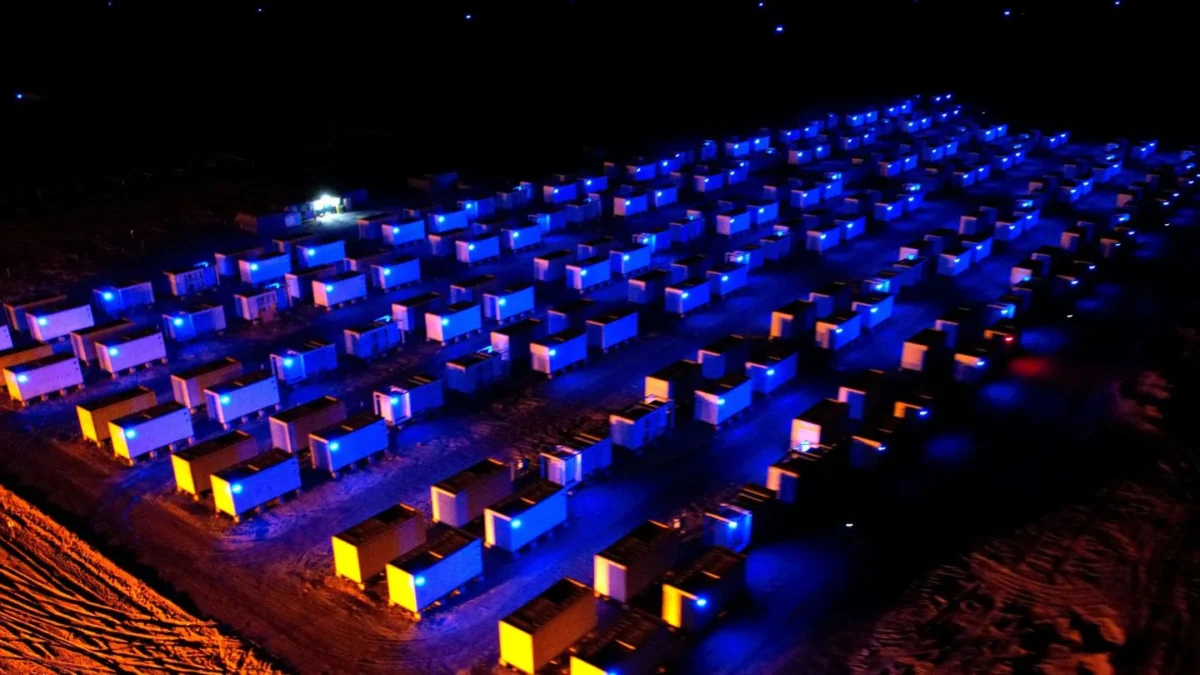
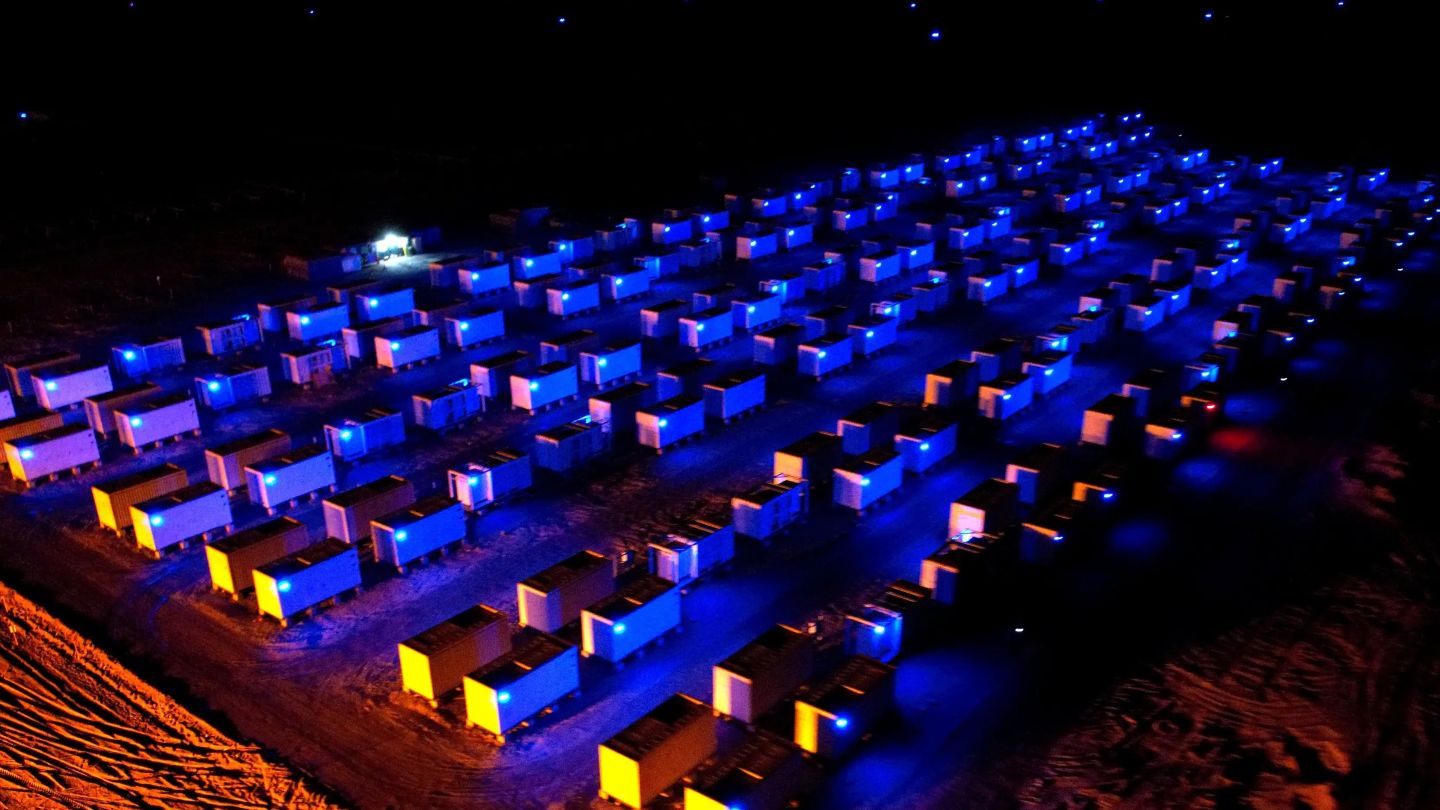
In a significant move toward stabilizing Italy’s evolving energy landscape, Zelestra and German utility giant EnBW have finalized a long-term tolling agreement for a 300MW share of a massive Battery Energy Storage System (BESS) project in the Emilia-Romagna region. The project, which boasts a total capacity of 500MW and a four-hour discharge duration, represents a critical step in addressing the supply-demand volatility inherent in the transition toward renewable energy.
The Core Agreement: Strengthening Italy’s Power Infrastructure
The partnership marks a definitive milestone for both organizations. Zelestra, a multi-technology renewable energy developer, will lead the construction and operational deployment of the 500MW site. Under the terms of the tolling agreement, EnBW will act as the primary offtaker for 300MW of the facility’s capacity.
The installation is designed to deliver more than 1.2 gigawatt-hours (GWh) of storage capacity, providing the Italian power grid with essential flexibility. The project is strategically positioned in Emilia-Romagna, a region characterized by heavy industrial electricity demand and an increasing influx of intermittent renewable energy generation. By providing a buffer to balance these fluctuations, the project will play a pivotal role in maintaining grid stability and security of supply.
A Chronology of Progress: From Development to Grid Integration
The path to this project’s full activation is mapped out over the next three years, reflecting the rigorous planning required for large-scale energy infrastructure.
- Project Inception and Planning: Zelestra identified the Emilia-Romagna region as a strategic hub, given its unique combination of high industrial consumption and rapid growth in solar and wind integration.
- Securing the Pipeline: With the finalization of the EnBW deal, the 2GWh-equivalent battery project is now fully secured, moving from the development phase toward final investment decision (FID) and execution.
- Construction Commencement (2027): Engineering, procurement, and construction (EPC) teams are slated to break ground in 2027, with site preparation and initial infrastructure works forming the primary focus.
- Full Operational Status (2028): The facility is expected to reach commercial operation by 2028, at which point it will begin contributing its 1.2GWh of flexible capacity to the national grid.
Supporting Data: Why Emilia-Romagna?
The selection of Emilia-Romagna is not coincidental. As Italy pushes to meet its decarbonization targets, the concentration of industrial activity in the north creates a "pressure point" for the national grid. Industrial centers require consistent, high-voltage power, yet the intermittent nature of solar and wind generation makes this difficult without massive storage solutions.
The 500MW capacity is projected to serve as a cornerstone of the regional power strategy. With a four-hour storage duration, the facility can discharge energy during peak evening hours—the "duck curve" phenomenon where solar generation drops off just as residential and industrial demand spikes. This capability is vital for mitigating price volatility and reducing the reliance on natural gas-fired "peaker" plants, which are traditionally used to fill these gaps.
Official Perspectives: Aligning Vision with Execution
Eliano Russo, CEO of Zelestra Italy, emphasized that this agreement is a blueprint for the future of European energy infrastructure.
"The Italian grid needs flexible capacity, and it needs it at scale," Russo stated during the announcement. "This agreement with EnBW is exactly the kind of long-term partnership that makes large storage assets possible. Our project in Emilia-Romagna will be one of Europe’s most consequential projects when it comes online."
Russo further highlighted the synergy between the two companies, noting, "Zelestra’s experience developing battery storage projects in Spain, Germany, and Italy, combined with EnBW’s presence and expertise across key European power markets, helps make these major projects easier to structure and deliver. By working with customers operating in multiple markets, we can accelerate the deployment of flexible capacity at scale, supporting renewable integration, strengthening security of supply, and benefitting the wider European energy market."
The collaboration underscores a shift in the utility sector: moving away from short-term transactional energy purchases toward long-term, asset-backed partnerships that de-risk the development of expensive, utility-scale storage technologies.
Broader Implications for the European Energy Market
The Zelestra-EnBW deal is a microcosm of a much larger European trend. As the European Union moves toward the 2030 climate goals, the focus is shifting from "adding more generation" to "optimizing existing generation."
1. Integration of Renewables
Without significant BESS deployment, the integration of new solar and wind farms becomes increasingly expensive due to curtailment risks. When the grid is saturated with solar power at midday, excess energy is often wasted. This 500MW project allows that energy to be "saved" for later, effectively increasing the utilization rate of renewable assets.
2. Market Security and Price Stability
Battery storage acts as a natural hedge against price spikes. By discharging during periods of high demand, the facility helps to dampen the volatility of the spot market, providing a more predictable pricing environment for industrial end-users.
3. A Template for Future Auctions
Zelestra’s success in Italy is supported by a robust portfolio management strategy. In December 2025, the company successfully secured contracts in Italy’s FER X auctions for nine projects, totaling 168MW of new solar capacity. This indicates that Zelestra is effectively stacking its revenue streams—combining state-backed auction support with private-sector tolling agreements like the one with EnBW.
Zelestra’s Global Footprint
While Italy remains a primary focus, Zelestra is aggressively expanding its global footprint. The company is currently aiming to double its 1.4GW project pipeline within the year. This growth is not limited to the European continent; last month, Zelestra signed a significant Power Purchase Agreement (PPA) with Meta for the 180MW (DC) Palmera Solar Plant in Texas.
This global diversification demonstrates the company’s ability to navigate different regulatory environments—from the competitive ERCOT market in Texas to the highly regulated and auction-driven Italian grid. By leveraging its global expertise, Zelestra is positioning itself as a leader in the transition to a storage-heavy, renewable-first energy system.
The Road Ahead: Overcoming Challenges
Despite the optimism, the project faces the typical challenges associated with large-scale infrastructure: supply chain stability for battery components (lithium-ion supply chains), grid connection permitting, and the long-term maintenance of high-performance BESS assets.
However, the involvement of a major player like EnBW provides a layer of financial and operational security that is often missing in smaller, independent developer projects. The long-term tolling agreement provides a bankable revenue stream, which is critical for securing the financing required for the 2027 construction phase.
Conclusion
The Zelestra-EnBW partnership is more than just a contract; it is a vital investment in the resilience of the Italian power grid. By combining a 500MW storage asset with a 300MW offtake commitment, the two companies have created a stable framework to address the complexities of modern energy demand. As the project moves toward its 2028 operational target, it will serve as a bellwether for the efficacy of battery storage in supporting Europe’s ambitious, yet challenging, energy transition.
As Italy continues to expand its solar and wind pipeline, infrastructure projects of this caliber will be the linchpin that prevents grid collapse and ensures that the renewable future remains both reliable and affordable. For Zelestra, the project is a testament to its strategic foresight; for EnBW, it represents a commitment to the decarbonization of its European operations. The next three years of development will be watched closely by stakeholders across the continent as a model for how utilities and developers can collaborate to build the grids of tomorrow.