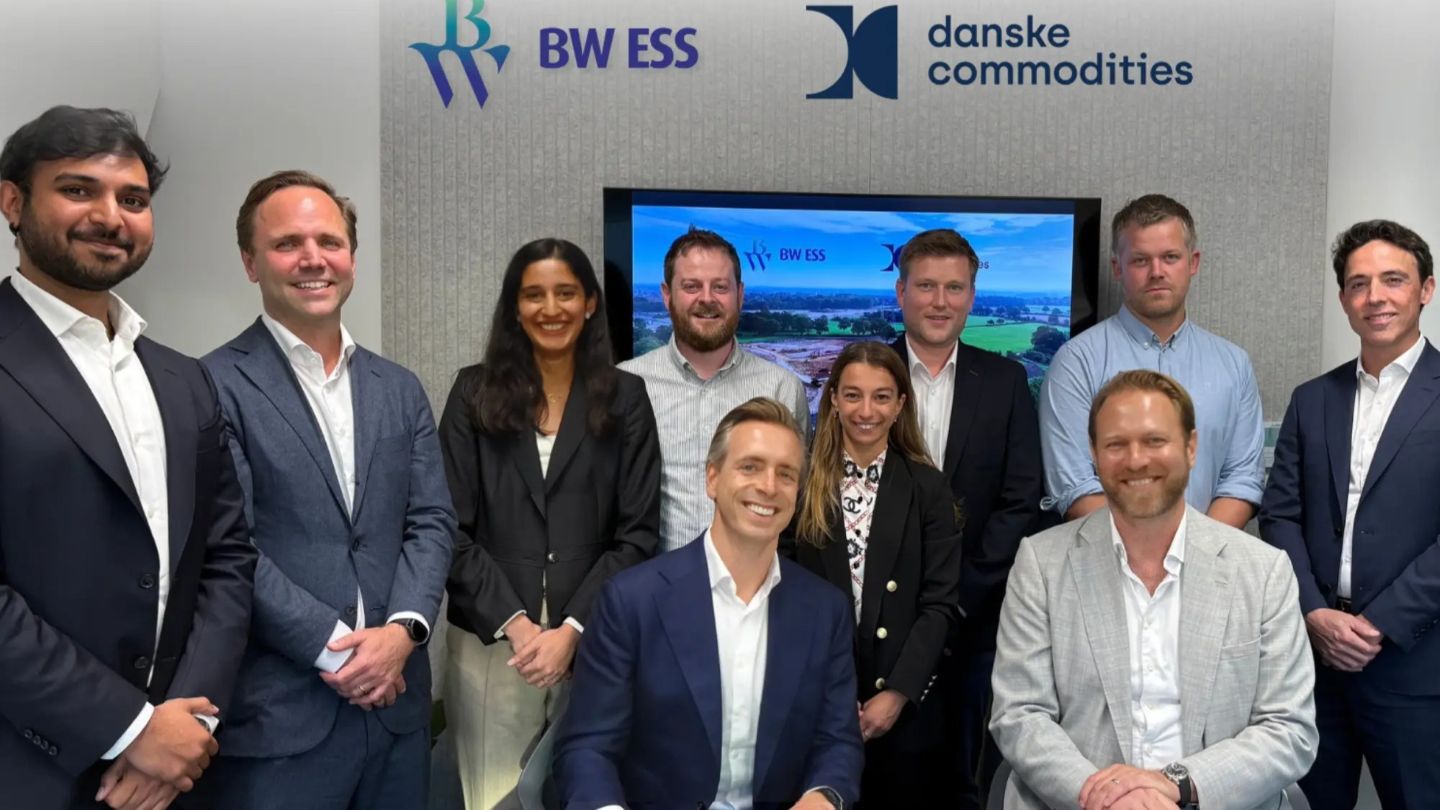
The landscape of the United Kingdom’s power grid is undergoing a seismic shift. As the nation accelerates its transition toward a net-zero future, the challenge of managing the inherent intermittency of renewable energy—wind and solar—has become the primary hurdle for grid operators. Providing a robust solution to this challenge, BW ESS and Danske Commodities have finalized a landmark ten-year agreement to manage the Berkswell battery energy storage system (BESS), a massive project near Solihull that promises to redefine the capacity of UK energy storage.
This collaboration, centered on a 200MW/857MWh facility, represents more than just a commercial contract; it signifies the scale of infrastructure investment required to secure the UK’s energy independence. By pairing the technical prowess of BW ESS’s development with the market-leading trading expertise of Danske Commodities, the Berkswell project is positioned to become a cornerstone of the Midlands’ energy infrastructure.
The Anatomy of the Berkswell Project
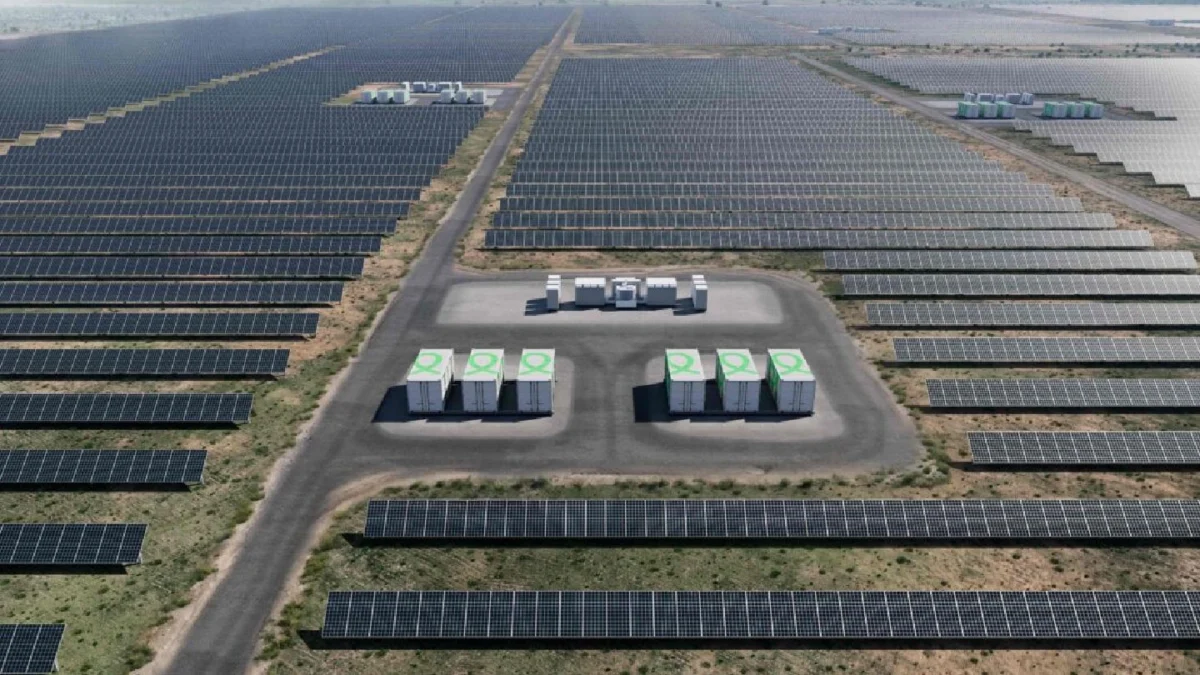
The Berkswell BESS facility is not merely another storage site; it is a high-capacity, long-duration asset designed to handle the complexities of a modernizing national grid. With a power rating of 200MW and an energy capacity of 857MWh, the facility is engineered to provide up to four hours of continuous electricity supply.
To put this in perspective, the facility is designed to support the electricity requirements of approximately 700,000 UK homes. This level of discharge capability makes it a "long-duration" asset, a critical classification in a market where short-duration lithium-ion batteries have previously dominated. The ability to store energy during periods of excess generation—such as high-wind, low-demand nights—and discharge it during evening peaks is the key to maintaining frequency stability and preventing grid congestion.
The project utilizes cutting-edge hardware to ensure maximum performance. BW ESS has selected Sungrow’s "PowerTitan 3" technology for the site. This liquid-cooled battery system is renowned for its high energy density, thermal management, and long-term reliability, which are essential for a project that must withstand years of intense cycling under an optimization contract.
Chronology: From Greenfield to Grid-Ready
The journey of the Berkswell project highlights the intensive development lifecycle of modern energy infrastructure.
- Greenfield Origination: The project began as a concept developed entirely by BW ESS, which identified the Solihull region as a strategic location due to its proximity to major load centers and transmission infrastructure.
- Partnership Formation: Recognizing the scale of the project, BW ESS brought in AIP Management, an investor with a specialized focus on energy and decarbonization, to co-own the asset.
- September 2026: Official commencement of construction activities. The site preparation and civil works began, marking the transition from planning to physical implementation.
- October 2026: The signing of the ten-year optimization agreement with Danske Commodities, ensuring that the asset would have a sophisticated commercial strategy in place well before the commissioning phase.
- Q4 2027 (Anticipated): Scheduled commencement of commercial operations. This milestone will see the site begin participating in the Balancing Mechanism and ancillary services markets, providing real-time flexibility to the National Grid.
Strategic Market Optimization: The Role of Danske Commodities
Under the terms of the "floor agreement," Danske Commodities will take full responsibility for the trading and optimization of the Berkswell asset. For a battery of this size, the "floor" model provides a critical layer of financial security for the owners, while allowing the trader to capture market upside through intelligent arbitrage.
Danske Commodities brings over 15 years of experience in the British power markets to the table. Their role involves constant, high-frequency decision-making: should the battery be charging to absorb excess wind energy, or should it be discharging to support the grid during a period of tight supply?
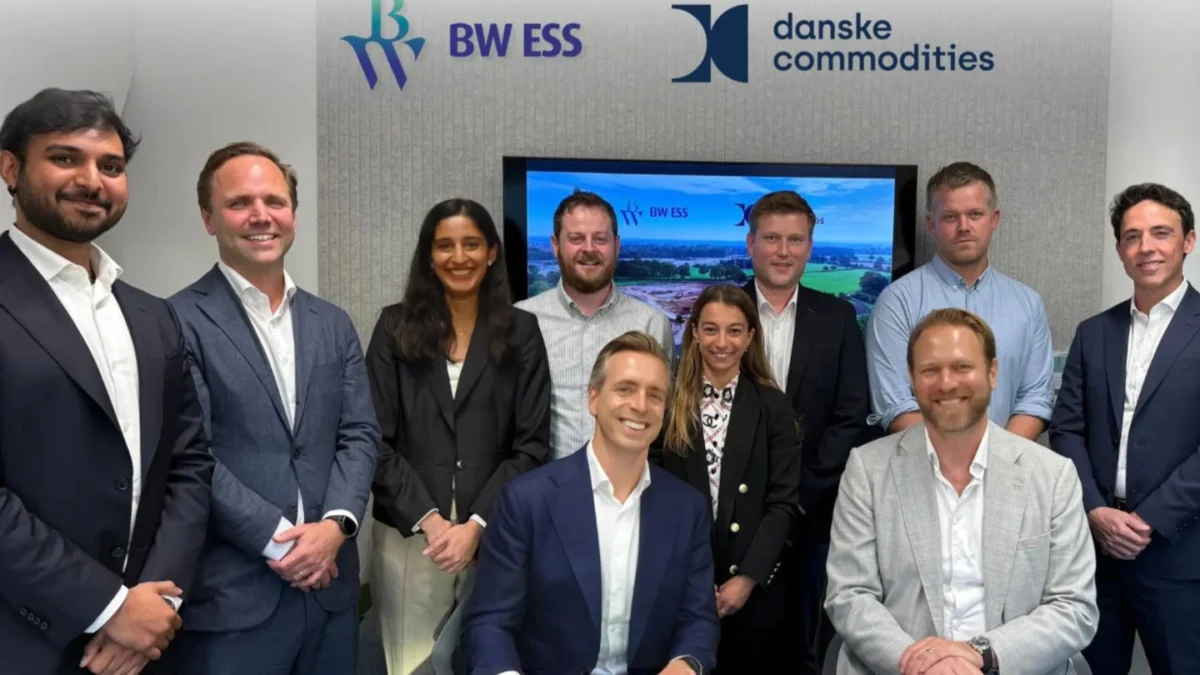
Jakob Sørensen, CEO of Danske Commodities, emphasized the importance of this deal: "We are proud to have been selected by BW ESS to optimize Berkswell. Drawing on more than 15 years of experience in British power markets, we will use our trading expertise to maximize the value of the asset while providing the flexibility needed to integrate intermittent renewable generation. The UK is a core market for us, and Berkswell is an important addition to our growing portfolio of flexible assets."
By leveraging sophisticated algorithms and predictive analytics, Danske Commodities will ensure that the Berkswell battery is not just sitting idle, but is actively working to balance the grid, thereby reducing the need for fossil-fuel-based "peaker" plants that have historically been fired up during high-demand periods.
Implications for the UK Energy Market
The Berkswell project is a bellwether for the broader energy storage sector in the United Kingdom. Several key implications arise from this development:
1. Facilitating Renewable Integration
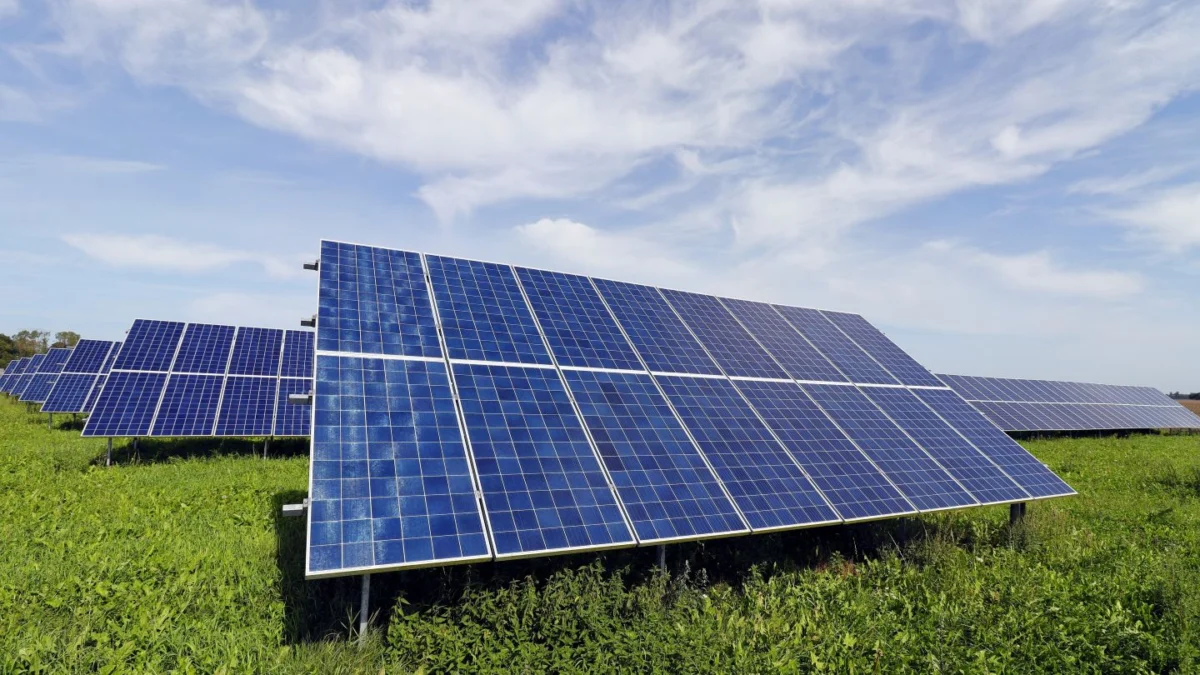
The UK has one of the world’s largest offshore wind portfolios. However, wind generation is inherently variable. Projects like Berkswell act as a buffer, allowing the grid to "soak up" wind energy when the wind is blowing at night and release it when the demand peaks in the morning and evening. This reduces the curtailment of renewable assets—where wind farms are paid to switch off because the grid cannot handle the surplus—which in turn lowers the overall cost of electricity for consumers.
2. Enhancing Grid Stability
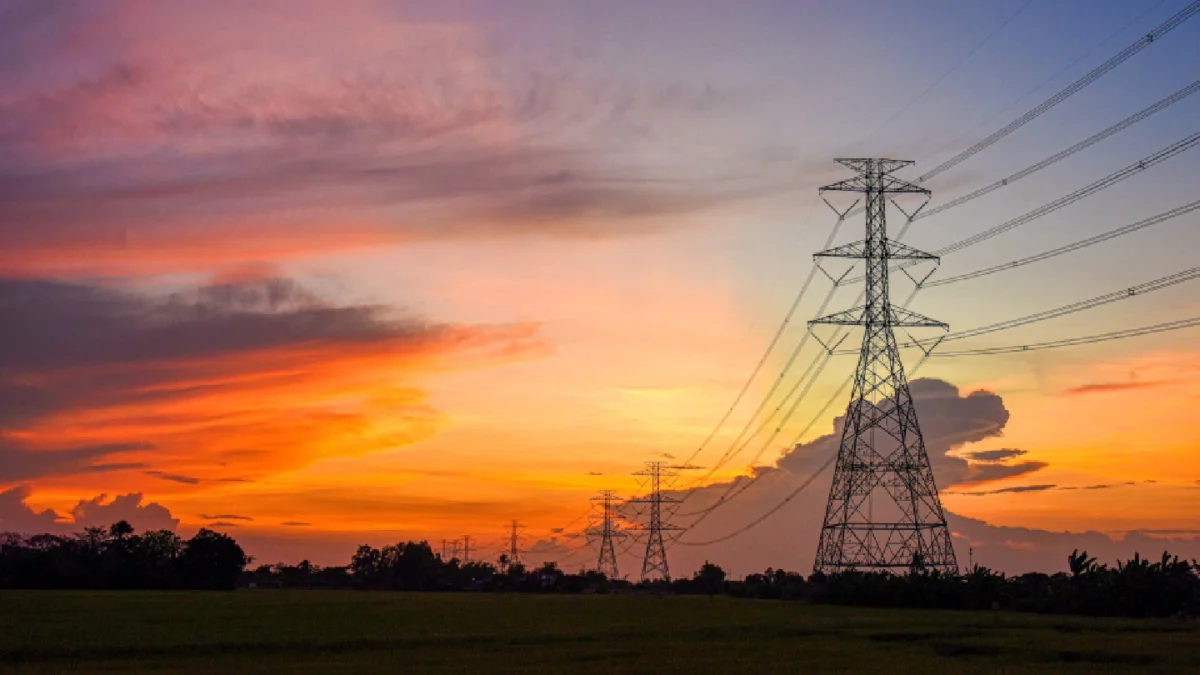
As coal and gas plants are decommissioned, the grid loses "inertia"—the physical momentum of large rotating turbines that helps keep the frequency stable at 50Hz. Battery systems like Berkswell can provide "Fast Frequency Response" (FFR), which reacts significantly faster than traditional power plants to stabilize the grid during sudden drops or spikes in frequency.
3. Investment Confidence
The participation of AIP Management and the ten-year commitment from an established player like Danske Commodities demonstrate that the UK BESS market has moved beyond speculative development into a mature asset class. Long-term institutional capital is now flowing into these projects, attracted by the clear regulatory framework and the undeniable need for storage to reach net-zero targets.
4. Regional Economic Impact
Located near Solihull in the Midlands, the project contributes to the regional economy through construction employment and the long-term maintenance of technical infrastructure. It also serves as a strategic node in the regional grid, ensuring that energy supply remains reliable for one of England’s most significant industrial and residential corridors.
Official Perspectives: Building the Foundation
The leadership teams involved in the project have been vocal about the strategic importance of this facility. Kilian Leykam, Chief Commercial Officer at BW ESS, noted the importance of the partnership:
"This agreement with Danske Commodities provides a strong commercial foundation for Berkswell and helps unlock the long-term value of this strategically important energy storage project. With construction under way, we are another step closer to bringing the project online and delivering critical flexibility to the UK grid."
This "commercial foundation" is essential. Investors in BESS assets often face the risk of price volatility. By securing a ten-year partnership with a top-tier trader, BW ESS mitigates that risk, ensuring that the Berkswell project remains a viable and high-performing asset for the next decade.
Looking Ahead: The Growth of BW ESS
The Berkswell project is part of a broader expansion strategy for BW ESS. The company is aggressively building its footprint across Europe. Just last month, the company made headlines with the acquisition of two stand-alone utility-scale BESS projects in Spain, totaling 126MW/675MWh.
This regional diversification shows that BW ESS is not just focusing on the UK market but is positioning itself as a dominant European player in the energy transition. By applying the lessons learned from the Berkswell development to its international portfolio, the company is building a playbook for large-scale storage integration that could be replicated across the continent.
Conclusion: A Pivot Point for Grid Reliability
The construction of the Berkswell BESS project is a clear signal that the UK is moving beyond the "transition" phase and into the "infrastructure" phase of its energy policy. As we look toward the project’s commissioning in late 2027, the focus will shift from development to operation.
With its massive 857MWh capacity, the ability to store and release power at a scale that impacts hundreds of thousands of homes, and a sophisticated commercial strategy led by Danske Commodities, Berkswell is set to be a vital asset. It represents a synthesis of advanced engineering, long-term investment, and market-driven optimization—a trio of elements that will define the success of the global energy transition. For the people of the Midlands and the wider UK, the Berkswell site offers the promise of a more resilient, reliable, and sustainable power grid, ready to meet the challenges of the coming decades.