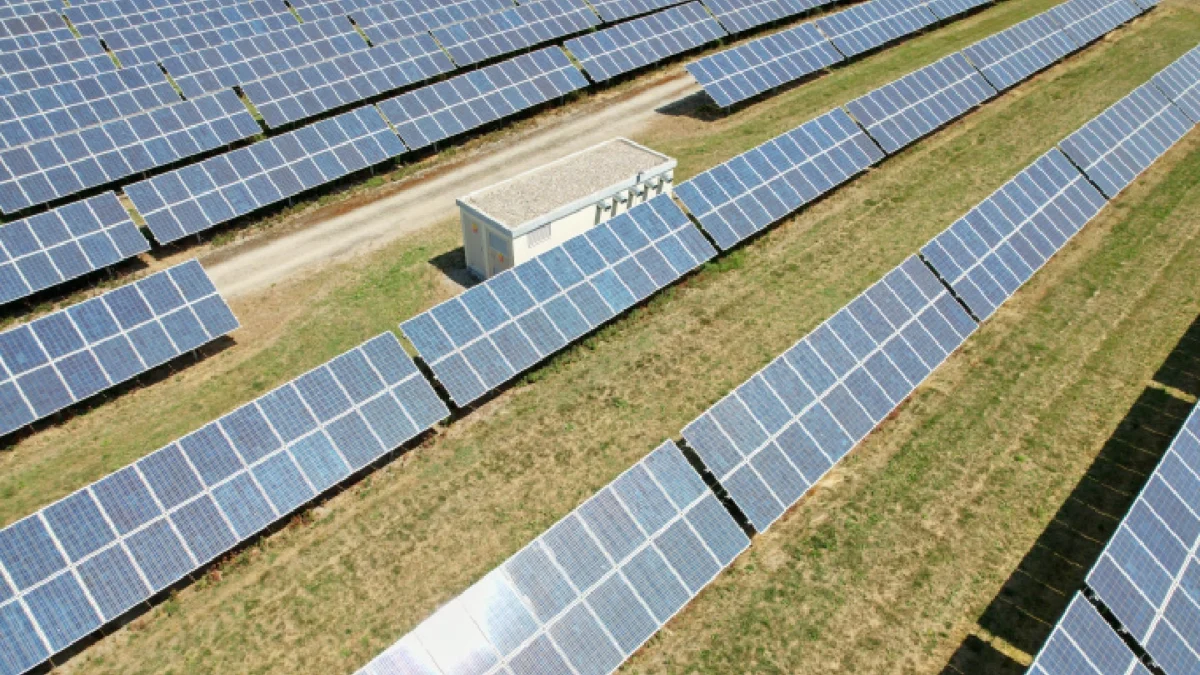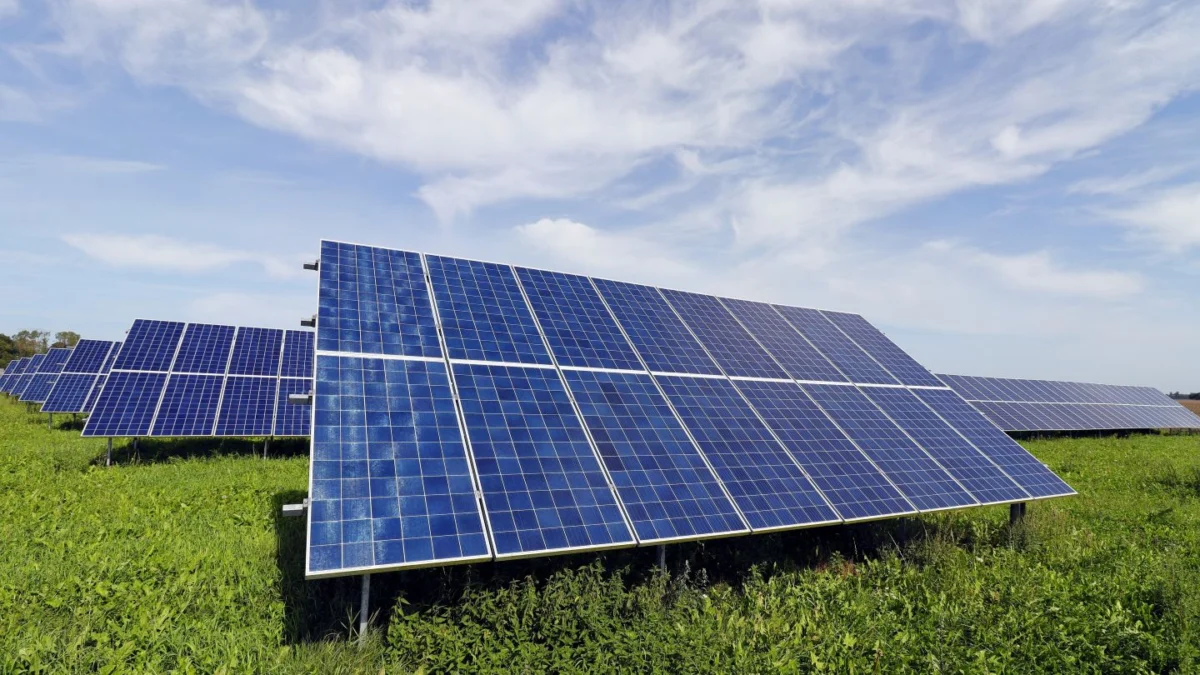
In a strategic maneuver that underscores the accelerating momentum of the American energy transition, French energy titan TotalEnergies and global investment firm KKR have announced a significant expansion of their joint venture (JV). The agreement, which adds a 700MW solar portfolio to their existing partnership, elevates the total capacity of their 50/50 joint venture to 2.1GW. This multi-billion-dollar collaboration highlights a growing trend among multinational energy corporations to leverage private equity capital to de-risk capital-intensive utility-scale renewable projects.
The Core Transaction: Powering the Heartland
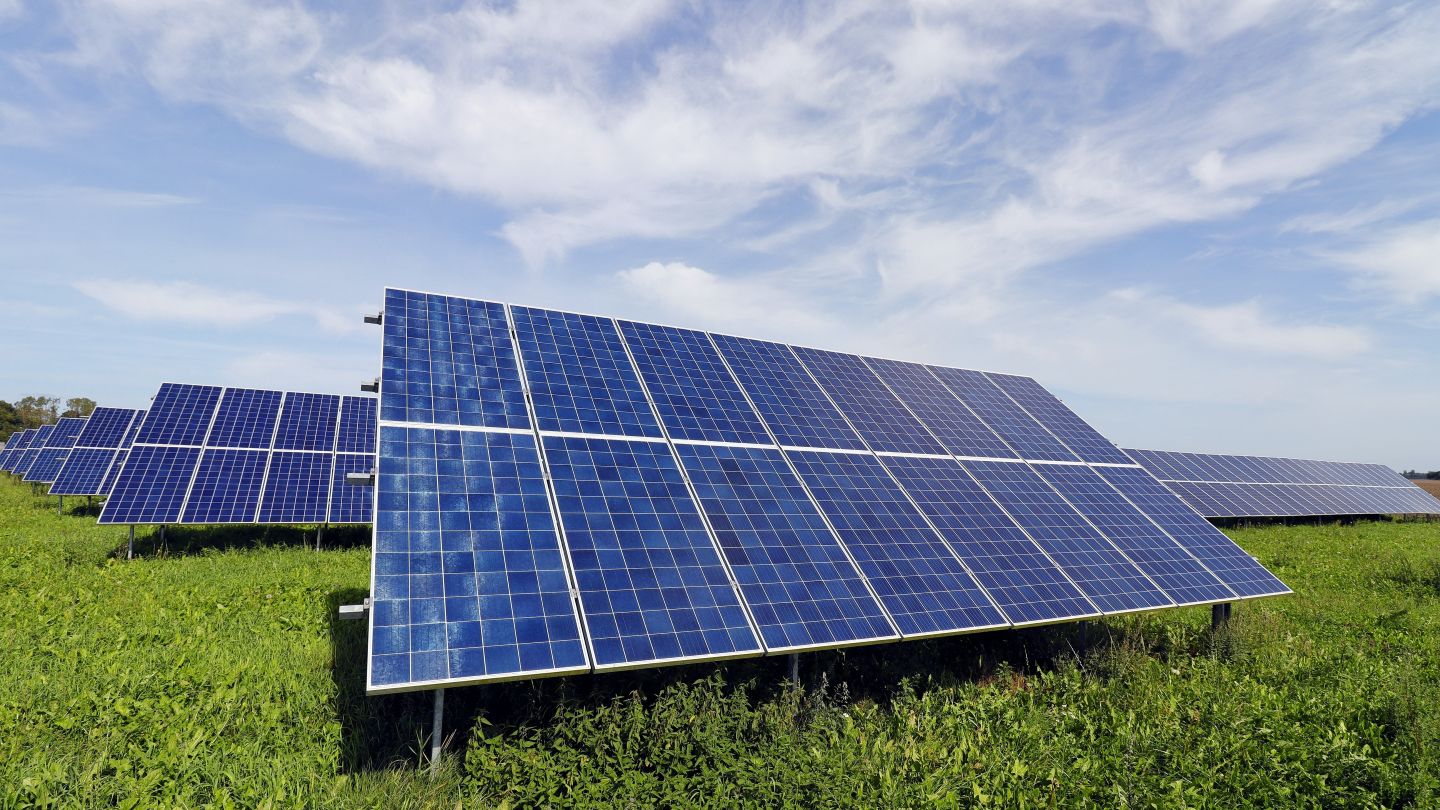
The newly incorporated assets comprise three major utility-scale solar projects strategically located in Texas and Ohio. These states represent two of the most critical hubs for the US energy grid—Texas, as the primary engine of the ERCOT market, and Ohio, a key player in the PJM Interconnection.
Valued at an enterprise level of $1.2bn (€1.07bn), the portfolio is currently in the advanced stages of development. The companies have confirmed that all three projects are on track to achieve commercial operation by the first quarter of 2027. This timeline is particularly significant given the current supply chain constraints and permitting bottlenecks that have historically slowed similar projects.
TotalEnergies, acting as the primary operator, will continue to manage the assets post-completion, leveraging its technical expertise to ensure grid integration and operational efficiency. The transaction is expected to close by the end of 2026, subject to customary regulatory approvals and standard closing conditions.
Chronology: A Deepening Partnership
The genesis of this partnership dates back to last year, marking a pivotal shift in TotalEnergies’ North American strategy.
- 2025 – The Foundation: TotalEnergies and KKR established their initial joint venture by divesting a 50% stake in a 1.4GW solar portfolio to KKR-managed insurance vehicles and accounts. This deal provided TotalEnergies with the necessary liquidity to recycle capital into new, high-growth projects.
- August 2026 – European Expansion: TotalEnergies signaled its global intent by signing two major agreements in Europe. The company agreed to acquire Shell’s entire European onshore renewables business, adding 500MW of solar and wind capacity in Italy and the Netherlands. Concurrently, it solidified its relationship with KKR by selling a portion of its European portfolio, reinforcing a pattern of co-investment.
- October 2026 – The US Expansion: The announcement of the 700MW expansion marks the latest chapter in this cross-Atlantic relationship, pushing their combined US JV capacity to the 2.1GW milestone.
Supporting Data and Market Dynamics
To understand the significance of this 2.1GW portfolio, one must look at the broader energy landscape. As of June 2026, TotalEnergies reported a gross renewable power generation capacity exceeding 37GW. The company’s stated goal is to achieve more than 100TWh of net electricity production by 2030.
The 700MW addition is not merely a capacity boost; it is a diversified revenue stream. The electricity generated by these Texas and Ohio projects is being handled through a bifurcated strategy: some output is already secured via long-term power purchase agreements (PPAs) with third-party corporate and utility off-takers, while the remainder is slated to be marketed by TotalEnergies’ trading desk. This approach allows the JV to balance the stability of long-term contracts with the upside potential of merchant market pricing.
Strategic Infrastructure Integration
TotalEnergies’ strategy is distinct from pure-play renewable companies because it maintains a "hybrid" approach. The company is actively building a portfolio that integrates:
- Variable Renewable Energy (VRE): Solar and onshore/offshore wind.
- Flexible Assets: Combined-cycle gas turbines (CCGTs) that provide essential firming capacity.
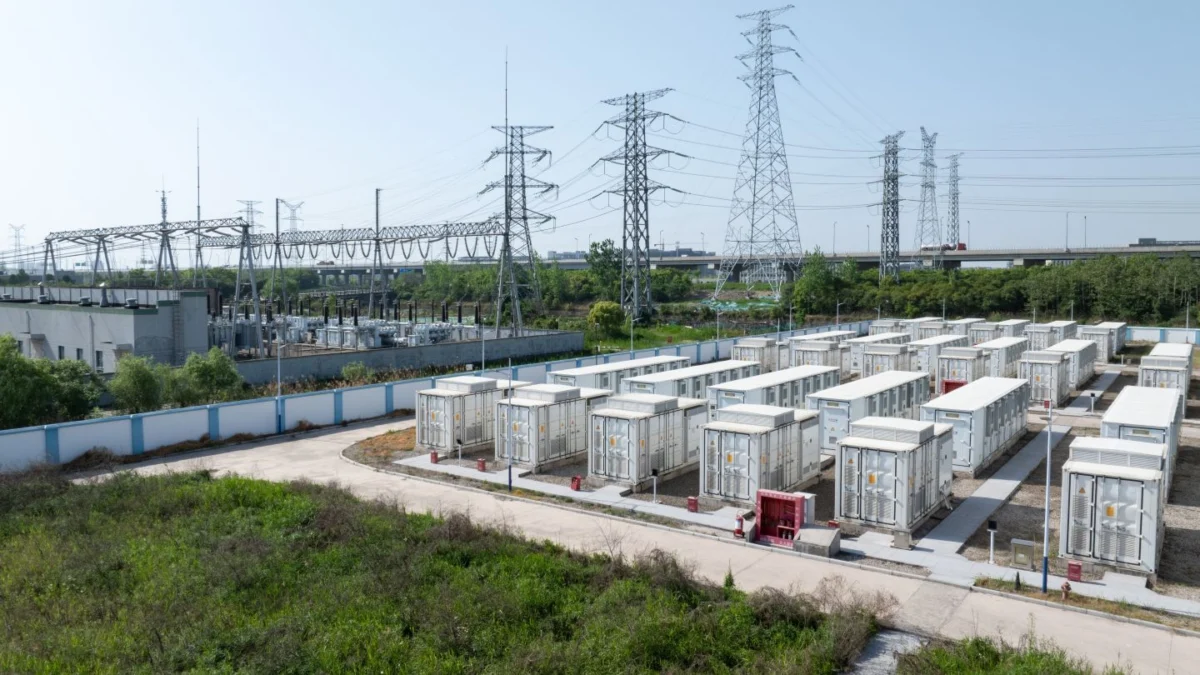
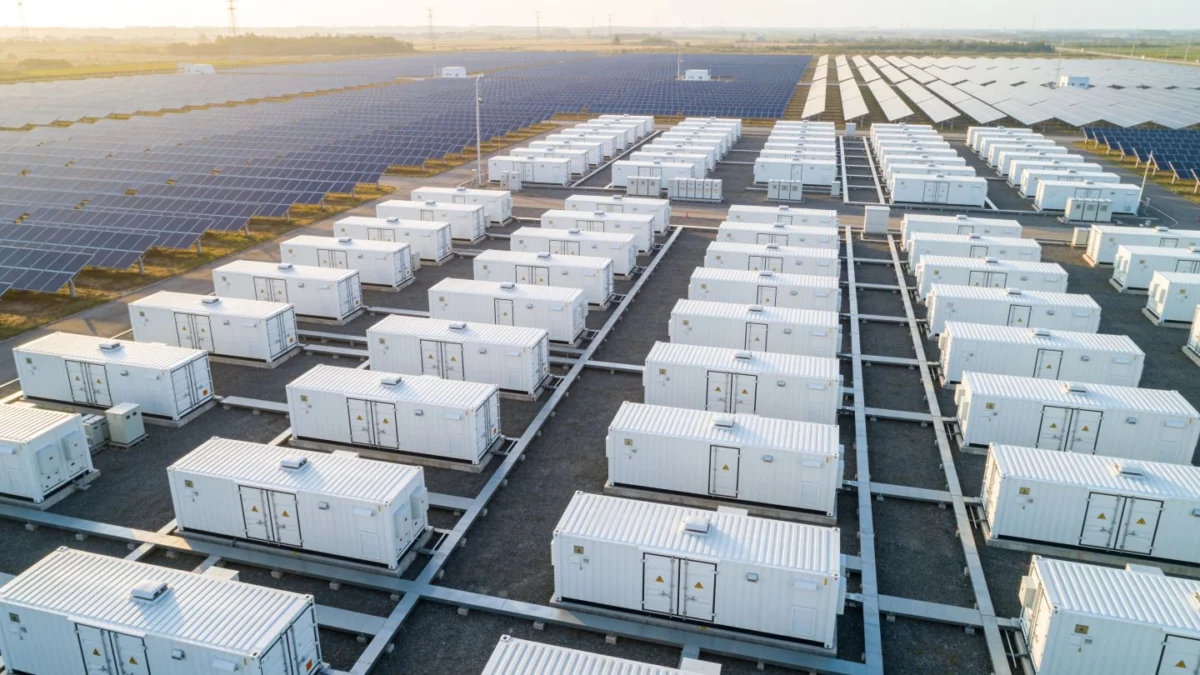
- Storage Solutions: Utility-scale battery systems designed to bridge the intermittency gap.
By pairing solar output with flexible capacity, TotalEnergies can mitigate the "duck curve" effect—where solar generation peaks during hours of low demand—ensuring that the energy delivered to the grid is reliable and dispatchable.
Official Perspectives and Industry Implications
While specific quotes from executives are often sequestered during the regulatory approval phase, the industry consensus suggests that this deal is a "win-win" for both participants.
For KKR, the investment offers long-term, stable, and inflation-linked cash flows, which are highly attractive for their insurance vehicles and infrastructure funds. For TotalEnergies, the JV model is a capital-light method of scaling. By offloading 50% of the equity, TotalEnergies maintains control of the operational footprint while freeing up its balance sheet to pursue further acquisitions and R&D in emerging technologies like green hydrogen and carbon capture.
The Macroeconomic Impact
The expansion of this JV has several broader implications for the US energy market:
- Grid Resilience: The focus on Texas and Ohio is deliberate. These regions are experiencing rapid demand growth driven by data centers, electrification of industrial processes, and the retirement of aging coal-fired power plants. Adding 700MW of solar capacity contributes directly to the stability of the ERCOT and PJM grids.
- The Role of Private Equity: The involvement of KKR reflects the massive influx of institutional capital into the energy transition. Pension funds and insurance providers are increasingly viewing utility-scale solar as a foundational asset class, akin to traditional infrastructure like toll roads or telecommunications networks.
- Supply Chain Resilience: By finalizing this deal in 2026 with a 2027 operational target, the JV demonstrates a high degree of confidence in the North American supply chain, which has seen significant domestic investment following the implementation of the Inflation Reduction Act (IRA).
Challenges and Future Outlook
Despite the optimism surrounding the 2.1GW portfolio, the transition is not without hurdles. The primary challenge remains the interconnection queue. Across the United States, thousands of gigawatts of renewable projects are waiting for grid impact studies. TotalEnergies’ ability to navigate these administrative bottlenecks is a testament to its scale and institutional experience.
Furthermore, as the share of solar energy on the grid increases, the risk of price cannibalization—where solar energy becomes cheap or even negative during peak production—remains a concern. This is exactly why TotalEnergies is emphasizing its integrated portfolio approach. By coupling solar with storage and gas-fired flexibility, they are positioning themselves to provide "round-the-clock" power, a product that commands a premium over intermittent, solar-only generation.
Conclusion
The decision to expand the TotalEnergies-KKR partnership to 2.1GW represents more than just an increase in megawatts; it is a clear signal of the long-term viability of the US renewable market. As TotalEnergies marches toward its 100TWh production target for 2030, the partnership with KKR serves as the blueprint for how major energy players will manage the transition.
As the industry looks toward the first quarter of 2027, the successful energization of these Texas and Ohio projects will likely serve as a benchmark for future large-scale renewable infrastructure developments. With a robust financial backing and a clear operational strategy, the JV is well-positioned to maintain its status as a cornerstone of the American energy transition.
For stakeholders, the message is clear: the energy sector is no longer just about generating electricity—it is about managing complex, diversified, and highly efficient portfolios that can thrive in a decarbonizing economy. TotalEnergies and KKR are clearly betting that the future of energy is built on collaboration, scale, and, above all, the strategic integration of the next generation of power assets.