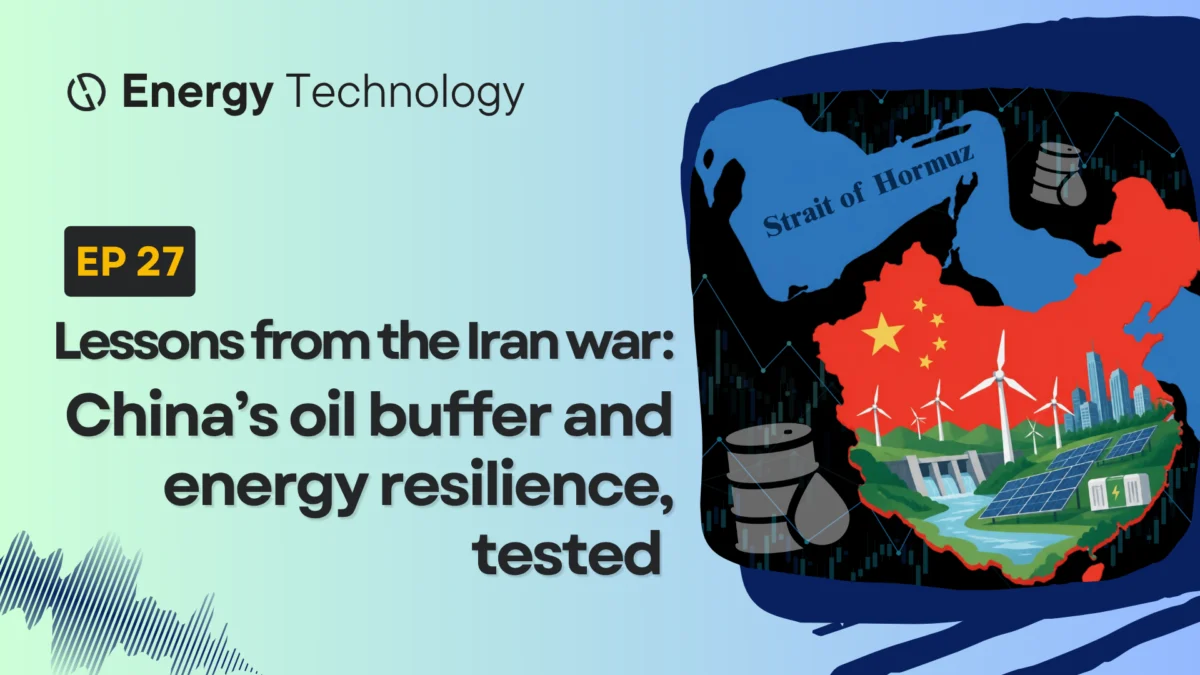
The 2026 conflict in Iran and the subsequent, extended closure of the Strait of Hormuz served as a seismic geopolitical event, sending shockwaves through global energy markets. As the world’s primary maritime artery for crude oil—carrying nearly a fifth of global daily oil consumption—the shutdown acted as a brutal stress test for every major economy. Yet, amidst the ensuing global panic and price volatility, China, the world’s largest crude oil importer, displayed a surprising level of immunity.
While other nations scrambled to secure emergency supplies, Beijing appeared to operate with a measured, almost surgical, calm. This resilience has sparked a global debate: Has the Asian powerhouse finally achieved the "unmatched energy resilience" it has long coveted, or is the country merely masking deep-seated structural vulnerabilities that are destined to surface?
Chronology of the Crisis: A Market in Flux
The closure of the Strait of Hormuz did not happen in a vacuum, but its impact was immediate.
- Week 1: Initial hostilities in Iran led to a rapid escalation in regional military activity. By the third day, tanker traffic through the Strait of Hormuz ground to a complete halt, triggering a 25% spike in global Brent crude prices within 48 hours.
- Weeks 2–4: As global markets remained in a state of high volatility, China began systematically drawing down its strategic petroleum reserves (SPR). Unlike Western nations that entered the market to purchase replacement barrels at premium prices, Beijing held back, signaling to the world that its internal buffers were sufficient to weather the initial storm.
- Month 2: The "buffer effect" became clear. By reducing its import volume by approximately 50%, China inadvertently acted as a stabilizer for the global market, preventing a potential surge toward $200 per barrel by keeping demand off the open market.
- Current Status: As the situation remains fluid, the international community is closely watching Beijing’s next move: will it move to replenish its reserves, or will it continue to lean on its domestic energy build-out?
The Four Pillars of Chinese Energy Resilience
According to Rory Green, Head of Emerging Markets Research at TS Lombard, China’s ability to withstand the 2026 shock was not accidental. It was the result of a decade-long, deliberate preparation strategy.
"There are four main buffers that China has built up, some deliberately, others less so," Green notes in his report, Is China immune to energy shocks? "The stockpile of commodities, the massive capacity in petrochemicals, low domestic inflation, and the aggressive electrification and energy build-out. Those four combined make China very resilient to this energy shock."
1. The Strategic Petroleum Reserve (SPR)
While the exact size of China’s SPR remains a state secret, satellite intelligence and macroeconomic data suggest a robust inventory. Green estimates that China currently holds roughly two months of reserves—both in raw crude and refined products—providing a vital cushion against sudden supply chain failures.
2. Petrochemical Overcapacity
China has spent years expanding its downstream refining capabilities. By maintaining massive excess capacity, the country can pivot between different refined products, allowing it to keep its manufacturing and transport sectors humming even when crude inputs are restricted.
3. Economic Stability and Low Inflation
By maintaining a controlled, low-inflation environment, Beijing was able to prevent the energy shock from translating into a broader consumer price crisis. This stability allowed the government to manage the logistics of energy distribution without facing domestic civil unrest.
4. The Electrification Pivot
China’s world-leading deployment of electric vehicles (EVs) and high-speed rail, coupled with a massive build-out of renewable energy infrastructure, has fundamentally altered its energy consumption profile. By reducing the "oil intensity" of its GDP, China has made itself less vulnerable to global crude price spikes than it was a decade ago.
The "Energy Powerhouse" Ambition: An Official Perspective
Erica Downs, a senior research scholar at the Center on Global Energy Policy at Columbia University, emphasizes that these buffers are merely the tactical side of a broader strategic transformation. Beijing is driven by a singular national ambition: to become a self-reliant "energy powerhouse."
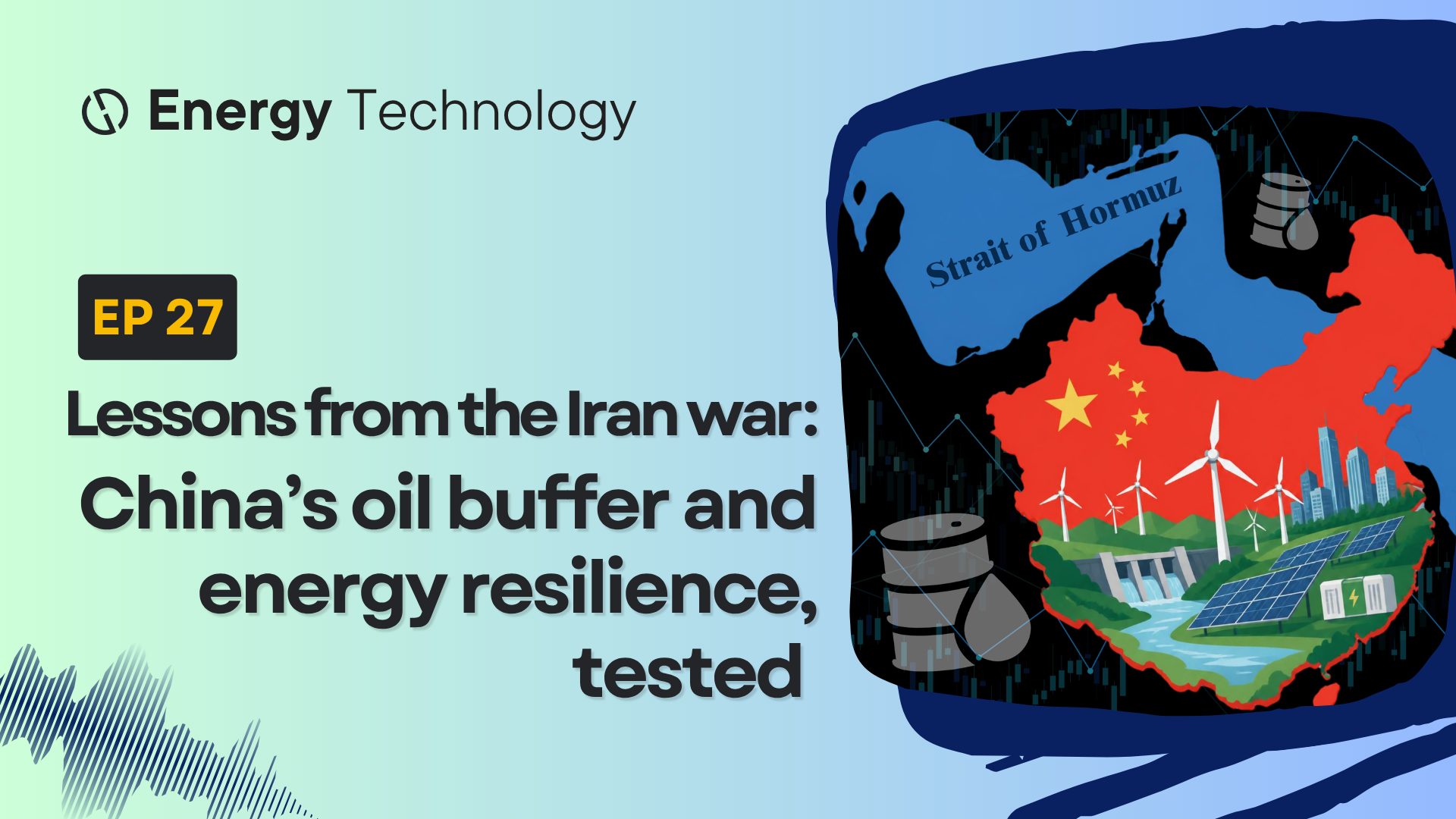
"The conflict in the Gulf has simply underscored that the best way to ensure China’s energy security is to source as much energy as it can from home," Downs explains. "That means using more renewable energy because China is limited in its oil and natural gas resources. Coal is also part of the story, but China does have plans to peak coal consumption by 2030."
However, this transition is fraught with complexity. Both Green and Downs caution that while China has built a shield, it is not yet airtight. The country remains heavily reliant on imported crude and gas, and oil is notoriously difficult to displace in sectors like aviation, heavy shipping, and complex petrochemical manufacturing.
Implications: The Risks of a "Worse-Case" Scenario
The most significant risk to China’s current strategy is a prolonged closure of the Strait. If the disruption exceeds the two-month "buffer window," the dynamics could shift from stability to chaos.
The Refill Dilemma
If China’s reserves reach a critical low, Beijing will be forced back into the global market to replenish its supplies. If this happens while the Strait is still closed, it could trigger a "buy-in" frenzy that would send oil prices skyrocketing globally. This "response function" is the ultimate test of China’s influence; if the government deems the risk too high, it will abandon its patient, price-sensitive approach in favor of an aggressive, high-cost procurement strategy.
The Russian Factor: Buffer or Liability?
The 2026 crisis has also brought into focus the China-Russia energy corridor. While overland pipelines offer a secure alternative to maritime chokepoints, the relationship is a double-edged sword.
Downs points out that while Russia provides a convenient, sanctions-friendly source of energy, China is acutely aware of the danger of replacing one vulnerability with another. The absence of an announcement regarding the "Power of Siberia 2" gas pipeline during recent diplomatic summits suggests that Beijing is hesitant to tether its long-term energy future too closely to Moscow. Furthermore, there is a lack of cohesion in the Chinese market; while the state focuses on long-term strategy, many independent Chinese buyers remain purely price-driven, continuing to chase discounted Russian crude regardless of the long-term geopolitical cost.
Moving Toward a Post-Hormuz Reality
The 2026 Iran war has acted as a catalyst for a global re-evaluation of energy agendas, and China is at the center of this transformation. For President Xi Jinping, the resilience displayed during this period is likely seen as a validation of the "dual circulation" strategy—a policy that emphasizes domestic production and consumption while maintaining strategic reserves.
However, the lessons from this crisis are clear:
- Systemic transformation is slow: Beijing’s move toward renewables and domestic energy sources is robust, but it cannot replace fossil fuel imports overnight.
- Financial De-risking: Expect a renewed push for the internationalization of the Renminbi (RMB) to insulate China from the US-dollar-denominated global oil market.
- Technology Sovereignty: China will likely accelerate its investments in domestic energy technology, from advanced battery storage to high-efficiency grid management, to ensure that it is not dependent on foreign intellectual property during an energy crisis.
As the world looks toward the future, the 2026 crisis has proven that energy security is no longer just about access to supply; it is about the structural ability to withstand the absence of it. China has successfully navigated the first phase of this stress test, but the path to true energy independence remains a high-stakes, multi-decade endeavor. For the rest of the world, the message is equally stark: the era of relying on stable, open maritime trade routes for energy may be drawing to a close, and the race to build domestic, resilient energy ecosystems has only just begun.