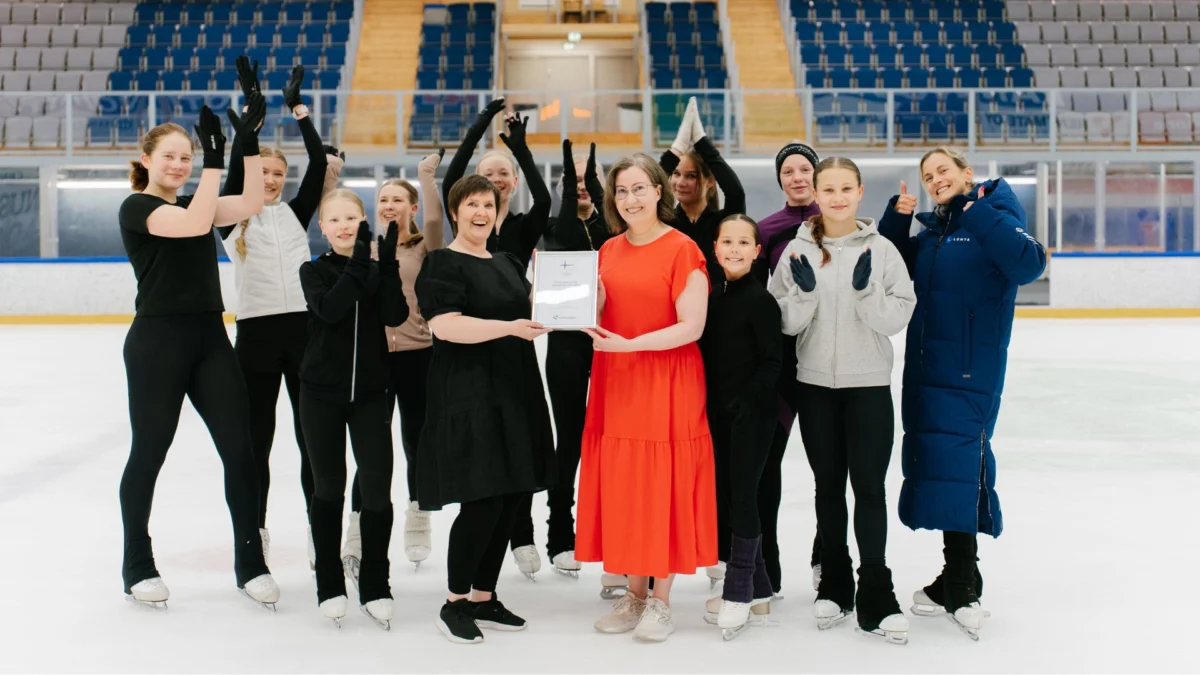
In a testament to the transformative power of vision, collaboration, and community-driven development, the Finnish Olympic Committee has awarded the prestigious "Future Sports Club" (Tulevaisuuden urheiluseura) award to Kotkan Taitoluistelu (Kotka Figure Skating Club). Now in its fifth year, this national recognition—supported by financial administration partner Rantalainen—seeks to identify and celebrate sports organizations that represent the gold standard in modern, sustainable, and inclusive club management.
The €2,500 grand prize serves as both a reward for past achievements and a catalyst for future innovation. As grassroots sports face increasing pressure to modernize their administrative structures while maintaining the core values of physical activity and community health, Kotkan Taitoluistelu has emerged as a beacon of progress.
The Pillars of Success: Why Kotkan Taitoluistelu Prevailed
The selection criteria for the "Future Sports Club" are rigorous. Applicants are evaluated not merely on athletic success, but on their commitment to long-term developmental strategies, corporate-level responsibility, and their ability to foster deep-rooted community partnerships.
Kotkan Taitoluistelu distinguished itself through a multi-faceted approach to growth. The club has effectively bridged the gap between traditional sports values and modern administrative efficiency. By integrating advanced digital tools and maintaining a transparent, member-centric communication strategy, the club has managed to professionalize its operations without sacrificing the warmth and inclusivity that defines a local sports association.
Digital Transformation and Administrative Efficiency
A cornerstone of the club’s recent success is its bold embrace of digital infrastructure. Recognizing that volunteer-led organizations often struggle with the bureaucratic burden of financial management and member tracking, the club migrated to the Suomisport platform, integrated seamlessly with the Procountor financial management software.
This digital shift has revolutionized the club’s daily operations. By automating invoicing, member registration, and financial reporting, the club has successfully liberated its volunteers from time-consuming administrative manual tasks. This shift allows coaches and board members to refocus their energy on what matters most: the athletes, their skill development, and the overall member experience. Furthermore, the club’s proactive internal IT development—including a bespoke web-based ice time scheduling system slated for launch next season—demonstrates a high level of innovation and technical competence rarely seen at the local club level.
A Chronology of Renewal: The Path to the "Tähtiseura" Status
The recognition received this year is the culmination of a deliberate, multi-year strategic pivot. The last season in particular served as a turning point for the organization, characterized by an intensive effort to align the club’s identity with modern standards of quality and responsibility.
- 2025: Strategic Alignment: The club formally entered the Finnish Olympic Committee’s Tähtiseura (Star Club) program. This journey required a comprehensive audit of their internal processes, from safety and coaching quality to financial governance.
- Early 2026: Value Refinement: During the Tähtiseura process, the club facilitated an extensive value-definition project involving the entire membership. The consensus resulted in three core pillars: Joy, Encouragement, and Community. These values have since become the foundation for every decision made by the board and the coaching staff.
- Spring 2026: Official Accreditation: The culmination of these efforts was the receipt of the "Tähtimerkki" (Star Mark) for children and youth, a formal seal of approval from the national governing body, certifying that the club adheres to the highest standards of safety, ethics, and developmental appropriateness.
- Mid-2026: The "Future Sports Club" Award: The national recognition serves as the final validation of their rapid yet stable transformation into a model organization.
Legislative Advocacy: Securing Year-Round Ice
Perhaps the most significant achievement in the club’s history is their role in solving a long-standing infrastructure challenge in the Kotka region. For years, ice-sport clubs in the area were hindered by the mandatory summer closure of ice rinks, which forced athletes to travel long distances or take extended breaks from training.
In a remarkable display of civic engagement and inter-club solidarity, Kotkan Taitoluistelu teamed up with the Hamina-Kotka Kiekkojuniorit (a local ice hockey organization). Together, they drafted a formal council initiative, backed by a comprehensive business plan, aimed at securing summer ice availability. The City Council’s subsequent approval of this proposal represents a landmark victory for regional sports. For the first time in history, skaters in Kotka have access to ice and training camps during the summer months within their own municipality. This is a profound example of how a sports club can act as a powerful advocate for its members and the broader community.
Official Responses and Perspectives
The accolades for Kotkan Taitoluistelu have resonated across the Finnish sports administration sector.
Emma Joki, Chief Operating Officer of Rantalainen, noted that the club’s trajectory is a blueprint for others:
"Kotkan Taitoluistelu is an excellent example of a club that develops its operations systematically and courageously. They have done impressive work in modernizing administration, strengthening community ties, and building local cooperation. This kind of long-term development creates a robust foundation for the future of club activities."
Liisa Ahlqvist-Lehkosuo, Director of Sports at the Finnish Olympic Committee, emphasized the club’s ability to evolve:
"The club demonstrates beautifully how an organization can reinvent itself by listening to its members. They have taken significant steps toward responsibility, digitalization, and community spirit. Most impressive, however, is the collaboration with the city, which has made year-round training possible in Kotka. This is a structural change that will have lasting benefits for years to come."
Pia Ahokas, Secretary of the Kotkan Taitoluisteluseura, expressed the club’s gratitude and future focus:
"It feels wonderful to receive recognition for our long-term development work. This encourages us to continue improving our club activities even more boldly. The stipend we received is particularly vital; it gives us the resources to invest in our coaching path. We want to create a sustainable chain where our own skaters can eventually train to become instructors and coaches themselves. Continuous improvement of our staff’s competence is our highest priority."
Implications for the Future of Finnish Grassroots Sports
The success of Kotkan Taitoluistelu sends a clear message to sports organizations across Finland: the era of the "traditional, unorganized club" is fading. To remain relevant, clubs must adapt to a landscape that demands professional transparency, digital agility, and active engagement with municipal partners.
Building Beyond the Ice
The club’s impact extends far beyond the rink. By actively promoting the sport through social media, organizing kindergarten visits, and participating in local events like the Meripäivät (Maritime Festival) parade, the club is effectively lowering the barrier to entry for new participants.
Furthermore, the upcoming launch of a "para-skating" (sovereign/adaptive skating) group highlights the club’s commitment to equity. By ensuring that children and youth of all abilities have a place to participate, they are embodying the true essence of the "Future Sports Club" mandate: sports for all, grounded in a sustainable and inclusive structure.
The Role of Financial Stewardship
The partnership with Rantalainen highlights a growing trend: the professionalization of grassroots sports through corporate synergy. By treating the club like a well-run business, Kotkan Taitoluistelu has ensured its survival and growth. This transition from "hobbyist" management to "professional" management is the most significant hurdle for small clubs, yet as Kotka has proven, the rewards are immense.
Conclusion: A Model for the Nation
Kotkan Taitoluistelu has transformed from a local skating association into a benchmark for community development. Through their commitment to the Tähtiseura process, their bold advocacy for regional infrastructure, and their embrace of modern digital management, they have secured a future where local sport can thrive despite economic and administrative challenges.
As the club looks toward the next season, the focus remains clear: training the next generation of coaches, expanding access through adaptive sports, and continuing to nurture the sense of community that defined their success. In the eyes of the Finnish Olympic Committee and the broader sporting community, Kotkan Taitoluistelu is not just a place to skate—it is the future of Finnish club culture in action.