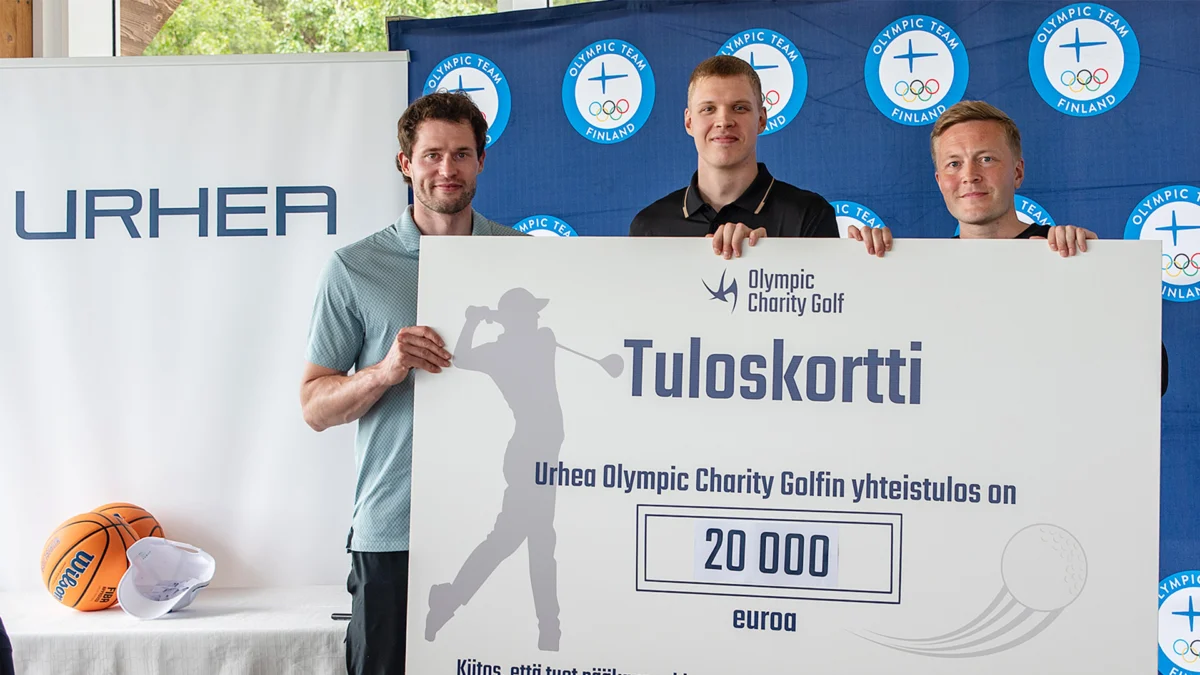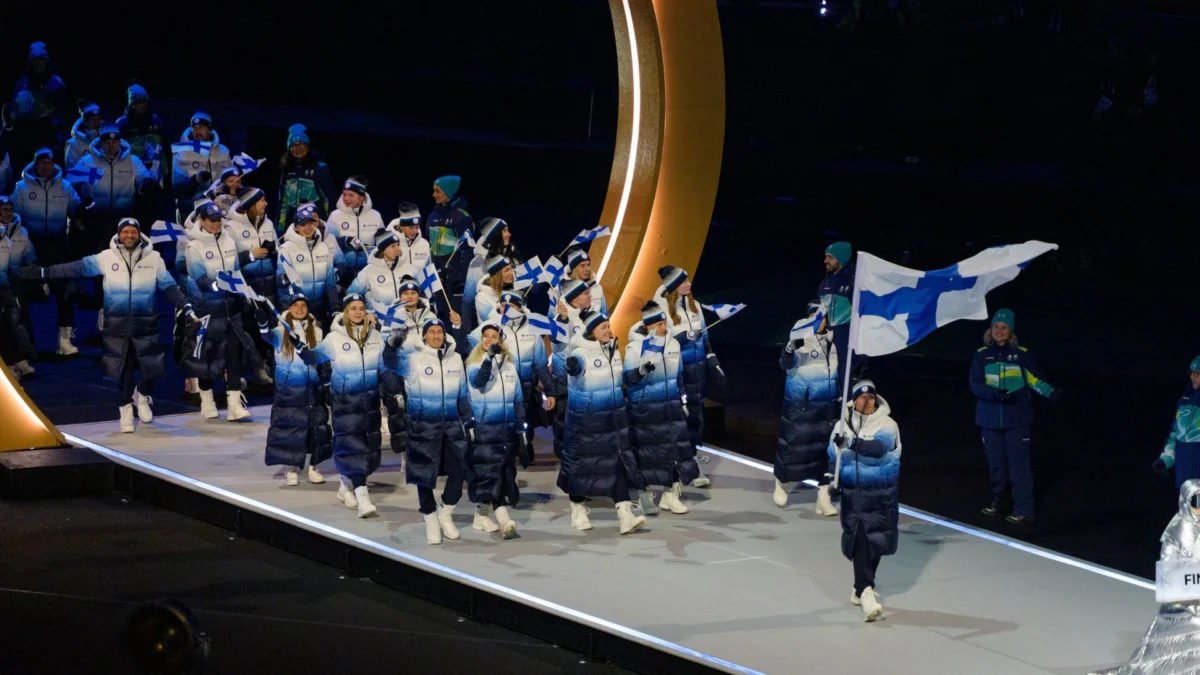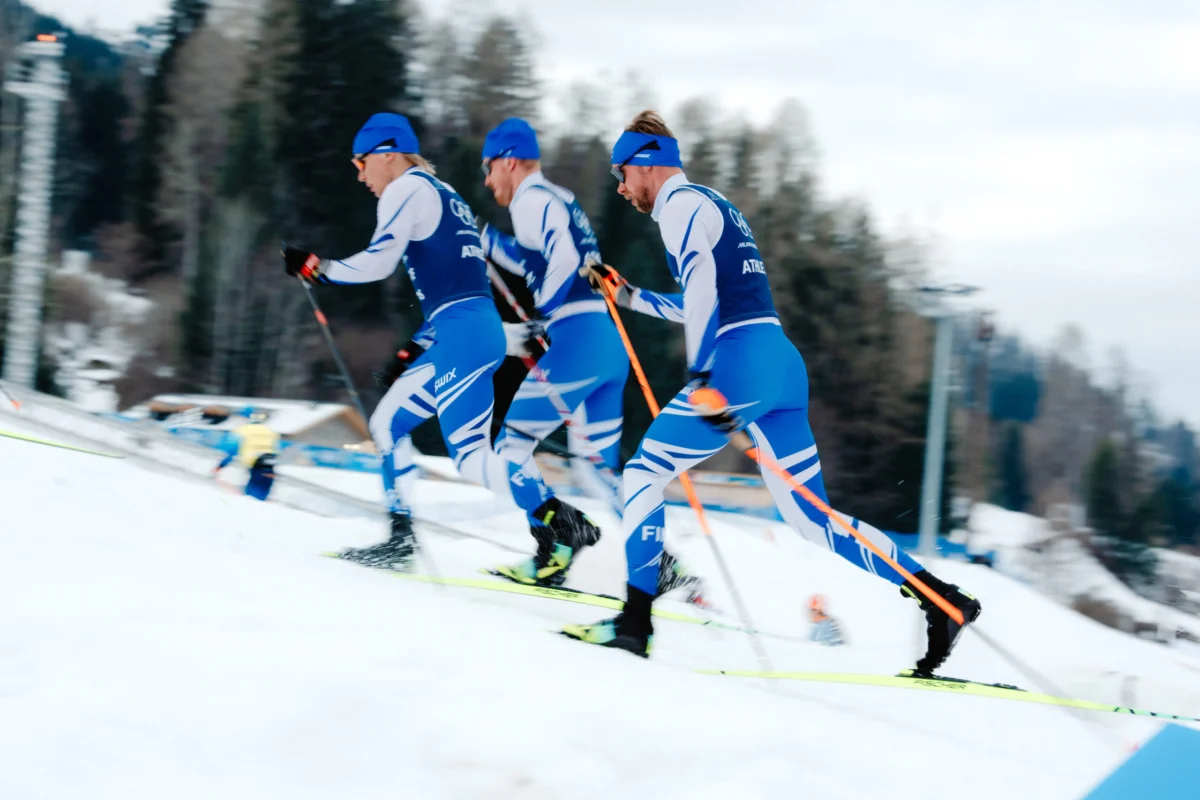
In the global arena of high-performance sports, Finland is pivoting away from the traditional model of broad, thin resource distribution. Instead, the nation is doubling down on a sharpened strategy of specialized knowledge, international collaboration, and targeted excellence. At the heart of this transformation are Finland’s two Olympic Training Centers (OVK)—Urhea in Helsinki and Vuokatti-Ruka—which have recently solidified their roles through a new partnership framework extending through 2030.
This shift represents more than just a logistical change; it is a fundamental reimagining of how a small nation competes against global giants. By moving toward a "sharper tip of the spear" philosophy, Finland aims to concentrate resources where they yield the greatest impact, all while ensuring that knowledge flows downward to foster the next generation of athletes.
The Global Exchange: Bringing the World to Finland
The necessity of this strategic shift was underscored in January 2026, when the British national gymnastics team—one of the world’s elite squads—spent eight days training at the Urhea facility in Helsinki. This was not merely a rental of space; it was a masterclass in knowledge transfer.
"We had the British gymnastics team on-site, and our coaches spent those eight days working side-by-side with their counterparts," explains Simo Tarvonen, CEO of the Helsinki Olympic Training Center. "It is a completely different experience to seek a benchmark abroad compared to having the experts here. When you build personal relationships, you build a foundation for long-term collaboration."
For Finland, the lesson is clear: international competitiveness is no longer about isolation or purely internal development. By acting as a hub for global talent, Finland creates an environment where its coaches and support staff can calibrate their standards against the best in the world without leaving home. This "import" of expertise is a cornerstone of the new national strategy.
Structural Evolution: Two Centers, One Goal
While both the Urhea (Helsinki) and Vuokatti-Ruka centers share the mandate of elevating Finnish sports, they operate through distinct, complementary methodologies.
The Human-Centric Model: Urhea
Urhea prioritizes the "human factor"—the cross-pollination of knowledge between different disciplines. In the corridors of the Helsinki center, coaches from vastly different sports—from judo to gymnastics—are encouraged to engage in informal and structured dialogue.
"It would be easy to describe these centers as mere training facilities, but their true value lies in the meetings between experts," says Janne Hänninen, Director of the High-Performance Unit at the Finnish Olympic Committee. "These are collision points. We encourage coaches to talk to each other even if their sports seem unrelated. You would be surprised how often common ground is found, particularly in the realm of athlete support and the mental load of high-performance coaching."
The Scientific Engine: Vuokatti-Ruka
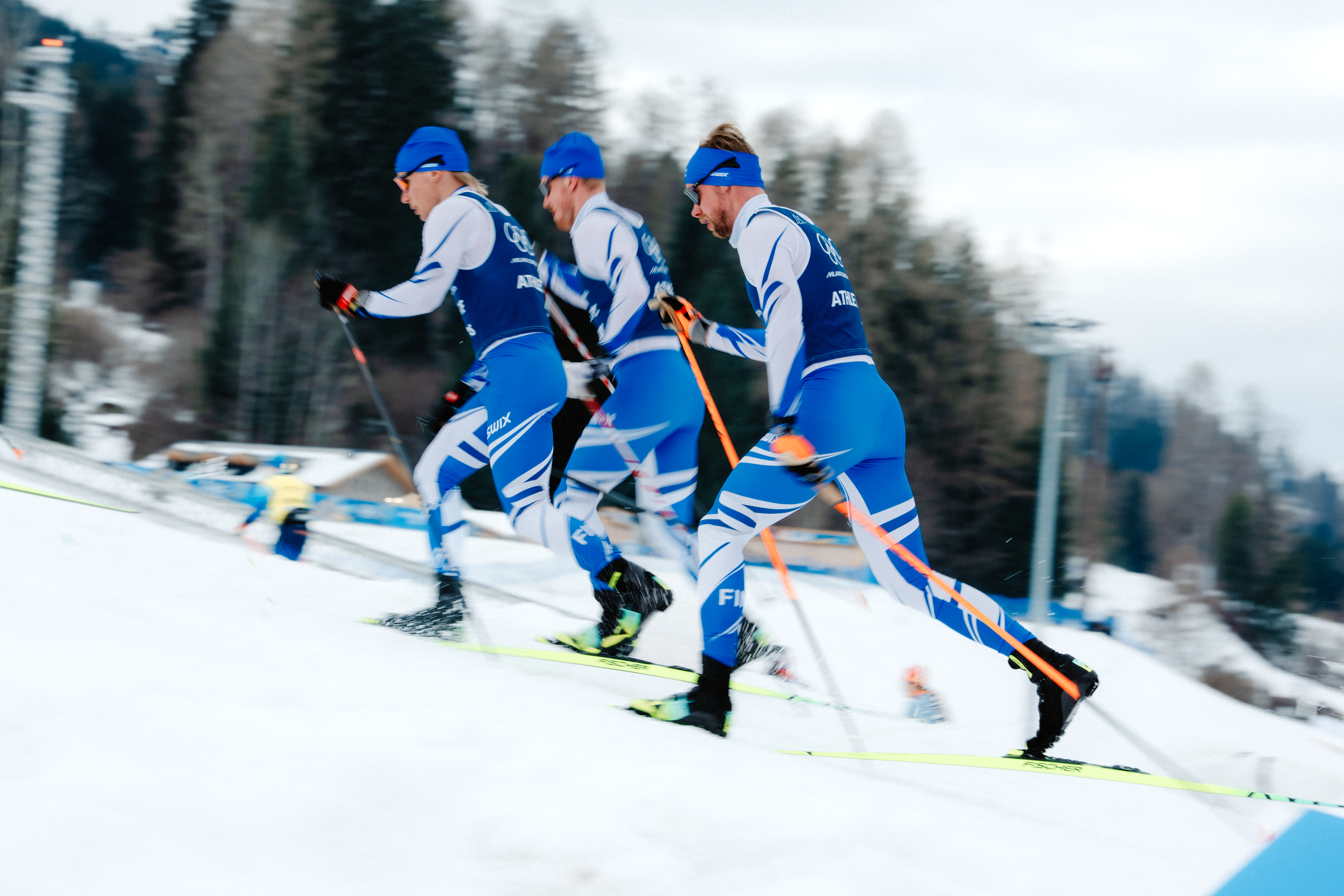
Conversely, the Vuokatti-Ruka center, nestled in the heart of Finland’s winter sports territory, focuses on the integration of science, technology, and practice. Its proximity to the University of Jyväskylä allows for a "From Science to Practice" model, where cutting-edge research is rapidly prototyped and implemented in daily training.
"Our strength lies in the seamless connection between the lab and the track," notes Janne Vuorinen, Director of the Vuokatti-Ruka Olympic Training Center. "We don’t just conduct studies; we apply them. Whether it’s developing new ski-grinding techniques or biometric analysis, the research is tailored to the immediate needs of our athletes."
Chronology of the Strategic Shift
- 2025 (Q4): Initial planning phases for the 2030 cycle begin, emphasizing the need for higher specialization.
- January 2026: The British gymnastics team visits Urhea, signaling a new era of international "knowledge-importing" partnerships.
- February 2026: Focused training cycles for winter athletes intensify, utilizing new data-driven methodologies developed at Vuokatti-Ruka.
- June 2026: The Finnish Olympic Committee formally signs a new multi-year cooperation agreement, solidifying the roles of the OVKs until 2030.
- August 2026: Vuokatti-Ruka announces a renewed focus on winter sports synergy, integrating the needs of cross-country skiing, biathlon, and Nordic combined into a single, cohesive research and development stream.
Supporting Data: The Efficiency of Shared Knowledge
One of the most significant successes in the new strategy has been the collaborative development of equipment and technical standards. A recent development project in ski maintenance serves as a prime example of how shared resources yield competitive advantages.
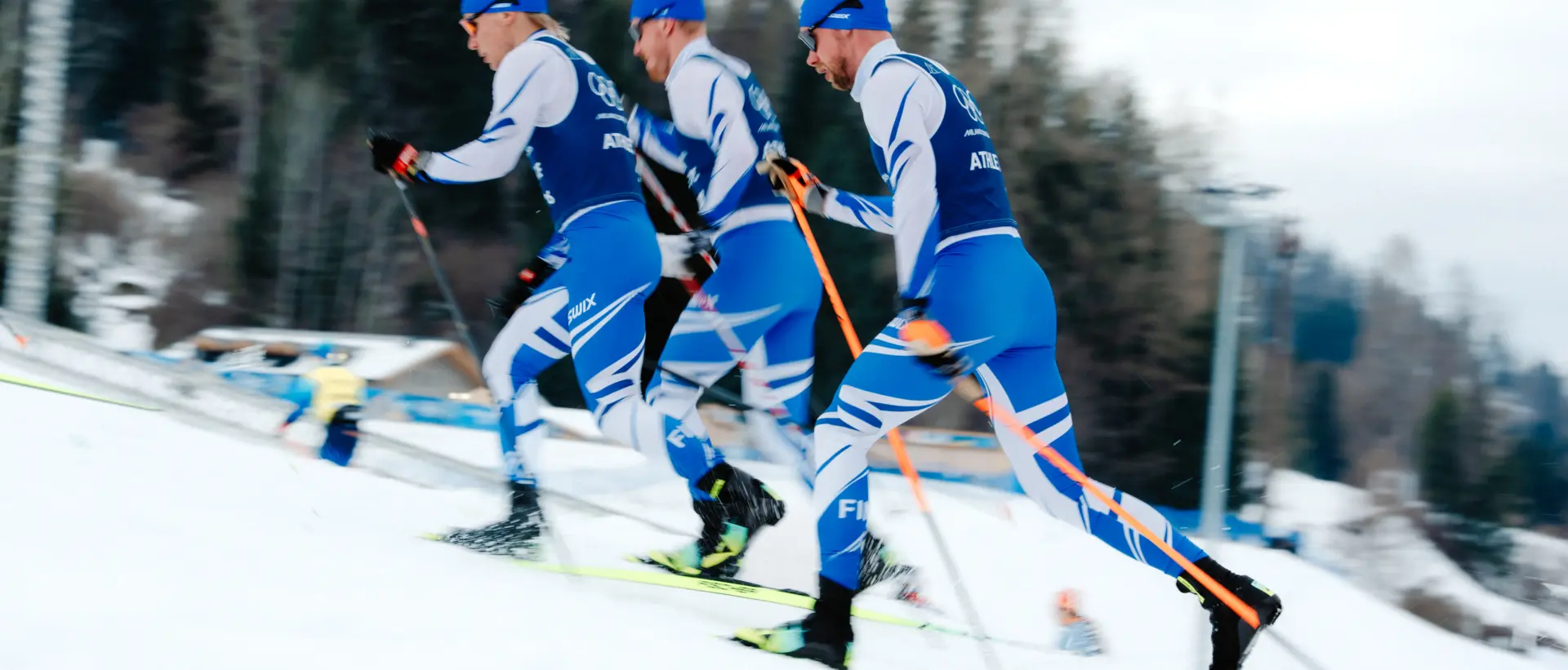
By analyzing the common needs of cross-country skiing, biathlon, and Nordic combined—often referred to as the "small-ski" sports—researchers were able to create a standardized approach to base grinding that benefits all three disciplines.
Olli Ohtonen, Professor of Winter Sports at the University of Jyväskylä, highlights the impact: "This project answered a very specific technical need for better base finishes. By having these sports work together under one technological umbrella, we create a competitive edge that is difficult for individual teams to achieve on their own. It is an efficiency of scale that keeps us relevant against nations with much larger budgets."
Official Responses and Internal Philosophies
The leadership within the Finnish Olympic system is remarkably aligned in their vision. The consensus is that the era of "spreading the butter too thin" is over.
"We cannot win by population or by raw funding," says Janne Hänninen. "We have to win by being smarter, more agile, and more honest about our current standing."
Hänninen emphasizes that "international standard" is not an abstract concept. It is a benchmark of physical, technical, and tactical performance. "Every person in this system, including the ‘down-jacket men’ in management, must have an insatiable curiosity. We have to ask ourselves every day: how can we be better?"
Simo Tarvonen echoes this sentiment, framing it as a professional duty to the athletes. "When I see an athlete training for the World Championships, giving their absolute everything, I have to ask myself: am I giving the same level of commitment in my role? The athletes are our North Star."
Implications for the Future: A Holistic System
The long-term success of these centers relies on their ability to feed knowledge back into the broader Finnish sports academy system. The OVKs are not ivory towers; they are the "engine rooms" that power the entire national ecosystem.
"The centers focus on the elite, but the knowledge must flow downward," says Janne Vuorinen. "Everyone works in the same spaces. A high school athlete training at the academy is often using the exact same systems and testing protocols as an Olympian. This is how we ensure that our future talent is already operating at a professional level before they even reach the senior circuit."
The "Systemic Ownership" of Success
The ultimate goal, as defined by the new 2030 strategy, is to create a culture of "systemic ownership." In this model, when an athlete succeeds, it is recognized as a victory for the entire chain—from the local club that nurtured them as a child to the regional academy and finally the Olympic Training Center.
"We want to build an atmosphere where the local club feels the success of an Olympian is theirs, too," Tarvonen explains. "When we stop competing for the ‘credit’ and start competing for the ‘result,’ we move the entire country forward. We are building a machine that doesn’t just produce medals; it produces a higher standard of athletic excellence across the board."
Conclusion: The Road to 2030
As Finland looks toward the 2030 Winter Olympics and beyond, the path is defined by a rigorous commitment to cooperation. By leveraging the human-centric expertise of Helsinki and the science-driven infrastructure of Vuokatti-Ruka, Finland is creating a blueprint for high-performance sports that is both sustainable and fiercely competitive.
The message to the world is clear: Finland may be small, but its capacity for integration, research, and collaborative excellence is world-class. Through the combined efforts of the Olympic Training Centers, the nation is not just preparing for the next podium—it is building the future of sports science and high-performance management.
In this new era, the "sharpest tip of the spear" isn’t just an athlete; it is the entire Finnish sports system, united in its pursuit of becoming the best version of itself.