France stands at a pivotal crossroads in its energy policy. Long celebrated for a grid dominated by carbon-neutral nuclear power, the nation is now grappling with the dual pressures of aging reactor infrastructure, the urgent need for decarbonization, and the rising demand for electricity driven by electrification and industrial sovereignty. As Paris navigates this transition, the debate over the optimal energy mix—balancing traditional nuclear base-load power with the rapid scaling of wind and solar—has become the defining political and economic challenge of the decade.
Main Facts: A Grid in Transition
France’s energy identity is deeply rooted in the nuclear expansion of the 1970s and 1980s. Today, approximately 70% of the nation’s electricity is generated by a fleet of 56 nuclear reactors. However, this fleet is entering a period of significant maintenance, life extension, and eventual decommissioning.
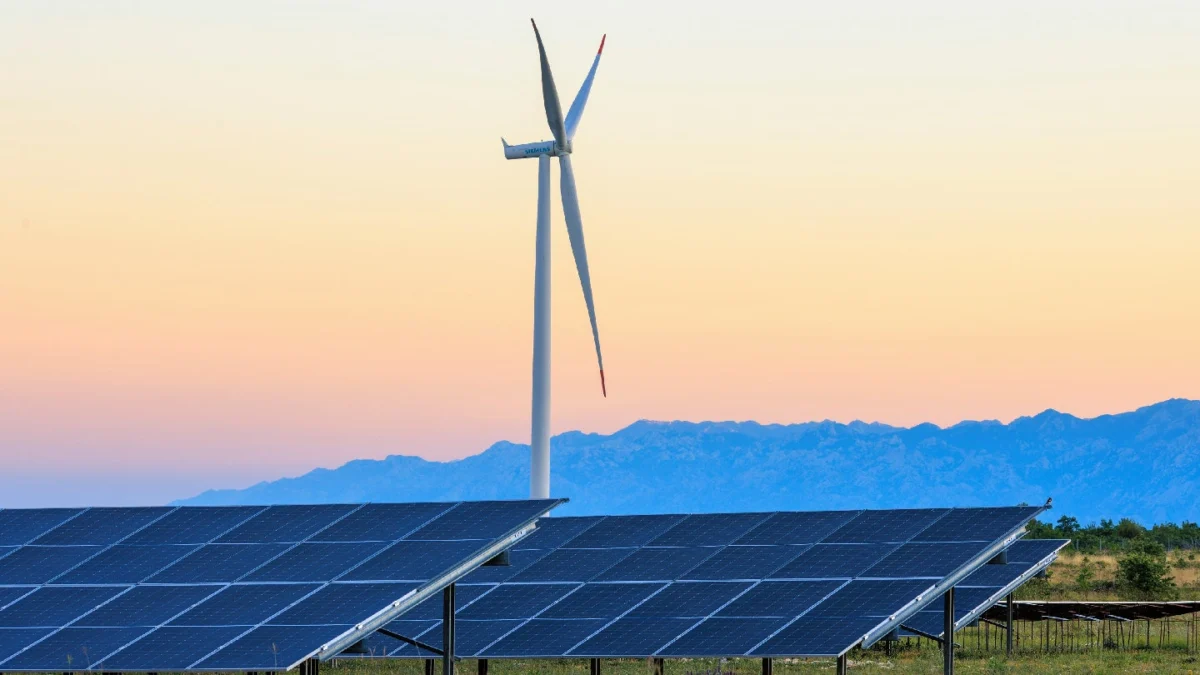
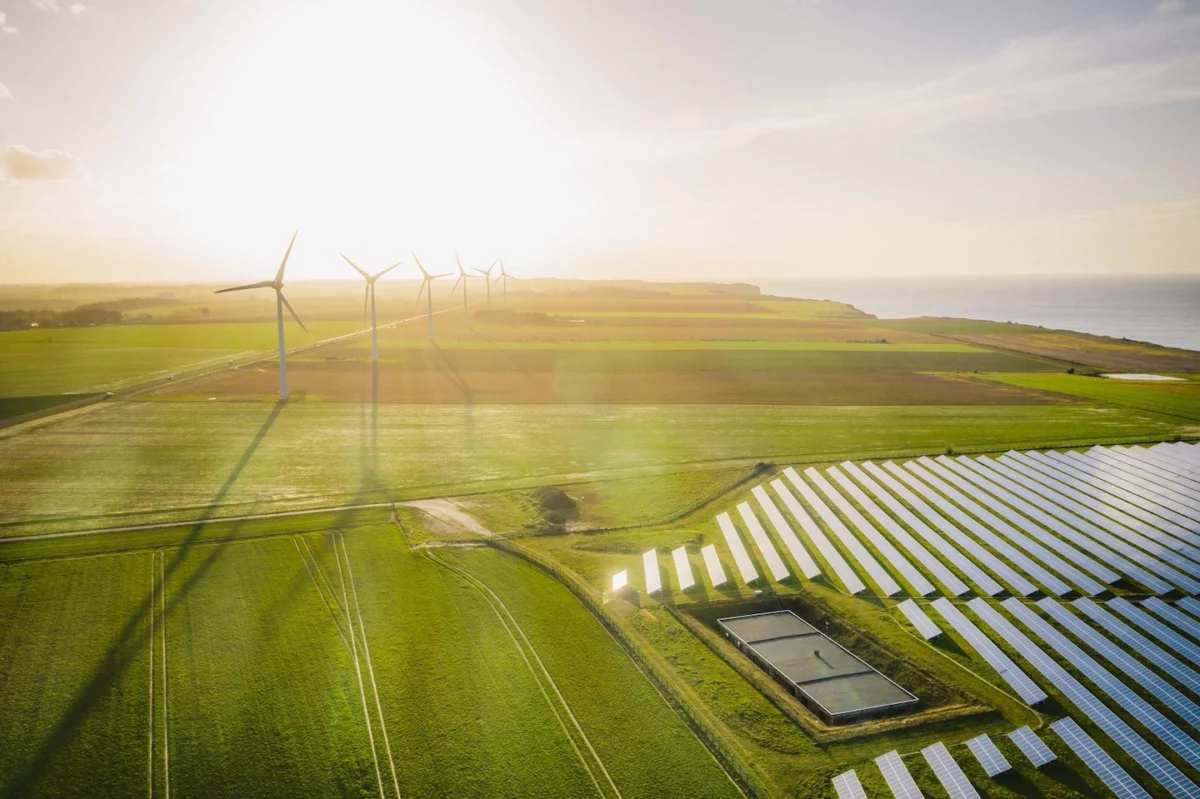
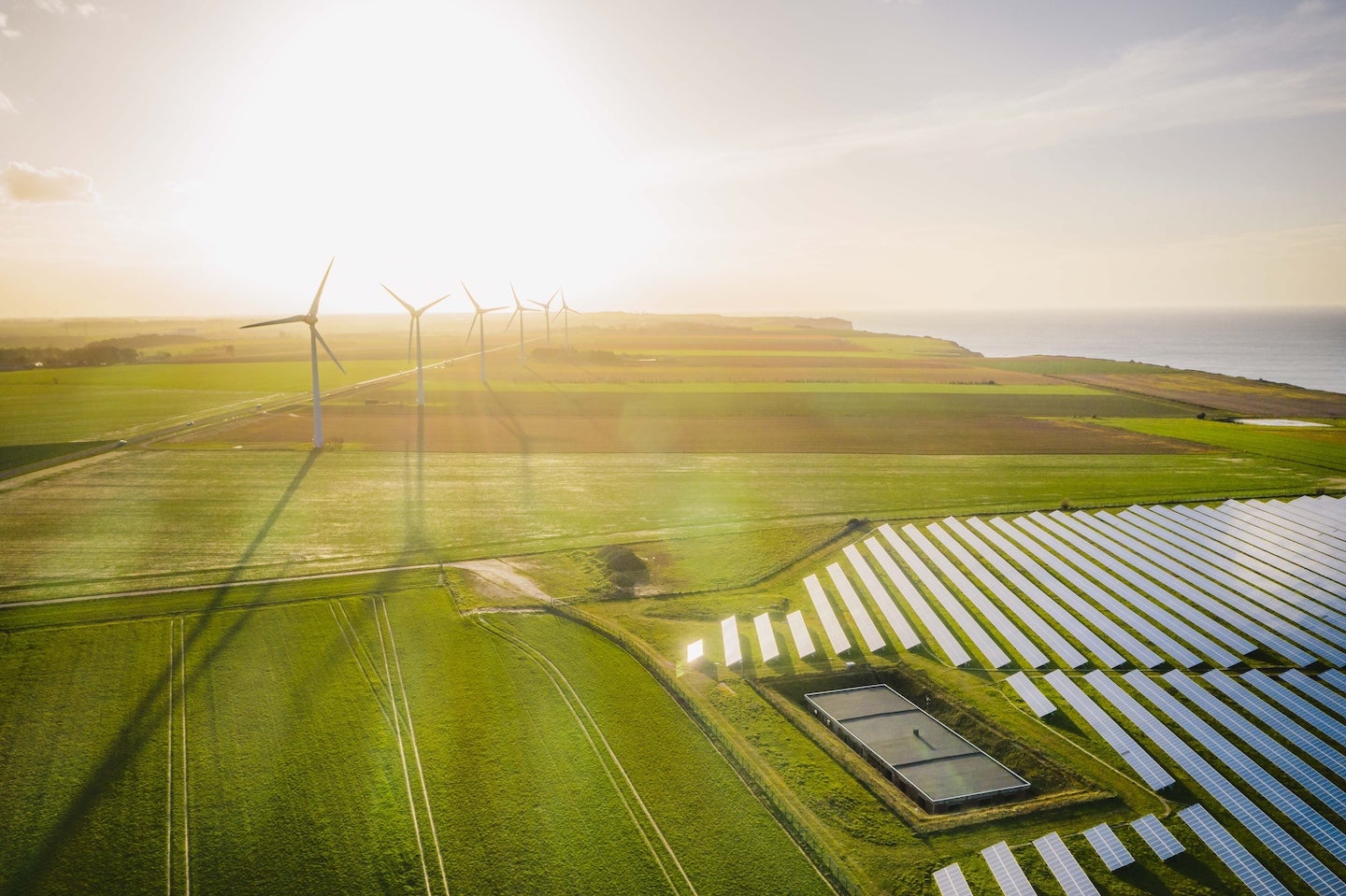
The core challenge currently facing the French Ministry for Energy Transition is how to manage the "energy gap." While the state-owned utility, Électricité de France (EDF), works to optimize the output of existing reactors and initiates plans for the construction of new EPR2 (European Pressurized Reactor) units, the government has simultaneously committed to an aggressive expansion of renewable energy. This includes a massive build-out of offshore wind capacity and the deployment of solar photovoltaic installations across the French landscape. The fundamental question remains: Can France effectively synchronize the reliability of nuclear energy with the variable nature of renewables, or will the costs of maintaining two distinct, large-scale systems prove prohibitive?
Chronology: The Evolution of French Energy Policy
The trajectory of French energy policy has seen several seismic shifts over the last decade:
- 2015 – The Energy Transition for Green Growth Act: This landmark legislation aimed to reduce the share of nuclear power in the electricity mix to 50% by 2025, reflecting the then-government’s desire to diversify energy sources.
- 2018 – The Multiannual Energy Plan (PPE): Faced with the realities of climate change and the need for reliable energy, the government began to soften the hard targets on nuclear reduction, recognizing that cutting nuclear capacity prematurely could jeopardize decarbonization goals.
- 2022 – President Macron’s Belfort Speech: In a significant policy pivot, President Emmanuel Macron announced a "nuclear renaissance," confirming plans for the construction of at least six new EPR2 reactors, with the potential for eight more. This signaled a clear departure from the earlier focus on nuclear contraction.
- 2023 – The Renewable Energy Acceleration Law: To counter the slow pace of wind and solar deployment, the French Parliament passed legislation designed to slash administrative red tape, streamline permitting for offshore wind farms, and incentivize the installation of solar panels on large parking lots and industrial sites.
- 2024 – The Current Stance: France is now operating under a "dual-pillar" strategy, where nuclear provides the carbon-free base-load, while renewables are utilized to manage peak demand and satisfy growing electricity needs.
Supporting Data: The Quantitative Landscape
To understand the scale of the challenge, one must examine the metrics. According to recent data from the International Energy Agency (IEA) and national grid operator RTE (Réseau de Transport d’Électricité):
- Nuclear Availability: During the energy crisis of 2022, the unavailability of roughly half of the French nuclear fleet due to corrosion issues and maintenance delays highlighted the risks of over-reliance on a single technology. While the fleet has largely recovered, the cost of these repairs is estimated in the billions of euros.
- Renewable Growth: France has lagged behind its European peers, such as Germany and Spain, in terms of wind and solar capacity per capita. However, the current pipeline for offshore wind, particularly in the Atlantic and Mediterranean, is expected to add several gigawatts (GW) by 2030.
- Electricity Demand Forecasts: RTE predicts that French electricity consumption could rise by 35% to 50% by 2050 due to the transition away from fossil fuels in transport and heating (e.g., the massive deployment of heat pumps). This surge in demand necessitates a near-total overhaul of the current energy infrastructure.
- Cost Projections: The levelized cost of electricity (LCOE) for new nuclear is significantly higher than for utility-scale solar or onshore wind. However, proponents argue that the "system cost"—the price of providing grid stability and battery storage for renewables—makes the total investment gap between the two technologies narrower than it appears on paper.
Official Responses and Stakeholder Perspectives
The debate is characterized by a diversity of viewpoints from industry leaders, environmental groups, and political figures.
The Nuclear Advocacy
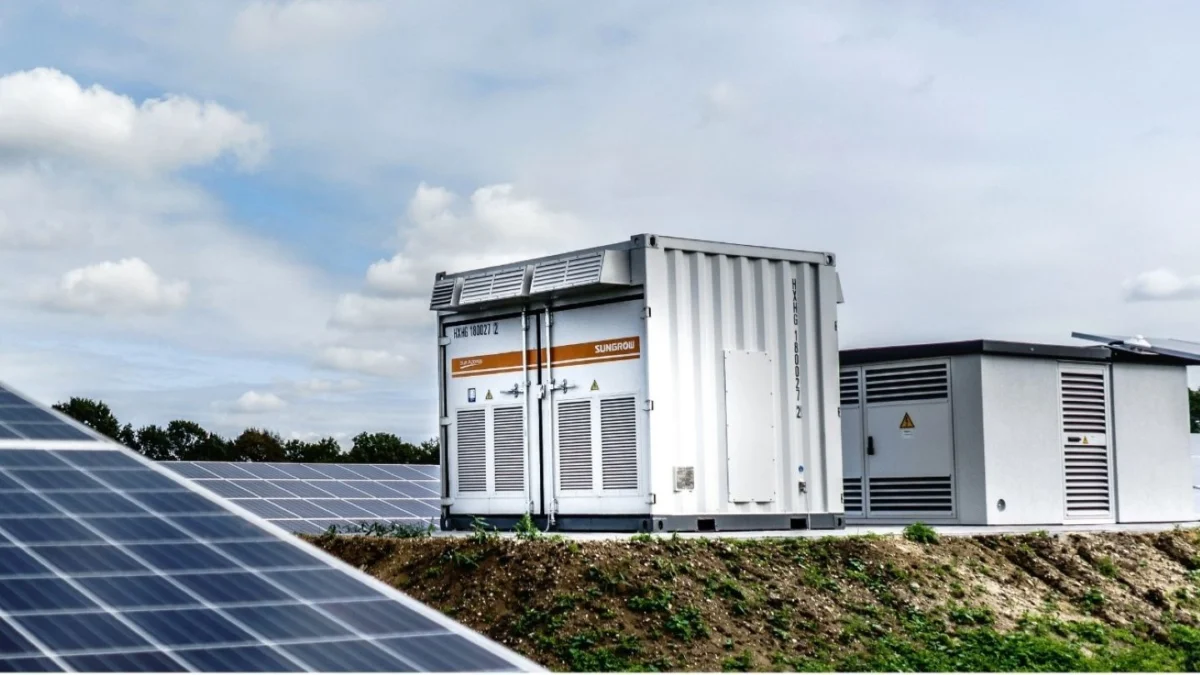
EDF and the French government emphasize that nuclear energy is the most reliable, low-carbon way to maintain "industrial sovereignty." They argue that a reliance on intermittent renewables alone would require astronomical investments in battery storage and hydrogen infrastructure, technologies that are not yet mature enough to support a modern industrial economy at scale.
The Renewable Energy Sector
Industry associations, such as France Énergie Éolienne, maintain that nuclear projects have a long lead time—often 15 to 20 years from planning to commission. They argue that renewables are the only "fast-track" solution to address the immediate climate crisis and that the government’s focus on nuclear should not come at the expense of permitting reforms for solar and wind.
The Environmentalist View
Critics of nuclear power, including various NGOs, point to the unresolved issues surrounding radioactive waste management and the environmental impact of uranium mining. They advocate for a faster pivot to energy efficiency and decentralized renewable production, arguing that the centralized "large-scale" energy model is outdated.
Implications: The Path Toward 2050
The implications of France’s current strategy are profound, not only for the nation but for the broader European Union.
Grid Stability and Market Integration
As more renewables are integrated into the French grid, the role of nuclear must shift. Instead of operating as a constant baseload, future nuclear plants may need to become more "flexible," adjusting their output to complement the fluctuations of wind and solar. This creates technical challenges for aging reactors, which were designed for steady-state operation.
Industrial Competitiveness
For French industries—ranging from steel manufacturing to the emerging electric vehicle battery sector—stable and affordable electricity is a matter of survival. If France can successfully balance its energy mix, it will retain its competitive edge as a low-carbon energy hub. If the transition fails, rising energy costs could lead to industrial flight, undermining the nation’s economic goals.
The European Context
France is currently pushing for nuclear to be classified as a sustainable investment under the EU’s Taxonomy Regulation. This is crucial for securing green financing for new reactor projects. The success of this policy effort depends on France demonstrating that it can manage the environmental and safety risks associated with nuclear power, while simultaneously showing significant progress in its renewable deployment.
Societal Acceptance
Finally, the "test" of nuclear and renewables is not just technical—it is social. The development of large offshore wind farms and high-voltage transmission lines has met with local resistance across France. The government must find a way to engage communities, ensuring that the transition to a carbon-neutral economy is perceived as fair and beneficial at the local level.
Conclusion
France is currently conducting a high-stakes experiment in national energy policy. By attempting to preserve its nuclear heritage while rapidly embracing a renewable future, the nation is seeking a "best-of-both-worlds" solution. While the financial, technical, and political hurdles are formidable, the outcome will serve as a template for other nations looking to decarbonize their economies without sacrificing industrial productivity.
The coming decade will be the true litmus test. Whether through the successful commissioning of the next generation of reactors or the large-scale integration of wind and solar, France’s ability to navigate this transition will determine its role as an energy superpower in the 21st century. The path forward is neither strictly nuclear nor strictly renewable; it is a complex, integrated system that demands both innovation and pragmatism. As the nation tests its ability to harmonize these two forces, the rest of the world watches, recognizing that the French energy model may well hold the key to a sustainable industrial future.