Date: June 30, 2026
Author: Samuli Haapasalo (Vuosi luonnossa)
The Finnish forest is never truly silent. Even in the deepest, most remote stretches of the taiga, the sharp, rhythmic whistle of a hazel grouse or the heavy, thunderous takeoff of a capercaillie reminds us that our woodlands are home to some of the most iconic birds in the northern hemisphere. As we move through the summer of 2026, the forest floor is teeming with life—poikueet, or bird broods, are on the move, marking a critical juncture in the annual cycle of our gallinaceous birds (game birds).
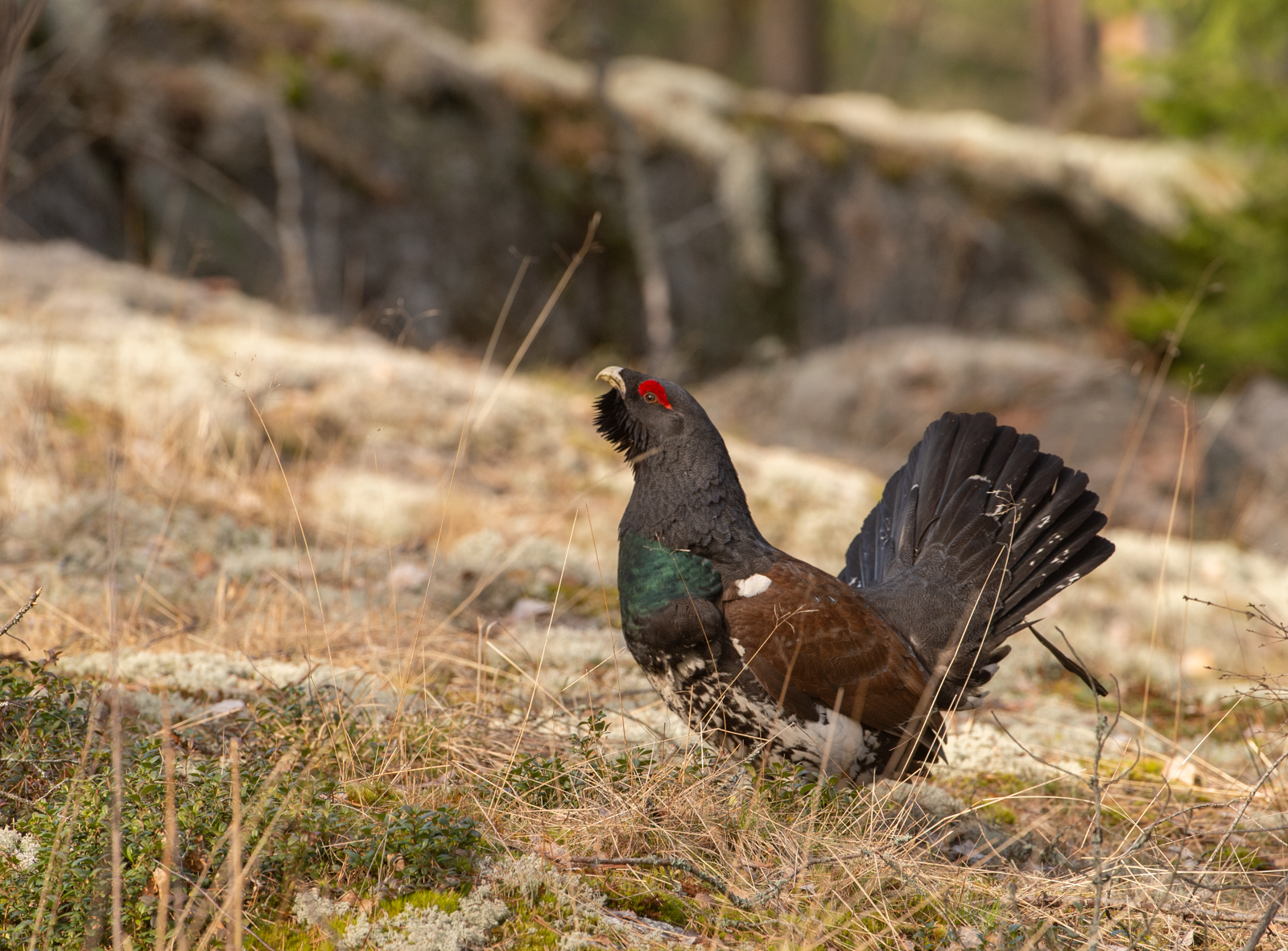
These species, ranging from the majestic capercaillie (metso) to the elusive, small quail (viiriäinen), serve as living barometers of the health of our natural environment. As their habitats face unprecedented pressures, understanding their biology, status, and the ecological challenges they navigate is more vital than ever.
The Gallinaceous Hierarchy: From Giants to Hidden Gems
Finland’s game birds are traditionally divided into two categories: "forest gallinaceous birds"—including the capercaillie, black grouse, willow ptarmigan, rock ptarmigan, and hazel grouse—and "field gallinaceous birds," such as the pheasant, grey partridge, and quail.
The Capercaillie: Monarch of the Taiga
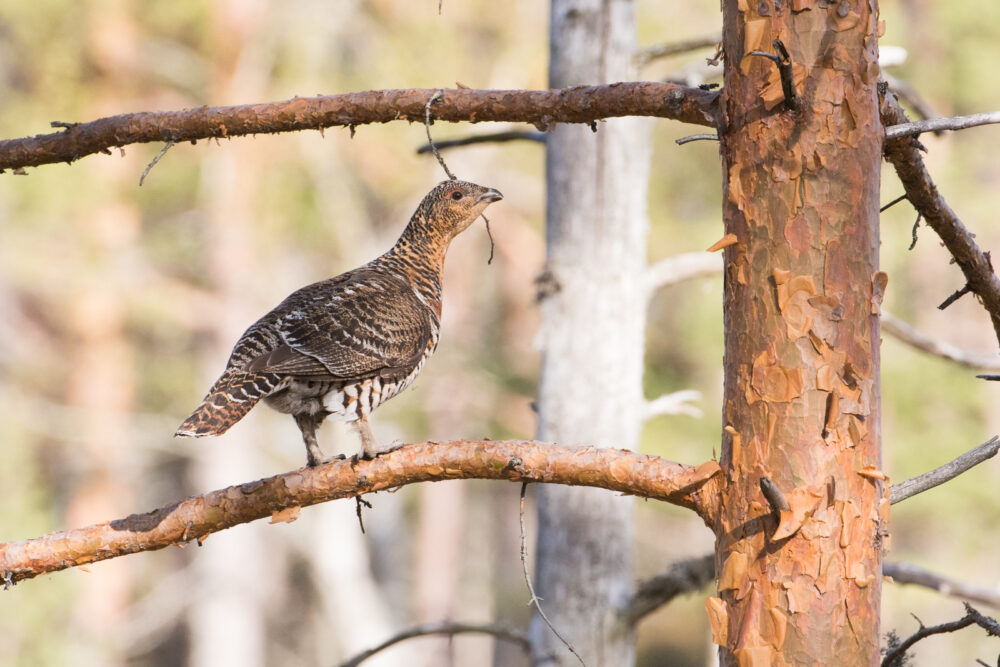
The capercaillie is, without question, the undisputed king of the Finnish forest. An adult male can reach a length of 70 centimeters and weigh over six kilograms, a size that commands respect in any woodland ecosystem. In contrast, the female, or koppelo, is significantly smaller, adorned in a mottled brown plumage that provides exquisite camouflage while she tends to her chicks.
The capercaillie is more than just a bird; it is a symbol of the "true" forest. It thrives in large, intact wilderness areas, particularly in the eastern reaches of North Karelia and Kainuu. When a capercaillie takes flight, the sound is a heavy, rhythmic beating that echoes through the ancient pines. Unfortunately, these birds are becoming harder to find. They require vast, contiguous forest tracts, and as these landscapes become fragmented, the capercaillie’s footprint recedes.
The Black Grouse and the Hazel Grouse
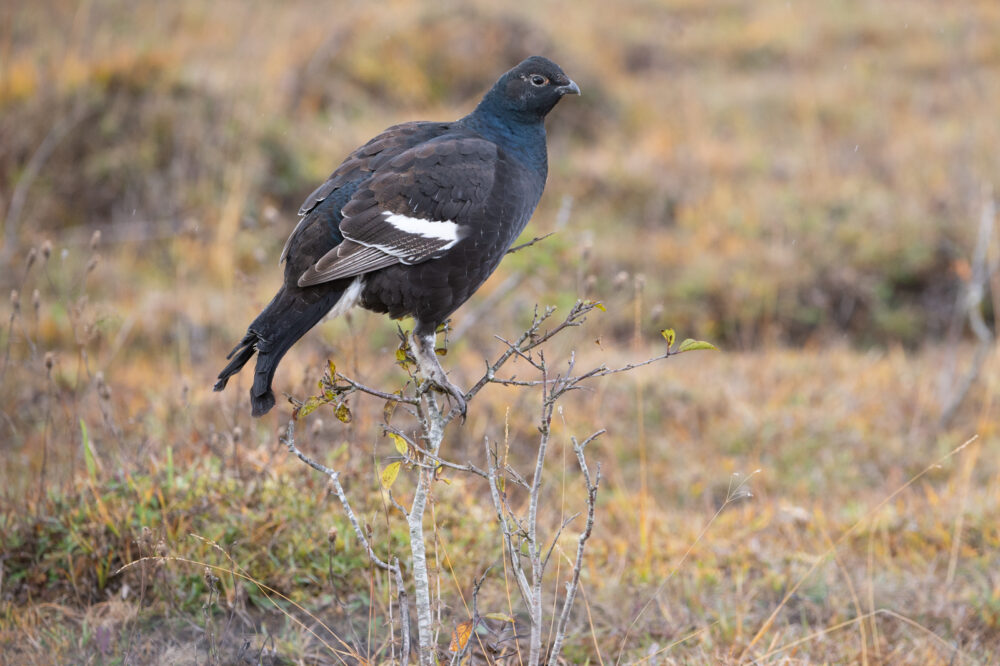
The black grouse (teeri) remains the most populous of our forest game birds, with an estimated 400,000 to 500,000 pairs. They are resilient, adaptable, and iconic for their winter survival strategy—burrowing into the deep snow in "snow caves" (kieppi) to shield themselves from the biting arctic winds.
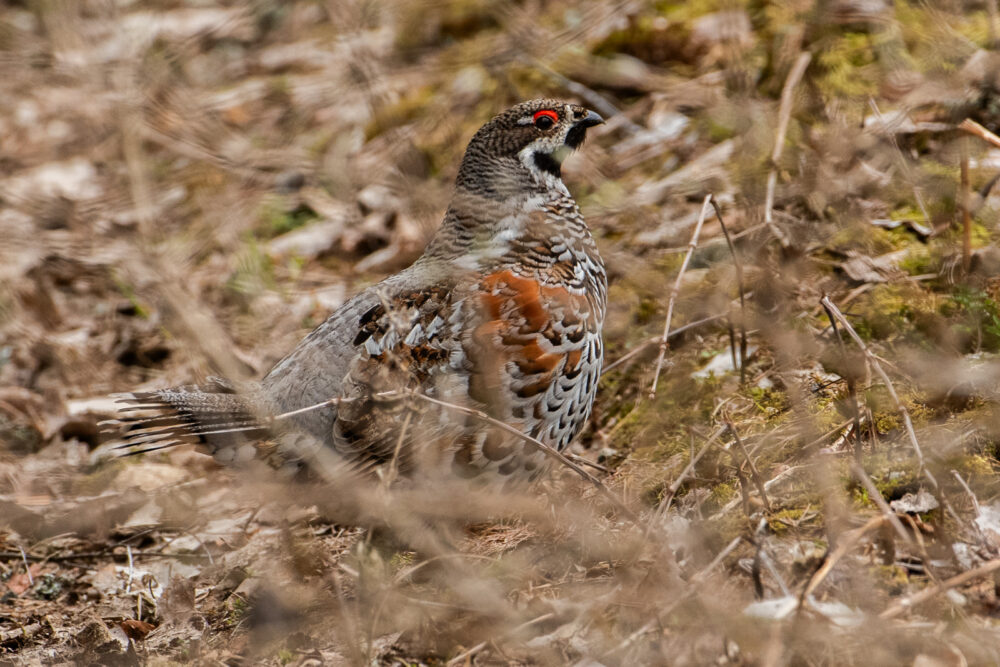
The hazel grouse (pyy), while smaller and more discreet, maintains a population roughly a quarter the size of the black grouse. It is the ghost of the forest—often heard before it is seen. Its high-pitched, melodic whistling is a quintessential sound of the Finnish wilderness, though the birds are notoriously shy, often darting behind branches just as an observer raises a camera lens.
Chronology: A Season of Vulnerability
The survival of these species is dictated by a strict seasonal calendar. The late spring and early summer months are the most critical.
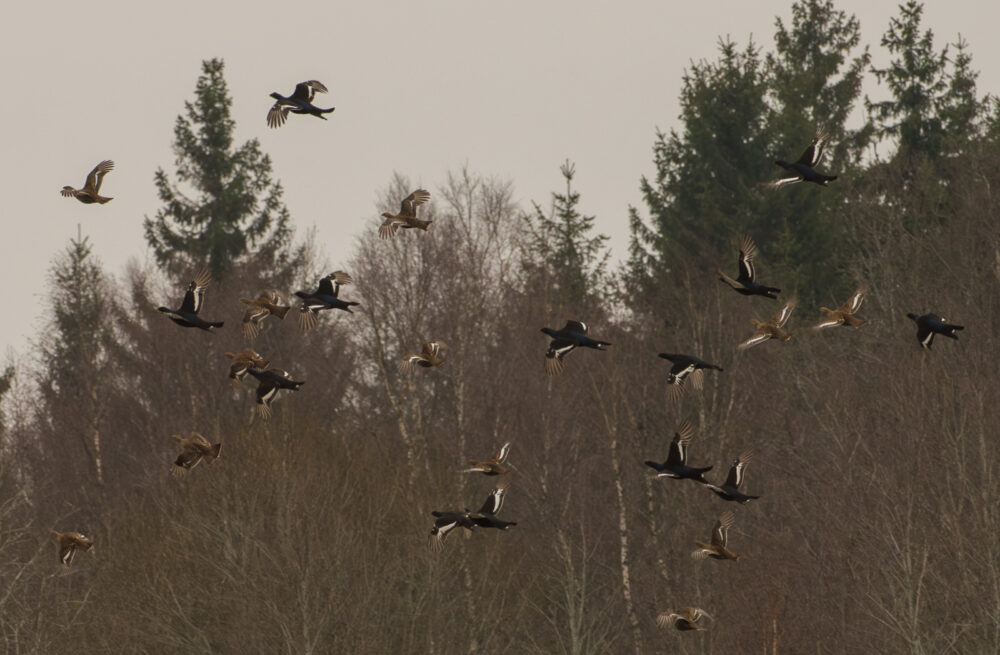
- April–May (The Soidin or Lekking Period): The forest comes alive with the sounds of the lek. The capercaillie’s unique song, though quiet, draws hens to specific spots, while the black grouse’s bubbling call carries across frozen lakes and open mires. This is the period of competition and pairing, which sets the foundation for the year’s population success.
- June (Hatching and Brooding): By late June, the chicks are out. This is a period of high vulnerability. Cold, wet weather during these early weeks can be devastating to chick survival, leading to poor recruitment for the year.
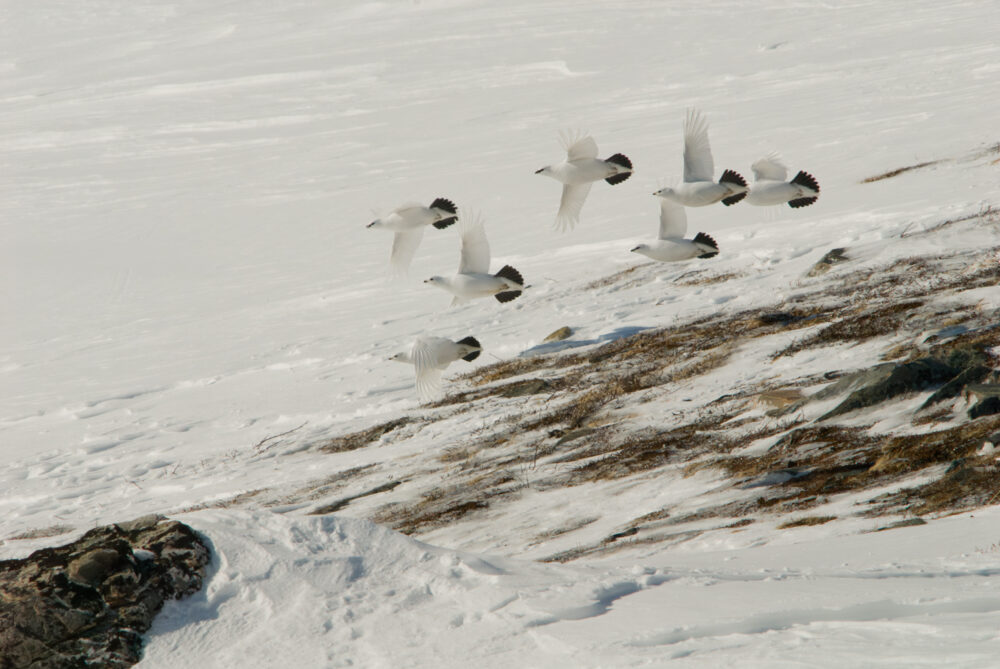
- Autumn (The Turning Point): As the seasons shift, the birds prepare for the lean months. For species like the ptarmigan, this involves a dramatic plumage molt, turning from summer brown to winter white.
- Winter (Survival Mode): The ability to find shelter in snow is the difference between life and death. For the ptarmigan and the black grouse, the snow is not just a landscape—it is a critical thermal blanket.
Supporting Data: Population Trends and Distribution
The data regarding these populations offers a sobering look at a changing climate and landscape.
| Species | Estimated Pairs (approx.) | Primary Threats |
|---|---|---|
| Black Grouse | 400,000–500,000 | Habitat loss, climate change |
| Capercaillie | 300,000 | Fragmentation of old-growth forests |
| Hazel Grouse | ~100,000–125,000 | Modern forestry practices |
| Grey Partridge | 9,000–20,000 | Agricultural intensification |
| Quail | ~300 | Habitat loss, elusive behavior |
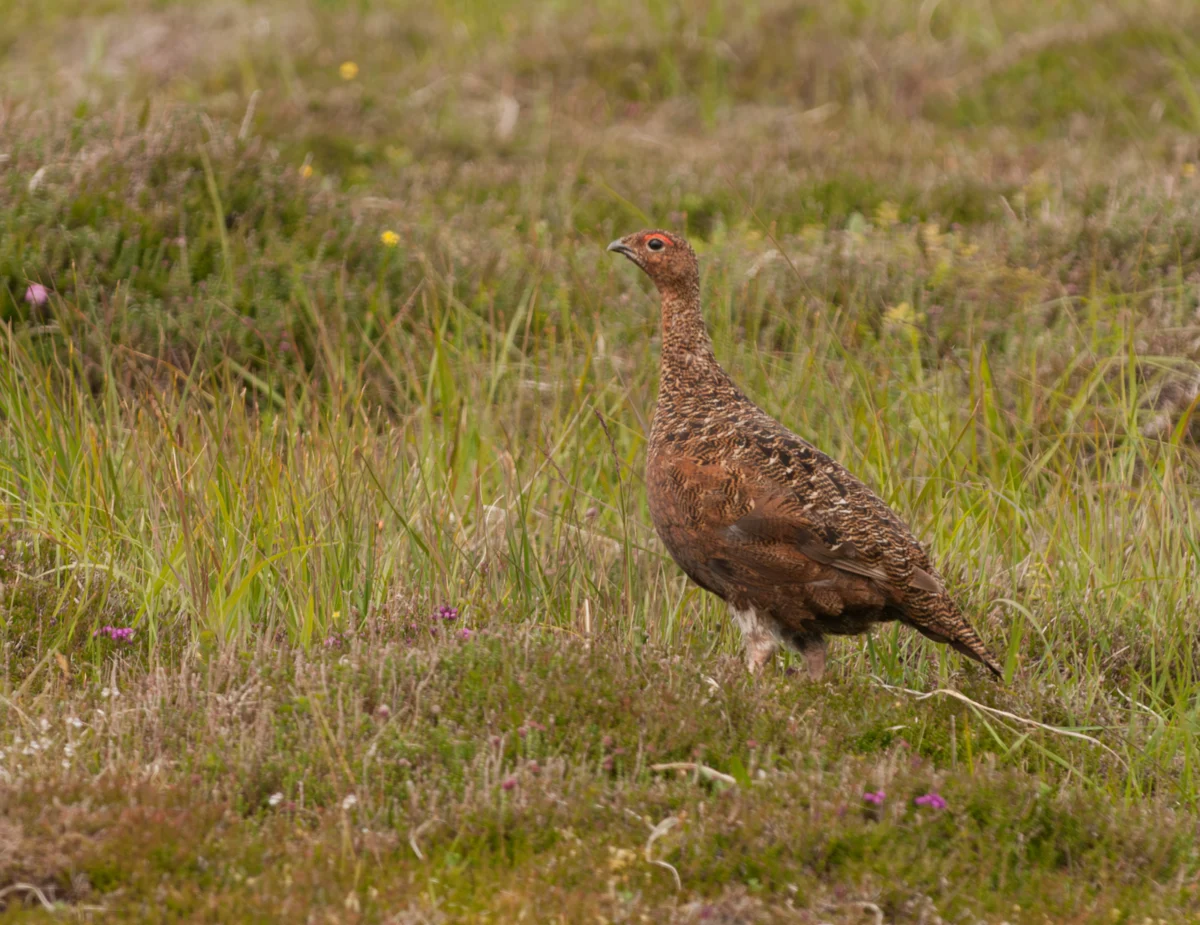
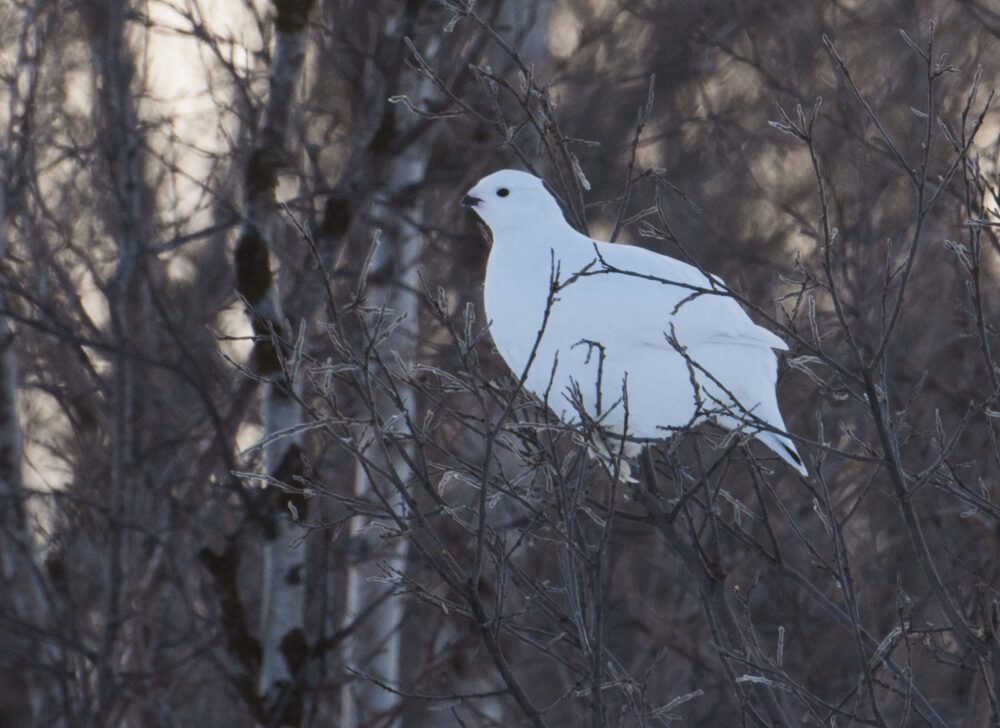
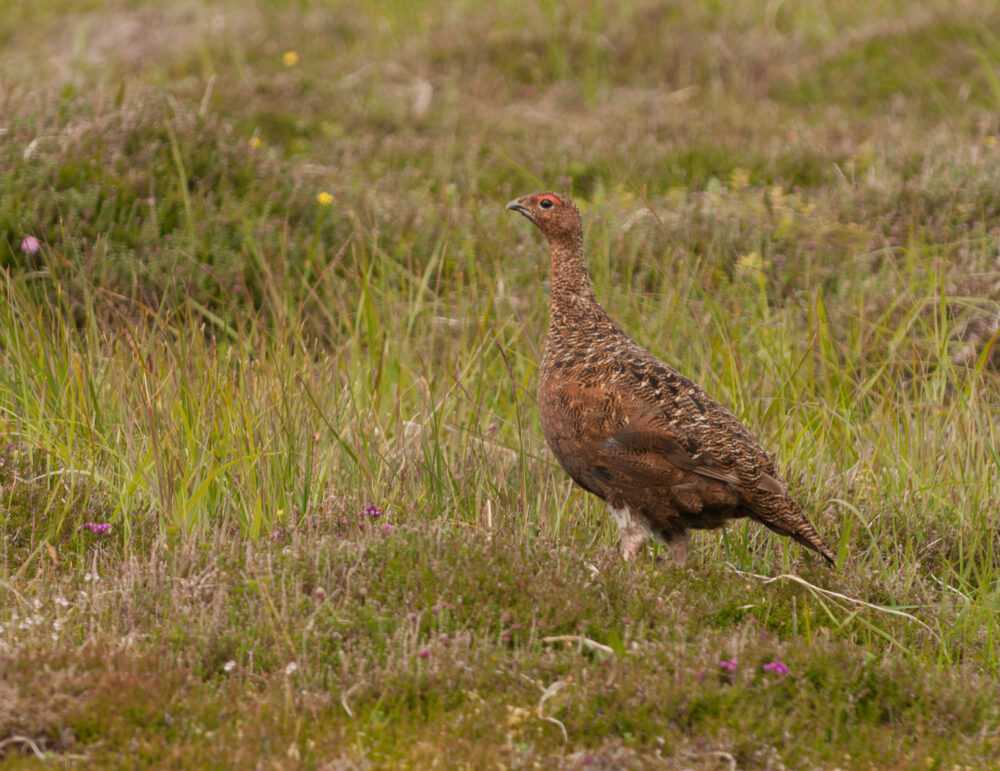
The willow ptarmigan (riekko) serves as the most striking example of range retraction. Once common across much of Southern and Central Finland, the ptarmigan has been pushed steadily northward. Historical records from the 1960s and 70s show sightings in the Tuusulanjoki valley and Haukivuori, areas where they are no longer found today. This shift is driven by a combination of swamp drainage, climate warming, and the loss of traditional open-landscape habitats.
Official Perspectives and Conservation Implications
The "Wood-Field" Problem
A significant concern for ecologists is the trend toward uniform, single-age forest management. These "wood fields" offer no cover, no diverse food sources, and no protection from predators. When a forest is managed for nothing but timber yield, the avian biodiversity—specifically for gallinaceous birds—plummets.
The consensus among wildlife biologists is that the current status of these birds is a direct reflection of the ecological health of our forests. As noted by field experts, a landscape that cannot support a capercaillie or a hazel grouse is a landscape that is failing its broader environmental duties.
The Role of Hunting and Climate
While habitat loss is the primary driver of population decline, experts also highlight that intensive hunting in years of poor breeding success exacerbates the problem. Furthermore, climate change is decoupling biological rhythms. The willow ptarmigan, for instance, molts its feathers based on day length. In a world where snow arrives later and later each year, a bright white bird sitting against a dark, snowless autumn landscape is a target that cannot survive.
The Case of the Pheasant
The pheasant, introduced to Finland by Karl Fazer in the early 20th century, occupies a different niche. It is a cultural inhabitant, found near human settlements and agricultural borders. While it has become a staple of the Finnish game landscape, it remains a species tied to human-modified environments, unlike the truly wild capercaillie.
Conclusion: A Call for Diversity
The survival of Finland’s gallinaceous birds requires more than just protecting a few isolated patches of land. It requires a fundamental shift in how we approach land use. We must move away from the "wood field" mentality and toward a model of forest management that prioritizes ecological complexity.
The sounds of the forest—the bubbling of the black grouse, the whistle of the hazel grouse, and the sharp, rhythmic calls of the quail—are the heartbeat of the Finnish wilderness. If we lose these sounds, we lose the very essence of the Finnish landscape. To ensure a sustainable future for both the forest industry and the birds that call these woods home, we must commit to a vision where biodiversity is not an afterthought, but the foundation of our stewardship.
As we look toward the future, the challenge remains: can we adapt our practices fast enough to keep these birds, and the ancient magic they bring to our forests, from fading into history? The answer lies in the trees, the mires, and the decisions we make today.