QUEENSLAND, AUSTRALIA – Spanish multinational energy giant Naturgy Energy Group has officially commenced construction on a significant renewable energy hub in Queensland’s Fraser Coast region. Representing a strategic investment exceeding €300 million ($344 million), the facility marks a pivotal step in the company’s international growth strategy and its ongoing commitment to the Australian energy transition.
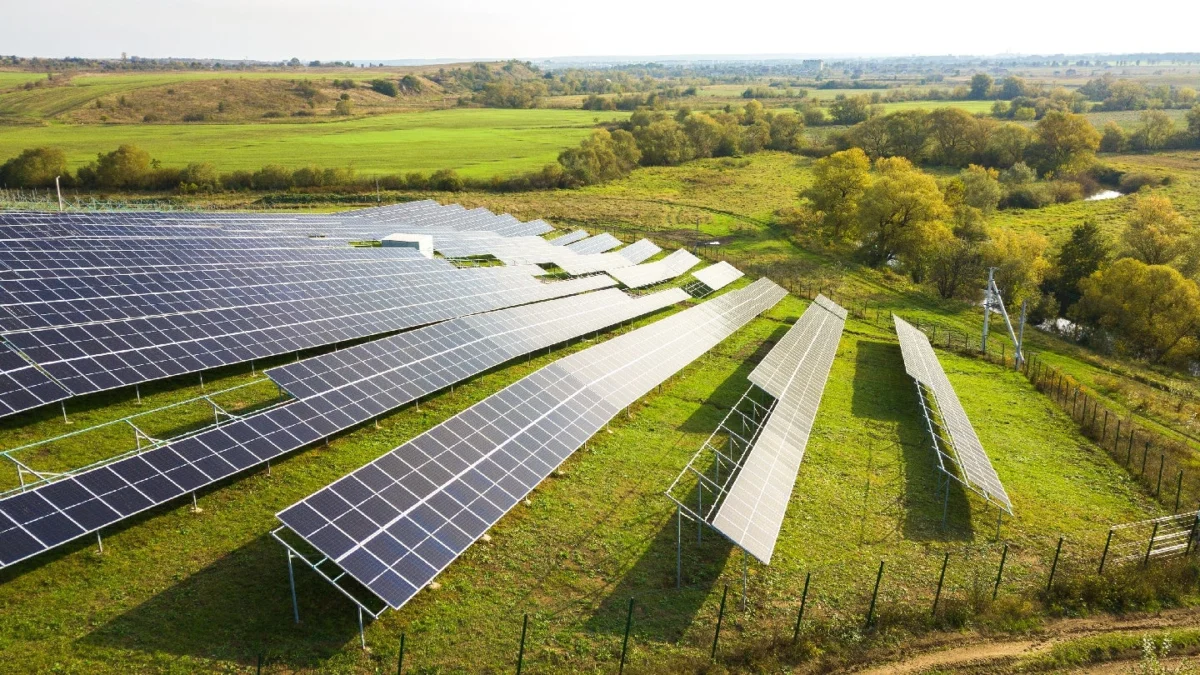
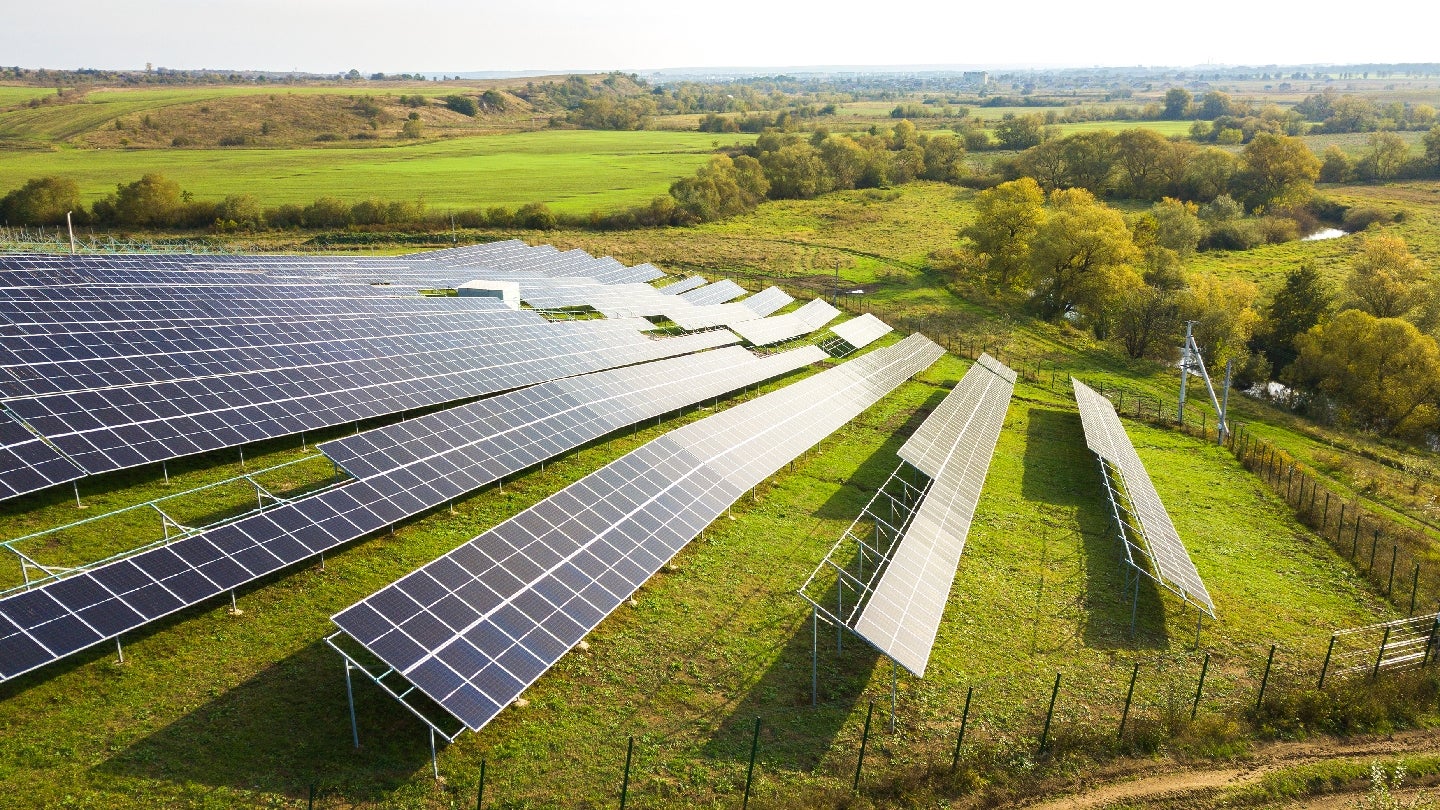
The project is set to integrate a 330MW solar photovoltaic (PV) array with a 180MW battery energy storage system (BESS), a hybrid configuration designed to address the intermittency challenges inherent in renewable power generation. As the global shift toward decarbonization accelerates, Naturgy’s latest venture underscores the growing necessity for utility-scale storage to stabilize electrical grids while meeting the rising demand for clean energy.
Main Facts: A Hybrid Powerhouse for the Queensland Grid
The Fraser Coast project is not merely a generation site; it is a sophisticated piece of energy infrastructure designed for grid resilience. By pairing solar generation with high-capacity battery storage, Naturgy aims to maximize the utility of the electricity produced, ensuring that power can be dispatched during peak demand periods even when the sun is not shining.
- Investment Value: Over €300 million ($344 million).
- Generation Capacity: 330MW of solar PV.
- Storage Capacity: 180MW Battery Energy Storage System (BESS).
- Development Lead: Global Power Generation (GPG), the Australian subsidiary of Naturgy.
- Operational Timeline: Construction is currently underway, with commercial operations slated to commence in 2028.
- Contractual Framework: The project is underpinned by a ten-year power purchase agreement (PPA), securing a long-term offtake for the electricity generated.
The project serves as a cornerstone of Naturgy’s "Asset-Light" strategy, which seeks to expand its footprint in high-growth markets like Australia while maintaining rigorous capital discipline.
Chronology: From Strategy to Groundbreaking
The journey toward the Fraser Coast facility has been marked by careful site selection and alignment with Australia’s ambitious Net Zero targets.
- 2025 (Planning Phase): Naturgy, through GPG, identified the Fraser Coast as an optimal location for hybrid energy generation, citing favorable solar irradiance levels and proximity to existing grid infrastructure.
- Early 2026 (Feasibility and Procurement): Preliminary site works and environmental impact assessments were completed. The company finalized its supply chain strategy, selecting Tier-1 technology partners for both the PV modules and the lithium-ion battery arrays.
- May 2026 (Shareholder Realignment): Amidst broader corporate restructuring, CVC Capital Partners divested its 13.8% stake in Naturgy, a €4 billion transaction that highlighted the shifting landscape of utility investment in Europe. Despite this change at the shareholder level, Naturgy’s operational focus on GPG remained unchanged.
- Mid-2026 (Final Investment Decision): Naturgy officially greenlit the project, securing the necessary environmental approvals and finalizing the ten-year PPA that provides the revenue certainty required to trigger the capital expenditure.
- Late 2026 (Construction Commencement): Groundbreaking occurred, marking the beginning of the site preparation and infrastructure build-out phase.
- 2028 (Operational Target): The plant is expected to reach mechanical completion and begin injecting clean energy into the Queensland grid.
Supporting Data: Naturgy’s Growing Footprint Down Under
Naturgy’s presence in Australia is channeled through Global Power Generation (GPG), a joint venture where Naturgy holds a 75% stake, with the remaining 25% held by the Kuwait Investment Authority (KIA). This partnership has proven instrumental in financing large-scale infrastructure in a market defined by high regulatory standards and rapid technological evolution.
The Existing Portfolio
Before the Fraser Coast development, Naturgy had already established a formidable presence in the Australian energy market with 1.3GW of operational capacity. This portfolio currently includes:
- Six Wind Farms: Distributed across various states, contributing to the baseload renewable supply.
- Two Solar Plants: Providing utility-scale solar generation.
- Existing Storage Assets: Including the Cunderdin project, which was the company’s first foray into hybrid PV and BESS technology in Australia.
Market Context
The Australian energy market is currently undergoing a massive transformation. The retirement of aging coal-fired power plants is forcing grid operators to rely more heavily on variable renewable energy (VRE). According to recent industry reports, the integration of BESS into solar farms is the "gold standard" for new project developments. By shifting solar energy to the evening peak—when electricity prices are highest and the grid is under the most stress—the Fraser Coast project will act as a dispatchable asset rather than a passive generation source.
Official Perspectives and Strategic Implications
Naturgy’s decision to commit to the Fraser Coast facility is as much about corporate strategy as it is about energy production. For large-scale corporate customers in Australia—such as heavy industry, data centers, and retail conglomerates—securing long-term renewable energy contracts is now a priority for meeting ESG (Environmental, Social, and Governance) targets.
The Role of PPAs
The ten-year PPA signed for this project serves as a hedge against energy market volatility. For Naturgy, it guarantees a predictable revenue stream that justifies the initial €300 million investment. For the offtaker, it provides price certainty in an era where energy costs remain a significant operational expenditure.
Decarbonization and Grid Flexibility
The "hybridization" of the site is the key to its long-term success. Conventional solar farms are often forced to "curtail" their output during times of low demand, leading to wasted energy. With 180MW of battery storage, the Fraser Coast plant can absorb excess energy produced during the day and release it when it is most needed, essentially transforming the plant into a "virtual power plant" that can provide frequency control and ancillary services to the grid operator.
Global Expansion
For Naturgy, Australia acts as a testbed for the technologies and financial models it intends to deploy globally. By succeeding in the highly competitive Australian market, the company demonstrates its agility to shareholders and partners alike. The involvement of the Kuwait Investment Authority also suggests that the project meets the rigorous risk-adjusted return requirements demanded by institutional sovereign wealth funds.
Future Outlook: A Model for the Utility Sector
As the industry looks toward 2028, the Fraser Coast project stands as a bellwether for the future of utility-scale renewables. The convergence of solar PV and battery storage is no longer an experimental technology; it is the industry standard for new capacity.
Naturgy’s ability to navigate the complex regulatory and financial hurdles of the Australian market—even while undergoing shifts in its own corporate ownership structure—reflects the resilience of its business model. As the project moves through its construction phase, observers will be watching closely to see how the integration of the 180MW BESS influences local grid stability and whether the project’s financial performance matches the company’s optimistic projections.
Ultimately, the Fraser Coast project is a testament to the fact that the transition to net-zero is not just an environmental imperative, but a commercial opportunity. By investing in hybrid infrastructure today, Naturgy is positioning itself at the forefront of a cleaner, more flexible, and more reliable energy future.