Executive Summary: A New Era for Central Asian Energy
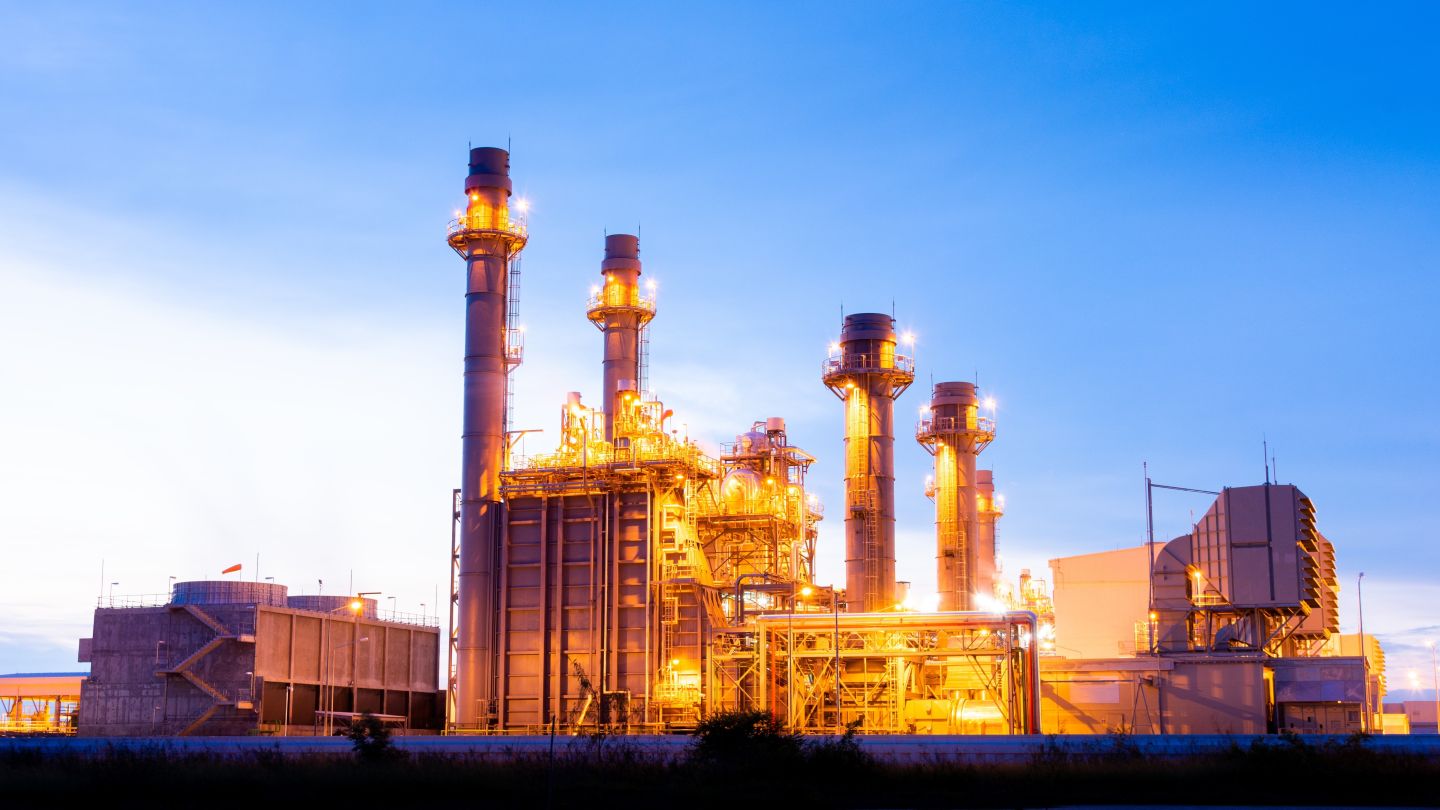
In a significant stride toward the modernization of Kazakhstan’s energy infrastructure, global energy major Eni—through its renewable energy subsidiary Plenitude—has announced the successful commencement of industrial electricity production from the gas component of the Mangystau Hybrid Power Plant. This 247MW project stands as a landmark achievement in the country’s industrial landscape, representing a shift toward diversified, lower-carbon, and stable power generation.
The Mangystau project is not merely an isolated power plant; it is a sophisticated hybrid ecosystem that integrates solar, gas, and future wind energy technologies. By combining these sources, the facility is designed to provide consistent base-load power while utilizing renewable inputs to lower the overall carbon intensity of operations for KazMunayGas, the national oil and gas company of Kazakhstan.
Chronology of Development: A Multi-Phased Engineering Feat
The realization of the Mangystau Hybrid Power Plant is the result of meticulous planning and phased execution. Eni has reported that the project has already surpassed two million man-hours of construction, reflecting the complexity and scale of the infrastructure.
The Roadmap to Full Capacity:
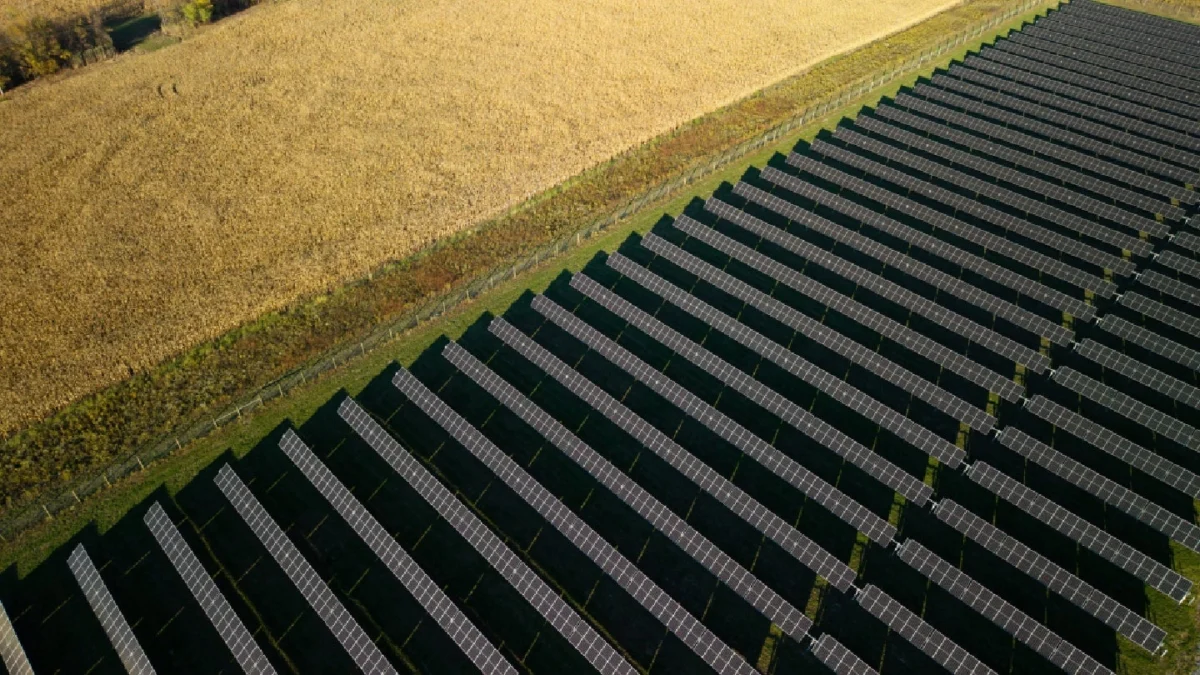
- September 2025: The first milestone was achieved with the successful commissioning of a 50MW solar photovoltaic plant, establishing the facility’s renewable energy credentials.
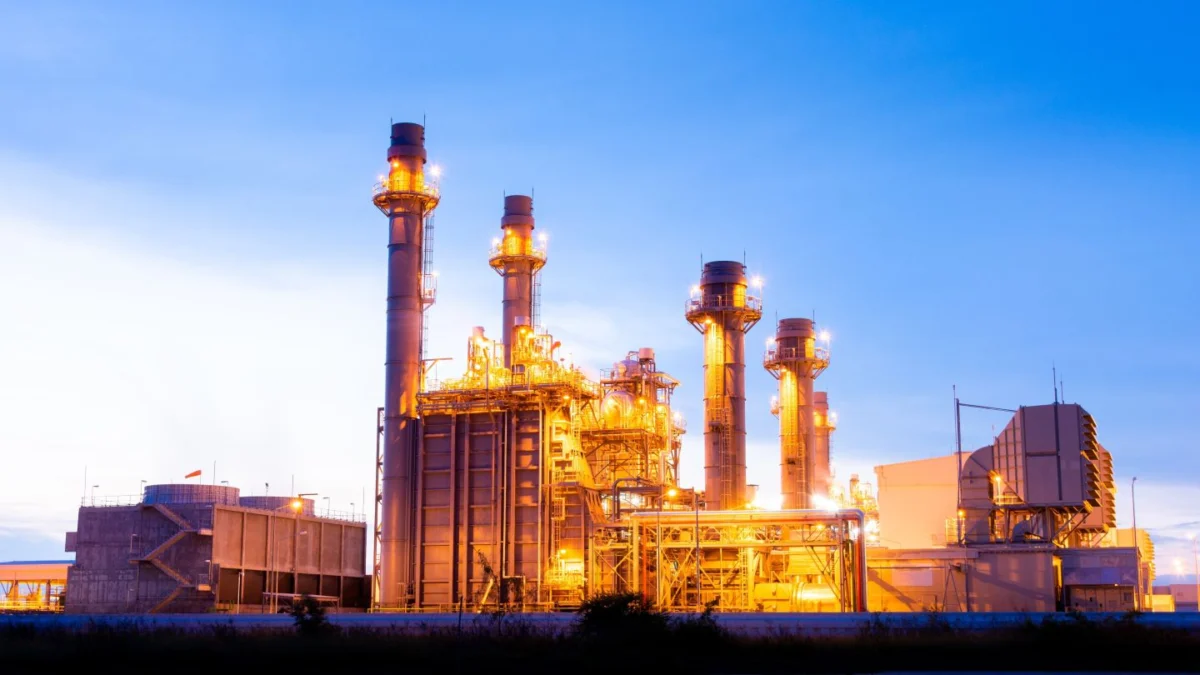
- July 2026: The gas power component, capable of generating 120MW, achieved its first industrial electricity production. This marks a critical step in ensuring grid stability.
- Q3 2026: The final commissioning of the gas plant is scheduled for completion, bringing the facility to its full operational design capacity for the thermal component.
- 2027: The final piece of the puzzle—a 77MW wind power plant—is slated to come online. This will complete the hybrid structure, allowing the facility to dynamically balance power output based on environmental conditions and industrial demand.
Supporting Data: Infrastructure and Technical Scope
The 247MW Mangystau project is strategically located in the Mangystau region, a critical hub for Kazakhstan’s energy and industrial sectors. The plant is designed to act as a captive power source, providing stable and sustainable electricity to subsidiaries of KazMunayGas.
Technical Breakdown:
| Component | Capacity | Status |
|---|---|---|
| Solar Power Plant | 50MW | Operational (Sept 2025) |
| Gas Power Plant | 120MW | Initial Production (July 2026) |
| Wind Power Plant | 77MW | Under Construction (2027 target) |
| Total Capacity | 247MW | Hybrid Integration |
The engineering requirement of over two million man-hours highlights the logistical hurdles of constructing large-scale infrastructure in the Mangystau region. The integration of these disparate technologies—thermal and renewable—requires a sophisticated energy management system to ensure that the power supply remains constant despite the intermittency inherent in wind and solar power.
Implications for the Kazakh Energy Sector
The Mangystau project carries profound implications for Kazakhstan’s national energy strategy. Historically, the nation has relied heavily on coal and aging gas infrastructure. As the government pivots toward decarbonization and modernization, the Mangystau plant serves as a blueprint for future energy projects.
Diversification and Energy Security
By integrating gas, wind, and solar, the project mitigates the risks associated with single-source power. The gas component provides the necessary "spinning reserve" and stability to support the fluctuating output of the solar and wind arrays. This model of "hybridization" is increasingly being adopted by international energy majors to fulfill ESG (Environmental, Social, and Governance) mandates while maintaining high industrial reliability.
Economic Impact
For KazMunayGas, the facility represents a strategic investment in energy efficiency. By securing a stable, lower-carbon power supply for its regional subsidiaries, the company can reduce its operational costs and improve its carbon footprint, which is essential for maintaining competitiveness in global markets that are increasingly sensitive to the environmental impact of fossil fuel extraction.
Eni’s Strategic Footprint in Kazakhstan
Eni has been a cornerstone of the Kazakh energy sector since 1992. The company’s evolution from an upstream exploration and production partner to a leader in integrated renewable energy projects reflects the broader global energy transition.
A Legacy of Collaboration
Eni’s presence in Kazakhstan is significant, with major stakes in the nation’s most vital assets:
- Karachaganak Field: A 29.25% cooperator stake in one of the world’s largest gas and condensate fields.
- North Caspian PSA: A 16.81% share in the consortium responsible for the development of the Kashagan field.
- Caspian Pipeline Consortium (CPC): A 2% stake in the critical pipeline infrastructure connecting Kazakh oil to global markets.
- Baku-Tbilisi-Ceyhan (BTC) Pipeline: A 5% participation, further cementing its role in the trans-regional energy corridor.
Growth of the Renewables Portfolio
While Eni’s history is rooted in hydrocarbons, its subsidiary, Plenitude, is rapidly scaling the company’s renewable footprint in the region. Beyond the Mangystau project, Eni operates:
- Badamsha Wind Farms (Aktobe region): 96MW of total wind generation capacity.
- Shaulder Solar Plant (Turkestan region): A 50MW facility contributing to the regional grid.
Globally, Plenitude continues to expand, recently initiating production from the second 200MW section of the Renopool photovoltaic project in Spain, demonstrating that the technical expertise honed in the deserts of Kazakhstan is being applied across Eni’s global portfolio.
Official Perspectives and Future Outlook
The collaboration between Eni and KazMunayGas is viewed by industry analysts as a benchmark for international cooperation in the energy sector. By aligning the technical expertise of an international major with the national priorities of Kazakhstan, both parties are addressing the dual challenge of energy poverty and climate change.
"The Mangystau project is a testament to the potential of hybrid energy systems," noted a spokesperson close to the project. "By leveraging the vast wind and solar resources of the Mangystau region, while maintaining the reliability of natural gas, we are providing a scalable solution for industrial energy needs."
As the project moves toward its final phase in 2027, the focus will shift to optimizing the hybrid management system. The ability to seamlessly switch between energy sources based on real-time meteorological data and grid demand will provide a wealth of data that will likely inform future energy policies in Central Asia.
Conclusion: Setting the Standard for Decarbonization
The Mangystau Hybrid Power Plant is more than just a 247MW project; it is a manifestation of the global shift in industrial power generation. For Kazakhstan, the project is a crucial step in fulfilling its commitment to modernize its power sector and reduce the carbon intensity of its national energy giants.
As Eni continues to integrate its legacy operations with its forward-looking renewable portfolio, the success of the Mangystau initiative will serve as a catalyst for future investment. With the wind power component expected to go live in 2027, the facility stands as a beacon of progress, proving that through collaborative innovation, the transition to a sustainable energy future is not only possible but commercially viable.
The successful commissioning of the gas facility in July 2026 is a milestone that confirms the viability of the project’s design. As the global energy sector watches, Kazakhstan is positioning itself as a leader in the integration of hybrid energy, setting a high bar for industrial decarbonization in the region and beyond.